Best Rustic for Boston Fern Longevity
Choosing the right rustic container helps your Boston fern live longer. Proper soil, moisture, and light are the keys to success.
When you want a Boston fern to thrive for years you need the right home. A rustic pot can give the plant a stable environment. This guide shows the best rustic for boston fern longevity and explains each step in plain language.
You will learn which materials work best, how to prepare the container, and what daily care looks like. Follow the tips and your fern will stay green and full.
Read on to discover simple actions that make a big difference.
Key Takeaways
- Container Material: Choose natural wood or stone for steady moisture.
- Drainage Holes: Ensure excess water can escape to stop root rot.
- Soil Mix: Use a light, airy blend with peat and perlite.
- Humidity: Keep air moist with a tray or misting.
- Watering Schedule: Water when the top inch feels dry.
- Light Level: Give bright, indirect light for steady growth.
- Avoid Common Mistakes: Do not let the pot sit in water or dry out completely.
Quick Answers to Common Questions
What is the best rustic container for a Boston fern?
A wooden barrel or stone trough works well because they hold moisture and breathe.
How often should I water my Boston fern in a rustic pot?
Water when the top inch of soil feels dry, usually every 2 to 3 days in warm weather.
Can I use a metal tub for my fern?
Yes, if the tub has drainage holes and a thick coir layer at the bottom to prevent rust.
What soil mix is ideal for Boston ferns?
Equal parts peat moss, perlite, and pine bark give a light, airy mix that drains well.
How do I increase humidity around my fern?
Place a pebble tray with water under the pot and mist the fronds a few times each week.
📑 Table of Contents
Why Boston Ferns Need Special Care
The best rustic for boston fern longevity starts with knowing the plant’s native home. Boston ferns come from humid forests. They like steady moisture and filtered light.
Natural Habitat
In the wild they grow on tree trunks and rocks. The air is moist all day. The soil is loose and rich with organic matter. Recreating these conditions helps the fern stay healthy.
A rustic container made of wood or stone mimics a tree trunk. It holds moisture while letting excess air flow. This close match reduces shock for the plant.
Moisture Needs
Boston ferns need soil that stays evenly damp. They do not like to dry out completely. A rustic pot with good drainage keeps the root zone moist but not soggy.
Check the top inch of soil each morning. Water when it feels dry to the touch. Consistent moisture prevents brown tips.
Light Preferences
Bright indirect light is ideal. Direct sun scorches the delicate fronds. Deep shade makes growth leggy and pale.
Place the pot near a north or east window. Rotate the container weekly for even exposure.
Temperature Range
These ferns prefer temperatures between 60 and 75 degrees Fahrenheit. Sudden drops cause stress. A rustic stone pot buffers temperature swings.
Avoid placing the pot near heaters or drafty doors. Stable temperatures support steady growth.
Common Stress Factors
Dry air causes brown tips on fronds. Too much sun burns the leaves. Standing water leads to root rot. Understanding these stresses lets you prevent them.
Use a humidity tray and mist regularly. Ensure the pot has drainage holes. Keep the plant out of harsh afternoon sun.
What Makes a Rustic Container Good for Ferns
A good rustic container supports the best rustic for boston fern longevity by holding moisture without staying soggy. The material, size, and drainage all matter.

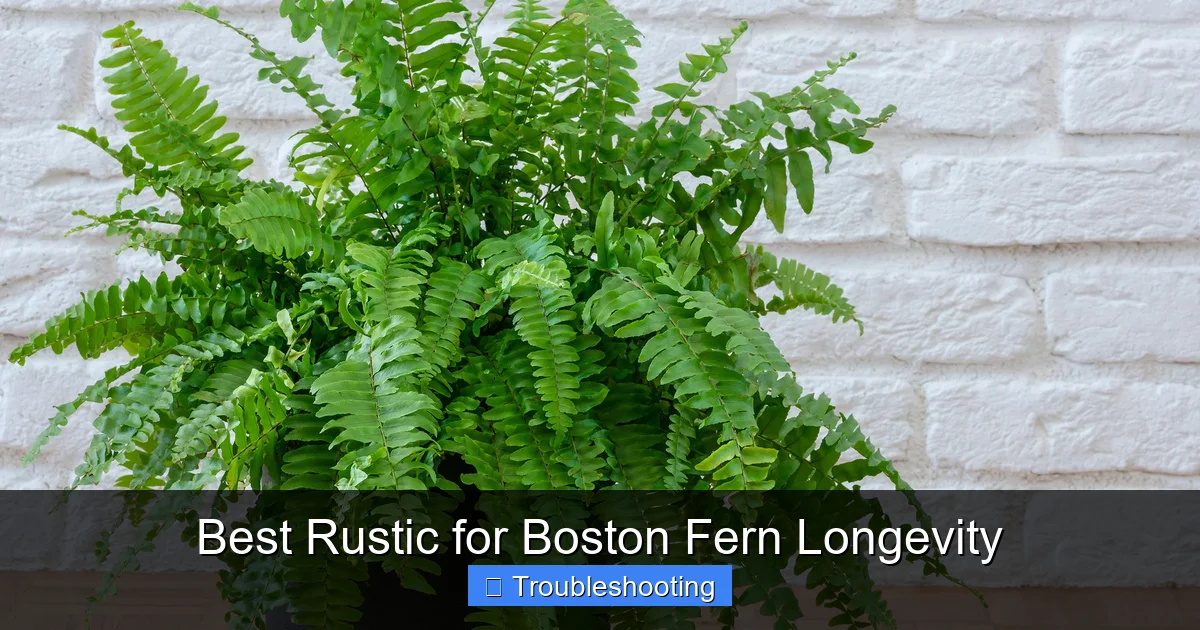
Visual guide about Best Rustic for Boston Fern Longevity
Image source: cdn.mos.cms.futurecdn.net
Material Choices
Wood, stone, and terracotta breathe. They let excess water evaporate naturally. Plastic holds water too long and can cause rot.
Choose untreated cedar or reclaimed barn wood for a natural look. Stone troughs add thermal mass. Terracotta pots are classic and porous.
Size and Depth
Choose a pot that is two inches wider than the root ball. Deep pots hold more soil and keep moisture stable.
A larger soil volume reduces the frequency of watering. It also gives roots room to spread.
Drainage Features
Every rustic pot needs holes at the bottom. Add a layer of gravel or broken pottery to keep holes clear.
If the container has no holes, drill several before planting. Good drainage prevents water from pooling around roots.
Weight and Stability
Heavy stone or metal containers resist tipping. This is useful in homes with pets or children.
Lightweight wood pots may need a saucer with a non‑slip base. Stability protects the fern from accidental falls.
Aesthetic Appeal
A rustic pot adds charm to any room. The natural texture complements the feathery fronds.
Match the pot color to your decor. A weathered finish looks timeless and hides minor stains.
Top Rustic Materials for Long Lasting Ferns
These materials rank high for the best rustic for boston fern longevity because they balance moisture and air flow.
Wooden Barrels
Half barrels give a large soil volume. They look natural and keep roots cool. Line the inside with landscape fabric to stop soil loss.
Use a food‑grade liner if you worry about chemicals. The wood will age gracefully and develop a patina.
Stone Troughs
Stone holds temperature steady. It is heavy so it will not tip. Drill drainage holes if none exist.
Granite or sandstone troughs are durable. They also add a sculptural element to the space.
Terracotta Pots
Terracotta is porous. It pulls excess water out of the soil. Soak the pot before planting to reduce initial water draw.
Choose a pot with a wide rim for easy watering. The clay color deepens with age.
Recycled Metal
Old metal tubs can work if you add a thick layer of coconut coir at the bottom. The metal must be rust‑free and have holes.
Paint the interior with a non‑toxic sealant to prevent corrosion. The industrial look suits modern rustic decor.
Concrete Planters
Concrete is heavy and insulates roots from temperature swings. It can be cast in custom shapes.
Seal the interior with a breathable sealant. This keeps moisture in while allowing air exchange.
How to Prepare a Rustic Pot for Your Fern
Preparing the pot correctly sets the stage for the best rustic for boston fern longevity. Follow these steps each time you repot.
Cleaning the Container
Scrub the inside with a brush and mild soap. Rinse well. Let it dry completely before adding soil.
Remove any old roots or debris. A clean pot reduces disease risk.
Adding a Drainage Layer
Place one inch of coarse gravel or broken pottery over the holes. This keeps soil from washing out.
Use a mesh screen if the holes are large. The screen holds gravel while letting water pass.
Preparing the Soil Mix
Use a mix of peat moss, perlite, and pine bark in equal parts. Fill the pot to two inches below the rim. Gently firm the soil around the roots.
Moisten the mix before planting. This prevents dry pockets that can hurt new roots.
Planting the Fern
Make a hole in the center of the soil. Set the root ball in the hole. Backfill with mix and press lightly.
Keep the crown at the same level as before. Burying the crown can cause rot.
Initial Watering
Water thoroughly until water runs out of the drainage holes. This settles the soil around the roots.
Allow excess water to drain away. Do not let the pot sit in a saucer of water.
Ongoing Care Tips for Fern Longevity
Daily habits keep the best rustic for boston fern longevity on track. Small actions add up to a thriving plant.
Watering Routine
Check the top inch of soil each morning. Water when it feels dry. Use room temperature water. Avoid letting the pot sit in a saucer of water.
In hot weather you may water every day. In cooler months water every two to three days.
Humidity Boost
Place a tray of pebbles and water under the pot. Mist the fronds twice a week. Group plants together to raise local humidity.
A small humidifier near the fern works well in dry winter air.
Feeding Schedule
Feed with a diluted liquid fertilizer once a month during spring and summer. Stop feeding in fall and winter.
Use a balanced 10‑10‑10 formula at half strength. Over‑fertilizing burns the delicate roots.
Light Placement
Put the fern near a north or east window. Bright indirect light works best. Rotate the pot weekly for even growth.
If natural light is low, add a grow light set to 12 hours a day.
Seasonal Adjustments
In winter reduce watering and stop fertilizing. Keep the plant away from cold drafts.
In summer increase misting and watch for pests. Adjust care as light levels change.
Pest Monitoring
Inspect fronds weekly for spider mites or scale. Wipe leaves with a damp cloth if you see pests.
Treat infestations early with insecticidal soap. Healthy plants resist bugs better.
Common Mistakes and How to Fix Them
Even with the best rustic for boston fern longevity, errors happen. Recognize them early and correct fast.
Overwatering
Yellow leaves and mushy roots mean too much water. Let the soil dry out more between waterings. Improve drainage if needed.
Check the saucer after watering. Empty any standing water within 30 minutes.
Underwatering
Crispy brown tips signal dry soil. Increase watering frequency. Add a humidity tray to slow moisture loss.
Set a reminder to check soil daily during heat waves.
Poor Drainage
Water pooling at the bottom leads to root rot. Add more gravel or drill extra holes. Repot into a better container if the problem persists.
Use a pot with at least three drainage holes for a 12‑inch container.
Wrong Light
Direct sun burns fronds. Deep shade makes growth leggy. Move the plant to a bright indirect spot and watch for improvement.
Use a sheer curtain to filter harsh afternoon rays.
Neglecting Humidity
Dry indoor air causes leaf tip burn. Run a humidifier or place a water tray nearby. Mist daily in winter.
Grouping several ferns together creates a micro‑climate with higher humidity.
Using Wrong Soil
Heavy garden soil compacts and suffocates roots. Stick to a light, airy mix of peat, perlite, and bark.
Refresh the top inch of soil each spring to keep texture loose.
With the right rustic container and simple care, your Boston fern can live for many years. Use this guide as a checklist each season. Enjoy the lush green fronds that bring calm to any room.
Frequently Asked Questions
Why does my Boston fern turn brown at the tips?
Brown tips usually mean low humidity or irregular watering. Increase misting and keep soil evenly moist.
Can I keep a Boston fern outdoors in a rustic pot?
Yes, in a shaded, humid spot. Bring it inside before frost.
How do I repot a Boston fern without damaging roots?
Gently loosen the root ball, place it in fresh soil, and water thoroughly.
What fertilizer is safe for Boston ferns?
Use a balanced liquid fertilizer at half strength once a month during the growing season.
Do rustic pots need sealing?
Seal wooden pots with a non‑toxic sealant to extend life, but keep drainage holes open.
How can I tell if my fern needs more light?
Leggy, pale fronds indicate low light. Move the plant to a brighter indirect location.