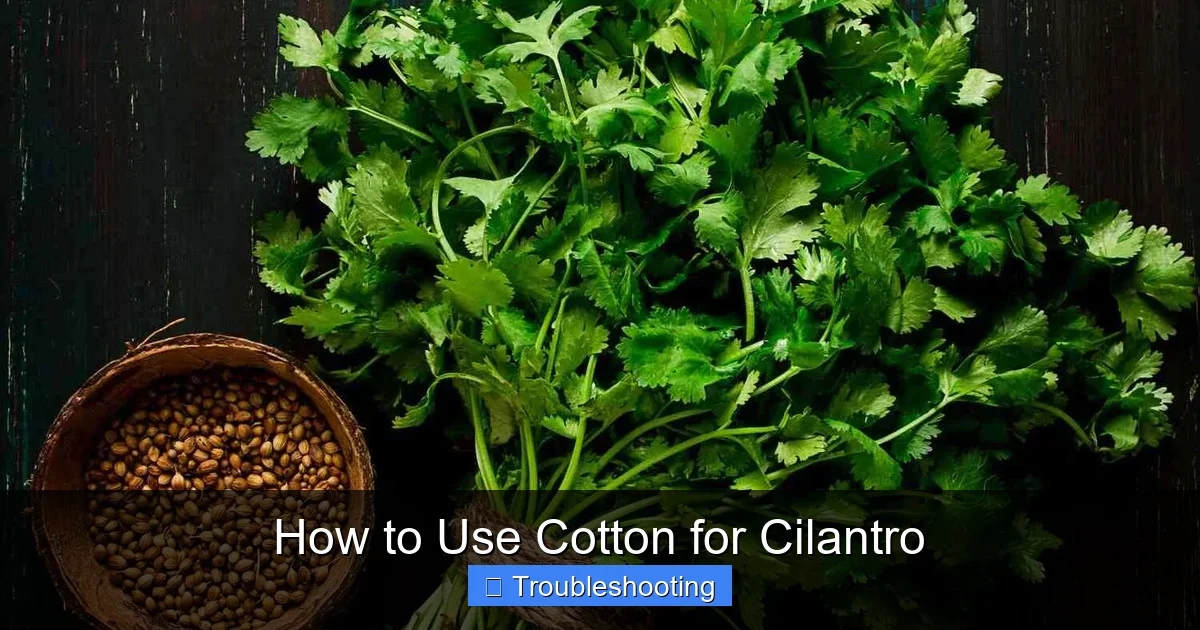
How to Use Cotton for Cilantro
Using cotton for cilantro gives you a clean, moisture‑rich medium that speeds up germination and reduces transplant shock. Follow the simple steps below to prepare, sow, water, and move your seedlings into soil for a bountiful harvest.
Key Takeaways
- Moisture retention: Cotton holds water evenly, keeping cilantro seeds hydrated without soggy conditions.
- Airflow: The fibrous structure lets roots breathe, preventing rot and promoting strong root growth.
- Easy monitoring: You can see seed progress through the translucent cotton, making troubleshooting simple.
- Low cost and reusable: Plain cotton pads or loose fibers are inexpensive and can be composted after use.
- Versatile: Works for indoor seed trays, hydroponic setups, and outdoor seed beds.
- Reduces transplant shock: Seedlings grown in cotton for cilantro adapt quickly when moved to soil.
- Prevents disease: Sterile cotton limits fungal spores that often plague soil‑based starts.
Quick Answers to Common Questions
Can I use any cotton for cilantro?
Use clean, untreated cotton pads or loose fibers. Avoid cotton with synthetic finishes or dyes.
How wet should the cotton be?
Damp but not soggy. It should feel like a wrung‑out sponge.
Do I need a dome cover?
A clear dome or plastic wrap helps maintain humidity during germination.
When do I transplant seedlings?
Transplant when seedlings have two true leaves, usually 2‑3 weeks after sowing.
Can cotton for cilantro be reused?
Yes, rinse, sterilize, and reuse for several cycles.
📑 Table of Contents
Introduction
Growing cilantro from seed can be tricky because the tiny seeds dry out fast. Many gardeners turn to cotton for cilantro as a simple solution. The soft fibers keep moisture steady while letting air reach the roots. This guide walks you through every step, from choosing the right cotton to transplanting healthy seedlings.
You will learn why cotton for cilantro works, how to prepare it, and how to avoid common problems. Whether you are a beginner or an experienced grower, these tips will help you get a faster, more reliable cilantro crop.
Why Cotton Works for Cilantro
Moisture Retention
Cotton for cilantro holds water like a sponge. Each fiber traps tiny droplets that release slowly to the seed. This steady supply prevents the seeds from drying out during the critical first days. Consistent moisture leads to higher germination rates.
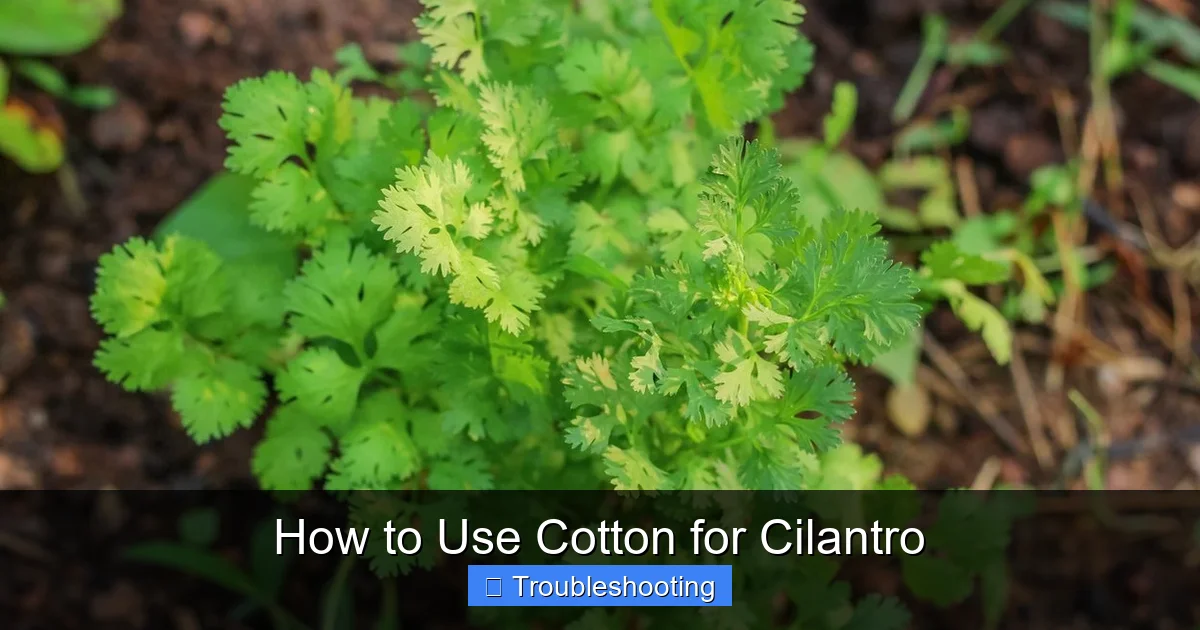
Visual guide about How to Use Cotton for Cilantro
Image source: naturallivingideas.com
Airflow and Root Health
Unlike dense soil, cotton for cilantro leaves tiny air pockets. Roots need oxygen to grow strong. The open structure stops waterlogging and reduces the risk of root rot. Healthy roots mean vigorous tops and better flavor.
Visibility for Troubleshooting
Because cotton for cilantro is light‑colored and semi‑transparent, you can watch the seed swell and the radicle emerge. Early detection of mold or uneven moisture lets you act fast. This visual cue is a big advantage over opaque soil mixes.
Choosing the Right Cotton
Organic vs Conventional
Organic cotton for cilantro is grown without synthetic pesticides. It reduces the chance of chemical residues on your edible herbs. Conventional cotton works too, but rinse it well before use to remove any finishes.
Cotton Pads vs Loose Fibers
Cotton pads are convenient for tray cells. They fit neatly and stay in place. Loose fibers give you more flexibility for custom shapes or larger beds. Both forms deliver the same moisture‑air balance for cotton for cilantro.
Sterilizing Your Cotton
Even clean cotton can harbor spores. A quick soak in a 1 % hydrogen peroxide solution for five minutes kills most pathogens. Rinse with distilled water and squeeze out excess liquid. This step makes cotton for cilantro a safer start medium.
Step‑by‑Step Guide to Using Cotton for Cilantro
Preparing the Cotton
Cut cotton pads to fit your seed tray cells. If using loose fibers, spread a thin, even layer about one centimeter thick. Moisten the cotton for cilantro until it feels damp but not dripping. Excess water can cause mold.
Sowing the Seeds
Place two to three cilantro seeds on each cotton pad. Lightly press them into the fibers so they make good contact. Do not bury the seeds; they need light to germinate. Cover the tray with a clear dome or plastic wrap to keep humidity high.
Watering and Monitoring
Check the cotton for cilantro daily. Mist with a spray bottle if the surface looks dry. Avoid pouring water directly; it can displace seeds. Keep the temperature between 18 °C and 22 °C for best results. Germination usually occurs in 7‑10 days.
Transplanting to Soil
When seedlings have two true leaves, they are ready for soil. Gently lift each cotton pad with the seedling intact. Plant the whole pad into a prepared pot or garden bed. The cotton for cilantro will decompose, feeding the plant as it grows.
Common Problems and Fixes
Mold on Cotton
White fuzzy growth means too much moisture or poor airflow. Remove the dome for a few hours each day. Reduce misting frequency. If mold persists, replace the affected cotton for cilantro with a fresh, sterilized piece.
Drying Out Too Fast
In warm rooms cotton for cilantro can lose water quickly. Add a humidity tray underneath or use a larger dome. A thin layer of vermiculite on top of the cotton helps slow evaporation without blocking light.
Leggy Seedlings
Tall, thin stems indicate insufficient light. Move the tray to a brighter spot or add a grow light 30 cm above the seedlings. Strong light encourages compact growth and better flavor in cilantro.
Advanced Tips for Better Yields
Using Cotton in Hydroponic Setups
Cotton for cilantro can serve as a starter plug in nutrient film technique (NFT) or deep water culture (DWC) systems. After roots emerge, transfer the cotton plug into net pots. The fibers continue to wick nutrient solution to the young roots.
Combining Cotton with Compost Tea
Soak cotton for cilantro in diluted compost tea before sowing. The beneficial microbes colonize the fibers, giving seedlings a natural disease shield. This boost often leads to faster early growth.
Reusing Cotton for Multiple Cycles
After harvest, rinse used cotton for cilantro thoroughly, sterilize again, and reuse for the next batch. This reduces waste and saves money. Keep a log of how many cycles each piece lasts to track performance.
Conclusion
Cotton for cilantro is a low‑cost, high‑control medium that solves the biggest headaches of cilantro germination. It keeps seeds moist, lets roots breathe, and makes progress easy to see. By following the steps above, you can enjoy a steady supply of fresh cilantro all season long. Give cotton for cilantro a try in your next planting and watch the difference it makes.
Frequently Asked Questions
What type of cotton works best for cilantro?
Organic, unbleached cotton pads or loose fibers are ideal because they are free of chemicals and hold moisture well.
How often should I mist the cotton?
Mist once daily or whenever the surface feels dry; avoid over‑watering to prevent mold.
Can I start cilantro directly in the garden using cotton?
Yes, lay a thin cotton layer on prepared soil, sow seeds, and cover lightly with more cotton; remove the cover once seedlings emerge.
Does cotton for cilantro affect flavor?
No, the cotton decomposes and does not impart any taste to the herb.
Is cotton for cilantro suitable for hydroponics?
Absolutely; cotton plugs work well as starter media in NFT, DWC, and other hydroponic systems.
How do I prevent mold on the cotton?
Ensure good airflow, avoid excess water, and sterilize cotton before each use.