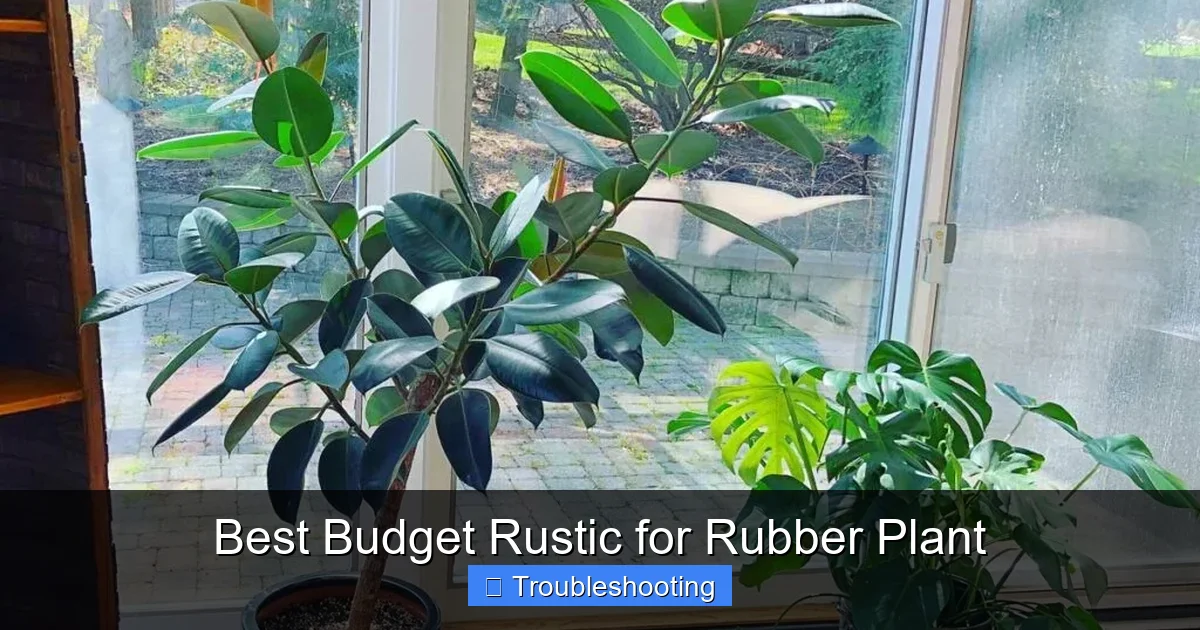
Best Budget Rustic for Rubber Plant
Looking for the best budget rustic for rubber plant? This guide covers affordable rustic planters that improve drainage, prevent root rot, and match your decor. Learn top picks, DIY ideas, and care tips to keep your rubber plant thriving.
Hey there, plant friend! If you’re hunting for the best budget rustic for rubber plant, you’ve landed in the right spot. Rubber plants (Ficus elastica) are stunning, low-maintenance houseplants that bring bold, glossy leaves to any room. But here’s the thing: they’re picky about their homes. Soggy soil? They’ll sulk. Cramped roots? They’ll stall. The wrong planter can turn a thriving beauty into a struggling mess.
I’ve been there. Bought a cute pot, skipped the drainage holes, and watched my rubber plant drop leaves like crazy. Lesson learned. Rustic planters aren’t just pretty — they’re practical. Materials like terracotta, reclaimed wood, and concrete breathe. They wick moisture. They protect roots. And the best part? You don’t need to spend a fortune. This guide walks you through everything: why rustic works, what to buy, what to build, and how to troubleshoot common problems. Let’s dig in.
Key Takeaways
- Drainage is critical: Rubber plants hate wet feet. Rustic planters with drainage holes prevent root rot.
- Material matters: Terracotta, wood, and concrete offer breathability and style on a budget.
- Size up gradually: Choose a pot 1-2 inches larger than the root ball to avoid overwatering risks.
- DIY saves money: Upcycle crates, barrels, or tin cans for unique rustic looks under $20.
- Watch for trouble signs: Yellow leaves, drooping, or mold mean your planter or care routine needs fixing.
- Seasonal adjustments: Water less in winter. Rustic materials dry faster, so monitor soil moisture.
- Style meets function: The best budget rustic for rubber plant balances aesthetics with plant health needs.
Quick Answers to Common Questions
What is the best budget rustic planter material for rubber plants?
Terracotta offers the best balance of breathability, cost, and availability. It wicks excess moisture, shows salt buildup early, and costs under $20 for most sizes.
Can I use a rustic planter without drainage holes?
Only as a cachepot. Keep the plant in its nursery pot inside the rustic container. Empty excess water after watering. Direct planting without holes risks root rot.
How often should I water a rubber plant in a terracotta pot?
Check every 3-4 days in growing season. Water when top 2 inches of soil feel dry. Terracotta dries faster than plastic or glazed ceramic.
Do I need to seal a wooden planter for my rubber plant?
Yes, seal the interior with non-toxic, water-based wood sealer. This prevents rot and extends planter life. Drill drainage holes before sealing.
What size rustic planter do I need for a mature rubber plant?
Choose a pot 1-2 inches wider than the current root ball. For a 3-foot plant, a 12-14 inch diameter planter with equal depth works well.
📑 Table of Contents
- Understanding Your Rubber Plant’s Needs
- Why Rustic Planters Work Well for Rubber Plants
- Top Budget Rustic Planter Options
- DIY Rustic Planter Ideas on a Budget
- Common Rubber Plant Problems and How Rustic Planters Help
- Caring for Your Rubber Plant in a Rustic Planter
- Styling Your Rustic Rubber Plant
- Conclusion
Understanding Your Rubber Plant’s Needs
Before we talk planters, let’s talk plant. Rubber plants come from tropical regions of India and Malaysia. In nature, they grow into massive trees. Indoors, they stay manageable but keep their preferences: bright indirect light, well-draining soil, and a pot that respects their root system.
Root Health Basics
Rubber plant roots need oxygen. Dense, waterlogged soil suffocates them. Root rot sets in fast — often before you see leaf symptoms. A good planter promotes airflow and lets excess water escape. That’s why drainage holes are non-negotiable. No holes? Drill them. Or use the pot as a cachepot with a nursery pot inside.
Growth Patterns and Repotting
These plants grow fast in spring and summer. You’ll likely repot every 1-2 years. When roots circle the bottom or poke from drainage holes, it’s time. The new pot should be 1-2 inches wider. Too big? Soil stays wet too long. Too small? Roots choke. The best budget rustic for rubber plant accommodates this cycle without breaking the bank.
Signs Your Planter Isn’t Working
- Yellowing lower leaves (often overwatering)
- Brown crispy edges (underwatering or low humidity)
- Mold on soil surface (poor airflow)
- Plant wobbles in pot (root-bound or too large)
- Water runs straight through (hydrophobic soil or root-bound)
Why Rustic Planters Work Well for Rubber Plants
Rustic style means natural, weathered, raw materials. Think terracotta, unfinished wood, galvanized metal, stone, concrete. These aren’t just trendy — they’re functional. Here’s why they’re a top pick for rubber plants.
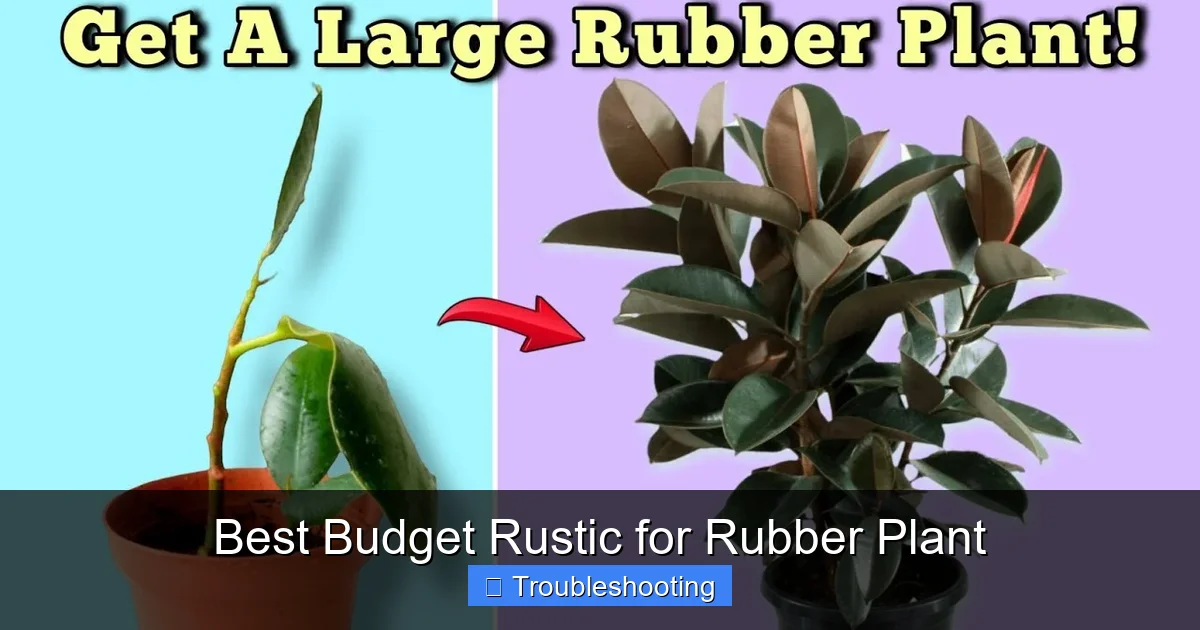
Visual guide about Best Budget Rustic for Rubber Plant
Image source: i.ytimg.com
Breathability Beats Plastic
Plastic pots trap moisture. Great for thirsty ferns. Bad for rubber plants. Terracotta and unglazed clay pull water from soil through their walls. This evaporation cools roots and prevents rot. Wood does something similar. Even concrete wicks moisture slowly. The best budget rustic for rubber plant uses this natural breathability to your advantage.
Weight Adds Stability
Rubber plants get top-heavy. Large leaves catch air currents. A lightweight plastic pot tips easily. Rustic materials — especially concrete, stone, and thick ceramic — anchor the plant. No more midnight crashes.
Temperature Regulation
Thick-walled rustic planters insulate roots. In summer, they keep soil cooler. In winter, they buffer against cold windowsills. This matters because rubber plants hate temperature swings. A stable root zone means steady growth.
Aesthetic Versatility
Rustic fits everywhere: modern farmhouse, industrial loft, boho corner, minimalist shelf. Neutral tones let the plant’s dark green leaves pop. You can stain wood, paint terracotta, or leave concrete raw. The style adapts; the function stays solid.
Top Budget Rustic Planter Options
Ready to shop? Here are concrete picks for the best budget rustic for rubber plant under $50. Prices vary by size and retailer, but these categories deliver value.
Terracotta Classics
Standard terracotta pots cost $5-$25 depending on size. Look for thick walls and a drainage hole. Brands like Bloem, Pennington, and generic nursery pots work fine. Pro tip: soak new terracotta 30 minutes before planting. Dry clay steals water from soil.
Budget pick: 10-inch terracotta pot ~$12. Pair with a matching saucer ($3). Total: $15.
Reclaimed Wood Planters
Wooden crates, whiskey barrel halves, and pallet boxes bring instant rustic charm. Ensure drainage: drill ½-inch holes every 4-6 inches. Line with landscape fabric to keep soil in. Seal interior with non-toxic wood sealer for longevity.
Budget pick: Half whiskey barrel ~$25-$35. Holds a mature rubber plant for years.
Concrete and Stone Composite
Modern concrete planters look expensive but aren’t always. Composite stone (fiberglass + stone powder) mimics concrete at lower weight and cost. Look for drainage holes and feet for airflow.
Budget pick: 12-inch composite concrete planter ~$30-$40. Lightweight but stable.
Galvanized Metal Tubs
Stock tanks, wash basins, and metal buckets add industrial rustic vibe. Drill drainage holes (use a metal bit). Elevate on bricks or pot feet — metal conducts heat/cold. Line with coco coir or burlap if holes are large.
Budget pick: 12-gallon galvanized tub ~$20. Drill 8-10 holes. Done.
Upcycled Finds
Thrift stores, flea markets, and curb alerts yield gems: vintage enamelware, ceramic crocks, wooden toolboxes, wine crates. Clean well. Drill drainage. Seal if needed. Often under $15.
Budget pick: Vintage wooden crate ~$10. Add casters for mobility.
DIY Rustic Planter Ideas on a Budget
Love a project? Building your own best budget rustic for rubber plant lets you customize size, look, and drainage perfectly. Here are five weekend-friendly builds.
Pallet Wood Planter Box
Free pallets + basic tools = custom planter. Disassemble carefully. Cut boards to size. Assemble box with exterior screws. Drill drainage holes in bottom slats. Line with landscape fabric. Stain or leave raw. Cost: $0-$15 for hardware and finish.
Concrete Mix Planter
Use two cardboard boxes (one smaller) as molds. Mix concrete per package. Pour outer box, insert inner box weighted down. Let cure 48 hours. Remove cardboard. Sand edges. Drill drainage hole if missed. Cost: $10-$20 for concrete mix.
Repurposed Wine Barrel
Cut a wine barrel in half horizontally (many sellers do this). Drill drainage. Sand rough edges. Add feet. Optional: stain exterior. These last decades. Cost: $30-$50 for half barrel.
Tin Can Cluster
Collect large cans (olive oil, tomato, coffee). Clean. Remove labels. Drill 3-4 holes in bottom. Paint with rust-inhibiting spray paint in matte earth tones. Group 3-5 on a tray. Each holds a small rubber plant or propagation. Cost: $5-$10 for paint.
Cinder Block Planter
Stack 2-3 cinder blocks. Glue with construction adhesive. Hollow cores become planting pockets. Top block holds main plant; side pockets hold companions (pothos, snake plant). Paint or leave raw. Cost: $5-$15.
Common Rubber Plant Problems and How Rustic Planters Help
Let’s troubleshoot. The right planter solves or prevents many issues. Here’s how the best budget rustic for rubber plant tackles top complaints.
Problem: Root Rot
Symptoms: Mushy stems, foul smell, black roots, leaf drop.
How rustic helps: Breathable materials (terracotta, wood, concrete) dry faster. Drainage holes exit excess water. Elevation on feet improves airflow. Fix: Repot in rustic planter with fresh, chunky mix (orchid bark + perlite + potting soil 1:1:1). Water only when top 2 inches dry.
Problem: Underwatering / Hydrophobic Soil
Symptoms: Crispy leaves, soil pulls from pot sides, water runs through instantly.
How rustic helps: Terracotta’s wicking can worsen this if you’re not attentive. But wood and concrete moderate moisture better. Fix: Bottom-water — sit planter in tray 20 minutes. Add worm castings or coco coir to improve retention. Mulch top with bark.
Problem: Salt Buildup
Symptoms: White crust on soil/pot, leaf tip burn.
How rustic helps: Terracotta shows salts visibly (white powder on exterior). This early warning lets you flush soil monthly. Plastic hides it. Fix: Run water through 2-3 pot volumes. Let drain fully.
Problem: Toppling
Symptoms: Plant leans, pot tips.
How rustic helps: Heavy materials (concrete, stone, thick ceramic) anchor large plants. Wide bases improve stability. Fix: Choose planter width ≥ ⅔ plant height. Add decorative stones atop soil for weight.
Problem: Pest Harboring
Symptoms: Fungus gnats, mealybugs in crevices.
How rustic helps: Smooth concrete and glazed terracotta have fewer hiding spots than rough wood. But any planter benefits from: sticky traps, neem oil soil drench, letting top soil dry completely between waterings.
Caring for Your Rubber Plant in a Rustic Planter
You’ve got the planter. Now keep the plant happy. Care shifts slightly with rustic materials.
Watering Rhythm
Terracotta dries fast — check every 3-4 days in summer. Wood and concrete moderate — check weekly. Winter: cut frequency by half. Always test soil with finger or moisture meter. The best budget rustic for rubber plant demands attention, not guesswork.
Fertilizing Schedule
Feed monthly spring-fall with balanced liquid fertilizer (10-10-10) at half strength. Rustic planters leach nutrients faster due to drainage. Compensate with consistent feeding. Skip winter.
Cleaning and Maintenance
Terracotta: scrub salt deposits annually with vinegar solution (1:4). Wood: reseal interior yearly. Concrete: wipe dust. Metal: check for rust, touch up paint. All: ensure drainage holes stay clear.
Seasonal Moves
Summer outdoors? Rustic planters handle patio life well. Acclimate gradually (shade → partial sun). Bring in before 50°F nights. Check for hitchhiking pests. Winter indoors: avoid heat vents. Group plants for humidity.
Repotting in Rustic Planters
When roots fill the pot, size up. Gently loosen root ball. Place in new rustic planter with fresh mix. Water thoroughly. Skip fertilizer 4-6 weeks. The breathable material helps recovery by preventing post-repot sogginess.
Styling Your Rustic Rubber Plant
Function first, but style matters too. Here’s how to showcase your best budget rustic for rubber plant.
Solo Statement
A large rubber plant in a tall concrete planter owns a corner. Add a woven basket sleeve for texture. Keep surroundings simple.
Plant Cluster
Group 3-5 rustic planters: varying heights, materials (terracotta, wood, metal). Include trailing plants (pothos, philodendron) at base. Unify with similar color palette: terracotta, charcoal, cream.
Elevated Display
Place planter on plant stand, vintage stool, or stacked books. Adds height. Improves airflow. Looks intentional.
Window Shelf
Row of matching terracotta pots on a wide sill. Rubber plant in center. Flank with smaller succulents or herbs. Saucer uniformity keeps it tidy.
Mobile Garden
Add locking casters to heavy planters. Roll for light, cleaning, parties. Practical and fun.
Conclusion
Finding the best budget rustic for rubber plant isn’t about chasing trends. It’s about matching your plant’s needs — drainage, breathability, stability — with materials that deliver without draining your wallet. Terracotta, wood, concrete, metal, upcycled gems: each brings something good. DIY or buy. Simple or styled. The right rustic planter turns a surviving rubber plant into a thriving centerpiece.
Start with one. Watch how your plant responds. Adjust watering. Enjoy the process. Your rubber plant will thank you with big, glossy leaves and steady growth. And your space? It gets that warm, grounded vibe only rustic nature provides. Happy planting!
Frequently Asked Questions
Can I paint a terracotta planter for my rubber plant?
Yes, use breathable paint like chalk paint or milk paint. Seal exterior only. Leave interior and bottom unsealed to preserve wicking ability. Avoid oil-based paints.
Why are my rubber plant’s leaves turning yellow in a rustic planter?
Yellow leaves usually mean overwatering. Rustic planters dry faster, but if soil stays soggy, roots rot. Check drainage, reduce watering, ensure planter isn’t sitting in water.
Is concrete too heavy for a rubber plant on a shelf?
Solid concrete is heavy. Choose fiberglass-stone composite or lightweight concrete alternatives for shelves. Or place heavy planters on floor stands instead.
How do I prevent fungus gnats in my rustic planter?
Let top 2 inches of soil dry completely between waterings. Add a ½-inch layer of sand or diatomaceous earth on soil surface. Use yellow sticky traps. Avoid overwatering.
Can I keep a rubber plant in a rustic planter outdoors year-round?
Only in zones 10-11. Below 50°F, rubber plants suffer. Bring planters indoors for winter. Acclimate gradually in spring. Rustic materials handle outdoor exposure well.
What’s the cheapest way to get a large rustic planter?
Upcycle: half whiskey barrel ($25), large plastic pot painted with textured spray paint ($15), cinder block build ($10), or thrifted vintage crock ($10-$20). DIY saves 50-70% vs retail.