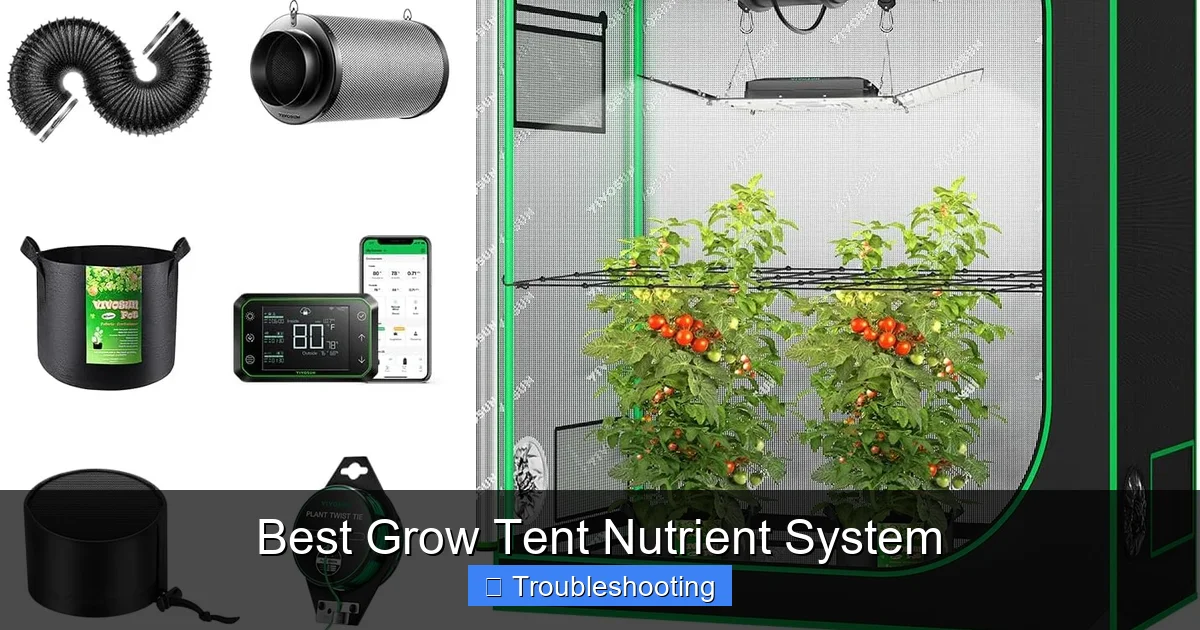
Best Grow Tent Nutrient System
Finding the best grow tent nutrient system doesn’t have to be complicated. This guide breaks down top nutrient brands, feeding schedules, and troubleshooting tips so you can grow healthy plants with confidence.
Growing indoors gives you total control. But that control comes with responsibility. You become the weather. You become the soil. And you become the nutrient delivery service. Picking the best grow tent nutrient system feels overwhelming at first. There are dozens of brands. Hundreds of bottles. And everyone on forums has a different opinion.
Relax. You don’t need a chemistry degree. You need a solid plan. This guide walks you through everything. We cover nutrient types. We compare top brands. We explain feeding schedules. And we troubleshoot the most common problems. By the end, you’ll know exactly what to buy and how to use it.
Key Takeaways
- Match nutrients to your medium: Soil, coco, and hydro each need different formulas for best results.
- Start with a complete base system: Two-part or three-part base nutrients cover all essential elements.
- Monitor pH daily: Even the best grow tent nutrient system fails if pH drifts out of range.
- Follow a feed chart: Manufacturer schedules prevent overfeeding and nutrient burn.
- Flush before harvest: Plain water for the last one to two weeks improves flavor and smoothness.
- Watch for deficiency signs: Yellow leaves, purple stems, and brown spots tell you what’s missing.
- Calibrate your tools: EC and pH meters need regular calibration for accurate readings.
Quick Answers to Common Questions
What is the best nutrient system for a beginner grow tent setup?
General Hydroponics Flora Series offers the best balance of affordability, availability, and flexibility for beginners. It works in soil, coco, and hydro with simple three-bottle mixing.
How often should I feed nutrients in a grow tent?
Feed every watering in coco and hydro. Feed every other watering in soil. Always follow your nutrient brand’s feed chart and adjust based on plant response and runoff readings.
Why are my grow tent plant leaves turning yellow at the bottom?
Yellowing bottom leaves usually indicate nitrogen deficiency or natural senescence during late flower. Check pH first, then increase base nutrient strength slightly if in vegetative growth.
Do I need to flush my plants before harvest?
Yes, flushing with plain pH’d water for one to two weeks before harvest removes excess salts, improves flavor, and produces smoother smoke. Soil needs longer flush than coco or hydro.
Can I mix different nutrient brands together?
It’s not recommended. Different brands use different chelates and ratios that can interact poorly. Stick to one complete nutrient ecosystem for consistent results and easier troubleshooting.
📑 Table of Contents
Understanding Nutrient Basics for Grow Tents
Plants need seventeen essential elements. They get carbon, hydrogen, and oxygen from air and water. The other fourteen come from nutrients. These split into two groups. Macronutrients are needed in large amounts. Micronutrients are needed in tiny amounts. Both matter equally.
Primary Macronutrients: NPK
You see three numbers on every bottle. N-P-K. Nitrogen. Phosphorus. Potassium. Nitrogen drives green leafy growth. It builds chlorophyll. It powers photosynthesis. Phosphorus fuels root development and flower formation. Potassium regulates water uptake and enzyme activation. It strengthens cell walls.
During vegetative growth, plants want high nitrogen. Lower phosphorus. Moderate potassium. A ratio like 3-1-2 works well. During flowering, nitrogen drops. Phosphorus and potassium rise. A ratio like 1-3-2 or 0-5-4 supports bud development. The best grow tent nutrient system adjusts these ratios automatically through its feed chart.
Secondary Macronutrients
Calcium, magnesium, and sulfur. These are secondary only in quantity. Not importance. Calcium builds strong cell walls. It prevents blossom end rot. It helps nutrient transport. Magnesium sits at the center of every chlorophyll molecule. No magnesium means no photosynthesis. Sulfur helps form proteins and enzymes. It contributes to terpene production.
Many base nutrients include calcium and magnesium. But not always enough. Coco coir especially needs extra cal-mag. Reverse osmosis water strips everything out. You must add it back. A good cal-mag supplement costs little and prevents major headaches.
Micronutrients: The Trace Elements
Iron, manganese, zinc, copper, boron, molybdenum, chlorine, nickel. Tiny amounts. Critical functions. Iron enables chlorophyll synthesis. Manganese helps nitrogen assimilation. Zinc regulates growth hormones. Copper activates enzymes. Boron builds cell walls. Molybdenum converts nitrate to ammonia.
Deficiencies show up as distinct patterns. Interveinal chlorosis means iron or manganese. Twisted new growth means zinc or copper. Death of growing tips means boron. Most quality nutrient lines include a full micronutrient package. Chelated forms stay available across wider pH ranges.
Mobile vs Immobile Nutrients
This concept changes how you diagnose problems. Mobile nutrients move inside the plant. Nitrogen, phosphorus, potassium, magnesium. Deficiencies show on old leaves first. The plant cannibalizes lower growth to save new growth. Immobile nutrients stay where they land. Calcium, boron, sulfur, iron, copper. Deficiencies show on new growth first. The plant cannot relocate them.
Knowing this saves time. Yellow bottom leaves? Probably nitrogen or magnesium. Pale twisted top leaves? Probably calcium or iron. This distinction helps you pick the right fix fast.
Choosing the Right Nutrient System Type
Not all nutrients work in all setups. Your growing medium dictates your options. The best grow tent nutrient system for soil differs from the best for deep water culture. Match the system to your medium.
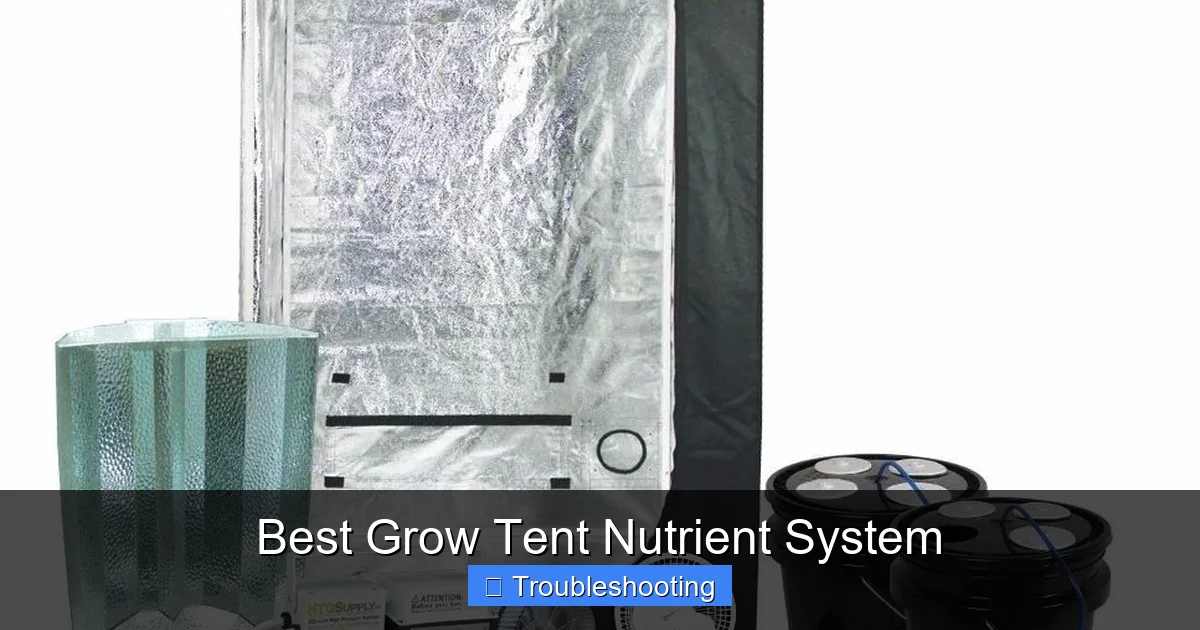
Visual guide about Best Grow Tent Nutrient System
Image source: anzadelamoflorist.com
Soil and Organic Systems
Soil contains organic matter. Microbes break it down. Nutrients release slowly. You feed the soil life. The soil life feeds the plant. Organic nutrients come from natural sources. Kelp. Fish emulsion. Bat guano. Worm castings. Bone meal. Blood meal. They smell earthy. They build long-term soil health.
Bottled organics offer convenience. Brands like Fox Farm, General Organics, and Biobizz make complete lines. They work well in fabric pots with quality super soil. They forgive pH mistakes better than synthetics. But they can clog drip lines. They attract fungus gnats if overwatered. They cost more per gallon of mixed solution.
Coco Coir Systems
Coco is inert. It holds water like soil. It breathes like hydro. It has no nutrients. You control everything. But cation exchange sites bind calcium and magnesium. You must supplement cal-mag every feeding. Coco-specific nutrient lines account for this. They run higher calcium. They buffer the medium.
Canna Coco. House & Garden Coco. Advanced Nutrients pH Perfect for coco. These formulate for coco’s unique chemistry. They prevent the calcium lockout that ruins coco grows. Feed daily with runoff. Keep EC stable. Coco rewards precision.
Hydroponic and Synthetic Systems
Hydro means inert medium or no medium. Rockwool. Clay pebbles. NFT channels. Deep water culture. Aeroponics. Roots sit in nutrient solution. No buffer. No microbes. Pure mineral salts. Synthetic nutrients dissolve instantly. They offer total control. They push maximum growth rates.
Two-part base nutrients dominate hydro. Part A contains calcium and nitrogen. Part B contains phosphorus, potassium, and sulfur. They separate to prevent precipitation. Mix equal parts. Add supplements. Adjust pH. That’s it. General Hydroponics Flora Series. Athena Pro Line. Mills. These deliver consistent results.
Mineral vs Organic: The Real Difference
Mineral nutrients are refined salts. Plants absorb them immediately. Organic nutrients need microbial digestion. Mineral acts fast. Organic acts slow. Mineral leaves salt buildup. Organic builds soil life. Mineral suits hydro. Organic suits soil. You can blend approaches. Many coco growers use mineral base with organic supplements.
Don’t get dogmatic. Plants don’t care about philosophy. They care about available ions. The best grow tent nutrient system delivers those ions reliably. Choose based on your medium, your schedule, and your comfort level.
Top Nutrient Systems for Different Growing Styles
Brand loyalty runs deep in growing communities. But data matters more. Here are proven systems organized by growing style. Each has thousands of successful grows behind it.
Best All-Around: General Hydroponics Flora Series
Three bottles. FloraGro. FloraBloom. FloraMicro. This system defined modern hydroponics. It works in soil, coco, and hydro. The ratios adjust for any growth stage. It’s affordable. It’s available everywhere. It’s pH stable. Beginners love the simplicity. Experts love the flexibility.
Add Calimagic for calcium-magnesium. Add Floralicious Plus for organic boosters. Follow the Lucas formula for simplified feeding. Three parts become two. Less measuring. Same results. This remains the gold standard for a reason.
Best for Simplicity: Advanced Nutrients pH Perfect
Two-part base. Sensi Grow A&B. Sensi Bloom A&B. The pH Perfect technology buffers solution between 5.5 and 6.5. No pH pen needed. No pH up or down. It works. Thousands of growers verify this. The line includes targeted supplements. Bud Ignitor. Big Bud. Overdrive. Each hits a specific flowering window.
Cost runs higher. But you save on pH supplies. You save on time. You save on mistakes. For busy growers or beginners, this system removes the biggest variable. pH drift kills more grows than bad genetics.
Best for Coco: Canna Coco A&B + PK 13/14
Canna built their reputation on coco. Their two-part base balances calcium perfectly. Their PK 13/14 boost hits mid-flower hard. Their Cannazym breaks down dead roots. Their Rhizotonic stimulates new roots. The line works as a complete ecosystem.
Feed charts are precise. Runoff targets are clear. Canna users report consistent quality. The Dutch manufacturing standards show. Price sits mid-range. Value sits high.
Best Professional Grade: Athena Pro Line
Commercial cultivators trust Athena. Pro Core. Pro Grow. Pro Bloom. Pro Balance. These are dry soluble powders. Mix stock solutions. Dilute to working strength. Extremely concentrated. Extremely consistent. Batch testing ensures every bag matches specs.
Designed for automated dosing systems. Works great for hand mixing too. Clean burn. Heavy yields. Terpene preservation. The learning curve is steeper. But the ceiling is higher. Serious growers graduate to this level.
Best Organic: BuildASoil or Gaia Green
BuildASoil crafts living soil systems. Their amendments feed microbes. Microbes feed plants. Top dress every few weeks. Water only. No liquid mixing. No pH pens. No EC meters. Nature handles the chemistry.
Gaia Green offers dry organic meals. All-purpose 4-4-4. Power Bloom 2-8-4. Glacial rock dust. Gypsum. Simple. Effective. Canadian made. Certified organic. These systems shine in large fabric pots with diverse biology.
Best Budget: Masterblend 4-18-38
Three dry bags. Masterblend tomato formula. Calcium nitrate. Magnesium sulfate. Mix your own. Costs pennies per gallon. Used by commercial lettuce and tomato operations worldwide. Works for cannabis too. Adjust ratios for veg and flower.
Requires a good scale. Requires understanding PPM. No hand-holding. No marketing fluff. Just raw nutrition. The ultimate DIY system for analytical growers.
Common Nutrient Problems and How to Fix Them
Even the best grow tent nutrient system fails if misused. Problems appear fast in controlled environments. Catch them early. Fix them fast. Save your harvest.
Nutrient Burn: Too Much Love
Leaf tips turn brown and crispy. Edges curl down. Dark green leaves get darker. Growth slows. Roots turn brown and slimy. EC runs high. This is overfeeding. Plain and simple.
Fix: Flush with plain pH’d water. Run three times pot volume through. Resume feeding at half strength. Increase gradually. Watch new growth. Burned leaves won’t recover. New leaves should look clean.
Nitrogen Deficiency: The Classic Fade
Old leaves yellow from tips inward. Yellow moves up the plant. Stems turn purple. Growth stalls. Buds stay small. Mobile nutrient. Plant steals from bottom to feed top.
Fix: Increase base nutrient strength. Check pH. Nitrogen locks out below 5.5 and above 7.0. Add cal-mag if using RO water. New growth greens up in three to five days.
Calcium Deficiency: The Silent Killer
New growth twists. Leaf margins brown and crisp. Brown spots with yellow halos. Roots get slimy. Buds rot from inside. Immobile nutrient. Cannot move. Coco and hydro show this fast.
Fix: Add cal-mag immediately. Check pH. Calcium locks out below 6.0. Raise to 6.2-6.5. Increase airflow. Transpiration moves calcium. Foliar spray calcium chloride for emergency rescue.
Magnesium Deficiency: The Interveinal Fade
Old leaves yellow between veins. Veins stay green. Rust spots appear. Leaves curl up and die. Mobile nutrient. Shows low on plant first. Common in coco. Common with LED lights.
Fix: Epsom salts. One teaspoon per gallon. Or cal-mag supplement. Check pH. Magnesium locks out below 6.0. Foliar spray magnesium sulfate works fast. New growth stops showing symptoms.
Iron Deficiency: The Bright Yellow Top
New leaves turn bright yellow. Veins stay dark green. Extreme contrast. Immobile nutrient. Shows at top first. High pH is usually the culprit. Iron precipitates above 6.5.
Fix: Lower pH to 5.8-6.0. Foliar spray chelated iron. Add iron supplement to reservoir. Check water alkalinity. High bicarbonate water needs acid injection. New growth greens in days.
Phosphorus Deficiency: The Dark Purple
Old leaves turn dark blue-green. Purple stems and petioles. Brown necrotic spots. Slow growth. Small buds. Mobile nutrient. Cold temperatures make it worse. Roots can’t uptake in cold.
Fix: Raise root zone temperature. Check pH. Phosphorus locks out below 5.5 and above 7.0. Increase bloom formula. Add PK booster. Don’t confuse with genetics. Some strains purple naturally.
Potassium Deficiency: The Edge Burn
Leaf edges yellow then brown. Tips curl. Brown spots between veins. Stems weaken. Buds don’t swell. Mobile nutrient. Shows on older leaves first. High nitrogen can induce false potassium deficiency.
Fix: Reduce nitrogen. Increase potassium. Check pH. Potassium locks out below 5.5. Add potassium sulfate or bloom booster. Support heavy branches. Watch for recovery in new growth.
pH Drift: The Root Cause
Most “nutrient problems” are pH problems. Nutrients exist in solution. But roots only absorb at certain pH. Soil: 6.0-7.0. Coco: 5.8-6.2. Hydro: 5.5-6.0. Outside these ranges, elements precipitate. Roots starve amid plenty.
Fix: Calibrate pen. Test every feeding. Adjust before watering. Use pH stable nutrients. Buffer coco with cal-mag. Let tap water sit twenty-four hours. Measure runoff. Adjust next feed based on runoff pH.
Salt Buildup: The Slow Strangle
White crust on medium surface. High runoff EC. Stunted growth. Nutrient lockout. Synthetic salts accumulate. Organic salts too. Plants can’t drink. Roots burn.
Fix: Flush weekly. Plain water. Double pot volume. Check runoff EC. Target near input EC. Use enzymes to break down salts. Rotate plain water feeds. Prevent beats cure.
Feeding Schedules and Best Practices
A feeding schedule turns guesswork into routine. The best grow tent nutrient system includes a chart. Follow it. Then adjust. Consistency beats intensity.
Reading Feed Charts Correctly
Charts show week-by-week targets. EC or PPM. Milliliters per gallon or liter. Growth stage columns. Vegetative weeks one through four. Flowering weeks one through eight or nine. Some charts assume clones. Others assume seedlings. Adjust week one for your start point.
Charts give maximums. Start at fifty percent. Work up. Watch plants. Dark green leaves? Back off. Light green? Push up. The chart is a map. Your plants are the terrain. Navigate both.
Vegetative Feeding Strategy
Week one: Quarter strength. Root establishment. Week two: Half strength. First true leaves expanding. Week three: Three-quarter strength. Rapid leaf production. Week four: Full strength. Pre-flip bulk up. Nitrogen high. Phosphorus low. Potassium moderate.
Top dress dry amendments at week three if using organics. Water with teas weekly. Keep EC low. One point zero to one point five. Runoff should match. Stretch before flip. Don’t overfeed.
Flowering Feeding Strategy
Week one to two: Transition. Stretch continues. Nitrogen tapering. Phosphorus rising. Week three to four: Early bloom. Pistils everywhere. PK boost starts. Week five to six: Mid bloom. Buds stacking. Peak PK demand. Week seven to eight: Late bloom. Swelling. Ripening. Nitrogen near zero. Week nine: Flush. Plain water.
EC peaks at mid-bloom. Two point zero to two point five for hydro. One point five to two point zero for coco. One point zero to one point five for soil. Then drop fast. Flush hard.
The Art of the Flush
Final one to two weeks. Plain pH’d water. No nutrients. No supplements. Run high volume. Three to five times pot volume each watering. Runoff EC drops toward zero. Leaves fade. Yellow. Purple. This is good. Chlorophyll breaks down. Sugars concentrate. Terpenes preserve.
Soil flushes longer. Two weeks minimum. Coco flushes one week. Hydro flushes three to five days. Don’t skip. Harsh smoke comes from unflushed buds. Smooth smoke comes from patience.
Supplements: When and Why
Base nutrients cover essentials. Supplements target specifics. Root stimulators early. Silica throughout. PK boosters mid-bloom. Carbohydrates late bloom. Enzymes continuous. Terpene enhancers final weeks.
Don’t stack five brands. Interactions get weird. Pick one ecosystem. General Hydroponics has Diamond Nectar, KoolBloom, Floralicious. Advanced Nutrients has Voodoo Juice, Big Bud, Overdrive. Canna has Rhizotonic, Cannazym, PK 13/14. Stay in your lane.
Reservoir Management for Hydro
Change weekly. Top off daily with plain pH’d water. EC rises as plants drink water faster than nutrients. Topping off dilutes. Full change resets. Clean reservoir. Scrub walls. Rinse stones. Fresh solution.
Run chiller. Sixty-eight degrees Fahrenheit. Warm water holds less oxygen. Pythium loves warm. Cold water shocks roots. Seventy-two max. Sixty-five min. Consistency matters.
Advanced Tips for Maximum Yields
Basics get you harvest. Advanced gets you prize harvest. These techniques separate good from great. The best grow tent nutrient system shines with skilled hands.
EC Steering: Crop Steering Basics
High EC stresses plants. Generative response. More flowers. Less leaves. Low EC relaxes plants. Vegetative response. More leaves. Less flowers. Steer by adjusting EC and shot frequency.
Veg: Low EC. High frequency. Small shots. Steady growth. Early flower: Rising EC. Medium frequency. Transition. Mid flower: Peak EC. Low frequency. Large shots. Generative push. Late flower: Dropping EC. Flush. Ripen.
Dry Backs: The Oxygen Trick
Let medium dry between feeds. Not bone dry. Just light. Roots chase moisture. They grow. They branch. They oxygenate. Wet feet rot. Dry feet breathe. Coco loves this. Rockwool needs this. Soil tolerates this.
Weigh pots. Learn wet weight. Learn dry weight. Feed at fifty percent dry back. Adjust for stage. Veg dries faster. Flower dries slower. Watch leaves. Slight droop before lights on means perfect timing.
Foliar Feeding: The Backdoor Entry
Leaves absorb nutrients. Stomata open. Cuticle permeable. Foliar bypasses root issues. Fast correction. Calcium. Magnesium. Iron. Potassium. Silica. Spray lights off. Wet top and bottom. Don’t drench flowers.
Weekly silica spray strengthens cell walls. Prevents powdery mildew. Reduces heat stress. Calcium spray fixes tip burn fast. Iron spray greens tops in hours. Foliar supplements. Never replaces root feeding.
Beneficial Biology: The Invisible Army
Mycorrhizae. Trichoderma. Bacillus. Pseudomonas. These microbes unlock nutrients. They protect roots. They produce hormones. They extend root reach. Inoculate early. Feed with carbohydrates. Molasses. Hydrolyzed fish. Humic acid.
Works in soil. Works in coco. Even hydro benefits. Add to reservoir. Or root drench. Great White. Recharge. Mammoth P. Photosynthesis Plus. Pick one. Use consistently. Living roots outperform sterile roots.
Water Quality: The Hidden Variable
Tap water varies. Hard water adds calcium. High pH. Chlorine kills microbes. Chloramine persists. Well water has iron. Sulfur. Bacteria. RO strips everything. Pure canvas. But needs rebuilding.
Test your water. GH. KH. PPM. pH. Adjust nutrient choice. Hard water formulas reduce calcium. RO formulas add everything. Dechlorinate. Bubble twenty-four hours. Or vitamin C. Or campden tablets. Know your water. Master your grow.
Environmental Synergy: Nutrients Need Climate
VPD drives transpiration. Transpiration moves nutrients. Low VPD. Slow uptake. High VPD. Fast uptake. Match feeding to environment. High light. High CO2. High feed. Low light. Low CO2. Low feed.
Temperature affects solubility. Oxygen. Microbe activity. Humidity affects transpiration. Calcium moves with water. No transpiration. No calcium. No transpiration. No potassium. Climate control is nutrient control.
Record Keeping: Your Best Tool
Log every feed. Date. Week. EC in. EC out. pH in. pH out. Volume. Supplements. Observations. Photos. Patterns emerge. Mistakes repeat less. Success repeats more. Next run improves.
Simple spreadsheet. Notebook. App. Doesn’t matter. Consistency matters. Year one data guides year two. Year five data writes the book. The best growers keep the best notes.
Conclusion
Choosing the best grow tent nutrient system starts with honesty. Honest about your medium. Your experience. Your budget. Your time. A complex system you misuse fails. A simple system you master succeeds.
Start with a proven base. General Hydroponics Flora Series. Advanced Nutrients pH Perfect. Canna. Athena. Follow the chart. Watch your plants. Measure everything. Adjust slowly. Flush thoroughly. Keep records.
Problems will come. They always do. Burn. Deficiency. Lockout. pH drift. Salt buildup. Now you know the signs. Now you know the fixes. You have a framework. You have a plan.
Growing is a conversation. You feed. Plants respond. You listen. You adjust. The nutrients are just words. The harvest is the story. Make it a good one.
Frequently Asked Questions
What NPK ratio should I use for vegetative growth in a grow tent?
Use a high nitrogen ratio like 3-1-2 or 4-2-3 during vegetative growth. This promotes leafy green development and strong stem structure before switching to bloom formulas.
How do I fix nutrient lockout in my grow tent?
Flush the medium with three times the pot volume of plain pH’d water, then resume feeding at half strength with corrected pH. Check and calibrate your pH and EC meters first.
Is cal-mag necessary for every grow tent setup?
Cal-mag is essential for coco coir, reverse osmosis water, and LED grows. Soil with tap water may not need it. Watch for calcium and magnesium deficiency signs on new growth.
What EC should I maintain for flowering plants in a grow tent?
Target 1.5-2.5 EC during peak flowering depending on your medium. Hydro runs higher (2.0-2.5), coco medium (1.8-2.2), soil lower (1.2-1.8). Always measure runoff to confirm.
Why do my nutrient solution pH levels keep drifting?
pH drift comes from plant nutrient uptake, media buffering, and water alkalinity. Check runoff pH daily, use pH-stable nutrients, and adjust feed solution pH based on runoff trends.
Can I reuse soil in my grow tent for the next cycle?
Yes, amend used soil with compost, worm castings, and dry amendments. Remove root balls, let rest two weeks, then re-amend. Test pH and EC before planting. Avoid reusing if disease occurred.