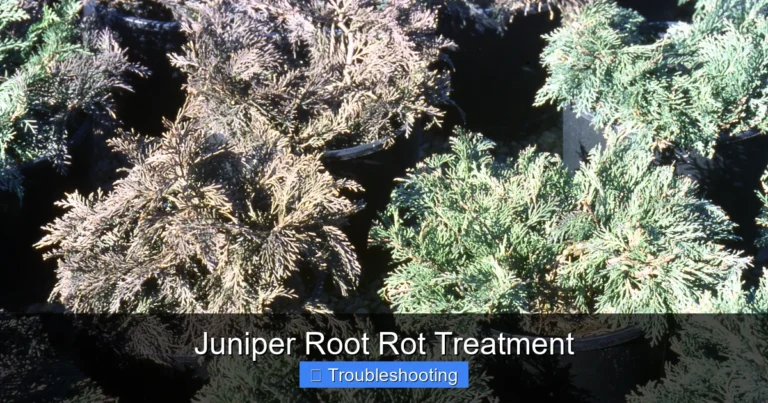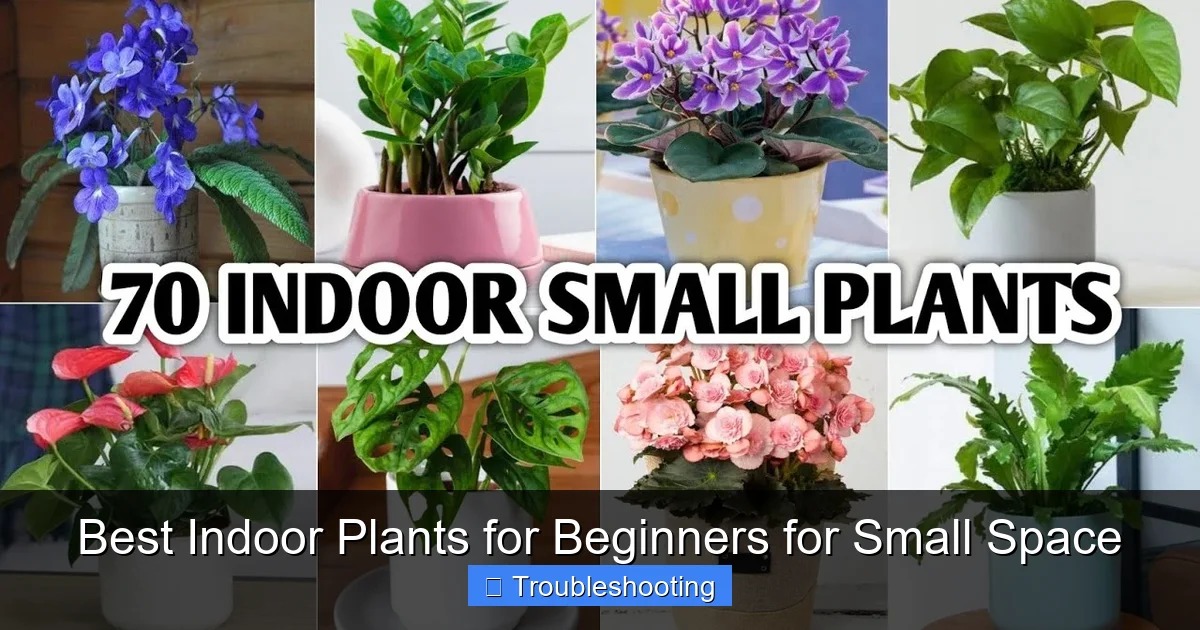
Best Indoor Plants for Beginners for Small Space
Finding the best indoor plants for beginners for small space doesn’t have to be overwhelming. This guide covers ten foolproof plants that tolerate low light, irregular watering, and tight quarters. You will learn exactly which varieties match your lifestyle and how to keep them thriving year-round.
Starting an indoor garden in a tiny apartment can feel intimidating. You might worry about killing every green thing you bring home. You might think you need a sun-drenched loft to keep plants alive. The truth is much simpler. Many beautiful houseplants actually prefer the conditions found in small spaces. Low light, stable temperatures, and limited floor area are not deal-breakers. They are just parameters to work within.
This guide walks you through the best indoor plants for beginners for small space living. We focus on varieties that forgive mistakes. We highlight plants that grow up, not out. We share practical tips for watering, lighting, and troubleshooting common issues. By the end, you will have a clear shopping list and the confidence to keep your new leafy friends thriving.
Key Takeaways
- Snake plants and ZZ plants are nearly indestructible: They survive weeks without water and thrive in low-light corners.
- Pothos and philodendrons grow fast in hanging baskets: Their trailing vines add vertical interest without using floor space.
- Succulents need bright light but little water: Perfect for sunny windowsills in compact kitchens or bathrooms.
- Peace lilies signal when they need water: Their dramatic droop makes them ideal for forgetful beginners.
- Spider plants produce babies you can propagate: One plant becomes many for free, filling shelves over time.
- Choose pots with drainage holes and saucers: This prevents root rot, the number one killer of indoor plants.
- Group plants with similar needs together: It simplifies care routines and creates a mini humidity zone.
Quick Answers to Common Questions
What is the absolute easiest plant for a total beginner in a dark apartment?
The snake plant is the top choice. It survives low light, irregular watering, and neglect better than almost any other houseplant.
How do I know if my small space has enough light for plants?
Observe the area at noon on a sunny day. If you can read a book comfortably without artificial light, you have bright indirect light. If it feels dim, choose low-light plants like ZZ plant or cast iron plant.
Can I keep plants alive if I travel frequently?
Yes. Choose drought-tolerant succulents like jade plant or haworthia, or tough tropicals like snake plant and ZZ plant. They easily survive two to three weeks without water.
What causes brown tips on spider plants and how do I fix it?
Brown tips usually come from low humidity, fluoride in tap water, or inconsistent watering. Use filtered water, increase humidity, and water evenly. Trim brown tips for appearance.
Are there any pet-safe plants on this list?
Spider plants, haworthias, cast iron plants, and air plants are non-toxic to cats and dogs. Avoid peace lilies, pothos, philodendrons, ZZ plants, and jade plants if pets might chew them.
📑 Table of Contents
- Why Small Spaces Need Special Plant Picks
- Top Ten Plants That Thrive in Tight Quarters
- Matching Plants to Your Specific Conditions
- Essential Care Fundamentals for Small Space Success
- Troubleshooting Common Small Space Plant Problems
- Creative Display Ideas for Maximum Impact
- Building Your Collection Gradually
- Seasonal Adjustments for Year-Round Health
- Conclusion
Why Small Spaces Need Special Plant Picks
Not every houseplant suits a compact home. Large floor specimens like fiddle leaf figs or monsteras quickly outgrow a studio apartment. Fast-spreading plants can take over a bookshelf in weeks. High-humidity lovers like calatheas may crisp up in dry, heated rooms. The best indoor plants for beginners for small space share three key traits. They stay naturally compact or respond well to pruning. They tolerate lower light levels found away from windows. They handle occasional neglect without dying.
Light is usually the biggest constraint. Small apartments often have few windows. Those windows may face north or be shaded by neighboring buildings. Many beginners overestimate how much light their space receives. A spot that looks bright to human eyes may be too dim for a sun-loving succulent. Choosing shade-tolerant species prevents the leggy, pale growth that signals light starvation. It also saves you from constantly rotating plants to chase the sun.
Airflow and humidity present another challenge. Small spaces can become stagnant, especially in winter when windows stay closed. Heating systems dry the air, stressing tropical plants. Grouping plants together creates a localized humidity bubble. A small humidifier or pebble tray helps too. But the easiest solution is picking plants that tolerate dry air. Snake plants, ZZ plants, and pothos all shrug off low humidity. They keep looking good even when you forget to mist them.
Top Ten Plants That Thrive in Tight Quarters
Snake Plant (Sansevieria)
The snake plant tops almost every list of the best indoor plants for beginners for small space. Its stiff, upright leaves grow vertically, taking up almost zero horizontal room. You can tuck a tall specimen into a narrow corner behind a chair. Shorter varieties like ‘Bird’s Nest’ fit on a desk or bathroom counter. Snake plants survive weeks without water. They prefer to dry out completely between drinks. Overwatering is the only reliable way to kill them. They tolerate low light but grow faster in bright indirect light. Wipe the leaves occasionally with a damp cloth to keep them dust-free and photosynthesizing efficiently.
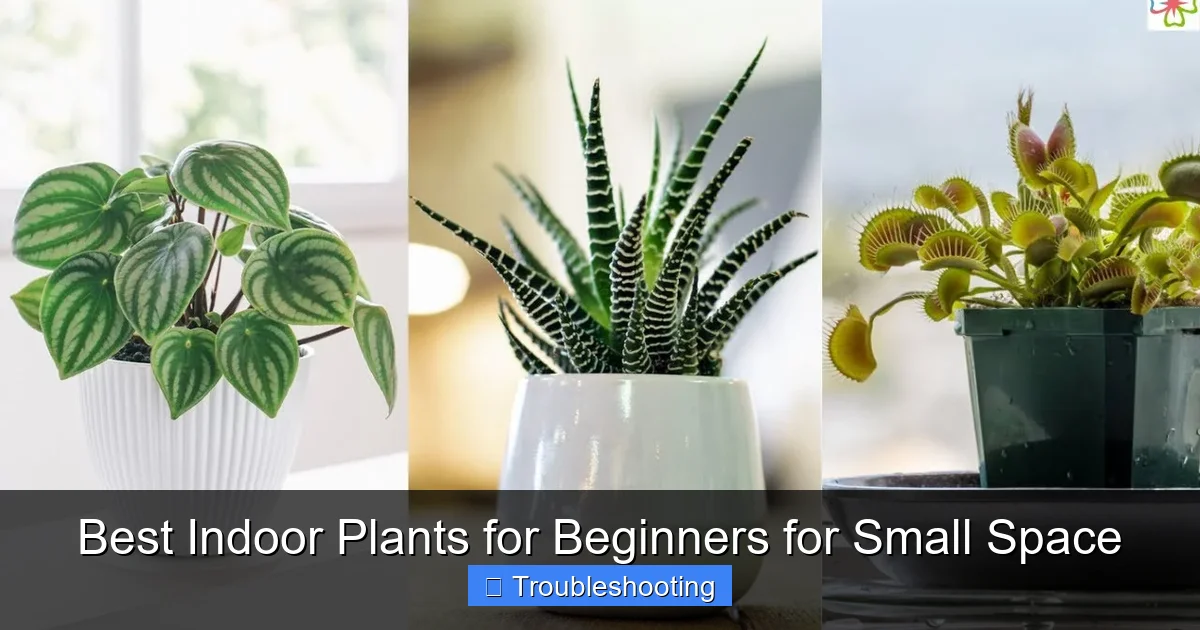
Visual guide about Best Indoor Plants for Beginners for Small Space
Image source: i.ytimg.com
ZZ Plant (Zamioculcas zamiifolia)
The ZZ plant is a close rival for the most indestructible houseplant. Its glossy, dark green leaves grow on thick, wand-like stems that store water. This built-in reservoir lets the plant survive a month or more without attention. ZZ plants thrive in low-light offices and windowless bathrooms. They grow slowly, so they rarely outgrow their spot. Like snake plants, they hate soggy soil. Use a well-draining cactus mix and a pot with drainage holes. Water only when the soil is bone dry several inches down. The ZZ plant’s architectural form adds modern style to any small space.
Pothos (Epipremnum aureum)
Pothos earns its nickname “devil’s ivy” by refusing to die. Its heart-shaped leaves trail gracefully from hanging baskets or high shelves. This vertical habit makes it perfect for small floor plans. You get lush greenery without sacrificing precious square footage. Pothos tolerates low light, though variegated varieties need brighter conditions to keep their patterns. Water when the top inch of soil feels dry. Cuttings root easily in water, letting you create new plants for free. Golden pothos, marble queen, and neon pothos offer color variety for every aesthetic.
Heartleaf Philodendron (Philodendron hederaceum)
Often confused with pothos, the heartleaf philodendron has thinner, more delicate leaves and a softer look. It trails just as eagerly, making it another excellent choice for vertical gardening. This plant handles low light better than most philodendrons. It also tolerates irregular watering. Pinch back leggy stems to encourage bushier growth. The cuttings root in water within weeks. Heartleaf philodendron looks stunning cascading from a macrame hanger near a window. Its romantic vibe softens harsh apartment lines.
Spider Plant (Chlorophytum comosum)
Spider plants bring playful energy to small spaces. Their arching, striped leaves form a fountain of green. Mature plants send out long stems dotted with baby plantlets. These “spiderettes” can be snipped off and potted up instantly. One plant becomes a whole collection within a year. Spider plants prefer bright indirect light but adapt to medium light. They like evenly moist soil but forgive occasional drying out. Brown leaf tips usually signal fluoride sensitivity or low humidity. Use filtered water and group with other plants to boost moisture.
Peace Lily (Spathiphyllum)
Peace lilies are famous for their dramatic thirst signals. When dry, the entire plant collapses in a theatrical faint. A thorough drink perks it up within hours. This visual cue makes peace lilies ideal for beginners who struggle with watering schedules. They bloom white spathes periodically, even in low light. Compact varieties like ‘Petite’ or ‘Domino’ stay under eighteen inches tall. Peace lilies appreciate higher humidity, so they thrive in bathrooms or kitchens. Keep them away from cold drafts and hot radiators.
Cast Iron Plant (Aspidistra elatior)
True to its name, the cast iron plant survives neglect, low light, temperature swings, and poor air quality. Its broad, dark green leaves rise directly from the soil in a tidy clump. It grows slowly, rarely needing repotting. Cast iron plants are perfect for that dim hallway or north-facing window where nothing else grows. Water when the top half of soil dries out. Dust the large leaves monthly to maintain their shine. This Victorian-era favorite adds timeless elegance to modern micro-apartments.
Jade Plant (Crassula ovata)
Jade plants bring a touch of bonsai aesthetics to small spaces. Their thick, oval leaves store water, making them drought-tolerant succulents. They need bright light, ideally a few hours of direct sun. A south or west windowsill works perfectly. Jade plants grow into miniature trees over time, developing thick, woody trunks. Prune them to maintain a compact shape. Use a gritty, fast-draining soil mix. Water deeply but infrequently, letting the soil dry completely. A happy jade plant may even bloom tiny white flowers in winter.
Haworthia (Haworthia spp.)
Haworthias are tiny succulents that form rosettes of fleshy, often translucent leaves. They stay small, rarely exceeding six inches tall and wide. This makes them ideal for crowded windowsills, desks, or terrariums. Haworthias tolerate lower light than most succulents. They prefer bright indirect light but handle medium light well. Water sparingly, only when the soil is completely dry. Their architectural forms and varied textures create living sculptures. Popular varieties include zebra plant (H. fasciata) and window haworthia (H. cooperi).
Air Plants (Tillandsia spp.)
Air plants require no soil at all. They absorb water and nutrients through their leaves. This opens endless creative display options for small spaces. Glue them to driftwood, tuck them into seashells, or hang them in glass globes. Air plants need bright indirect light and good air circulation. Soak them in room-temperature water for twenty minutes weekly. Shake off excess water and let them dry upside down. In dry climates, mist between soakings. Their alien-like shapes add instant conversation pieces to any room.
Matching Plants to Your Specific Conditions
Assessing Your Light Honestly
Before buying, spend a day observing your space. Note which areas get direct sun, bright indirect light, medium light, or low light. Direct sun means sunbeams hit the floor or sill. Bright indirect light is near a window but out of the sun’s path. Medium light is several feet from a window or near a north-facing window. Low light is far from windows or in interior rooms. Match plants to these zones. Snake plants, ZZ plants, and cast iron plants handle low light. Pothos, philodendrons, and peace lilies prefer medium to bright indirect. Jade plants and haworthias need bright light with some direct sun.
Evaluating Your Watering Habits
Be honest about your routine. Do you check plants weekly? Monthly? Only when you remember? If you travel often or forget easily, choose drought-tolerant species. Snake plants, ZZ plants, jade plants, and haworthias prefer neglect. If you enjoy a weekly care ritual, peace lilies, spider plants, and pothos respond well to regular attention. Air plants need a weekly soak, which can become a pleasant Sunday habit. Matching plants to your actual behavior prevents guilt and plant loss.
Considering Pet and Child Safety
Many popular houseplants are toxic if ingested. Peace lilies, pothos, philodendrons, ZZ plants, and jade plants can cause irritation or vomiting in cats, dogs, and curious toddlers. If you have pets or small children, prioritize non-toxic options. Spider plants, haworthias, cast iron plants, and air plants are generally safe. Always research specific varieties before buying. Place toxic plants on high shelves or in hanging baskets out of reach. Better yet, stick to pet-safe selections for total peace of mind.
Essential Care Fundamentals for Small Space Success
Potting and Soil Choices
Never use garden soil for indoor plants. It compacts, drains poorly, and may harbor pests. Buy a quality potting mix suited to your plant type. General houseplant mix works for most tropicals. Cactus and succulent mix provides the fast drainage that jade plants and haworthias need. For epiphytes like air plants, no soil is needed. Always choose pots with drainage holes. Cachepots (decorative outer pots without holes) are fine if you keep the plant in a nursery pot inside. Empty excess water from cachepots after watering to prevent root rot.
Watering Techniques That Prevent Problems
Overwatering kills more houseplants than underwatering. The finger test is your best tool. Stick your finger two inches into the soil. If it feels dry at your fingertip, water. If it feels moist, wait. Water thoroughly until it runs out the drainage holes. This ensures the entire root ball gets moistened. Discard water that collects in saucers. Never let plants sit in standing water. In winter, reduce frequency as growth slows. Use room-temperature water. Cold water shocks tropical roots. If your tap water is heavily chlorinated or fluoridated, let it sit overnight or use filtered water for sensitive plants like spider plants and calatheas.
Fertilizing Without Overdoing It
Indoor plants need less fertilizer than outdoor ones. They grow slower in limited light. Feed only during active growth (spring through early fall). Use a balanced, water-soluble fertilizer diluted to half strength. Apply once a month. Skip fertilizer in winter unless the plant is actively growing under grow lights. Over-fertilizing causes salt buildup, visible as white crust on soil or pot rims. Flush the soil occasionally by running water through for several minutes. This prevents root burn and keeps plants healthy.
Humidity Hacks for Dry Apartments
Heated apartments can drop below twenty percent humidity in winter. Most tropical plants prefer forty to sixty percent. Grouping plants creates a microclimate. As they transpire, they raise local humidity. Pebble trays work well. Fill a shallow tray with pebbles, add water to just below the pebble tops, and set plants on top. The water evaporates upward. A small desktop humidifier benefits both plants and people. Misting provides only temporary relief and can promote fungal issues if leaves stay wet too long. Focus on raising ambient humidity instead.
Troubleshooting Common Small Space Plant Problems
Leggy, Stretched Growth
Long, weak stems with wide gaps between leaves indicate insufficient light. The plant is reaching for the sun. Move it closer to a window or add a grow light. Rotate the pot weekly for even exposure. Prune back leggy stems to encourage bushier growth. Cuttings from pothos, philodendrons, and spider plants root easily for new plants. If a spot is permanently dim, swap in a more shade-tolerant species like a snake plant or ZZ plant.
Yellowing Leaves
Yellow leaves have many causes. Overwatering is the most common. Check soil moisture and drainage. Underwatering can also yellow leaves, usually starting with oldest leaves first. Nutrient deficiency, especially nitrogen, causes pale yellow new growth. Fertilize lightly if you haven’t recently. Natural aging yellows the lowest leaves occasionally. Simply snip them off. Pests like spider mites cause stippled yellowing. Inspect leaf undersides for tiny dots and webbing. Treat with insecticidal soap or neem oil.
Brown Leaf Tips and Edges
Crispy brown tips usually signal low humidity, inconsistent watering, or fertilizer salt buildup. Increase humidity with grouping, pebble trays, or a humidifier. Water consistently, never letting soil go bone dry then flooding it. Flush soil monthly to remove salts. Trim brown tips with clean scissors, following the leaf’s natural shape. Avoid cutting into green tissue. Some plants like spider plants and dracaenas are naturally prone to tip burn. It’s cosmetic, not fatal.
Pests in Close Quarters
Small spaces can amplify pest problems. Plants packed tightly share bugs easily. Inspect new plants thoroughly before introducing them. Quarantine for two weeks if possible. Common pests include fungus gnats, spider mites, mealybugs, and scale. Fungus gnats thrive in constantly moist soil. Let the top inch dry out between waterings. Yellow sticky traps catch adults. Spider mites love dry, dusty conditions. Wipe leaves regularly and increase humidity. Mealybugs and scale hide in leaf axils and on stems. Dab with alcohol-soaked cotton swabs. Repeat weekly until gone.
Root Rot Rescue
Mushy, black roots and a foul smell mean root rot. This fungal disease stems from chronic overwatering. Unpot the plant. Rinse roots gently. Trim away all black, mushy roots with sterile scissors. Repot in fresh, well-draining soil in a clean pot with drainage. Water sparingly until new growth appears. If rot is extensive, take cuttings from healthy stems and root them instead. Prevention is easier than cure. Always check soil moisture before watering.
Creative Display Ideas for Maximum Impact
Vertical Gardens Save Floor Space
Walls are empty canvas in small apartments. Install floating shelves at varying heights. Create a living wall with a modular pocket system. Hang macrame planters from ceiling hooks. Use a tension rod in a window to hang lightweight pots. Vertical displays draw the eye upward, making ceilings feel higher. They also keep plants away from pets and toddlers. Mix trailing plants like pothos with upright ones like snake plants for visual rhythm.
Windowsill Gardens for Sun Lovers
Deep windowsills are prime real estate. Line up a collection of small succulents in matching pots for a cohesive look. Use a tiered plant stand to multiply surface area. Rotate plants weekly for even growth. In winter, pull plants back slightly from cold glass at night. South and west windows suit jade plants, haworthias, and other sun lovers. East windows work for peace lilies and spider plants. North windows host snake plants, ZZ plants, and cast iron plants.
Bathroom and Kitchen Oases
Bathrooms and kitchens offer higher humidity naturally. Peace lilies, spider plants, and air plants love these rooms. Place a small plant on the vanity or above the kitchen sink. Use waterproof saucers to protect surfaces. Hanging plants thrive near shower steam. Just ensure they get enough light. A frosted bathroom window still provides bright indirect light for many tropicals. These rooms often have limited counter space, so think vertical or hanging.
Desk and Shelf Companions
Tiny plants boost mood and productivity at workstations. A single haworthia in a cute pot fits beside a monitor. Air plants in magnetic containers attach to filing cabinets. A small pothos trails from a bookshelf. These micro-gardens need minimal care. Water them during your coffee break. They humanize sterile office corners and filter air in your immediate breathing zone.
Building Your Collection Gradually
Start with Three Easy Wins
Don’t buy ten plants at once. Start with three proven performers. A snake plant for a floor corner. A pothos for a high shelf. A haworthia for a sunny windowsill. Learn their rhythms. Observe how they respond to your care. Build confidence before expanding. Each success teaches you more than any book. You’ll develop an intuition for when plants need water, light, or repotting.
Propagate to Multiply for Free
Many beginner plants propagate effortlessly. Pothos and philodendron cuttings root in water within weeks. Spider plant babies detach and pot up instantly. Snake plant leaf sections root in soil. ZZ plant leaf cuttings work but take months. Jade plant leaves and stem cuttings root readily. Propagation lets you fill more spots without spending money. It also provides backup if a mother plant fails. Share extras with friends or swap for new varieties.
Upgrade Pots as Plants Grow
Repot when roots circle the pot bottom or emerge from drainage holes. Spring is the ideal time. Choose a pot only one to two inches larger. Too much extra soil holds water and causes rot. Refresh the potting mix. Gently loosen the root ball. Water well after repotting. Keep the plant in slightly lower light for a week to reduce stress. Stylish cachepots let you change decor without disturbing roots. Just slip the nursery pot inside.
Seasonal Adjustments for Year-Round Health
Winter Dormancy Care
Most houseplants slow down in winter. Shorter days and lower light reduce photosynthesis. Growth pauses. Water less frequently. Stop fertilizing. Move plants closer to windows if possible. Clean windows inside and out to maximize light. Keep plants away from cold drafts and hot air vents. Some leaf drop is normal. Don’t panic. Resume normal care when new growth appears in spring.
Spring Wake-Up Routine
As days lengthen, plants perk up. This is the time to repot, prune, and resume fertilizing. Check each plant for root binding. Trim dead or yellowing leaves. Wipe dust off foliage. Start half-strength fertilizer monthly. Increase watering as soil dries faster. Take cuttings for propagation. Spring energy makes roots establish quickly. It’s also the best time to buy new plants from nurseries with fresh stock.
Summer Vigilance
Summer brings intense light and heat. South and west windows may become too hot for shade plants. Sheer curtains diffuse harsh sun. Water more often as evaporation increases. Watch for pests thriving in warmth. Spider mites explode in hot, dry conditions. Increase humidity. Move heat-sensitive plants to cooler spots. Vacation watering systems or plant-sitters keep things alive while you’re away.
Fall Transition Prep
Gradually reduce watering and fertilizing as growth slows. Bring any summered-outdoor plants inside before nights drop below fifty degrees. Inspect thoroughly for hitchhiking pests. Quarantine for two weeks. Clean leaves. Adjust positions for changing light angles. Fall is a good time to take final cuttings before dormancy. Enjoy the last flush of growth before winter quiet.
Conclusion
Creating a thriving indoor garden in a small space is absolutely achievable. The secret lies in choosing the right plants for your specific conditions and habits. The best indoor plants for beginners for small space living share forgiveness, adaptability, and compact growth habits. Snake plants, ZZ plants, pothos, philodendrons, spider plants, peace lilies, cast iron plants, jade plants, haworthias, and air plants cover every light level and care style. Start small. Observe closely. Adjust as you learn. Propagate freely. Display creatively. Your tiny apartment can become a lush sanctuary one plant at a time. The joy of watching new leaves unfurl makes every bit of effort worthwhile. Happy growing.
Frequently Asked Questions
How often should I water my snake plant in a small apartment?
Water your snake plant only when the soil is completely dry, typically every two to four weeks. In winter, extend to once a month or less. Always check soil moisture with your finger before watering.
Can pothos grow in a bathroom with no window?
Pothos can survive in very low light but will grow slowly and lose variegation. A bathroom with no natural light needs a grow light for healthy growth. Consider a ZZ plant or snake plant instead for truly windowless rooms.
Why is my peace lily drooping even after I watered it?
If the soil is wet and the plant droops, root rot may be the cause. Check for mushy, black roots. Repot in fresh, well-draining soil and reduce watering. If soil is dry, the plant may be root-bound and unable to absorb water; repot into a slightly larger container.
Do air plants really live without soil?
Yes, air plants absorb water and nutrients through specialized leaf scales called trichomes. They need no soil. Soak them weekly for twenty minutes, shake dry, and provide bright indirect light and good air circulation.
What is the best way to increase humidity for tropical plants in a small heated apartment?
Group plants together to create a humidity microclimate. Use pebble trays filled with water beneath pots. Run a small humidifier nearby. Avoid misting, which only raises humidity briefly and can encourage fungal diseases.
When should I repot my beginner houseplants?
Repot in spring when you see roots circling the pot bottom or emerging from drainage holes. Choose a pot only one to two inches larger. Use fresh potting mix suited to the plant type. Water well after repotting and keep in slightly lower light for a week.