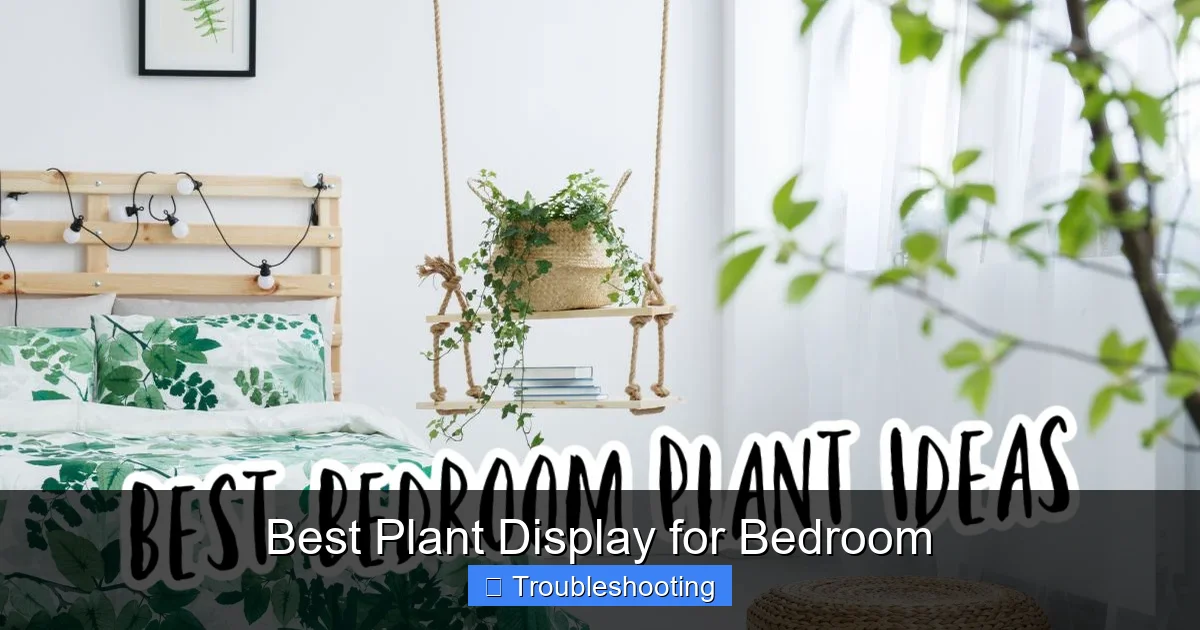
Best Plant Display for Bedroom
Transform your bedroom into a peaceful sanctuary with the best plant display for bedroom spaces that fit your style and space. Learn which plants thrive in low light, how to arrange them for maximum impact, and simple fixes for common problems like yellowing leaves or limited floor space.
You walk into your bedroom after a long day. The space feels flat. Maybe a little stale. You have seen those gorgeous plant-filled bedrooms on social media. Lush greenery spilling from shelves. A tall fiddle leaf fig in the corner. Hanging vines framing the window. You want that. But then the questions start. Which plants actually survive in a bedroom? Where do you put them when you have zero floor space? What if you kill them all in two weeks?
Finding the best plant display for bedroom spaces does not require a green thumb or a massive budget. It requires a little strategy. The right plants. The right spots. A simple routine. This guide walks you through everything. From picking plants that thrive while you sleep to creative display ideas for any room size. Plus troubleshooting tips for the most common headaches. Let us turn your bedroom into the green retreat you deserve.
Key Takeaways
- Match plants to your light: Snake plants, pothos, and ZZ plants handle low-light bedrooms beautifully while improving air quality.
- Use vertical space: Wall-mounted shelves, hanging planters, and tiered stands maximize display area without crowding your floor.
- Group by care needs: Cluster plants with similar watering and light requirements to simplify maintenance and prevent overwatering.
- Mind your sleep: Avoid strong-scented blooms near your pillow; opt for oxygen-releasing plants like aloe vera or spider plants instead.
- Rotate for even growth: Turn plants weekly so all sides get light, preventing lopsided growth and keeping displays looking full.
- Choose the right containers: Pots with drainage holes and saucers protect furniture and prevent root rot in bedroom humidity.
- Start small and scale up: Begin with two to three easy plants, then expand your display as you learn what thrives in your specific room.
Quick Answers to Common Questions
What is the absolute easiest plant for a dark bedroom?
Snake plant. It survives low light, irregular watering, and neglect better than almost any other houseplant.
How many plants do I need to purify bedroom air?
NASA suggests one medium plant per 100 square feet. For a typical bedroom, three to five plants make a measurable difference.
Can I keep plants in a bedroom with no windows?
Only with a grow light. No plant survives long-term in zero natural light. A simple LED grow light on a timer solves this completely.
Why do my bedroom plants get brown tips?
Usually low humidity from heating or AC. Group plants, use a pebble tray, or run a humidifier to fix it.
Is it bad to sleep with plants in the room?
No. Plants release far less CO2 at night than a human partner or pet. Oxygen-releasing night plants like snake plant actually improve air quality.
📑 Table of Contents
Why Your Bedroom Needs a Plant Display
Better Air Quality While You Sleep
Plants do more than look pretty. Many common houseplants filter airborne toxins. Things like formaldehyde, benzene, and trichloroethylene. These chemicals off-gas from furniture, carpets, and paint. NASA’s famous Clean Air Study confirmed this decades ago. Snake plants and peace lilies are top performers. They pull toxins from the air and release oxygen. Some, like snake plants and aloe vera, even release oxygen at night. That makes them ideal bedroom companions. You breathe cleaner air for eight straight hours.
Natural Humidity Boost
Indoor air gets dry. Especially in winter with heating running. Dry air irritates sinuses, skin, and throats. Plants release moisture through transpiration. A few good-sized plants can raise humidity in a bedroom by several percentage points. Boston ferns and areca palms are humidity champions. Grouping plants together creates a mini microclimate. You wake up less congested. Your skin feels less tight. It is a passive benefit that works while you do nothing.
Stress Reduction and Sleep Quality
Research shows indoor plants lower cortisol levels. They reduce physiological stress. The color green itself has a calming effect on the nervous system. Caring for plants gives a small sense of purpose and routine. Watering, misting, wiping leaves. These quiet moments before bed signal your brain to wind down. A bedroom with living things feels more grounded. Less sterile. That psychological comfort translates to deeper sleep for many people.
Aesthetic Warmth and Personality
Bedrooms often end up purely functional. Bed. Dresser. Nightstand. Maybe a chair. Plants add organic shape and texture. They break up hard lines. A trailing pothos softens a shelf edge. A tall dracaena fills an awkward corner. The pots themselves become decor. Terracotta for warmth. Matte ceramic for modern minimalism. Woven baskets for boho texture. Your plant display becomes a reflection of your style. It makes the room feel lived-in and loved.
Choosing the Right Plants for Bedroom Conditions
Low-Light Champions
Most bedrooms do not get blazing direct sun. Maybe a few hours of morning light. Or filtered light through sheer curtains. You need plants that handle shade. Snake plant is the king of low light. It survives weeks of neglect. ZZ plant is nearly indestructible. Its waxy leaves store water. Pothos trails beautifully in dim corners. Philodendron heartleaf does the same. Cast iron plant lives up to its name. Chinese evergreen offers variegated leaves in low light. These six cover almost any bedroom light situation.
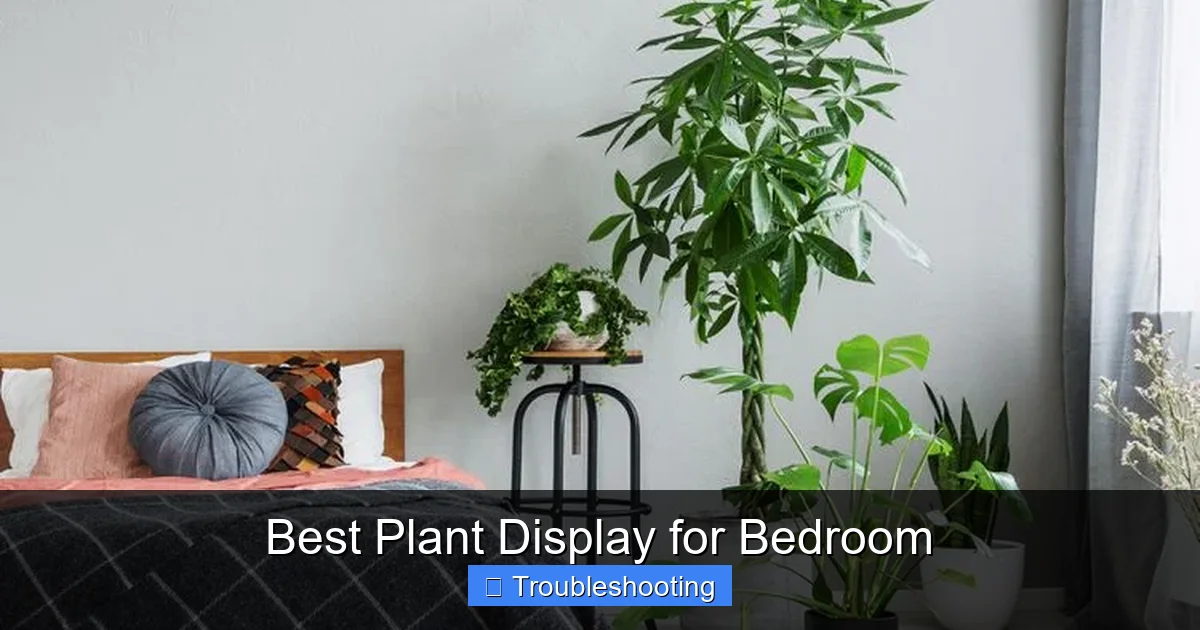
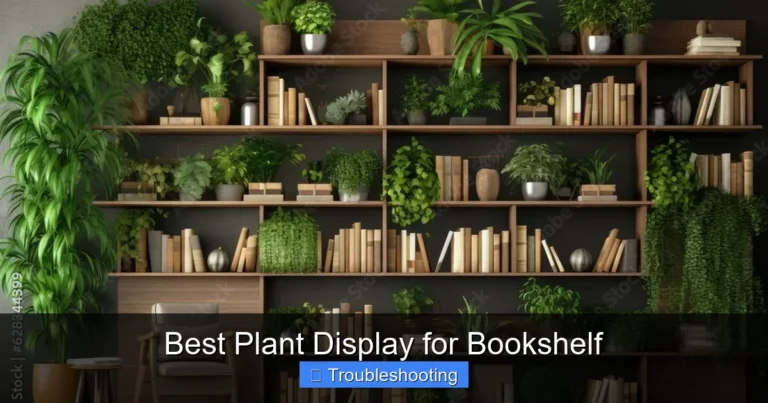
Visual guide about Best Plant Display for Bedroom
Image source: realsimple.com
Medium-Light Favorites
If your bedroom gets bright indirect light for four to six hours, your options expand. Monstera deliciosa brings dramatic split leaves. Fiddle leaf fig makes a bold statement. Rubber plant offers deep green glossy leaves. Bird of paradise adds tropical height. Calathea varieties bring stunning patterned foliage. They need more consistent moisture. But they reward you with faster growth and bigger impact. Rotate them weekly for even light exposure.
Plants That Release Oxygen at Night
Most plants photosynthesize only in daylight. They take in CO2 and release oxygen. At night, they respire like us. Taking in oxygen, releasing CO2. But some plants use CAM photosynthesis. They open stomata at night. Snake plant. Aloe vera. Spider plant. Christmas cactus. Orchids. Bromeliads. These actively freshen bedroom air while you sleep. Place one on each nightstand for maximum benefit.
Pet-Safe and Kid-Safe Options
If cats, dogs, or curious toddlers share your room, toxicity matters. Many popular plants are toxic if chewed. Peace lily, pothos, philodendron, snake plant, ZZ plant, monstera. All can cause irritation or worse. Safe alternatives include spider plant, Boston fern, areca palm, calathea, peperomia, haworthia, and prayer plant. These are non-toxic per ASPCA. Still, discourage chewing. Place plants out of reach when possible. Hanging planters and high shelves help.
Low-Maintenance Starter Set
New to plants? Start with a trio that covers different forms. One upright. One trailing. One textural. Snake plant for upright structure. Pothos for trailing drama. ZZ plant for glossy texture. All three tolerate low light. All three prefer drying out between waterings. All three resist pests. Water every two to three weeks. Wipe leaves monthly. That is it. Master these three. Then expand with confidence.
Best Plant Display Ideas for Small Bedrooms
Wall-Mounted Shelves and Ledges
Floor space is precious. Walls are free real estate. Floating shelves hold multiple plants in a tiny footprint. Install two or three staggered shelves. Place larger pots on the bottom. Smaller trailing plants on top. Let vines drape down. This creates a living wall effect. Use lightweight pots. Plastic or fiberstone. Not heavy ceramic. Secure shelves into studs. A three-shelf unit can hold six to eight plants in the space of one floor plant.
Hanging Planters from Ceiling or Wall
Hanging planters use zero floor or surface space. Macrame hangers add boho charm. Simple ceramic hangers with jute rope fit modern rooms. Install a ceiling hook into a joist. Or use a wall-mounted swing arm hook. Hang trailing plants like string of hearts, string of pearls, or pothos. Position near a window for light. Keep away from walk paths. You do not want to bonk your head at 2 AM.
Tiered Plant Stands
A narrow tiered stand fits in a tight corner. Three to five levels. Each level holds one to two pots. Look for stands with open wire shelves. Light passes through to lower plants. Metal stands are slim and sturdy. Bamboo stands add warmth. Place the stand near the brightest window. Put larger, light-hungry plants on top. Shade-tolerant ones below. This vertical arrangement multiplies your plant capacity fivefold.
Window Sill and Ledge Gardens
Deep window sills are prime plant real estate. Line up small pots along the sill. Mix heights and textures. Succulents and cacti love direct sun sills. Herbs work too if you cook. Use a waterproof tray underneath. Protects the sill from water damage. Rotate pots weekly so all sides get sun. If the sill is narrow, use a tension rod with S-hooks. Hang small pots from the rod. Clever and removable.
Headboard and Nightstand Integration
Your bed frame can anchor the display. A tall snake plant flanks each side of the headboard. Symmetry grounds the room. Nightstands hold small plants. A pothos in a ceramic pot. A small fern in a woven basket. Keep pots proportional to furniture. Tiny pot on a massive nightstand looks lost. Large pot on a delicate table looks crowded. Match scale. Use saucers. No water rings on wood.
Over-the-Door and Behind-Door Solutions
The back of your bedroom door is wasted space. Over-the-door shoe organizers hold small pots in each pocket. Fabric pockets drain. Line with plastic if needed. Great for propagating cuttings. Or growing herbs. Behind the door, a slim leaning ladder shelf holds three to four plants. Leans against the wall. No mounting needed. Moves easily when you rearrange.
Creative Plant Display Solutions for Large Bedrooms
Statement Floor Plants as Focal Points
Big rooms handle big plants. A six-foot fiddle leaf fig commands a corner. A bird of paradise fans out like sculpture. A mature monstera sprawls with drama. Use a substantial planter. Woven belly basket. Large ceramic pot on a plant caddy. The caddy lets you rotate and move for cleaning. Place statement plants where they catch light but do not block traffic flow. Corners beside windows. Beside a reading chair. At the foot of the bed if space allows.
Plant Room Dividers
Open floor plans or large bedrooms benefit from green dividers. A row of three to five tall plants creates a soft wall. Snake plants in a long rectangular planter. Bamboo palms in matching pots. Dracaena marginata staggered heights. This defines zones. Sleeping area separate from dressing area. Or workspace from rest space. The divider breathes. Light passes through. It feels open but distinct.
Curated Plant Vignettes
Group plants in threes or fives. Vary height, texture, and pot style. One tall. One medium bushy. One trailing. One textural succulent. One flowering if light allows. Place on a dresser top. A low credenza. A wide window seat. Use a unifying element. All terracotta pots. All matte white ceramic. All woven baskets. The cohesion makes it look intentional. Not cluttered. Refresh the vignette seasonally. Swap a few pots. Add a blooming plant.
Vertical Garden Wall Systems
For serious impact, install a modular living wall. Panel systems mount on the wall. Each panel holds multiple small plants. Built-in irrigation options exist. Or hand-water each pocket. Best for medium-light walls. Fill with ferns, pothos, philodendron, peperomia. The density creates a lush tapestry. It becomes art. Maintenance is higher. But the wow factor is unmatched. Great behind the bed as a living headboard.
Greenhouse Cabinet Displays
Glass-front cabinets with grow lights are trending. IKEA Milsbo or Detolf cabinets modified with lights. Humidity trays. Small fans. These create a mini greenhouse. Perfect for calatheas, alocasias, anthuriums. Plants that need high humidity and consistent light. The cabinet becomes a glowing feature at night. Dim the lights for evening ambiance. It solves the “my bedroom is too dark for these plants” problem completely.
Window Alcove Jungle
Deep window alcoves or bay windows beg for plants. Fill the floor with varying heights. Large pots on the floor. Medium on stools. Small on the sill. Hanging from the ceiling. Mix textures. Broad leaves. Fine fronds. Trailing vines. Upright spears. The alcove becomes a room within a room. A reading nook surrounded by green. Sheer curtains filter harsh sun. The plants thrive. You get a daily nature bath.
Troubleshooting Common Bedroom Plant Display Problems
Yellowing Leaves and Overwatering
Yellow leaves usually mean too much water. Bedrooms often have lower light. Plants use less water. People water on a schedule instead of checking soil. Fix it. Stick your finger two inches deep. Water only when dry. Use pots with drainage holes. Always. Empty saucers after watering. Do not let plants sit in water. If root rot sets in, unpot. Trim black mushy roots. Repot in fresh chunky mix. Water less. The plant will recover if caught early.
Crispy Brown Tips and Low Humidity
Brown crispy edges scream dry air. Winter heating is the culprit. Calatheas, ferns, and prayer plants hate it. Fix it. Group plants together. They create a humidity bubble. Use a pebble tray. Fill saucer with pebbles. Add water below pebble tops. Pot sits on pebbles, not in water. Run a small humidifier nearby. Aim for forty to sixty percent humidity. Mist in the morning only. Night misting invites fungal issues. Trim brown tips with clean scissors. Cut at an angle. Looks natural.
Leggy Stretching and Insufficient Light
Long weak stems with wide gaps between leaves. The plant is reaching for light. Common in bedrooms far from windows. Fix it. Move closer to the window. Even a few feet matters. Rotate weekly. Add a grow light. Clip-on LED grow lights are affordable. Run twelve to fourteen hours daily. Prune leggy growth. The plant will bush out from the cut points. Pothos and philodendron respond fast. Snake plants do not stretch. They just stop growing.
Pest Infestations
Spider mites,Spider mites love dry warm bedrooms. Mealybugs hide in leaf axils. Fungus gnats breed in wet soil. Inspect weekly. Check undersides of leaves. Look for webbing, white cottony spots, tiny flies. Fix it. Isolate affected plant. Spray with neem oil or insecticidal soap. Repeat weekly for three weeks. For fungus gnats, let soil dry completely. Add mosquito bits to water. Yellow sticky traps catch adults. Top dress soil with sand or gravel. Prevents egg laying.
Dust Buildup on Leaves
Bedrooms collect dust. Leaves get coated. Dust blocks light. Reduces photosynthesis. Plants look dull. Fix it. Wipe leaves monthly with a damp microfiber cloth. Support leaf from underneath. Wipe top and bottom. For fuzzy leaves like African violets, use a soft brush. Compressed air works for cacti. Shower sturdy plants monthly. Lukewarm water. Gentle spray. Let drain fully. Clean leaves breathe better. Look vibrant.
Pot Bound and Stunted Growth
Roots circling the pot bottom. Water runs straight through. Plant stops growing. Time to repot. Spring is best. But do it anytime if severe. Go up one pot size. Two inches wider max. Too big holds excess water. Use fresh potting mix. Loosen root ball gently. Trim any dead roots. Water well after. Hold fertilizer for four weeks. The plant will thank you with new growth.
Uneven Growth and Leaning
Plant leans hard toward the window. One side full. Other side bare. Classic phototropism. Fix it. Rotate the pot a quarter turn every week. Do it when you water. Easy habit. For heavy floor plants, use a plant caddy with wheels. Spin it effortlessly. If the lean is severe, stake the main stem. Use a bamboo stake and soft ties. Straighten gradually over weeks. Do not force it. Stems snap.
Maintaining Your Bedroom Plant Display Long-Term
Simple Weekly Care Routine
Consistency beats intensity. Pick one day. Sunday morning. Coffee in hand. Walk the room. Check each plant. Finger test the soil. Water if dry. Rotate a quarter turn. Scan for pests. Wipe any dusty leaves. Remove dead leaves. Takes ten minutes for ten plants. Put it on your calendar. Phone reminder. Pair it with another habit. Laundry day. Sheet changing day. The routine becomes automatic.
Seasonal Adjustments
Plants slow down in winter. Light drops. Growth pauses. Water less. Maybe half as often. Stop fertilizing October through March. Move plants closer to windows. Clean windows for maximum light. Watch for cold drafts near glass. In spring, resume fertilizing. Dilute to half strength. Repot if needed. Summer brings active growth. Water more. Watch for sun scorch on leaves that got used to winter light. Sheer curtains help. Fall tapers off again. Observe. Adjust. Plants tell you what they need.
Fertilizing Without the Fuss
Less is more. Over-fertilizing burns roots. Causes weak leggy growth. Use a balanced liquid fertilizer. 10-10-10 or 20-20-20. Dilute to quarter strength. Apply monthly April through September. Or use slow-release granules in spring. One application lasts six months. Top dress with worm castings twice a year. Gentle. Organic. Builds soil health. Skip fertilizing new plants for six months. Fresh soil has nutrients. Skip sick plants. Fix the problem first.
Pruning and Shaping
Pruning keeps plants full and shapely. Trim trailing vines when they get leggy. Cut just above a node. New growth branches from there. Remove yellow or damaged leaves anytime. They drain energy. For bushy plants like pothos, pinch tips regularly. Encourages side shoots. Floor plants like fiddle leaf figs benefit from notching. Cut a small notch above a node. Triggers branching. Always use clean sharp scissors. Wipe with alcohol between plants.
Propagation to Expand Your Display
Free plants. Pothos, philodendron, spider plant, snake plant. All propagate easily in water. Cut below a node. Place in a glass jar. Change water weekly. Roots appear in two to four weeks. Pot up when roots are two inches long. Share with friends. Fill gaps in your display. Create matching sets. Propagation stations on a shelf look cool. Row of glass jars with green cuttings. Living decor that grows.
Refreshing the Look Seasonally
Swap decorative elements. Not the plants. Change pot covers. Terracotta in fall. White ceramic in winter. Woven baskets in summer. Add a small seasonal accent. A mini pumpkin in October. A pinecone in December. A seashell in July. Move plants between rooms. The bathroom fern visits the bedroom for a month. The bedroom snake plant goes to the office. Rotation keeps your eye engaged. Prevents plant blindness. You notice problems faster too.
When to Let Go
Sometimes a plant just fails. Chronic pests. Incurable rot. Wrong plant for your conditions. It is okay to compost it. No guilt. Learn what went wrong. Replace with a better match. Your display should bring joy. Not stress. A struggling plant drags down the whole vibe. Remove it. The empty spot is an opportunity. Not a failure. Experienced plant people kill plants too. They just replace them faster.
Your bedroom plant display is a living thing. It evolves. You learn. Plants grow. Seasons change. The best plant display for bedroom spaces is not a static magazine photo. It is a relationship. Start with one plant that makes you smile. Put it where you see it waking up. Watch it. Water it. Talk to it if you want. Add another when you feel ready. Before you know it, you have a collection. A routine. A greener room. Better air. Calmer mornings. That is the real goal. Not perfection. Just a little more life in your space.
Frequently Asked Questions
What is the best plant display for bedroom spaces with low light?
Wall-mounted shelves with snake plants, ZZ plants, and pothos create a lush display in low light. These plants thrive in shade and the vertical arrangement maximizes limited light exposure.
How do I display plants in a small bedroom without using floor space?
Use hanging planters, floating shelves, tiered stands, and window sill arrangements. These vertical solutions keep floors clear while showcasing multiple plants.
Which bedroom plants are safe for cats and dogs?
Spider plant, Boston fern, areca palm, calathea, peperomia, haworthia, and prayer plant are all non-toxic to pets according to the ASPCA.
How often should I water bedroom plants?
Check soil weekly. Water only when the top two inches feel dry. Most bedroom plants need water every two to three weeks, less in winter.
Can plants in the bedroom cause allergies or mold?
Overwatering can cause mold in soil. Use pots with drainage, avoid soggy soil, and wipe leaves monthly. Pollen allergies are rare with foliage plants; avoid flowering varieties if sensitive.
What is the best way to arrange plants for a cohesive bedroom look?
Group plants in odd numbers (three or five), vary heights and textures, and unify with matching pot styles or colors. Repeat the same plant in different spots for rhythm.