Best Companion Plants for Spinach
Spinach thrives when paired with the right neighbors. This guide reveals the best companion plants for spinach, including vegetables, herbs, and flowers that enhance flavor, protect against pests, and enrich the soil.
Key Takeaways
- Companion planting improves soil fertility: Nitrogen‑fixing legumes feed spinach naturally.
- Herbs repel common spinach pests: Basil, cilantro, and dill keep aphids and leaf miners away.
- Flowers attract beneficial insects: Nasturtiums, marigolds, and calendula draw ladybugs and hoverflies.
- Avoid competitive or allelopathic plants: Fennel, potatoes, and strawberries can stunt spinach growth.
- Design rows for succession and intercropping: Stagger planting dates to maximize space and harvest.
- Container gardens benefit too: Use compact companions like radishes and herbs in pots.
- Rotate companions each season: Prevent disease buildup and maintain soil balance.
Quick Answers to Common Questions
What are the best companion plants for spinach?
The best companion plants for spinach include peas, beans, radishes, lettuce, basil, cilantro, dill, nasturtiums, marigolds, and calendula. These partners improve soil, repel pests, and attract beneficial insects.
Can I plant spinach next to tomatoes?
Tomatoes are not ideal companions for spinach because they share similar nutrient demands and can shade spinach excessively. It is better to keep tomatoes in a separate bed.
Do herbs help spinach grow better?
Yes, herbs such as basil, cilantro, and dill release scents that confuse pests and attract predators, leading to healthier spinach leaves.
Which flowers attract beneficial insects for spinach?
Nasturtiums, marigolds, and calendula are excellent flower companions that draw ladybugs, hoverflies, and parasitic wasps to the garden.
How far apart should companion plants be spaced?
Space spinach 4 inches apart in rows 12 inches apart. Place companion plants 6 to 8 inches from spinach, depending on their mature size, to avoid crowding.
📑 Table of Contents
Introduction
Growing spinach can be rewarding, but it also comes with challenges like bolting, leaf miners, and nutrient depletion. One of the simplest ways to overcome these issues is to use the best companion plants for spinach. Companion planting is the practice of growing different species together so they help each other. When you choose the right neighbors, you create a mini‑ecosystem that supports healthier leaves, better yields, and fewer chemical inputs.
In this article you will learn why companion planting matters, which vegetables, herbs, and flowers make the best companions, which plants to keep away, and how to design a spinach bed that works all season long. Whether you have a large plot, a raised bed, or a few containers, these tips will help you get the most from every square foot.
Why Companion Planting Matters for Spinach
Soil Health and Nutrient Sharing
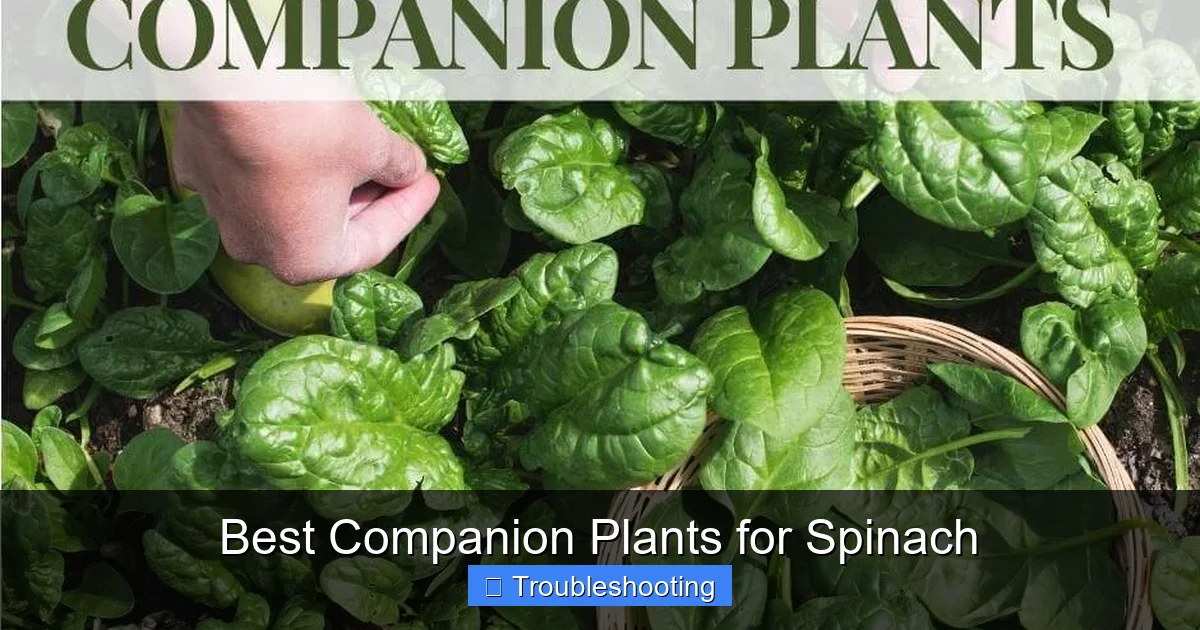
Spinach is a heavy feeder, especially for nitrogen. Legumes such as peas and beans pull nitrogen from the air and store it in root nodules. When those roots decay, the nitrogen becomes available to nearby spinach. This natural fertilization reduces the need for synthetic fertilizers and keeps the soil lively.
Visual guide about Best Companion Plants for Spinach
Image source: healthygreensavvy.com
Pest Management Through Diversity
Monocultures attract pests that specialize on one crop. By mixing spinach with aromatic herbs and flowering plants, you confuse insects and invite predators. Ladybugs, lacewings, and parasitic wasps love the nectar of many companion flowers. They then hunt aphids, leaf miners, and spider mites that would otherwise damage spinach leaves.
Microclimate Benefits
Tall companions like corn or trellised beans provide light shade during hot afternoons. Spinach prefers cool temperatures, so a bit of afternoon shade can delay bolting. Low‑growing companions such as radishes break up the soil surface, improving water infiltration and root penetration for spinach.
Top Vegetable Companions
Radishes
Radishes mature in three to four weeks, long before spinach needs the space. Their quick growth loosens the soil and they can be harvested early, leaving room for spinach to expand. Radishes also deter flea beetles, a common spinach pest.
Peas and Beans
Both peas and beans are nitrogen‑fixing legumes. Plant them on a trellis on the north side of the spinach row so they do not shade the low‑growing leaves. The vertical growth maximizes space and the nitrogen boost helps spinach produce deep green foliage.
Lettuce and Other Leafy Greens
Lettuce, arugula, and Swiss chard share similar light and moisture needs. Interplanting them creates a living mulch that suppresses weeds and conserves soil moisture. Because they have shallow roots, they do not compete heavily with spinach’s deeper taproot.
Carrots
Carrots grow straight down while spinach spreads outward. This root‑zone separation means they draw nutrients from different soil layers. Carrots also release compounds that repel root‑knot nematodes, protecting spinach roots.
Herb Allies
Basil
Basil emits a strong scent that masks the smell of spinach, confusing aphids and whiteflies. Plant a few basil plants at the ends of each spinach row. Harvest basil leaves regularly to keep the plant bushy and the aroma strong.
Cilantro
Cilantro flowers attract hoverflies, whose larvae devour aphids. Allow a few cilantro plants to bolt; the flowers are a magnet for beneficial insects. The leaves can be harvested for kitchen use before flowering.
Mint (in Containers)
Mint spreads aggressively, so keep it in a pot sunk into the bed. Its menthol scent repels ants, cabbage moths, and flea beetles. A container of mint near spinach provides pest protection without taking over the garden.
Dill
Dill attracts predatory wasps and ladybugs. Its feathery foliage also provides light shade. Plant dill at the corners of the spinach patch; it will self‑seed and return each year.
Flower Friends
Nasturtiums
Nasturtiums act as a trap crop for aphids. The bright flowers draw aphids away from spinach, and the peppery leaves are edible. Plant nasturtiums around the perimeter of the bed for a colorful border that works hard.
Marigolds
French marigolds release thiophenes into the soil, suppressing nematodes and some fungal pathogens. Their strong scent also deters whiteflies. A row of marigolds every few feet creates a protective barrier.
Calendula
Calendula attracts pollinators and predatory insects. Its sticky resin traps small pests. Scatter calendula seeds among spinach rows; they bloom quickly and reseed readily.
Plants to Avoid Near Spinach
Fennel
Fennel releases allelopathic chemicals that inhibit the germination and growth of many garden plants, including spinach. Keep fennel in a separate herb garden far from your leafy beds.
Potatoes
Potatoes and spinach share several diseases, notably early blight and verticillium wilt. Planting them together increases the risk of disease spread. Rotate potatoes to a different bed each year.
Strawberries
Strawberries are perennial and send out runners that can crowd out spinach. They also attract slugs, which love tender spinach leaves. If you grow strawberries, give them their own dedicated patch.
Designing Your Spinach Bed for Maximum Benefit
Row Interplanting
Alternate rows of spinach with rows of peas, radishes, or lettuce. This pattern gives each crop its own space while still allowing root interaction. Space rows 12 inches apart; within a row, plant spinach 4 inches apart and companions 6 inches apart.
Succession Planting
Spinach bolts quickly in heat. Sow a new batch every two weeks in early spring and again in late summer for a fall harvest. Pair each sowing with a fast‑growing companion like radish or a nitrogen‑fixing pea that will be ready before the next spinach crop needs the space.
Container and Raised Bed Tips
In containers, choose dwarf varieties of companions. A 12‑inch pot can hold a spinach plant, a few radish seeds, and a basil seedling. Use a high‑quality potting mix enriched with compost. Water consistently; containers dry out faster than ground beds.
Conclusion
Choosing the best companion plants for spinach transforms a simple leaf crop into a resilient, productive part of your garden ecosystem. By pairing spinach with nitrogen‑fixing legumes, aromatic herbs, and nectar‑rich flowers, you improve soil fertility, reduce pest pressure, and create a microclimate that keeps leaves tender longer. Avoid allelopathic or disease‑prone neighbors, and plan your rows for succession so you harvest fresh spinach throughout the growing season. Whether you garden in the ground, in raised beds, or on a balcony, these companion strategies will help you grow healthier, tastier spinach with less effort.
Frequently Asked Questions
What is companion planting?
Companion planting is the practice of growing different plant species together so they provide mutual benefits such as pest control, nutrient sharing, and improved microclimate.
Why does spinach benefit from nitrogen‑fixing plants?
Spinach requires high nitrogen for leaf growth. Legumes like peas and beans convert atmospheric nitrogen into a form spinach can absorb, naturally fertilizing the soil.
Can I grow spinach with onions?
Onions can be grown near spinach; their strong scent deters many pests. However, onions have shallow roots and may compete for moisture, so give each plant enough space.
Will companion plants change the flavor of spinach?
Companion plants generally do not alter spinach flavor. Some gardeners report a slightly sweeter taste when spinach grows alongside aromatic herbs, but the effect is minimal.
How often should I rotate companion crops?
Rotate companion crops each season to prevent disease buildup and maintain soil nutrient balance. A three‑year rotation plan works well for most vegetable families.
Are there any companion plants that deter slugs from spinach?
Plants with strong scents such as mint, rosemary, and thyme can help repel slugs. Plant them in containers around the spinach bed for best results.