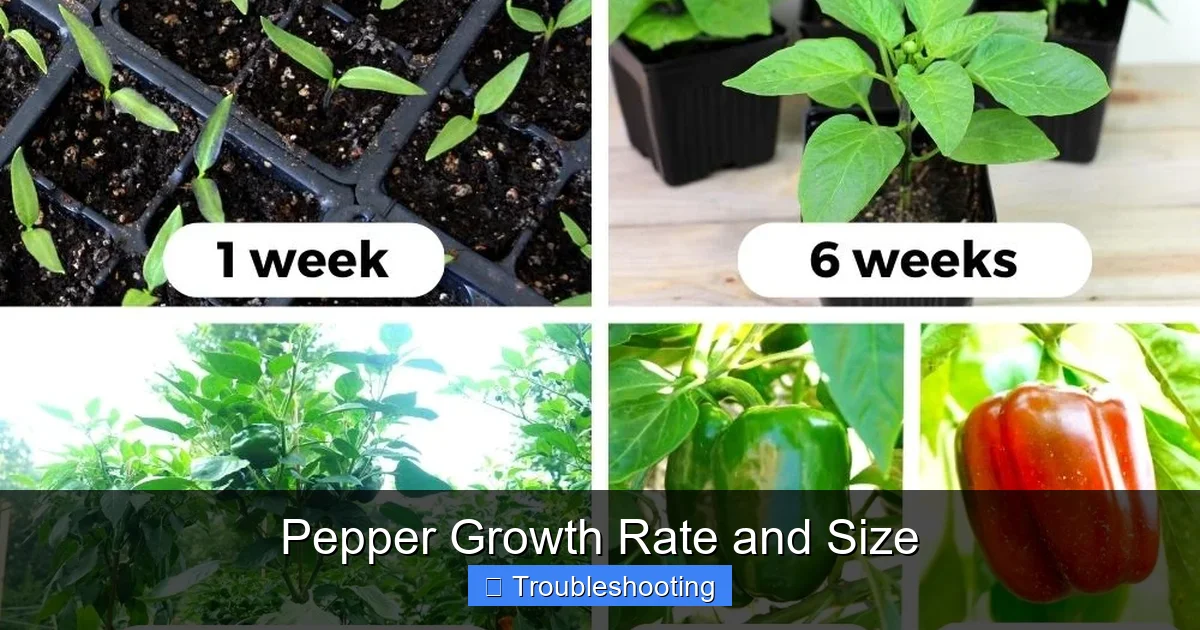
Pepper Growth Rate and Size
Peppers grow fast when given warm soil, steady water, and full sun. The pepper growth rate and size can vary by variety and care. Proper feeding and spacing boost yields.
Peppers are a favorite for many home gardeners. They add color and flavor to meals. Understanding pepper growth rate and size helps you plan a better harvest. This guide covers the main factors that affect pepper growth rate and size. You will learn practical steps to improve your results.
We start with the basics of pepper growth rate and size. Then we look at environment, nutrition, spacing, and common problems. Finally we share tips to maximize pepper growth rate and size in any garden.
Key Takeaways
- Warm soil speeds up pepper growth rate and size: Peppers need temperatures above 70°F for rapid development.
- Consistent moisture prevents stress: Even watering keeps fruit size steady.
- Balanced fertilizer supports both leaf and fruit growth: Too much nitrogen makes big leaves but small peppers.
- Proper spacing improves airflow and light: Crowded plants produce smaller fruit.
- Early indoor starts extend the season: Transplants gain a head start on pepper growth rate and size.
- Regular scouting catches pests early: Healthy plants maintain optimal pepper growth rate and size.
Quick Answers to Common Questions
What is the ideal temperature for pepper growth rate and size?
Daytime temperatures between 75 and 85°F and night temperatures above 60°F give the best pepper growth rate and size.
How often should I water peppers for optimal pepper growth rate and size?
Water when the top inch of soil feels dry; consistent moisture supports steady pepper growth rate and size.
Which fertilizer ratio boosts pepper growth rate and size?
A balanced 5-10-10 fertilizer applied at planting and flowering improves pepper growth rate and size.
Does pruning affect pepper growth rate and size?
Light pruning opens the canopy, increases light, and can raise pepper growth rate and size.
Can row covers improve pepper growth rate and size?
Yes, row covers trap heat early in the season and enhance pepper growth rate and size.
📑 Table of Contents
- Understanding Pepper Growth Rate and Size
- Environmental Factors That Shape Pepper Growth Rate and Size
- Nutrient Management for Optimal Pepper Growth Rate and Size
- Plant Spacing and Pruning Effects on Pepper Growth Rate and Size
- Troubleshooting Common Pepper Growth Rate and Size Problems
- Tips to Maximize Pepper Growth Rate and Size in Your Garden
Understanding Pepper Growth Rate and Size
What Determines Pepper Growth Rate and Size
Genetics set the baseline for each variety. Some peppers stay small. Others grow large. Environment modifies the genetic potential. Temperature, light, water, and nutrients all play a role. Soil health also matters. Good soil gives roots room to expand. Strong roots support a strong pepper growth rate and size.
Typical Timelines for Common Pepper Types
Bell peppers usually need 70 to 80 days from transplant to mature fruit. Jalapeños can be ready in 60 to 70 days. Hot habaneros often take 90 to 100 days. Sweet banana peppers may mature in 65 days. These numbers assume ideal conditions. Real world pepper growth rate and size may vary. Cool nights slow down progress. Hot days speed it up.
Why Pepper Growth Rate and Size Matters
A faster pepper growth rate and size means earlier harvests. Larger fruit can mean more yield per plant. Knowing the expected timeline helps you schedule planting. It also helps you spot problems early. When pepper growth rate and size lag, you can act quickly.
Genetic Variation in Pepper Growth Rate and Size
Different cultivars show wide genetic variation in pepper growth rate and size. Heirloom types often grow slower but produce unique flavors. Hybrid varieties are bred for uniform pepper growth rate and size. Choose a variety that matches your season length. Matching genetics to climate improves pepper growth rate and size.
Seasonal Effects on Pepper Growth Rate and Size
Spring planting gives a long warm window for pepper growth rate and size. Summer heat can accelerate pepper growth rate and size but may cause blossom drop. Fall crops often have reduced pepper growth rate and size due to shorter days. Adjust planting dates to match your local season. Seasonal planning directly influences pepper growth rate and size.
Measuring Pepper Growth Rate and Size
Track plant height weekly to monitor pepper growth rate and size. Measure fruit length and diameter at set intervals. Record data in a simple notebook. Comparing numbers reveals trends in pepper growth rate and size. Early detection of slow pepper growth rate and size allows timely correction.
Environmental Factors That Shape Pepper Growth Rate and Size
Temperature and Light
Peppers love warm weather. Daytime temps between 75 and 85°F are ideal. Night temps should stay above 60°F. Cold snaps stall pepper growth rate and size. Full sun for at least six hours drives photosynthesis. More light means more energy for fruit. Shade reduces pepper growth rate and size.
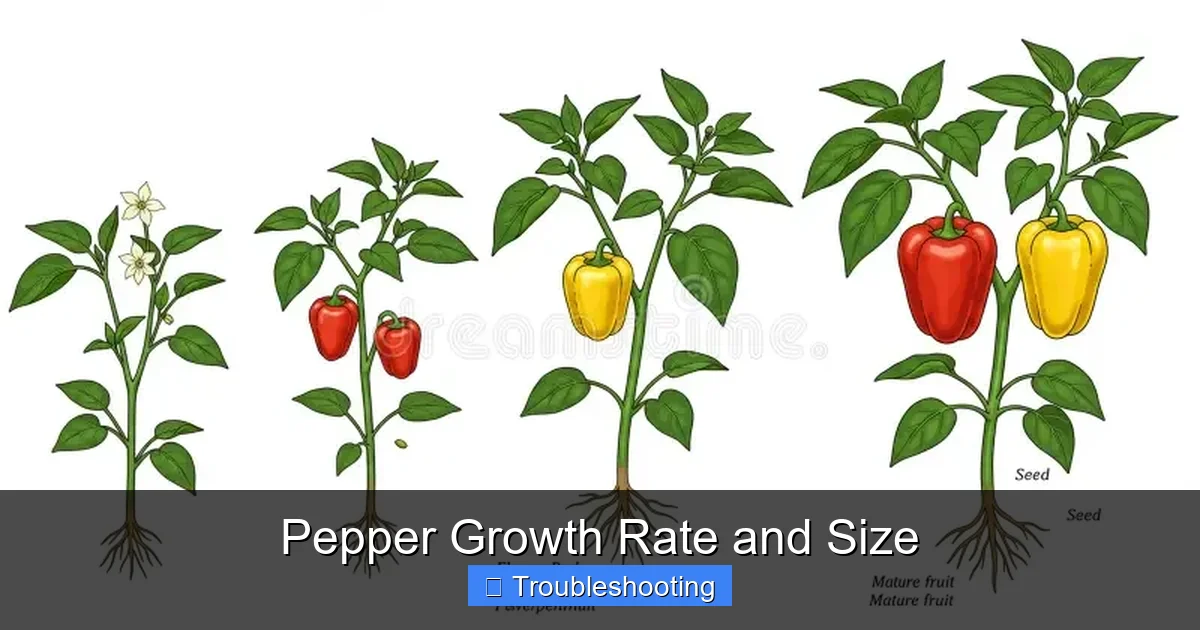
Visual guide about Pepper Growth Rate and Size
Image source: thumbs.dreamstime.com
Soil Quality and pH
Loamy soil with good drainage works best. Peppers prefer a pH between 6.0 and 6.8. Acidic soil locks up nutrients. Alkaline soil does the same. Test your soil before planting. Amend with compost to improve texture. Healthy soil supports a strong pepper growth rate and size.
Watering Practices
Consistent moisture is key. Let the top inch of soil dry between waterings. Overwatering causes root rot. Underwatering stresses the plant. Stress reduces pepper growth rate and size. Mulch helps keep moisture even. Drip irrigation delivers water to roots without wetting leaves.
Wind and Humidity
Strong wind can break stems and reduce pepper growth rate and size. Use windbreaks if needed. High humidity encourages fungal diseases. Good airflow lowers humidity around leaves. Balanced conditions keep pepper growth rate and size steady.
Microclimate Management for Pepper Growth Rate and Size
Create a warm microclimate with black plastic mulch. Row covers trap heat at night. Cold frames extend the season for pepper growth rate and size. Small adjustments raise soil temperature by several degrees. A warmer microclimate boosts pepper growth rate and size early in the year.
Soil Temperature Monitoring for Pepper Growth Rate and Size
Use a soil thermometer to check temperature daily. Aim for 70°F minimum for optimal pepper growth rate and size. Cool soil slows root activity and pepper growth rate and size. Warm soil speeds nutrient uptake and pepper growth rate and size. Regular monitoring prevents surprises in pepper growth rate and size.
Water Quality Impact on Pepper Growth Rate and Size
High chlorine water can hinder pepper growth rate and size. Let tap water sit overnight to dissipate chlorine. Rainwater is ideal for pepper growth rate and size. Test water pH; aim for 6.0 to 7.0. Clean water supports consistent pepper growth rate and size.
Nutrient Management for Optimal Pepper Growth Rate and Size
Nitrogen, Phosphorus, Potassium Basics
Nitrogen fuels leaf growth. Too much nitrogen makes big leaves but small fruit. Phosphorus supports root and flower development. Potassium improves fruit quality and size. A balanced fertilizer with a ratio like 5-10-10 works well. Apply at planting and again when flowers appear. This schedule boosts pepper growth rate and size.
Micronutrients and Supplements
Calcium prevents blossom end rot. Magnesium aids chlorophyll production. Iron keeps leaves green. Use a complete micronutrient mix if soil tests show deficiencies. Foliar sprays can correct problems quickly. Proper nutrition maintains a steady pepper growth rate and size.
Feeding Schedule Example
Week 1 after transplant: apply starter fertilizer. Week 3: side‑dress with balanced feed. Week 6: apply potassium‑rich fertilizer. Repeat after first fruit set. This plan supports consistent pepper growth rate and size.
Organic vs Synthetic Fertilizers for Pepper Growth Rate and Size
Organic fertilizers release nutrients slowly, supporting steady pepper growth rate and size. Synthetic fertilizers give a quick boost but can cause salt buildup. Combine both for balanced pepper growth rate and size. Compost adds organic matter and improves soil structure. Healthy soil biology enhances pepper growth rate and size.
Foliar Feeding Timing for Pepper Growth Rate and Size
Apply foliar feeds early morning or late evening. Avoid midday sun to prevent leaf burn. Target the underside of leaves for best absorption. Foliar feeding can correct micronutrient gaps fast. Quick correction protects pepper growth rate and size during critical stages.
Compost Tea Benefits for Pepper Growth Rate and Size
Brew compost tea weekly and apply as a soil drench. Beneficial microbes improve nutrient cycling. Enhanced soil life supports stronger pepper growth rate and size. Compost tea also suppresses some soilborne diseases. Regular use builds a resilient root zone for pepper growth rate and size.
Plant Spacing and Pruning Effects on Pepper Growth Rate and Size
Proper Spacing Guidelines
Space plants 18 to 24 inches apart in rows. Rows should be 30 to 36 inches apart. Crowded plants compete for light and nutrients. Competition lowers pepper growth rate and size. Good spacing improves airflow. Airflow reduces disease pressure.
Pruning Techniques for Better Airflow
Remove the lowest leaves when plants are 12 inches tall. Pinch off the first flower cluster to encourage stronger roots. Trim any suckers that appear below the main stem. Light pruning opens the canopy. More light reaches developing fruit. This practice supports a higher pepper growth rate and size.
Support Structures
Stake or cage tall varieties early. Support prevents stem breakage. Broken stems stop pepper growth rate and size. Install supports at planting to avoid root damage.
Container Spacing Tips for Pepper Growth Rate and Size
Use at least a 5‑gallon pot per plant. One plant per container avoids root competition. Adequate container volume sustains pepper growth rate and size. Ensure drainage holes are clear. Proper container spacing maximizes pepper growth rate and size on patios.
Vertical Growing Effects on Pepper Growth Rate and Size
Train vines on trellises to save ground space. Vertical growth improves light exposure for all leaves. Better light distribution increases pepper growth rate and size. Secure stems gently to avoid damage. Vertical systems can boost pepper growth rate and size in small gardens.
Pruning Timing for Maximum Pepper Growth Rate and Size
Prune early in the morning when plants are turgid. Remove only a few leaves at a time. Avoid heavy pruning during fruit set. Light, timely cuts maintain pepper growth rate and size. Over‑pruning reduces photosynthetic area and slows pepper growth rate and size.
Troubleshooting Common Pepper Growth Rate and Size Problems
Stunted Growth Causes
Cold soil is a top cause of stunted peppers. Poor drainage also slows roots. Nutrient deficiencies show as yellow leaves. Pests like aphids suck sap and weaken plants. Check soil temperature with a probe. Warm the soil with black plastic if needed. Fixing these issues restores pepper growth rate and size.
Oversized Fruit with Low Flavor
Too much nitrogen can produce large but bland peppers. Excess water dilutes flavor compounds. Harvest at the right color stage for best taste. Reducing nitrogen after fruit set helps. Balanced feeding improves both pepper growth rate and size and flavor.
Disease and Pest Impacts
Bacterial spot causes dark lesions on leaves. It reduces photosynthetic area. Less photosynthesis means slower pepper growth rate and size. Use resistant varieties and rotate crops. Spider mites thrive in hot dry conditions. Spray with neem oil early. Healthy plants resist pests better.
Blossom End Rot
Calcium deficiency leads to blossom end rot. Fruit develops a dark sunken spot. This problem reduces usable pepper growth rate and size. Apply calcium nitrate as a foliar spray. Keep watering consistent to move calcium into fruit.
Nutrient Lockout and Pepper Growth Rate and Size
High soil pH can lock out iron and manganese. Lockout shows as interveinal chlorosis. Affected plants exhibit reduced pepper growth rate and size. Adjust pH with elemental sulfur if needed. Correcting pH restores nutrient availability and pepper growth rate and size.
Heat Stress Signs on Pepper Growth Rate and Size
Temperatures above 95°F cause flower drop. Leaves may curl and wilt. Heat stress temporarily halts pepper growth rate and size. Provide shade cloth during peak heat. Adequate watering mitigates heat impact on pepper growth rate and size.
Pest Monitoring Routine for Pepper Growth Rate and Size
Scout plants twice weekly for insects. Use yellow sticky traps for whiteflies. Early detection prevents large infestations. Prompt treatment protects pepper growth rate and size. Integrated pest management keeps pepper growth rate and size on track.
Tips to Maximize Pepper Growth Rate and Size in Your Garden
Start Seeds Early Indoors
Start seeds 8 to 10 weeks before the last frost. Use a heat mat to keep soil at 80°F. Strong seedlings transplant with less shock. Early starts give a longer season for pepper growth rate and size.
Use Row Covers for Early Warmth
Floating row covers trap heat. They protect young plants from cold nights. Remove covers when daytime temps stay above 85°F. This technique extends the growing window. It directly improves pepper growth rate and size.
Mulch to Retain Moisture
Apply straw or shredded leaves around plants. Mulch keeps soil cool and moist. It also suppresses weeds. Weeds compete for nutrients. Less competition means better pepper growth rate and size.
Feed at Key Growth Stages
Apply a starter fertilizer at transplant. Side‑dress with a balanced feed when first flowers open. Repeat after the first fruit set. Timely feeding fuels a strong pepper growth rate and size.
Monitor and Adjust
Check plants daily for signs of stress. Adjust watering based on weather. Test soil every few weeks. Small tweaks keep pepper growth rate and size on track.
Rotate Crops Each Year
Plant peppers in a different bed each season. Rotation breaks disease cycles. Healthy soil supports consistent pepper growth rate and size.
Companion Planting for Pepper Growth Rate and Size
Plant basil or marigold near peppers. Companions repel aphids and whiteflies. Reduced pest pressure improves pepper growth rate and size. Avoid planting near fennel or kohlrabi. Good companions boost pepper growth rate and size naturally.
Using Reflective Mulch to Boost Pepper Growth Rate and Size
Silver or white plastic mulch reflects light onto lower leaves. Extra light increases photosynthesis. Higher photosynthesis drives faster pepper growth rate and size. Reflective mulch also deters some insects. Simple mulch change can raise pepper growth rate and size.
Harvest Timing for Best Pepper Growth Rate and Size
Pick peppers when they reach full color for the variety. Frequent harvest encourages new fruit set. Continuous picking sustains pepper growth rate and size throughout the season. Leaving overripe fruit on the plant slows pepper growth rate and size. Timely harvest maximizes total yield and pepper growth rate and size.
Conclusion Understanding pepper growth rate and size gives you control over your harvest. Warm soil, steady water, balanced nutrients, and proper spacing all work together. Start seeds early, protect young plants, and feed at the right times. Watch for pests and diseases early. With these practices you can enjoy bigger peppers and faster yields. Happy gardening.
Frequently Asked Questions
How long does it take for peppers to reach full size?
Most sweet peppers mature in 70 to 80 days, while hot varieties may need 90 to 100 days. Timing depends on variety and growing conditions.
What causes small peppers on otherwise healthy plants?
Small fruit often results from insufficient light, poor pollination, or nutrient imbalance. Check spacing and fertilizer.
Is it better to grow peppers in containers or ground for maximum pepper growth rate and size?
Both work well if containers are large enough and drainage is good. Ground beds usually allow larger root systems and slightly bigger fruit.
How do I prevent blossom end rot on peppers?
Maintain even soil moisture and supply calcium through foliar sprays or soil amendments. Consistent watering moves calcium into developing fruit.
Can I grow peppers year round indoors for continuous pepper growth rate and size?
Yes, with grow lights, stable temperatures, and proper nutrition you can harvest peppers indoors all year.
What is the best way to stake pepper plants without harming roots?
Insert stakes at planting time, before roots spread. Use soft ties to avoid stem damage as the plant grows.