Tradescantia Care Tips and Tricks
Tradescantia plants are fast-growing, colorful houseplants that thrive with bright indirect light, consistent moisture, and regular pruning. This guide covers everything from watering schedules and soil mixes to propagation methods and common problem fixes so you can enjoy lush, trailing foliage year-round.
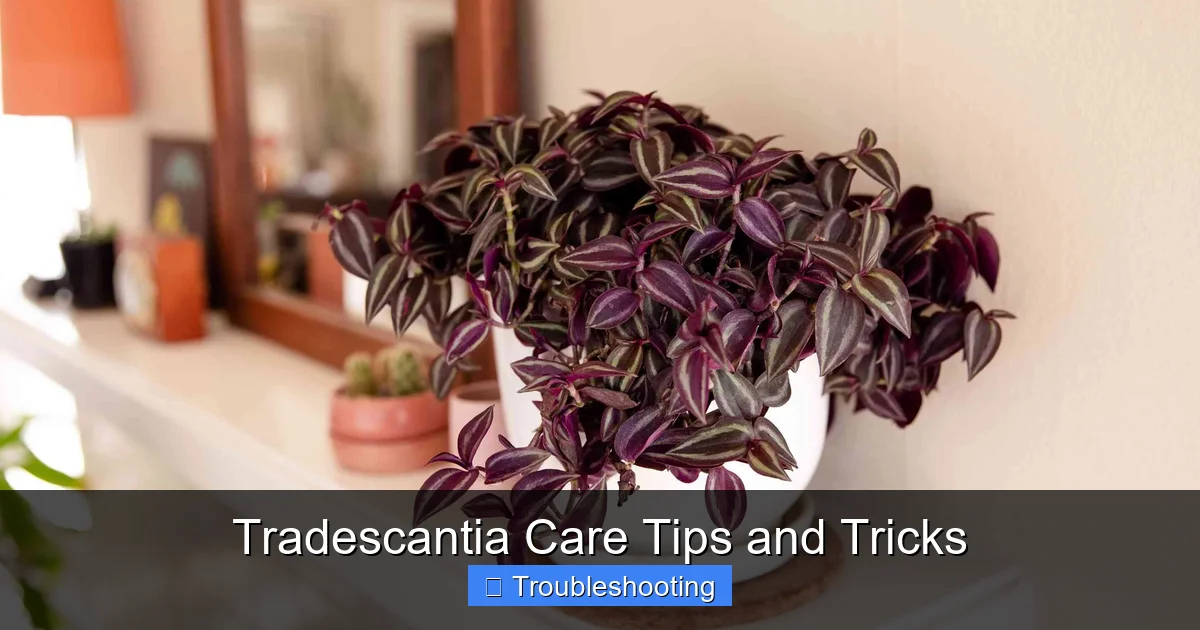
If you have ever walked past a hanging basket overflowing with purple-and-green striped leaves, you have likely met a tradescantia. These plants go by many names — wandering jew, inch plant, spiderwort — but they all share the same easygoing nature and stunning foliage. I still remember my first tradescantia zebrina. I brought it home, set it on a shelf, and forgot about it for two weeks. When I finally checked, it had doubled in length and looked happier than ever. That moment taught me just how forgiving these plants can be.
But forgiving does not mean indestructible. To get those lush, colorful cascades you see on social media, you need to understand a few core tradescantia care tips and tricks. Light, water, humidity, pruning, and propagation all play a role. In this guide, I will walk you through everything I have learned over years of growing tradescantia varieties — from the classic zebrina to the fuzzy-leaved sillamontana and the pastel-pink nanouk. Whether you are a beginner or looking to troubleshoot a struggling plant, you will find practical, step-by-step advice here.
Key Takeaways
- Bright indirect light is essential: Tradescantia needs 6-8 hours of filtered sunlight daily to maintain vibrant color and prevent leggy growth.
- Keep soil evenly moist: Water when the top inch of soil feels dry; never let it completely dry out or sit soggy.
- Prune regularly for bushiness: Pinch back stems every few weeks to encourage branching and prevent sparse, trailing vines.
- Propagate easily in water or soil: Stem cuttings root in 7-14 days, making it simple to fill out your pot or share with friends.
- Watch for common pests: Spider mites, aphids, and mealybugs love tradescantia; inspect weekly and treat early with neem oil.
- Humidity boosts growth: Aim for 50-60% humidity; use a pebble tray or humidifier if your home is dry.
- Repot annually in spring: Fresh soil and a slightly larger pot prevent root binding and replenish nutrients.
Quick Answers to Common Questions
How often should I water my tradescantia?
Water when the top inch of soil feels dry. This typically means every 3-4 days in summer and every 10-14 days in winter, but always check the soil first rather than following a fixed schedule.
Why is my tradescantia losing its purple color?
Fading color usually means insufficient light. Move the plant to a brighter spot with 6-8 hours of bright indirect light daily, or add a grow light to restore vibrant pigmentation.
Can I propagate tradescantia in water?
Yes, tradescantia roots easily in water. Take 4-6 inch cuttings with several nodes, remove lower leaves, place in water, and roots will appear in 7-14 days. Change water every few days.
How do I make my tradescantia bushier?
Prune regularly by cutting stems just above a node. This forces branching. Also pinch back new tips when they have 3-4 leaves. Stick cuttings back into the same pot to fill bare spots.
What causes brown crispy tips on tradescantia leaves?
Brown tips usually indicate low humidity, underwatering, or sensitivity to tap water chemicals. Increase humidity to 50-60%, check watering frequency, and use filtered or rainwater.
📑 Table of Contents
- Understanding Your Tradescantia
- Light Requirements for Vibrant Color
- Watering: The Balancing Act
- Soil Mix and Repotting
- Humidity and Temperature
- Pruning and Shaping for Fullness
- Propagation: Multiply Your Collection
- Fertilizing for Steady Growth
- Common Problems and Fixes
- Seasonal Care Calendar
- Creative Display Ideas
- Advanced Tradescantia Care Tips and Tricks
- Troubleshooting Quick Reference
- Conclusion
Understanding Your Tradescantia
Popular Varieties and Their Quirks
Tradescantia is a genus of about 75 species, but only a handful show up regularly in garden centers. Knowing which one you have helps you tailor care. Tradescantia zebrina features silver stripes on deep green leaves with purple undersides. It is the most common and the most vigorous. Tradescantia fluminensis has solid green leaves and grows faster than any other variety — sometimes too fast. Tradescantia pallida ‘Purpurea’ shows solid purple leaves that deepen in bright light. Tradescantia nanouk is a newer cultivar with thick, pink-and-green variegated leaves; it grows slower and stays more compact. Tradescantia sillamontana, or white velvet, has fuzzy white leaves that hate wet foliage. Each variety has slightly different light and water needs, but the core principles stay the same.
Growth Habit and What to Expect
These plants are natural trailers. In the wild, they spread across forest floors, rooting at every node that touches soil. Indoors, they do the same — stems stretch toward light, leaves cluster at the tips, and the base can become bare over time. This is normal. A healthy tradescantia can grow several inches per week in peak season. If yours is not growing, something is off. Expect to prune, propagate, and repot regularly. That is not a flaw; it is just how the plant works.
Light Requirements for Vibrant Color
Finding the Sweet Spot
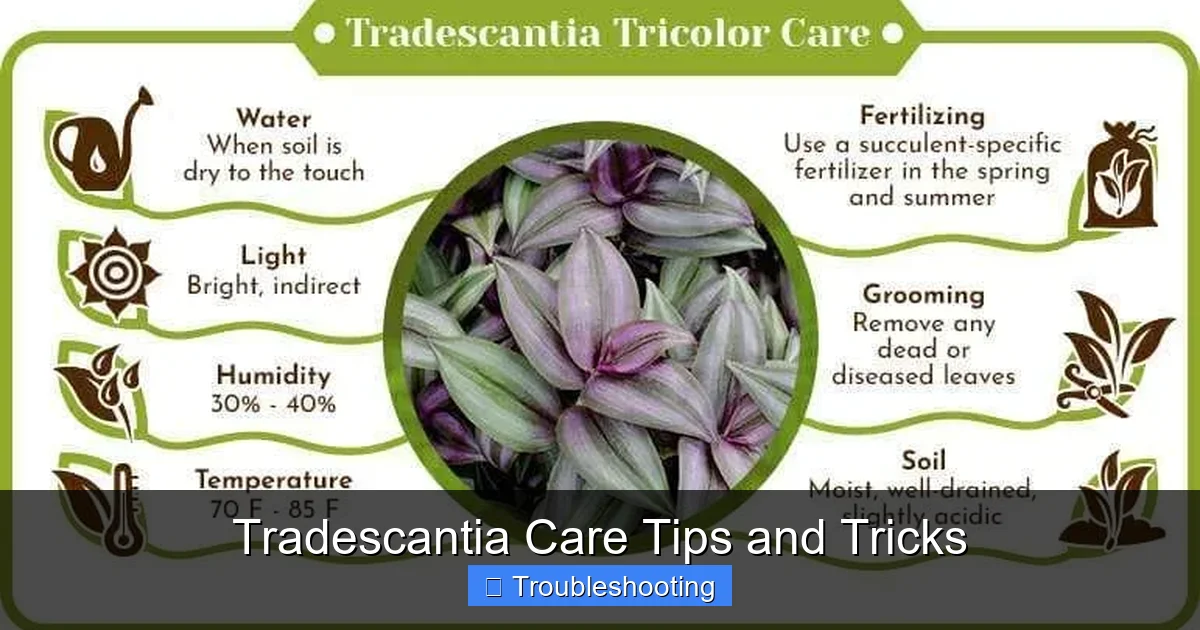
Light is the single biggest factor in tradescantia color. Too little light, and the leaves revert to plain green. Too much direct sun, and the delicate leaves scorch, turning crispy brown at the edges. The sweet spot is bright, indirect light — think near an east-facing window or a few feet back from a south or west window. Sheer curtains work wonders. I keep my nanouk on a north-facing windowsill with a grow light supplement in winter. It stays pink and compact. My zebrina hangs in a bright bathroom with frosted glass. The humidity helps, and the filtered light keeps the stripes sharp.
Visual guide about Tradescantia Care Tips and Tricks
Image source: storables.com
Signs Your Plant Needs More Light
Watch for leggy growth — long stems with wide gaps between leaves. That is the plant stretching for light. Fading variegation is another clue. New leaves emerge greener than old ones. If you see this, move the plant closer to the window or add a grow light. LED grow lights at 4000-6500K work well. Run them 12-14 hours a day. Rotate the pot weekly so all sides get even exposure. This prevents lopsided growth.
Seasonal Light Adjustments
In winter, light levels drop. Your tradescantia may slow down or lose some color. That is okay. Do not overcompensate with fertilizer. Just maintain the brightest spot you have. If you use grow lights, keep the same schedule. Come spring, the plant will bounce back fast. I have seen zebrina put out three feet of new growth in a single April.
Watering: The Balancing Act
How Often to Water
Tradescantia likes evenly moist soil. Not wet. Not bone dry. Stick your finger in the soil up to the first knuckle. If it feels dry, water. If it feels damp, wait. In summer, this might mean watering every 3-4 days. In winter, every 10-14 days. Pot size, soil mix, humidity, and light all change the frequency. A small terracotta pot in bright light dries fast. A large plastic pot in low light stays wet longer. Always check the soil, not the calendar.
Water Quality Matters
These plants are sensitive to chemicals in tap water. Chlorine and fluoride can cause brown leaf tips. If your tap water smells like a pool, let it sit out overnight before using. Better yet, use filtered water, rainwater, or distilled water. I keep a jug of filtered water by my plants. It makes a noticeable difference in leaf tip health, especially for nanouk and sillamontana.
Bottom Watering vs. Top Watering
Both work. Top watering flushes salts from fertilizer. Bottom watering encourages deep root growth and keeps leaves dry — important for fuzzy varieties like sillamontana. I alternate. Every other watering, I set the pot in a tray of water for 20 minutes. The soil wicks up moisture from the bottom. Then I top water to flush. This combo keeps roots happy and leaves clean.
Drainage Is Non-Negotiable
Never let tradescantia sit in standing water. Root rot sets in fast. Use pots with drainage holes. If your decorative pot has no hole, keep the plant in a nursery pot and slip it inside. Empty the cache pot after watering. I learned this the hard way when I lost a beautiful pallida to rot because I left water in the saucer for two days.
Soil Mix and Repotting
The Ideal Soil Recipe
Tradescantia needs a light, airy mix that holds moisture but drains fast. My go-to recipe: 2 parts high-quality potting soil, 1 part perlite, 1 part orchid bark or coco coir. This gives structure, aeration, and moisture retention. Avoid heavy garden soil or pure peat mixes. They compact over time and suffocate roots. If you buy a pre-made mix, look for one labeled for aroids or tropicals. Add extra perlite if it looks dense.
When and How to Repot
Repot in early spring, just as new growth starts. Signs it is time: roots circling the bottom, water running straight through without absorbing, or the plant drying out daily. Choose a pot only 1-2 inches larger. Too much extra soil stays wet and causes rot. Gently loosen the root ball. Trim any black, mushy roots. Place in fresh mix at the same depth as before. Water thoroughly. Hold off on fertilizer for 4-6 weeks — the fresh soil has nutrients.
Top-Dressing as an Alternative
If the plant is not root-bound but the soil looks tired, top-dress instead. Remove the top inch of soil and replace with fresh mix mixed with worm castings. This refreshes nutrients without disturbing roots. I do this every fall for my larger hanging baskets.
Humidity and Temperature
Ideal Humidity Range
Tradescantia comes from tropical and subtropical regions. It loves 50-60% humidity. Average homes sit around 30-40%, especially in winter with heating. Low humidity shows as crispy leaf tips, curled edges, and slower growth. Group plants together to create a microclimate. Use a pebble tray — fill a saucer with pebbles, add water just below the pebble tops, set the pot on top. As water evaporates, humidity rises around the plant. A small humidifier works even better. I run a tabletop humidifier near my plant shelf from November to March.
Misting: Helpful or Harmful?
Misting gives a temporary boost but can cause fungal issues if water sits on leaves — especially on fuzzy varieties. If you mist, do it in the morning so leaves dry by evening. Better to raise ambient humidity. I only mist my sillamontana when I see spider mites, since they hate moisture. Otherwise, I skip it.
Temperature Preferences
Keep tradescantia between 65-80°F (18-27°C). It can tolerate brief dips to 50°F but growth stops. Avoid cold drafts from windows, AC vents, or exterior doors. Hot drafts from heaters are just as bad — they dry the air and scorch leaves. Consistency is key. My plants sit on a shelf away from vents and drafty windows. They thank me with steady growth.
Pruning and Shaping for Fullness
Why Pruning Matters
Without pruning, tradescantia becomes a few long strings with leaves only at the ends. The base turns woody and bare. Pruning forces the plant to branch at the nodes, creating a fuller, bushier look. It also removes old, damaged, or reverted leaves. Think of it as a haircut — the plant grows back thicker.
How and When to Prune
Prune actively growing stems in spring and summer. Use clean, sharp scissors. Cut just above a node — the bump where leaves emerge. New growth will sprout from that node. You can remove up to one-third of the plant at once. For a major reshape, cut back hard in early spring. The plant will flush out fresh growth within weeks. I give my hanging baskets a light trim every 3-4 weeks during growing season. It takes two minutes and keeps them lush.
Using Cuttings to Fill Gaps
Here is a trick: take the cuttings you just pruned and stick them back into the same pot. Push the cut end into moist soil at the base of the plant. They will root in place and fill bare spots. This is the fastest way to turn a sparse pot into a full one. I do this every time I prune. Within a month, you cannot tell where the original plant ends and the cuttings begin.
Propagation: Multiply Your Collection
Water Propagation Step by Step
Water propagation is the easiest method and lets you watch roots form. Cut a 4-6 inch stem with at least 3-4 nodes. Remove the bottom 1-2 leaves. Place in a jar of room-temperature water, nodes submerged, leaves above water. Set in bright indirect light. Change water every 3-4 days to prevent bacteria. Roots appear in 7-14 days. When roots are 1-2 inches long, pot up in soil. Keep soil extra moist for the first week to ease transition.
Soil Propagation Step by Step
Soil propagation skips the transition shock. Take the same cuttings. Dip the cut end in rooting hormone (optional but speeds things up). Plant in moist propagation mix — half perlite, half coco coir. Cover with a clear plastic bag or dome to create a mini greenhouse. Vent daily. Keep in bright indirect light. Roots form in 2-3 weeks. Tug gently — resistance means roots. Then treat as a mature plant.
Propagation Tips for Success
Take cuttings in the morning when the plant is hydrated. Use stems that are firm, not flowering. Flowering stems root slower. For variegated varieties, choose cuttings with good variegation — but know that highly variegated stems have less chlorophyll and root slower. Be patient. Nanouk cuttings can take 3-4 weeks in water. Sillamontana prefers soil propagation; its fuzzy stems rot easily in water.
Fertilizing for Steady Growth
What to Use and How Often
Tradescantia is not a heavy feeder. A balanced liquid fertilizer at half strength, applied every 4-6 weeks during spring and summer, is plenty. I use a 10-10-10 or 20-20-20 diluted to half the label rate. In fall and winter, stop fertilizing entirely. The plant rests. Over-fertilizing causes salt buildup, burned roots, and weak, leggy growth. If you see white crust on the soil surface, flush the pot with water — run water through for 2-3 minutes until it runs clear.
Organic Options
Worm castings, fish emulsion, and seaweed extract work well. Top-dress with a handful of worm castings in spring. Or use fish emulsion at quarter strength monthly. These release slowly and improve soil biology. The smell is strong but fades fast. I alternate synthetic and organic — synthetic for precise control, organic for soil health.
Common Problems and Fixes
Leggy, Sparse Growth
Cause: insufficient light. Fix: move to brighter spot, add grow light, prune back hard, and propagate cuttings to fill in. This is the most common issue and the easiest to fix.
Brown,<3>Fading or Lost Variegation
Cause: low light or genetic reversion. Fix: increase light. If a stem reverts to solid green, prune it off — it will outgrow variegated stems. New growth from variegated nodes should keep color.
Crispy Leaf Tips and Edges
Cause: low humidity, underwatering, or tap water chemicals. Fix: raise humidity, check watering frequency, switch to filtered water. Trim crispy tips with clean scissors at an angle to mimic natural leaf shape.
Yellowing Leaves
Cause: overwatering, poor drainage, or nutrient deficiency. Fix: check roots. If mushy and black, trim rot, repot in fresh mix. If roots are healthy, let soil dry more between waterings. If older leaves yellow uniformly, try a light feed.
Pests: Spider Mites, Aphids, Mealybugs
Spider mites love dry air. Look for fine webbing and stippled leaves. Aphids cluster on new growth. Mealybugs hide in leaf axils as white cottony dots. Fix: isolate the plant. Spray with neem oil or insecticidal soap weekly for 3 weeks. Wipe leaves with alcohol-dipped cotton swab for mealybugs. Raise humidity to deter spider mites. Inspect weekly — early catch makes treatment easy.
Root Rot
Cause: chronic overwatering or no drainage. Fix: unpot, wash roots, trim all black mushy parts. Dip in 3% hydrogen peroxide for 5 minutes. Repot in fresh, dry mix. Do not water for 3-4 days. Then water sparingly until new growth appears.
Seasonal Care Calendar
Spring: Wake Up and Grow
Repot if needed. Resume fertilizing. Prune for shape. Take cuttings. Increase watering as light and growth ramp up. Check for pests that may have overwintered.
Summer: Peak Growth
Water frequently. Fertilize monthly. Prune every 3-4 weeks. Propagate freely. Move outdoors to shaded patio if nights stay above 60°F — they love the humidity and air flow. Bring back in before temps drop.
Fall: Slow Down
Reduce fertilizing by half in early fall, stop by late fall. Water less as growth slows. Do a final prune if plant looks messy. Top-dress soil. Check for pests before heating season starts.
Winter: Rest Period
Water only when top inch is dry. No fertilizer. Maximize light — move closer to windows, add grow lights. Run humidifier. Do not prune unless removing dead leaves. Expect slower growth and some leaf drop. This is normal.
Creative Display Ideas
Hanging Baskets
Classic for a reason. The trailing stems cascade beautifully. Use a lightweight plastic basket with a coco liner for moisture retention. Hang near a window, not in a dark corner. Rotate weekly for even growth.
Shelf Trailing
Set the pot on a high shelf and let stems drape down. This works well for nanouk, which stays more compact. Use a decorative pot with a saucer. Keep the trail off the floor to avoid damage.
Terrariums and Wardian Cases
Small varieties like ‘Green Hill’ or ‘Tricolor’ thrive in closed terrariums. High humidity, consistent moisture, and bright light create a perfect mini jungle. Open the lid weekly for air exchange.
Mixed Planters
Combine tradescantia with upright plants like pothos, philodendron, or ferns. The tradescantia fills the base and spills over edges. Use a wide, shallow pot. Ensure all plants share similar light and water needs.
Advanced Tradescantia Care Tips and Tricks
Pinching for Maximum Bushiness
Beyond regular pruning, try tip pinching. When a stem has 3-4 new leaves, pinch off the very tip with your fingernails. This forces two new branches from the node below. Do this repeatedly through spring and summer. By fall, one stem becomes a dense cluster. I do this on every new cutting once it roots. The result is a plant that looks like a full bouquet, not a handful of strings.
Using Growth Hormones Strategically
Rooting hormone powder (IBA) speeds propagation. But cytokinin-based pastes like Keiki paste can activate dormant nodes on the mother plant. Apply a tiny dab to a node where you want a branch. In 2-3 weeks, a new shoot emerges. This is great for filling bare spots without taking cuttings. Use sparingly — a little goes a long way.
Leaf Cleaning for Photosynthesis
Dust blocks light. Wipe leaves monthly with a damp microfiber cloth. Support the leaf from underneath to avoid snapping stems. For fuzzy varieties, use a soft makeup brush to dust. Clean leaves photosynthesize better and resist pests. I combine this with my weekly inspection routine.
Training on a Trellis or Moss Pole
Tradescantia can climb if given support. Insert a small moss pole or bamboo trellis in the pot. Gently tie stems with soft plant ties. The plant will root into the moss and grow upward, producing larger leaves. This is a fun way to change the look and save horizontal space. I have a pallida climbing a 12-inch moss pole — the leaves are twice the size of the trailing ones.
Troubleshooting Quick Reference
Symptom: Leaves Curling Inward
Usually underwatering or low humidity. Check soil. Water thoroughly. Increase humidity. Leaves should uncurl in 24 hours.
Symptom: Stems Turning Brown and Woody at Base
Natural aging. Prune above the woody part. Propagate the green tops. The plant renews itself this way.
Symptom: New Growth Tiny and Pale
Nutrient deficiency or root bound. Fertilize lightly. Check roots. Repot if circling.
Symptom: Sudden Leaf Drop
Shock from temperature change, draft, or severe dry-out. Stabilize conditions. Do not overcorrect with water. Wait for new growth.
Symptom: White Powder on Leaves
Could be mineral deposits from tap water or powdery mildew. Wipe with damp cloth. If it returns in days, treat for mildew with neem oil. Improve air circulation.
Conclusion
Tradescantia care tips and tricks boil down to a few consistent habits: bright light, even moisture, regular pruning, and occasional propagation. That is it. No fancy equipment. No strict schedules. Just attention and response. These plants communicate clearly — they stretch when they want light, crisp when they want humidity, yellow when they want drainage. Listen, adjust, and they reward you with growth that feels almost magical.
I have given away dozens of cuttings over the years. Each one carries a piece of the original plant I bought on a whim. That is the joy of tradescantia — it is generous. It wants to grow, to spread, to fill every space you give it. Start with one pot. Learn its rhythms. Then share the abundance. Your windowsills, shelves, and friends will thank you.
Frequently Asked Questions
Can tradescantia grow in low light?
Tradescantia can survive in low light but will become leggy, lose variegation, and grow slowly. For healthy, colorful growth, provide bright indirect light for at least 6 hours daily.
Is tradescantia toxic to pets?
Yes, tradescantia is mildly toxic to cats and dogs. The sap can cause skin irritation and stomach upset if ingested. Keep plants out of reach of curious pets.
How fast does tradescantia grow?
In ideal conditions, tradescantia can grow several inches per week during the growing season. It is one of the fastest-growing common houseplants.
Should I mist my tradescantia?
Misting provides only temporary humidity and can encourage fungal issues on fuzzy varieties. Use a humidifier or pebble tray instead for consistent humidity.
When should I repot my tradescantia?
Repot in early spring when roots circle the pot, water runs through without absorbing, or the plant dries out daily. Use a pot only 1-2 inches larger.
Why are my tradescantia stems turning brown and woody?
Woody stems are a natural part of aging. Prune back to green growth and propagate the cuttings to rejuvenate the plant. This is normal and not a sign of disease.