How Often to Water Parsley
Parsley needs consistent moisture but hates soggy roots. Water deeply when the top inch of soil feels dry — typically every 2-3 days in summer, weekly in cooler months. Adjust frequency based on container size, climate, and growth stage for lush, flavorful leaves all season.
Growing parsley feels rewarding until the leaves start yellowing or wilting and you wonder what went wrong. Nine times out of ten, the culprit is water — too much, too little, or at the wrong time. Figuring out how often to water parsley isn’t about following a rigid schedule. It’s about reading your plant, your soil, and your weather. This guide walks you through everything you need to know to keep your parsley happy, hydrated, and harvesting all season long.
I’ve grown parsley in raised beds, terracotta pots on a balcony, and a sunny kitchen windowsill. Each setup demanded a different rhythm. The parsley in my clay pots needed water every other day in July. The same variety in my raised bed went four days between drinks. The difference? Soil volume, drainage, and sun exposure. Once you understand the principles, you’ll stop guessing and start growing.
Key Takeaways
- Check soil before watering: Stick your finger one inch deep — if dry, it’s time to water; if moist, wait another day.
- Water deeply, not frequently: Thorough soaking encourages deep roots; light daily sprinkling creates shallow, vulnerable roots.
- Container parsley dries faster: Pots need watering 2-3 times more often than in-ground plants, especially in hot weather.
- Morning watering prevents disease: Water early so leaves dry before evening, reducing fungal risks like leaf spot.
- Reduce water in cool seasons: Cut frequency by half in fall and winter when growth slows and evaporation drops.
- Mulch retains moisture: A 1-2 inch layer of straw or shredded leaves cuts watering needs by 30% and keeps roots cool.
- Watch for telltale signs: Yellow leaves often mean overwatering; wilting with dry soil means underwatering.
Quick Answers to Common Questions
How often should I water parsley in a pot during summer?
Check daily. Small pots (under 10 inches) often need daily watering in summer heat. Large pots (12+ inches) typically need water every 1-2 days. Always use the finger test — water when the top inch feels dry.
Can I water parsley at night?
Avoid night watering. Wet leaves overnight invite fungal diseases like leaf spot and powdery mildew. Water early morning so foliage dries quickly. If you must water late, aim only at soil, not leaves.
Why is my parsley wilting even though the soil is wet?
This usually means root rot from overwatering. Rotted roots can’t absorb water, so the plant wilts despite wet soil. Check roots — healthy ones are white and firm. Trim brown mushy roots and repot in fresh, well-draining mix.
Does parsley need less water in winter?
Yes, significantly less. Growth slows or stops in cold temperatures. Outdoor parsley in cold climates needs no water when dormant. Indoor parsley needs water only when top 1-2 inches dry — typically every 7-10 days.
Should I mist parsley leaves?
Misting isn’t necessary for parsley and can promote fungal issues in humid conditions. Focus water at the soil level. If indoor air is very dry, use a pebble tray or humidifier instead of misting foliage directly.
📑 Table of Contents
- Understanding Parsley’s Water Needs
- How Often to Water Parsley: The Baseline Rules
- Container Parsley: Special Considerations
- In-Ground and Raised Bed Parsley
- Seasonal Adjustments for How Often to Water Parsley
- Reading Your Parsley: Signs of Water Stress
- Watering Methods: Pros and Cons
- Special Situations: Parsley Watering Troubleshooting
- Advanced Tips for Parsley Watering Mastery
- Common Myths About Watering Parsley
- Creating Your Personal Parsley Watering Schedule
- Conclusion
Understanding Parsley’s Water Needs
Why Consistent Moisture Matters
Parsley has a taproot that grows deep, but its feeder roots stay near the surface. These shallow roots absorb water and nutrients fast — but they also dry out fast. When soil moisture swings wildly between bone-dry and sopping wet, the plant stresses. Stressed parsley bolts early, turns bitter, or succumbs to pests.
Think of parsley like a sponge. It wants to stay evenly damp, not dripping. When you master how often to water parsley, you’re really learning to maintain that sweet spot where the soil feels like a wrung-out sponge — moist but not muddy.
The Taproot Factor
That long central taproot is parsley’s insurance policy. Once established, it can reach moisture deeper than many herbs. But young plants don’t have this advantage. Seedlings and recent transplants rely entirely on surface moisture. Their roots haven’t stretched down yet. This means how often to water parsley changes dramatically as the plant matures.
First-year parsley (it’s a biennial) focuses on leaf production. Second-year plants shift energy to flowering and seed. Water needs peak during that first-year leafy growth phase. Understanding this lifecycle helps you anticipate when to increase or decrease frequency.
How Often to Water Parsley: The Baseline Rules
The Finger Test — Your Best Tool
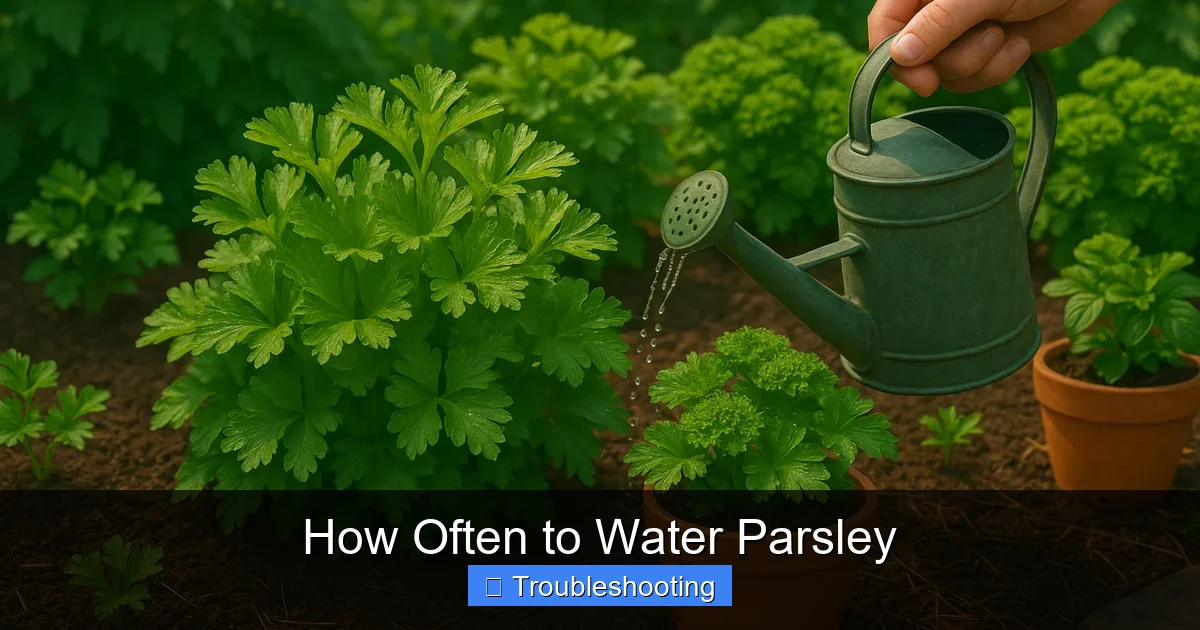
Forget calendar schedules. Your finger knows more than any app. Push your index finger into the soil up to the first knuckle — about one inch deep. Pull it out. Feel the tip. Dry? Water now. Cool and damp? Wait. Wet? You overdid it last time.
Visual guide about How Often to Water Parsley
Image source: cultivatedearth.com
This simple test accounts for everything: pot size, soil type, wind, humidity, cloud cover. It works for containers, raised beds, and in-ground rows. Make it a daily habit during hot spells. In cooler weather, check every two to three days. The finger test is the single most reliable way to nail how often to water parsley without guessing.
General Frequency Guidelines
As a starting reference, here’s what typical frequency looks like across common scenarios:
- In-ground, spring/fall: Every 5-7 days
- In-ground, summer heat: Every 3-4 days
- Raised beds, spring/fall: Every 4-6 days
- Raised beds, summer: Every 2-3 days
- Large containers (12+ inches), spring/fall: Every 3-4 days
- Large containers, summer: Every 1-2 days
- Small containers (under 10 inches), summer: Daily, sometimes twice daily
- Indoor pots, year-round: Every 4-7 days depending on humidity
Notice the pattern? Smaller soil volume = faster drying. More sun and heat = faster drying. Wind = faster drying. Mulch = slower drying. These aren’t rules — they’re clues. Always verify with the finger test.
Deep Watering vs. Frequent Sprinkling
Here’s where many gardeners go wrong. A quick daily splash wets only the top quarter-inch. Roots stay shallow because they have no reason to chase moisture downward. Shallow roots mean a plant that keels over the moment you miss a day.
Instead, water slowly and deeply. Apply water until it pools slightly, let it soak in, then repeat. For containers, water until it drains freely from the bottom holes. For beds, run a soaker hose or drip line for 20-30 minutes. This trains roots to follow moisture deep, creating a resilient plant that handles missed waterings.
Deep watering also reduces how often to water parsley overall. A thorough soak every three days beats a light sprinkle every day. Less work for you, stronger roots for your parsley.
Container Parsley: Special Considerations
Pot Material Changes Everything
Terracotta breathes. Plastic doesn’t. A parsley plant in a 12-inch terracotta pot might need water every 36 hours in July. The same plant in a glazed ceramic or plastic pot of identical size might go three days. The porous clay wicks moisture from the soil sides, accelerating evaporation.
Fabric grow bags dry fastest of all — great for preventing root rot, brutal during heat waves. If you use fabric pots, check daily in summer. Consider grouping them together to create a microclimate that slows drying.
Potting Mix Matters More Than You Think
Garden soil in a pot compacts into concrete. Always use a quality potting mix with peat moss or coconut coir, perlite or vermiculite, and compost. These ingredients hold water like a sponge while draining excess. Cheap mixes heavy on sand or bark drain too fast, forcing you to water constantly.
Want to stretch time between waterings? Mix in water-retaining crystals (hydrogel) at planting time. They absorb 300 times their weight in water and release it slowly. Or add a 20% compost ratio — organic matter acts like a natural reservoir.
Drainage Holes Are Non-Negotiable
No holes = no oxygen for roots = root rot. Every container needs multiple drainage holes. If your decorative pot lacks them, drill them. Or use the pot-as-cachepot method: keep parsley in a plastic nursery pot with holes, set that inside the pretty pot, and empty the cachepot after watering.
Elevate containers on pot feet or bricks. This prevents the drainage holes from sealing against the ground and ensures air circulates beneath. Good airflow around the pot reduces how often to water parsley slightly by moderating soil temperature.
In-Ground and Raised Bed Parsley
Soil Type Dictates Frequency
Sandy soil drains fast — water every 2-3 days in summer. Clay soil holds water — water every 5-7 days. Loam (the goldilocks mix) sits around 3-4 days. Don’t know your soil? Do the jar test: fill a jar one-third with soil, add water, shake, let settle 24 hours. Sand settles bottom, silt middle, clay top. The proportions tell you the drainage personality.
Amend heavy clay with compost and coarse sand to improve drainage. Amend sandy soil with compost and coconut coir to boost retention. Both moves normalize how often to water parsley toward that 3-4 day sweet spot.
Mulch: The Water-Saving Secret
Bare soil loses moisture to evaporation fast. A 1-2 inch layer of straw, shredded leaves, grass clippings (herbicide-free!), or pine needles cuts evaporation by 30-50%. Mulch also suppresses weeds that compete for water, moderates soil temperature, and breaks down to feed soil life.
Apply mulch after seedlings reach 3-4 inches tall. Keep it an inch away from stems to prevent rot. Replenish as it decomposes. Mulched beds often need water half as often as bare beds — a game-changer for busy gardeners.
Spacing Affects Water Use
Crowded parsley creates a living mulch — leaves shade the soil, reducing evaporation. But overcrowding invites fungal disease and reduces air flow. Ideal spacing: 8-10 inches between plants, rows 12-18 inches apart. This balance gives enough canopy cover to conserve moisture without creating a humid fungus factory.
If you’re harvesting cut-and-come-again style, plants stay smaller and you can space tighter. For full-size bunches, give them room. Either way, monitor soil moisture at the base of plants, not between rows.
Seasonal Adjustments for How Often to Water Parsley
Spring: Establishment Phase
New transplants and direct-sown seedlings need consistent moisture to establish roots. Check daily for the first two weeks. Water lightly but frequently — the top inch must never crust over. Once you see new growth (usually 10-14 days post-transplant), shift to deeper, less frequent watering.
Spring rains often handle how often to water parsley for you. But don’t assume. A light drizzle barely wets the surface. Use a rain gauge. One inch of rain = one deep watering skipped. Less than half an inch? Water anyway.
Summer: Peak Demand
This is the marathon. High heat, long days, intense sun. Parsley transpires (releases water vapor) rapidly. Check soil morning and evening during heat waves. Containers may need twice-daily watering. In-ground plants appreciate a midday misting to cool foliage — but only if leaves dry before night.
Consider shade cloth (30-40%) during extreme heat (>90°F/32°C). It reduces water demand 20-30% and prevents bolting. Drip irrigation with a timer saves sanity. Set it for early morning, 3-4 times weekly, adjusting for rain.
Fall: Tapering Off
As days shorten and nights cool, growth slows. Evaporation drops. Cut watering frequency by 30-50%. The finger test becomes even more critical — soil stays wet longer. Overwatering in fall is the top cause of root rot and fungal issues.
Stop fertilizing 6-8 weeks before first frost. Tender new growth from late feeding gets nipped by cold. Keep watering until hard freeze if parsley remains green and growing. In mild climates (zone 7+), parsley often overwinters with minimal water.
Winter: Dormancy or Slow Growth
In cold climates, outdoor parsley dies back. Mulch heavily (4-6 inches straw) after ground freezes to prevent heaving. No watering needed — snow melt provides moisture.
In warm climates or indoor setups, parsley keeps growing slowly. Water when top 1-2 inches dry — typically every 7-10 days indoors. Reduce volume per watering too. Cool temperatures + low light = low water uptake. Soggy cold soil kills roots fast.
Reading Your Parsley: Signs of Water Stress
Underwatering Symptoms
Parsley tells you when it’s thirsty. Learn the language:
- Wilting in afternoon heat that perks up by morning: Early warning. Roots can’t keep up with transpiration. Water deeply tomorrow morning.
- Wilting that persists into morning: Critical. Soil is bone dry. Water immediately, slowly, thoroughly.
- Leaves turning yellow from the bottom up: Chronic underwatering. Plant sacrifices old leaves to save new growth.
- Leaves feeling papery, crisp, or curling: Severe dehydration. Tissue damage occurring.
- Stunted growth, few new leaves: Long-term moisture deficit. Plant in survival mode.
- Soil pulling away from pot edges: Extreme dryness. Water runs straight down gaps without wetting root ball. Submerge pot in bucket until bubbles stop.
Overwatering Symptoms
Too much love drowns roots. Watch for:
- Yellow leaves, but soft and mushy (not crisp): Classic overwatering. Roots rotting, can’t transport nutrients.
- Wilting despite wet soil: Paradoxical but definitive. Rotten roots can’t absorb water. Plant drowns while swimming.
- Green algae or moss on soil surface: Constant surface moisture. Reduce frequency, improve airflow.
- Fungus gnats hovering: Their larvae love wet soil. Let top inch dry completely between waterings.
- Foul, sour smell from soil: Anaerobic conditions. Root rot advancing. Repot in fresh mix, trim black roots.
- Edema — blisters or corky bumps on leaves: Roots take up water faster than leaves transpire. Cells burst.
The Recovery Protocol
Caught it early? Adjust how often to water parsley and monitor. Chronic issues need intervention:
For underwatered containers: Submerge entire pot in a bucket of lukewarm water. Hold down until air bubbles stop rising (5-10 minutes). Drain thoroughly. Move to shade for 24 hours. Resume normal care.
For overwatered containers: Tip pot on side. Gently slide out root ball. Inspect roots — healthy are white/cream and firm. Rotten are brown/black and mushy. Trim rot with clean scissors. Repot in fresh, barely moist mix. Don’t water for 3-4 days. Keep in bright indirect light.
For in-ground plants: You can’t repot easily. Improve drainage by gently forking in compost around the drip line (don’t stab roots). Reduce watering. Apply foliar feed (diluted seaweed extract) to support recovery without stressing roots.
Watering Methods: Pros and Cons
Hand Watering (Can or Hose)
Pros: Total control. You see exactly where water goes. Great for spot-checking. Meditative garden time.
Cons: Time-consuming for large plantings. Easy to rush and under-water. Inconsistent depth.
Best for: Small beds, containers, seedling establishment, gardeners who enjoy the ritual.
Soaker Hoses
Pros: Waters soil, not leaves. Efficient. Can snake through beds. Low pressure = deep soak.
Cons: Clogs with mineral buildup. Hard to know run time for 1-inch depth. Rodents chew them.
Best for: Long rows, raised beds, gardeners with timers.
Drip Irrigation
Pros: Precise delivery to each plant. Automatable. Water savings up to 60% vs. sprinklers. Keeps foliage dry.
Cons: Setup cost and complexity. Emitters clog. Requires pressure regulator and filter. Hard to modify.
Best for: Large plantings, vacation-proofing, water-restricted areas.
Sprinklers
Pros: Covers large area fast. Cools foliage. Good for seed germination.
Cons: Wets leaves = disease risk. High evaporation loss (30-50%). Uneven coverage. Winds blows spray.
Best for: Newly seeded areas only. Avoid for established parsley.
Self-Watering Containers
Pros: Reservoir provides steady moisture. Reduces how often to water parsley to weekly refills. Great for vacations.
Cons: Can stay too wet in cool weather. Salt buildup in reservoir. Roots may grow into water and rot. Expensive.
Best for: Busy gardeners, hot climates, consistent indoor growing.
Special Situations: Parsley Watering Troubleshooting
Newly Germinated Seedlings
Parsley seeds take 14-28 days to sprout. During this marathon, the soil surface must never dry out. Cover seed trays with clear plastic dome or plastic wrap. Mist daily. Once 50% germinate, remove cover. Bottom water (set tray in water) to avoid disturbing delicate roots. Transition to finger-test watering at true leaf stage (2-3 weeks post-sprout).
Recently Transplanted Parsley
Transplant shock reduces water uptake. Water thoroughly at planting. Then water lightly daily for 3-5 days — just enough to keep root ball moist while new roots explore surrounding soil. After a week, shift to deep, infrequent schedule. Shade new transplants with row cover or cardboard tent for 2-3 days.
Parsley in Hot, Dry Climates
Desert and Mediterranean summers demand strategy. Double mulch (newspaper + straw). Use ollas (buried unglazed clay pots filled with water) for slow-release moisture. Plant in afternoon shade or east-facing beds. Choose heat-tolerant varieties like ‘Giant of Italy’ or ‘Dark Green Italian’. Water at dawn and dusk during extreme heat.
Parsley in Humid Climates
High humidity slows evaporation but breeds fungal disease. Water early morning only — never evening. Space plants wider (12+ inches). Use drip irrigation exclusively. Mulch with pine needles (acidic, discourages some fungi). Remove yellow leaves promptly. Consider raised beds for better drainage.
Indoor Parsley Year-Round
Indoor air is dry (especially with heating). But low light reduces water use. Check soil every 3-4 days. Water thoroughly until drainage, then empty saucer. Mist foliage weekly or use pebble tray for humidity. Rotate pot weekly for even growth. Supplemental grow light (12-14 hours) increases water needs — adjust accordingly.
Advanced Tips for Parsley Watering Mastery
Use a Moisture Meter (But Don’t Trust It Blindly)
Cheap probes ($10-15) give a rough reading. Helpful for deep pots where your finger can’t reach. But they measure electrical conductivity, not moisture directly — fertilizers skew results. Calibrate yours: test in bone-dry soil, then saturated soil, note the range. Use as a secondary check, not primary.
Weigh Your Pots
Lift containers when fully watered. Note the heft. Lift again when dry. The weight difference is dramatic. Soon you’ll gauge moisture by heft alone — no finger test needed. Works best for pots under 20 pounds.
Install a Rain Gauge
Empty tuna can works. Place in garden, measure after rain. One inch = skip watering. Half inch = check soil, probably skip. Quarter inch = decorative only, water anyway. Track weekly totals. Parsley needs ~1 inch per week (rain + irrigation) in active growth.
Group Plants by Water Needs
Parsley plays well with cilantro, chives, lettuce — all like consistent moisture. Keep away from rosemary, thyme, lavender, sage — they want dry feet. Hydrozoning (grouping by water needs) prevents overwatering drought-lovers or underwatering thirsty ones.
Water Quality Matters
Chlorinated tap water? Let it sit overnight in open buckets — chlorine dissipates. Hard water (high minerals)? Causes salt buildup in containers. Flush monthly with 2x pot volume of rainwater or distilled. Rainwater is gold — collect it. Parsley prefers slightly acidic water (pH 6.0-6.5).
Common Myths About Watering Parsley
Myth: “Parsley Likes Wet Feet”
False. Parsley likes consistent moisture, not saturation. “Wet feet” implies standing water or soggy soil — the fast track to root rot. The taproot needs oxygen. Waterlogged soil displaces air. Think damp sponge, not swamp.
Myth: “Water Every Day in Summer”
Daily light watering creates shallow roots. Exception: tiny pots in blazing sun. Otherwise, deep watering every 2-3 days builds resilience. If you must water daily, you have a soil volume or mulch problem, not a plant problem.
Myth: “Don’t Water at Midday Because Droplets Burn Leaves”
Water droplets don’t act as magnifying glasses — physics debunked this. But midday watering wastes water to evaporation (up to 50% loss). Morning is best. Evening second-best if foliage dries before dark. Midday only for emergency rescue of severely wilted plants.
Myth: “Wilting Always Means Water Now”
Afternoon wilting in heat is often temporary — leaves lose water faster than roots absorb. If plant perks up by morning, it’s fine. Watering every time you see afternoon wilt leads to overwatering. Check soil first.
Myth: “More Water = More Growth”
Only to a point. Beyond field capacity (soil holding max water against gravity), extra water just displaces oxygen. Growth plateaus then declines. The goal is steady supply at root zone, not maximum volume.
Creating Your Personal Parsley Watering Schedule
Week 1: Observe and Record
Don’t change anything. Just check soil daily with finger test. Note: date, time, weather (sunny/cloudy, high temp), soil feel (dry/moist/wet), plant appearance. After 7 days, patterns emerge.
Week 2: Test Adjustments
If soil dried daily, water deeper or mulch. If soil stayed wet 4+ days, water less volume or improve drainage. Adjust one variable at a time. Keep recording.
Week 3+: Lock In Your Rhythm
By now you know your specific how often to water parsley baseline. Create a simple chart: “Mon/Thu deep soak, check Wed.” Adjust for heat waves (add check day) or rain (skip). Review monthly as seasons shift.
The Vacation Plan
Going away? For 3-4 days: water deeply, mulch heavily, move containers to shade, group together. For 5-7 days: add self-watering spikes (test first!), or ask a neighbor with your written schedule. For 10+ days: drip timer or plant-sitter essential. Harvest heavily before leaving — less foliage = less transpiration.
Conclusion
Mastering how often to water parsley isn’t about memorizing a schedule. It’s about building a relationship with your soil and your plant. The finger test, deep watering, seasonal awareness, and reading stress signals — these skills transfer to every plant you’ll ever grow.
Start today. Stick your finger in that parsley pot. Feel the soil. That tactile connection teaches you more than any article. Your parsley will reward you with armloads of vibrant, flavorful leaves for tabbouleh, chimichurri, garnish, and green juice all season. And when a friend asks your secret, you’ll smile and say, “I just listen to the soil.”
Happy growing. Your parsley is thirsty for your attention — not just your water.
Frequently Asked Questions
How often to water parsley seedlings?
Parsley seedlings need consistently moist soil — never let the surface dry out during germination (14-28 days). Mist or bottom-water daily. Once true leaves appear, transition to the finger test: water when top inch feels dry.
Can parsley recover from overwatering?
Yes, if caught early. Stop watering, improve drainage, and let soil dry to barely moist. For severe cases, repot in fresh mix after trimming rotten roots. Recovery takes 2-3 weeks. Chronic overwatering often kills the plant.
What’s the best time of day to water parsley?
Early morning (5-9 AM) is ideal. Water soaks in before heat, foliage dries fast, and evaporation loss is minimal. Evening is second choice if leaves dry before dark. Avoid midday — up to 50% water loss to evaporation.
How do I know if my parsley needs water?
Use the finger test: push finger 1 inch into soil. Dry at fingertip = water now. Cool/damp = wait. Also watch for afternoon wilting that persists into morning, yellowing lower leaves, or soil pulling from pot edges.
Does parsley like wet or dry soil?
Parsley likes evenly moist soil — like a wrung-out sponge. Not soggy, not bone dry. Consistent moisture produces tender, flavorful leaves. Extremes in either direction cause stress, bolting, or root disease.
How much water does parsley need per week?
Parsley needs about 1 inch of water per week (rain + irrigation combined) during active growth. In hot weather, this may increase to 1.5 inches. Measure with a rain gauge or tuna can. Deep soakings 2-3 times weekly beat daily sprinkles.