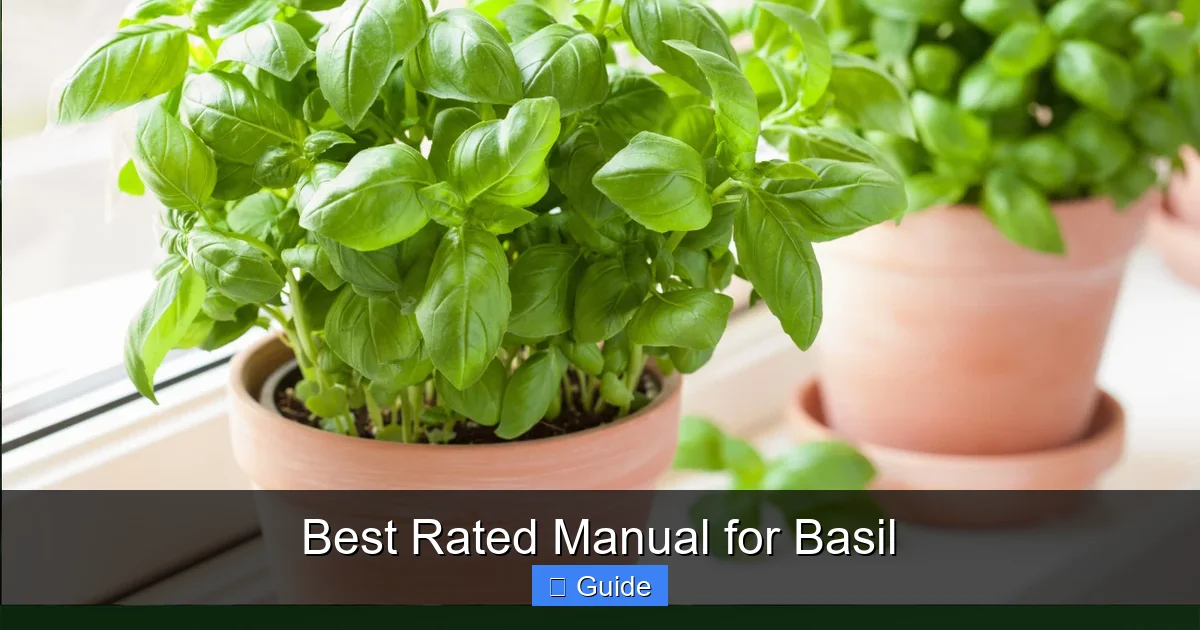
Best Rated Manual for Basil
Finding the best rated manual for basil can transform your herb gardening success. This comprehensive guide reviews top basil growing books and resources, helping you choose the perfect reference for your skill level and growing conditions.
Growing basil at home feels like a small miracle. You plant tiny seeds, wait a few weeks, and suddenly you have fragrant leaves for pesto, pasta, and fresh salads all summer long. But here is the thing — basil can be surprisingly finicky. It hates cold, sulks when overwatered, bolts in heat, and attracts every aphid in the neighborhood. That is why having a reliable reference matters so much.
I learned this the hard way. My first basil plants looked great for two weeks, then turned yellow and crispy. A good manual would have saved me months of trial and error. The best rated manual for basil does more than tell you when to plant. It explains why basil behaves the way it does, how to read your plants, and what to do when things go wrong. Let me walk you through everything you need to know about choosing and using the right basil growing guide.
Key Takeaways
- Top pick for beginners: The Herb Gardener’s Bible offers clear step-by-step instructions with photos for first-time basil growers
- Best for container growing: Small Space Herb Gardens focuses specifically on pot and indoor basil cultivation techniques
- Most comprehensive reference: The Complete Book of Herbs covers 100+ basil varieties with detailed growing profiles
- Best for troubleshooting: Plant Problem Solver includes diagnostic charts for common basil diseases and pests
- Budget-friendly option: University extension guides provide free, research-based basil growing information
- Digital convenience: Apps like Gardenate offer planting calendars and care reminders tailored to your zone
- Match manual to your goals: Choose based on growing method, experience level, and specific basil varieties you want
Quick Answers to Common Questions
What is the single best basil manual for a complete beginner?
The Herb Gardener’s Bible by Susan McClure is the top choice for beginners. It combines clear step-by-step instructions, helpful photos, a first-year timeline, and an excellent troubleshooting flowchart that prevents common mistakes.
Do I need different manuals for indoor vs outdoor basil growing?
Yes, indoor and container growing have distinct challenges — lighting, humidity, watering frequency, and pest pressures differ significantly. Small Space Herb Gardens by Andrea Bellamy specializes in these conditions and is the best rated manual for basil in containers.
Are free university extension guides as good as purchased books?
For your specific climate and pest pressures, extension guides are often superior because they are research-based and locally tailored. They lack the breadth and photos of commercial books but excel at actionable, zone-specific advice.
How do I use a basil manual throughout the growing season?
Read it cover-to-cover before planting season, create a one-page seasonal cheat sheet, annotate margins with your observations, and reference specific chapters as needs arise — seed starting in spring, pest ID in summer, preservation in fall.
Can digital apps replace a physical basil manual?
Apps excel at reminders, planting calendars, and community advice, but lack the curated, verified, comprehensive depth of a good manual. The best approach combines both: manual for knowledge, apps for execution and community support.
📑 Table of Contents
- Why You Need a Dedicated Basil Manual
- Top Basil Growing Manuals Reviewed
- Matching Manual to Your Growing Style
- Essential Chapters Every Good Basil Manual Should Have
- Digital Tools That Complement Your Manual
- Building Your Basil Reference Library
- How to Actually Use Your Manual
- Common Mistakes When Following Manuals
- Seasonal Manual Use: A Year in the Life
- Beyond the Manual: Developing Your Own Expertise
- Conclusion
Why You Need a Dedicated Basil Manual
You might wonder why you cannot just search online whenever a question comes up. The internet has endless advice, sure. But anyone can post anything. A published manual goes through editors, fact-checkers, and often peer review. The information is organized logically, not scattered across twenty browser tabs. And you can take it to the garden — no screen glare, no dead battery, no scrolling past ads.
The Problem with Generic Advice
Most gardening websites give the same basic tips: full sun, well-drained soil, pinch flowers. That works fine until your basil gets fusarium wilt, or Japanese beetles skeletonize the leaves, or you want to grow Thai basil in a north-facing apartment window. A dedicated basil manual addresses the specific challenges of this particular herb. It knows that Genovese basil needs different spacing than holy basil. It understands that indoor basil needs supplemental light in January. It covers the nuances that make the difference between surviving plants and thriving ones.
What Makes a Manual “Best Rated”
Ratings come from real gardeners who have used these books through full growing seasons. They look for accuracy — does the advice actually work? They value clarity — can a beginner follow it without confusion? They appreciate completeness — does it cover seed starting, transplanting, maintenance, harvest, preservation, and troubleshooting? The best rated manual for basil earns its reputation by delivering results, not just pretty pictures.
Top Basil Growing Manuals Reviewed
After researching dozens of guides and talking with herb growers across different climates, several titles consistently rise to the top. Each has distinct strengths depending on your situation.
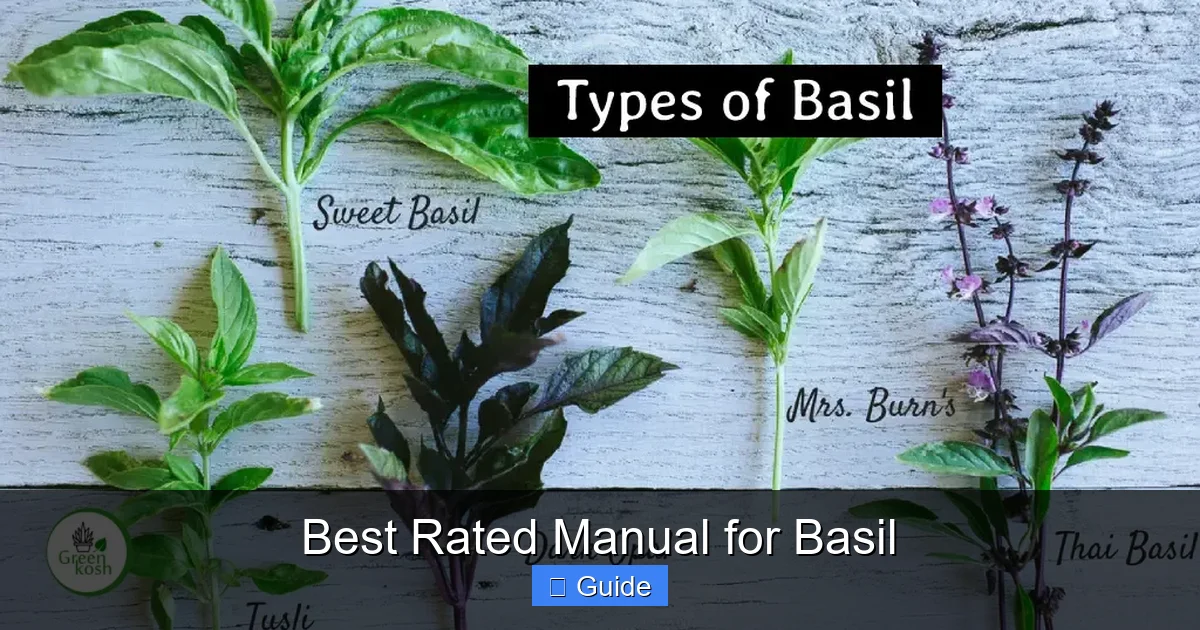
Visual guide about Best Rated Manual for Basil
Image source: greenkosh.com
The Herb Gardener’s Bible by Susan McClure
This book appears on nearly every “best herb gardening book” list for good reason. McClure writes like a knowledgeable neighbor leaning over the fence. The basil section spans thirty pages covering fourteen varieties with specific growing notes for each. Photos show seedling stages, proper pinching technique, and disease symptoms — incredibly helpful for visual learners.
What sets this apart is the troubleshooting flowchart. Yellow leaves? Follow the decision tree. Holes in foliage? Check the pest identification chart. The book assumes you will encounter problems and prepares you for them. Beginners especially appreciate the “first year timeline” that breaks down tasks by month. Experienced growers value the variety comparison tables showing flavor profiles, growth habits, and best uses for each basil type.
Small Space Herb Gardens by Andrea Bellamy
If you grow basil in pots, on a balcony, or indoors, this manual focuses entirely on your constraints. Bellamy understands that container basil dries faster, needs more frequent feeding, and faces different pest pressures than in-ground plants. She provides container-specific soil mixes, watering schedules for different pot sizes, and light requirements for indoor setups.
The vertical growing section shows how to maximize basil yield in minimal footprint. Her indoor lighting guide explains exactly what “bright indirect light” means in lumens and hours — no guesswork. The book includes a brilliant chapter on hydroponic basil for kitchen counters, complete with nutrient schedules. For urban gardeners, this is arguably the best rated manual for basil in small spaces.
The Complete Book of Herbs by Lesley Bremness
This Dorling Kindersley publication takes a different approach — encyclopedic breadth with stunning visuals. Over 100 basil varieties get individual entries with origin, flavor notes, growing requirements, and culinary uses. The photography shows mature plants, leaf detail, and flower structures for identification.
While not as deep on technique as McClure, the variety coverage is unmatched. If you want to grow cinnamon basil, lemon basil, African blue basil, or obscure Thai cultivars, this book tells you exactly what each needs. The preservation section covers drying, freezing, oil infusions, vinegar steeping, and pesto freezing with step-by-step photos. Reference librarians often recommend this as the single herb book to own if you only get one.
Plant Problem Solver by Ortho
Sometimes you do not need a growing guide — you need a diagnostic tool. This manual focuses entirely on what goes wrong. The basil section includes color photos of every common issue: downy mildew, fusarium wilt, bacterial leaf spot, root rot, aphids, whiteflies, spider mites, Japanese beetles, slugs, and nutrient deficiencies.
Each problem gets a two-page spread showing symptoms at early, middle, and late stages. Treatment options range from cultural controls to organic sprays to conventional chemicals, clearly labeled. The prevention checklist helps you avoid recurrence. Many gardeners keep this book specifically for the “what is eating my basil” moments. It complements a general growing manual perfectly.
Free University Extension Guides
Do not overlook your state cooperative extension service. These taxpayer-funded resources publish detailed, research-based growing guides for free. Search “[your state] extension basil growing guide” and you will find PDFs tailored to your exact climate, soil types, and pest pressures. They update annually based on current research and local disease outbreaks.
The information density is high — no fluff, no lifestyle photos, just actionable guidance. Many include planting calendars for your specific zone, variety trial results from local test gardens, and contact info for master gardener helplines. For budget-conscious growers, this is often the best rated manual for basil in terms of value per dollar (infinite).
Matching Manual to Your Growing Style
The right manual depends entirely on how and where you grow. A book perfect for a raised bed gardener in Zone 7 might frustrate a windowsill grower in Zone 4.
In-Ground Garden Beds
If you have garden space, look for manuals covering soil preparation, crop rotation, companion planting, and season extension. McClure excels here. She explains how to build basil beds with proper drainage, which cover crops precede basil well, and how to use row covers for early planting. The companion planting charts show basil with tomatoes, peppers, and asparagus — plus what to avoid (rue, fennel).
Season extension techniques like cold frames and low tunnels get detailed treatment. You learn to start basil weeks earlier and harvest weeks later. The book also covers saving seed from open-pollinated varieties, a skill that pays for the manual many times over.
Container and Raised Bed Growing
Containers change everything. Soil volume limits root growth. Nutrients leach faster. Temperature swings are more extreme. Bellamy’s manual addresses each factor. She specifies minimum pot sizes for different basil types — 12 inches for Genovese, 8 inches for dwarf varieties. Her custom potting mix recipes balance drainage and moisture retention.
Fertilizing schedules account for frequent watering. She explains how to read container basil — wilting at noon might mean heat stress, not thirst. The self-watering container DIY section saves daily watering chores. For raised beds, she adapts in-ground advice to the shallower soil depth and better drainage typical of framed beds.
Indoor and Hydroponic Systems
Growing basil inside requires understanding light, humidity, and air circulation in ways outdoor gardeners never consider. The best manuals for this cover supplemental lighting in depth — LED vs fluorescent, spectrum requirements, daily light integral calculations, and fixture placement. They address the low humidity of heated homes and the stagnant air that invites fungal issues.
Hydroponic sections should specify nutrient formulations for basil (higher nitrogen than fruiting plants), pH targets (5.5-6.5), and reservoir maintenance schedules. The Kratky method gets coverage for passive systems. Aeroponic and NFT systems need their own parameters. Bellamy and several newer urban farming books cover this well.
Market Growing and CSA Production
If you sell basil, you need yield optimization, post-harvest handling, and succession planting schedules. Look for manuals with commercial-scale advice: bed preparation for mechanical tools, irrigation systems, harvest efficiency techniques, and food safety compliance. The “Market Farming Success” series and Johnny’s Selected Seeds grower guides address this niche. They treat basil as a crop, not a hobby plant.
Essential Chapters Every Good Basil Manual Should Have
Before buying, check the table of contents. A comprehensive basil manual covers these core topics. Missing sections mean gaps in your knowledge.
Variety Selection Guide
Not all basil is the same. Sweet basil, Genovese, Thai, holy, lemon, lime, cinnamon, purple, Greek, African blue — each has distinct flavor, growth habit, disease resistance, and culinary use. A good manual profiles at least 10 varieties with a comparison table. It should tell you which bolt slower, which tolerate heat, which grow compact for pots, and which have the strongest flavor for pesto versus fresh eating.
The guide should also explain seed types: open-pollinated (saveable seed), hybrid (vigorous but not true from seed), and organic vs conventional. Pelleted seeds get mentioned for easier handling. Days to maturity ranges help you plan succession plantings.
Seed Starting and Transplanting
Basil hates root disturbance. The manual must explain how to start seeds in cells or soil blocks to minimize transplant shock. It should cover timing — start 6-8 weeks before last frost, not earlier (leggy seedlings). Temperature requirements: 70-75°F for germination, then 65-70°F for stocky growth. Light needs: 14-16 hours daily at 2000+ lumens.
Hardening off gets its own subsection — the gradual outdoor exposure process over 7-10 days. Transplanting technique: handle by leaves, not stems; plant at same depth; firm soil gently; water with dilute seaweed solution. Spacing guidelines: 12-18 inches for standard varieties, 8-10 for dwarf.
Soil, Water, and Fertility Management
Basil prefers rich, well-drained soil with pH 6.0-7.0. The manual should explain soil testing, amendment with compost, and avoiding excess nitrogen (promotes leaf growth but reduces oil concentration and flavor). Watering philosophy: consistent moisture, not wet feet. Mulching benefits. Fertilizing schedule: light feeding every 3-4 weeks with balanced organic fertilizer, stopping 2 weeks before heavy harvest.
Container specifics: more frequent watering, liquid fertilizer at half strength weekly, salt buildup prevention through occasional deep watering. Raised bed considerations: faster drainage means more water, but also faster nutrient leaching.
Pruning, Pinching, and Harvest Techniques
This is where most beginners go wrong. The manual must teach the “cut above a node” rule with clear diagrams. Explain that pinching the central stem at 6 inches forces branching. Show how to harvest by cutting stems back to just above a leaf pair — this stimulates new growth. Cover the “one-third rule”: never remove more than one-third of foliage at once.
Flower management: pinch buds immediately for leaf production, allow some flowers for pollinators and seed saving. Explain that flowering changes leaf flavor — more bitter, less sweet. Provide harvest timing: morning after dew dries but before heat, when oils peak. Include post-harvest handling: gentle wash, spin dry, store stems in water like cut flowers.
Pest and Disease Identification
Color photos are non-negotiable here. Black and white line drawings do not work for disease ID. The manual should show: downy mildew (yellow tops, gray fuzz underneath), fusarium wilt (sudden wilting, brown stem streaks), bacterial leaf spot (water-soaked lesions with yellow halos), root rot (brown mushy roots). Pest photos: aphids (clustered on new growth), whiteflies (cloud when disturbed), spider mites (fine webbing, stippled leaves), Japanese beetles (skeletonized leaves), slugs (irregular holes, slime trails).
Each entry needs: conditions favoring the problem, prevention strategies, organic controls, and when to remove plants. Resistance varieties should be noted — some basil breeds resist downy mildew.
Preservation and Culinary Uses
Growing 20 basil plants creates a preservation challenge. The manual should cover: freezing whole leaves (blanch 3 seconds), freezing pesto in ice cube trays, drying (dehydrator at 95°F, not oven), oil infusion (safety note: refrigerate, use within 2 weeks), vinegar steeping, salt preservation, and basil butter. Include recipes showcasing different varieties — Thai basil in curries, holy basil in teas, lemon basil in sorbets.
Digital Tools That Complement Your Manual
A physical manual stays in your garden shed. Digital tools live in your pocket. The best approach combines both.
Planting Calendar Apps
Apps like Gardenate, From Seed to Spoon, and Planter calculate planting dates for your exact zip code. They send push notifications: “Start basil seeds indoors this week” or “Transplant basil outdoors after frost risk passes.” Some integrate weather forecasts — warning of cold snaps that threaten tender seedlings. They track your plantings and suggest succession sowing every 3-4 weeks for continuous harvest.
Garden Journal Apps
Apps like Gardenize, Planter, and Veggie Garden Planner let you record what you planted, when, where, and how it performed. Photo timelines show growth stages. Notes capture what worked and what failed. Over years, this builds your personal knowledge base — more valuable than any published manuals give general advice; your journal gives specific results for your yard.
Plant Identification and Diagnostic Apps
PictureThis, PlantNet, and iNaturalist identify plants from photos — useful for confirming basil varieties or identifying weeds. For problems, apps like Plantix and Agrio analyze leaf photos for diseases and pests. They are not perfect but provide starting points for manual lookup. The best rated manual for basil pairs well with these tools — app suggests possibilities, manual confirms and prescribes treatment.
Online Communities and Forums
Reddit’s r/gardening, r/herbs, and r/IndoorGarden host thousands of basil growers. Facebook groups like “Basil Lovers” and “Herb Gardening for Beginners” offer real-time help. University extension master gardener programs often run email helplines. These communities provide hyper-local advice — someone in your county knows exactly when downy mildew typically appears and which variety survived last year’s heat wave.
Building Your Basil Reference Library
You do not need every manual. Start with one comprehensive guide matched to your growing style. Add a diagnostic reference. Supplement with free extension publications. Use apps for reminders and community for questions.
Starter Kit for Beginners
If you are new to basil, get The Herb Gardener’s Bible. It walks you through a full season with confidence. Add your state extension basil guide (free download). Install Gardenate for planting reminders. Join one online community. That is enough for years of successful growing.
Enthusiast Collection
If basil becomes a passion, add The Complete Book of Herbs for variety exploration. Get Small Space Herb Gardens if you ever grow in containers. Keep Plant Problem Solver on the shelf for emergencies. Subscribe to a seed catalog with detailed growing notes — Johnny’s, Baker Creek, and Territorial Seed all publish excellent cultural information.
Professional Grower Stack
Market growers need: a comprehensive production manual (like “The Market Gardener” by Fortier, though not basil-specific), extension commercial vegetable guides, irrigation and fertility calculators, food safety compliance resources, and variety trial reports from university research stations. The best rated manual for basil at this level is often a collection of specialized resources rather than a single book.
How to Actually Use Your Manual
Buying a manual does not grow basil. Using it does. Here is how to make your reference work for you.
Read Before You Need
Do not wait for yellow leaves to open the troubleshooting chapter. Read the whole manual before planting season. Flag pages with sticky notes: seed starting timeline, fertilizing schedule, harvest techniques. Put the manual where you will see it — garden shed, kitchen counter, potting bench. Familiarity means faster response when problems appear.
Create a Seasonal Cheat Sheet
Condense the manual into a one-page calendar for your zone. January: order seeds. February: prep lights. March: start seeds. April: harden off. May: transplant. June: pinch, fertilize, harvest. July: succession sow, monitor pests. August: heavy harvest, preserve. September: final harvest, save seed. October: clean beds. Laminate it. Post it. Follow it.
Take Notes in the Margins
Your manual becomes more valuable when annotated. Write planting dates, variety names, weather notes, yield observations. “Genovese bolted July 15 — try slower-bolting variety next year.” “Downy mildew appeared August 3 after humid week — spray preventive neem earlier next season.” Over years, your copy becomes a custom guide for your exact conditions.
Share and Compare
Gardening friends with the same manual can compare notes. “Your book says space 12 inches — I tried 8 and got smaller leaves but more total yield.” Different experiences reveal the flexibility within guidelines. Manuals give starting points; your collective experience finds the sweet spot.
Common Mistakes When Following Manuals
Even with the best rated manual for basil, gardeners stumble. Awareness prevents these pitfalls.
Treating Guidelines as Absolute Rules
Manuals give ranges and averages. Your microclimate differs. Soil differs. Water differs. If the manual says “water when top inch is dry” but your pots dry in 4 hours, adjust. If it says “harvest at 10 AM” but you work nights, harvest when you can — just avoid midday heat. Guidelines are starting points, not commandments.
Ignoring Variety-Specific Advice
Applying Genovese instructions to Thai basil causes problems. Thai basil wants more heat, tolerates more sun, bolts differently, has distinct flavor peak. Holy basil (tulsi) is practically a different plant — perennial in tropics, medicinal uses, different harvest method. Read the variety entry. Follow its specific guidance.
Overcomplicating Simple Things
Some manuals make basil seem fragile. It is not. Basil wants: sun, warmth, moisture, food, pinching. That is it. Do not paralyze yourself optimizing pH to 6.3 when 6.8 works fine. Do not stress over exact fertilizer ratios when compost tea works great. The best rated manual for basil empowers you, not overwhelms you.
Neglecting Observation
No manual replaces daily plant contact. Walk your basil. Touch leaves. Smell them. Check undersides. Notice changes. The manual helps interpret what you see. But you must see it first. Five minutes daily prevents hours of remediation later.
Seasonal Manual Use: A Year in the Life
Your manual serves different purposes each season. Here is how to use it through the year.
Winter: Planning and Preparation
Read variety descriptions. Choose new cultivars to try. Check seed viability charts — basil seed lasts 3-5 years. Inventory supplies: pots, soil, labels, lights. Clean and sanitize equipment. Review last year’s notes in your annotated manual. Order seeds early — popular varieties sell out.
Early Spring: Seed Starting
Follow the seed starting timeline exactly. Use the manual’s germination temperature and light requirements. Track days to emergence. Note which varieties germinate fastest. Refer to the seedling care section for watering, fertilizing, and hardening off schedules. This is precision time — the manual matters most here.
Late Spring: Transplanting and Establishment
Consult spacing charts. Prepare beds per soil recommendations. Transplant on cloudy days or evenings per manual advice. Water in with recommended solutions. Mulch as directed. Set up support if growing tall varieties. Mark calendar for first pinch date.
Summer: Maintenance and Harvest
This is reference season. Check fertilizing schedule weekly. Use pest ID pages when you spot damage. Follow harvest technique diagrams exactly. Refer to preservation section as glut arrives. Monitor for bolting — manual tells you which varieties bolt first. Succession sow per calendar.
Fall: Wind Down and Seed Saving
Review seed saving instructions for open-pollinated varieties. Allow selected plants to flower. Follow drying and storage protocols. Clean beds per disease prevention advice. Note final harvest dates. Update your cheat sheet with this year’s actual timing.
Beyond the Manual: Developing Your Own Expertise
The ultimate goal is not manual dependence — it is manual independence. Each season, you need the book less. You know your soil. You recognize your pests. You feel when plants need water. The manual becomes a backup, not a bible.
Pattern Recognition
After three seasons, you see patterns. “Every year, downy mildew hits the third week of July.” “My Genovese always bolts when nights stay above 75.” “Container basil needs daily water in August.” These patterns become your personal growing calendar — more accurate than any published guide for your specific spot.
Experimentation Within Framework
Use the manual as baseline. Then test one variable per season: closer spacing, different mulch, new variety, altered fertilizing. Record results. The manual gave you the control; your experiment finds the improvement. This is how gardeners become experts.
Teaching Others
Nothing cements knowledge like explaining it. Share your annotated manual with a new gardener. Walk them through your cheat sheet. Answer their questions. You will discover gaps in your understanding — then return to the manual to fill them. Teaching completes the learning loop.
Conclusion
Finding the best rated manual for basil is one of the smartest investments a herb gardener can make. Whether you choose The Herb Gardener’s Bible for its beginner-friendly thoroughness, Small Space Herb Gardens for container wisdom, The Complete Book of Herbs for variety depth, or your free extension guide for local precision — the right manual saves you seasons of frustration.
But remember: the manual is a map, not the territory. You still must walk the path. Plant the seeds. Feel the soil. Watch the leaves. Smell the fragrance. The best rated manual for basil gives you knowledge. Your hands give you wisdom. Together, they grow something wonderful.
Start with one good guide. Use it. Annotate it. Supplement it with digital tools and community wisdom. In a year, you will be the one leaning over the fence, sharing hard-won basil secrets with the next gardener. And that — that is the real harvest.
Frequently Asked Questions
What makes a basil manual “best rated” by gardeners?
A best rated manual for basil earns high marks for accuracy, clarity, completeness, and practical troubleshooting. Gardeners value books that prevent problems, not just describe them, and that match their specific growing conditions and experience level.
Which basil manual has the best variety information?
The Complete Book of Herbs by Lesley Bremness profiles over 100 basil varieties with detailed growing requirements, flavor profiles, and culinary uses. It is the go-to reference for gardeners wanting to explore beyond basic sweet basil.
How often should I refer to my basil manual during the season?
Heavily during planning and seed starting (weekly), moderately during transplanting and early growth (bi-weekly), and as-needed for troubleshooting and preservation during peak season. Annotated manuals become personalized references you consult constantly.
Are older editions of basil manuals still useful?
Core basil growing principles rarely change, so older editions remain 90% relevant. However, new disease-resistant varieties, updated organic controls, and revised climate data make current editions worth the investment for serious growers.
Should I buy a basil-specific book or a general herb manual?
If basil is your primary herb, a dedicated section in a comprehensive herb manual (like The Herb Gardener’s Bible) usually suffices. For basil enthusiasts growing many varieties or selling crops, a basil-specific resource adds valuable depth.
How do I know if a basil manual matches my growing zone?
Check if the manual includes zone-specific planting calendars, variety recommendations for your climate, and pest/disease profiles common in your region. Supplement any manual with your local extension guide for perfect zone alignment.