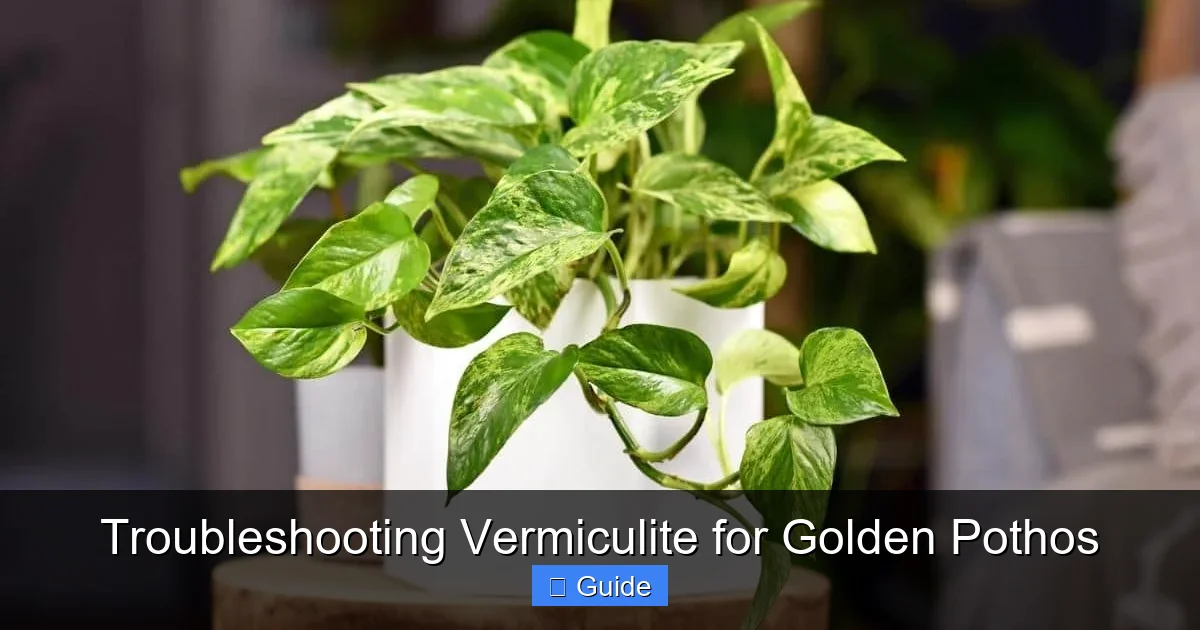
Troubleshooting Vermiculite for Golden Pothos
Troubleshooting vermiculite for golden pothos helps you fix common growing problems like water retention, root rot, and nutrient deficiencies. This guide covers everything from proper mixing ratios to signs your plant needs a soil change.
Golden pothos is one of the most forgiving houseplants you can grow. It trails beautifully from shelves, climbs moss poles with ease, and bounces back from neglect like a champ. But even this tough plant has limits. If you have been troubleshooting vermiculite for golden pothos because your plant looks unhappy, you are not alone. Many plant parents reach for vermiculite thinking it will help with moisture. It does hold water well. Sometimes too well.
Vermiculite is a natural mineral that expands when heated. It looks like shiny, accordion-shaped flakes. Gardeners love it because it retains moisture and nutrients. It also aerates soil to some degree. But for golden pothos, which hails from tropical forests where roots get air flow and quick drainage, pure vermiculite can spell trouble. The good news? Most issues are easy to fix once you know what to look for. Let us walk through the common problems, why they happen, and how to get your pothos thriving again.
Key Takeaways
- Vermiculite holds too much water alone: Always mix it with perlite or orchid bark for better drainage.
- Golden pothos prefers slightly dry conditions: Pure vermiculite keeps roots wet too long and causes rot.
- Watch for yellow leaves and mushy stems: These are early signs of overwatering in vermiculite-heavy mixes.
- Use a 1:1:1 ratio for best results: Combine vermiculite, perlite, and peat moss or coco coir.
- Repot every 12 to 18 months: Vermiculite breaks down and compacts over time.
- Test moisture before watering: Stick your finger two inches deep into the mix.
- Fertilize lightly during growing season: Vermiculite holds nutrients but can cause salt buildup.
Quick Answers to Common Questions
Can I use pure vermiculite for golden pothos?
No, pure vermiculite holds too much water and lacks aeration. Golden pothos needs a well-draining mix. Always combine vermiculite with perlite and organic matter like coco coir.
Why are my pothos leaves turning yellow in vermiculite?
Yellow leaves usually mean overwatering. Vermiculite retains moisture longer than most media. Check root health and reduce watering frequency. Ensure your pot has drainage holes.
How often should I water golden pothos in a vermiculite mix?
Water only when the top two inches feel dry. This could be every 7 to 14 days depending on light, humidity, and pot size. Never water on a fixed schedule.
What is the best soil mix ratio for golden pothos with vermiculite?
Use one part vermiculite, one part perlite, and one part peat moss or coco coir. Add one part orchid bark for extra drainage and structure if possible.
Does vermiculite cause root rot in pothos?
Vermiculite itself does not cause rot, but its high water retention creates conditions for rot if overwatered. Proper drainage and watering habits prevent this issue.
📑 Table of Contents
- Understanding Vermiculite and Golden Pothos Needs
- Common Signs Your Vermiculite Mix Is Failing
- Fixing Drainage and Aeration Issues
- Watering Practices for Vermiculite Mixes
- Nutrient Management in Vermiculite-Based Media
- Dealing with Pests and Diseases in Vermiculite
- Advanced Tips for Thriving Golden Pothos
- Conclusion
Understanding Vermiculite and Golden Pothos Needs
What Is Vermiculite Anyway
Vermiculite starts as a hydrated laminar mineral. When heated to high temperatures, it pops like popcorn into lightweight, absorbent flakes. These flakes can hold three to four times their weight in water. They also grab onto nutrients like potassium, calcium, and magnesium. That sounds great on paper. For seed starting or moisture-loving ferns, it is perfect. For golden pothos? Not so much on its own.
Golden Pothos Natural Habitat Clues
In the wild, golden pothos grows as an epiphyte. It climbs tree trunks in Southeast Asian rainforests. Its roots cling to bark and moss. They get rained on often but dry fast thanks to air movement. The soil equivalent is chunky, loose, and fast-draining. Think orchid mix, not sponge. When we pot pothos in dense, waterlogged media, roots suffocate. That is where troubleshooting vermiculite for golden pothos begins.
Why Vermiculite Alone Causes Problems
Vermiculite particles are flat and plate-like. They stack tightly when wet. This reduces air pockets. Roots need oxygen as much as water. Without it, anaerobic bacteria take over. Root rot follows. Also, vermiculite has a near-neutral pH around 7.0. Pothos prefers slightly acidic conditions, roughly 6.0 to 6.5. Over time, pure vermiculite can drift out of the ideal range. Nutrient lockout happens. Leaves yellow. Growth stalls.
Common Signs Your Vermiculite Mix Is Failing
Yellowing Lower Leaves
Older leaves turning yellow often means overwatering. In a vermiculite-heavy pot, the bottom stays soggy longest. Roots there rot first. The plant sacrifices lower foliage to survive. If you see yellow leaves and the mix feels wet days after watering, drainage is the culprit.
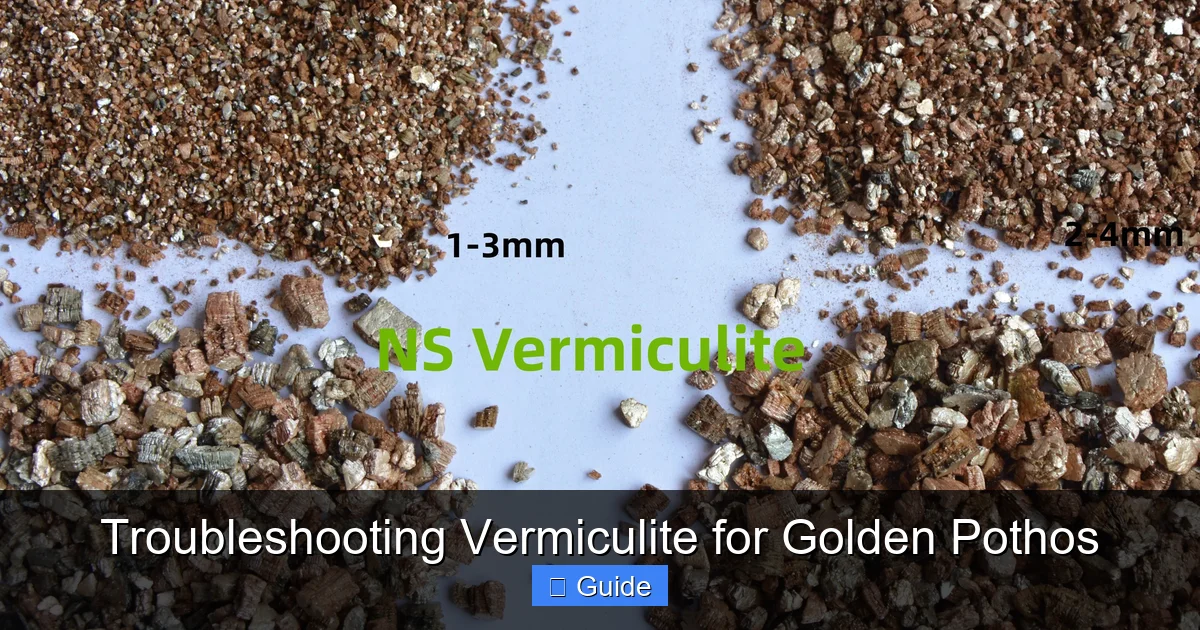
Visual guide about Troubleshooting Vermiculite for Golden Pothos
Image source: ningshucn.com
Mushy Stems Near Soil Line
This is a red flag. Stem rot at the base means fungi are active. Vermiculite holds moisture against the stem. If the plant sits deep in the pot with wet flakes touching the crown, rot spreads fast. Check for a foul smell. Healthy roots smell earthy. Rotting roots smell sour or like old socks.
Fungus Gnats Flying Around
These tiny black flies love damp organic matter. Their larvae feed on fungi and root hairs in wet vermiculite. You will see them zigzag near the soil surface. An infestation means the mix stays too wet too long. It is a symptom, not the root cause.
Stunted Growth and Small Leaves
Pothos should push out new leaves every week or two in growing season. If yours sits unchanged for months, roots may be struggling. Compacted vermiculite limits root expansion. Fewer roots mean less water and nutrient uptake. The plant conserves energy by making smaller leaves.
White Crust on Soil Surface
That crust is mineral salt buildup. Vermiculite holds fertilizer ions tightly. When water evaporates, salts concentrate at the top. They can burn tender roots. Flush the pot monthly with plain water to prevent this. Let water run through for a minute or two.
Fixing Drainage and Aeration Issues
The Ideal Mix Ratio for Golden Pothos
Forget pure vermiculite. Aim for a light, chunky blend. A classic recipe: one part vermiculite, one part perlite, one part peat moss or coco coir. Perlite adds large air pockets. Coir holds moisture but rewets easily. Vermiculite buffers nutrients. Together they mimic forest floor conditions. Adjust ratios based on your climate. Humid areas need more perlite. Dry homes can use a bit more vermiculite.
Adding Orchid Bark for Structure
Orchid bark creates macro pores. These are large channels for air and water movement. Add one part fine orchid bark to the mix above. It breaks down slowly. It also encourages beneficial microbes. Your pothos will root into bark pieces happily. This is a game changer for long-term health.
Using Pumice or Leca as Alternatives
Pumice is volcanic rock. It holds some water but drains instantly. It never compacts. Leca (lightweight expanded clay aggregate) works similarly. Both are reusable. Swap half your perlite for pumice if you tend to overwater. These inorganic options make troubleshooting vermiculite for golden pothos much easier because they remove the guesswork.
Pot Choice Matters Too
Terracotta wicks moisture away. Plastic traps it. If you use a vermiculite-rich mix, choose terracotta or a pot with lots of drainage holes. Add a layer of coarse gravel at the bottom? Skip it. Science shows it creates a perched water table. Just use a good mix and a proper pot.
Watering Practices for Vermiculite Mixes
The Finger Test Never Lies
Forget schedules. Stick your index finger two inches deep. If it feels cool and damp, wait. If dry, water thoroughly. Vermiculite can feel dry on top but soaked below. Always check deep. This one habit prevents ninety percent of problems.
Bottom Watering Pros and Cons
Bottom watering lets the mix drink from below. It encourages deep roots. But with vermiculite, it can oversaturate the lower third. If you bottom water, limit soak time to fifteen minutes. Drain fully. Top water occasionally to flush salts.
Seasonal Adjustments
Pothos grows fast in spring and summer. It drinks more. In fall and winter, growth slows. Water half as often. Keep the same deep-check method. A vermiculite mix in a dark corner in January needs very little water. Overwatering in winter is the number one killer.
Water Quality Considerations
Tap water with high chlorine or fluoride can build up in vermiculite. Let water sit overnight before use. Or use filtered water. Rainwater is best. Hard water raises pH over time. Since vermiculite is already neutral, this pushes it alkaline. Acidify occasionally with a dash of vinegar if needed.
Nutrient Management in Vermiculite-Based Media
Vermiculite Cation Exchange Capacity
Vermiculite has high CEC. It grabs positively charged nutrients. This sounds good. But it can hold them too tight. Roots cannot access them. You fertilize but the plant starves. This is called nutrient lockout. The fix? Flush regularly and use dilute, frequent feeding.
Choosing the Right Fertilizer
Use a balanced liquid fertilizer at quarter strength. Apply every two weeks in growing season. Look for one with micronutrients. Avoid slow-release pellets in vermiculite. They dump nutrients unpredictably when the mix stays wet. Liquid gives you control.
Signs of Deficiency vs Toxicity
Pale new leaves with green veins? Iron deficiency. Often from high pH. Brown leaf tips? Salt burn or potassium excess. Yellow edges? Magnesium shortage. Vermiculite binds magnesium. Add a pinch of Epsom salts monthly if you see this. Always diagnose before dosing.
Repotting to Refresh the Mix
Vermiculite degrades. After a year, plates collapse. Air space vanishes. Repot in fresh mix annually. Spring is best. Gently shake off old media. Trim any black, mushy roots. Pot in your improved blend. Water in well. Your pothos will thank you with a growth spurt.
Dealing with Pests and Diseases in Vermiculite
Fungus Gnat Control
Let the top inch dry completely between waterings. Gnats need constant moisture to breed. Add a half-inch layer of sand or diatomaceous earth on top. It dries fast and slices larvae. Yellow sticky traps catch adults. Bacillus thuringiensis israelensis (BTI) bits in water kill larvae safely.
Root Rot Recovery Steps
If you catch it early, unpot the plant. Rinse roots under lukewarm water. Cut away all brown, mushy parts with sterile scissors. Dip healthy roots in three percent hydrogen peroxide for a minute. Repot in fresh, chunky mix. Hold off watering for three days. Keep humidity high but soil dry.
Preventing Stem and Crown Rot
Plant at the same depth as before. Do not bury stems. Keep vermiculite away from the crown. Use a chopstick to poke air holes monthly. This breaks surface tension and lets oxygen penetrate. A small fan on low nearby works wonders for air flow.
Mealybugs and Scale in Damp Conditions
These pests love stressed plants. Wet vermiculite weakens pothos. Inspect leaf undersides and stem joints weekly. Dab pests with alcohol on a cotton swab. Spray neem oil weekly for three weeks. Fix the moisture issue or they will return.
Advanced Tips for Thriving Golden Pothos
Semi-Hydroponic with Leca and Vermiculite
Some growers use a reservoir system. Leca at bottom. Vermiculite-perlite mix above. Water wicks up. Roots get constant moisture and air. It works but needs monitoring. Nutrient solution must be precise. pH must stay 5.5 to 6.0. Not for beginners but very effective.
Propagating in Vermiculite
Vermiculite is excellent for rooting cuttings. It stays evenly moist. Cuttings root fast. Use pure medium-grade vermiculite in a clear cup. Keep humid. Transplant to chunky mix once roots are two inches long. Do not leave them in pure vermiculite long term.
Using Vermiculite as a Top Dressing
A thin layer on top of your regular mix can slow evaporation. It looks neat too. But keep it under half an inch. Thick layers become a wet blanket. This trick helps in very dry homes or for forgetful waterers.
Mixing for Different Pothos Varieties
Golden pothos is tough. Variegated types like Marble Queen or N’Joy need more light and slightly better drainage. Increase perlite to fifty percent for them. Neon pothos handles standard mix fine. All benefit from orchid bark. The principles of troubleshooting vermiculite for golden pothos apply across the family.
Conclusion
Golden pothos wants to live. It really does. When it struggles in vermiculite, it is usually because we loved it too much with water. The mineral itself is not bad. It just needs partners. Perlite for air. Bark for structure. Coir for balanced moisture. Together they create a mix that breathes, drains, and feeds steadily.
Start with the finger test. Adjust your mix. Watch for yellow leaves, gnats, or salt crust. Repot yearly. Fertilize lightly. Give it bright indirect light. Do these things and your pothos will grow so fast you will be giving cuttings to friends. Troubleshooting vermiculite for golden pothos is not about fighting the media. It is about understanding what roots need. Air. Water. Balance. Get that right and the rest follows naturally.
Your pothos can be the jungle vine of your dreams. It just needs the right foundation. Now you have the knowledge to build it. Happy growing.
Frequently Asked Questions
Can I reuse vermiculite from an old pothos pot?
Yes, you can reuse vermiculite if the previous plant was healthy. Sterilize it by baking at 180 degrees Fahrenheit for 30 minutes. Mix with fresh perlite and coir before repotting.
Is vermiculite better than perlite for golden pothos?
Neither is better alone. Vermiculite holds water and nutrients. Perlite provides drainage and aeration. Golden pothos thrives with both in a balanced mix.
How do I know if my vermiculite is compacted?
Water pools on top instead of soaking in. The mix feels dense and hard. Roots circle the pot with little new growth. Repot with fresh, fluffy media to fix this.
Can I add vermiculite to a pre-made potting mix?
Yes, adding 10 to 20 percent vermiculite to a standard indoor mix improves moisture retention. Do not exceed this or drainage will suffer.
What grade of vermiculite is best for pothos?
Medium grade (grade 3 or 4) works best. Fine grade compacts too much. Coarse grade drains too fast. Medium balances water hold and air space.
Should I fertilize differently when using vermiculite?
Yes. Vermiculite holds nutrients tightly. Use half-strength liquid fertilizer every two to three weeks. Flush monthly with plain water to prevent salt buildup.