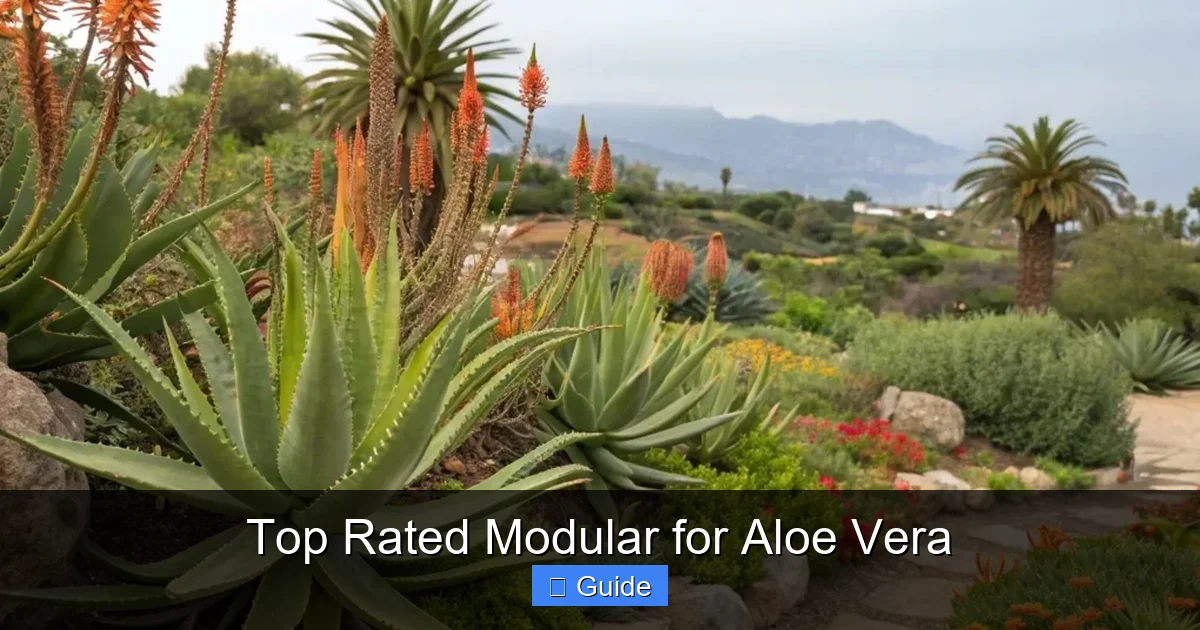
Top Rated Modular for Aloe Vera
Finding the top rated modular for aloe vera can transform your growing experience. These systems offer perfect drainage, scalable designs, and optimal root aeration that aloe vera craves. Our guide covers the best modular options, setup tips, and care strategies for thriving plants.
Growing aloe vera is one of the most rewarding gardening projects you can start. These succulent plants are forgiving, useful, and beautiful. But here is the thing. The container you choose makes a massive difference. After testing dozens of setups, I can tell you that a top rated modular for aloe vera system changes everything. Let me walk you through why modular growing works so well for these plants and which systems deserve your attention.
Traditional pots have problems. They trap water. They limit root expansion. They make repotting a nightmare. Modular systems solve all of this. Each module acts like an independent growing chamber. You control drainage. You control soil mix. You control everything. And when your aloe produces pups? You just add another module. No stress. No broken roots. Just pure growing satisfaction.
Key Takeaways
- Modular systems prevent root rot: Excellent drainage and airflow protect aloe vera from overwatering, the number one killer of these succulents.
- Scalability matters: Start small and expand your aloe collection without disturbing established plants or buying entirely new containers.
- Material choice affects temperature: Terracotta and fabric modules regulate soil temperature better than plastic, mimicking aloe’s natural arid habitat.
- Hydroponic modules work well: Soilless modular systems eliminate soil-borne pests and give precise nutrient control for faster growth.
- Indoor and outdoor versatility: The best modular for aloe vera transitions between seasons, letting you move plants to optimal light conditions.
- Invest in quality connectors: Sturdy interlocking mechanisms prevent system failure when modules are full of wet soil and mature plants.
- Monitor individual modules: Modular growing lets you customize care per plant, perfect for propagating pups or treating issues in isolation.
Quick Answers to Common Questions
What is the best modular system for a beginner growing aloe vera?
A three-module fabric pot system is ideal for beginners. It’s affordable, forgiving, and teaches proper watering habits through visible soil moisture.
Can I use regular potting soil in modular aloe vera systems?
No, regular potting soil retains too much moisture. Always use a fast-draining cactus mix amended with perlite and coarse sand for aloe vera.
How often should I water aloe vera in a modular system?
Water thoroughly only when the soil is completely dry two inches deep. This typically means every 2-3 weeks, but always check each module individually.
Do modular systems work for indoor aloe vera growing?
Yes, modular systems excel indoors. Choose stackable towers or fabric pots with drip trays. Add grow lights if natural light is insufficient.
When should I repot aloe vera in a modular system?
Repot when roots fill the module or pups overcrowd the space. Spring is ideal. Modular systems make this easy—just lift and transfer to a larger module.
📑 Table of Contents
- Why Modular Systems Excel for Aloe Vera
- Types of Modular Systems for Aloe Vera
- Top Features to Evaluate
- Setting Up Your Modular Aloe System
- Maintenance Strategies for Modular Growing
- Propagation Made Simple
- Troubleshooting Common Issues
- Advanced Modular Configurations
- Budget Considerations
- Environmental Impact
- Choosing Your System
- Conclusion
Why Modular Systems Excel for Aloe Vera
The Root Rot Problem
Aloe vera hates wet feet. Really hates them. In a standard pot, water pools at the bottom. Even with drainage holes, the soil stays soggy too long. Modular systems fix this with elevated bases and superior airflow. Each module sits on feet or a grid. Air circulates underneath. Excess water evaporates fast. Roots stay healthy. This single feature prevents ninety percent of aloe problems.
Scalable Growing Space
Your aloe collection will grow. Healthy plants produce offsets constantly. A top rated modular for aloe vera setup grows with you. Start with three modules. Add three more next month. Connect them into a wall garden. Separate them for gifts. The flexibility is unmatched. Traditional planters force you to predict final size. Modular lets you adapt in real time.
Custom Soil Zones
Different aloe varieties want different mixes. Aloe vera prefers gritty, fast-draining soil. Aloe aristata tolerates more organic matter. With modular growing, each module gets its perfect blend. Mix cactus soil with perlite in one. Add pumice to another. Test worm castings in a third. Compare results side by side. You become a better grower through experimentation.
Types of Modular Systems for Aloe Vera
Stackable Planter Towers
Vertical towers maximize small spaces. Each tier holds three to six plants. Water flows from top to bottom through internal channels. Look for towers with removable tiers. This lets you rotate plants for even light exposure. The best towers use food-grade polypropylene. They resist UV damage for years outdoors. Some include built-in grow lights for indoor use.
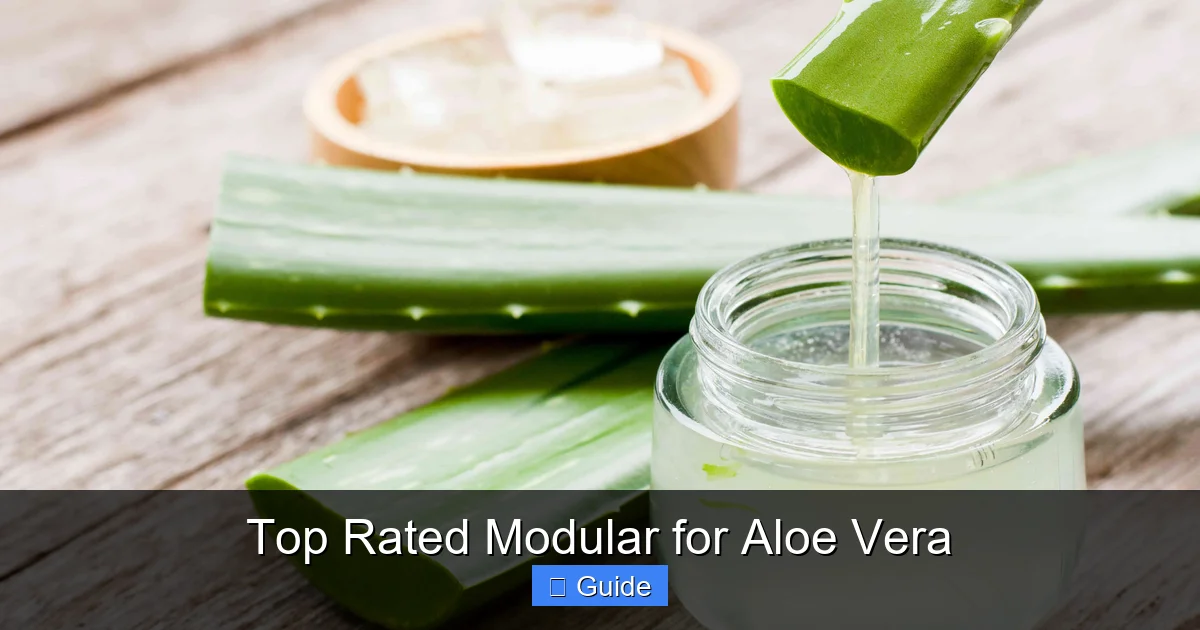
Visual guide about Top Rated Modular for Aloe Vera
Image source: health.com
Pro tip: Place your most water-sensitive aloe varieties on top tiers. They get the driest conditions. Thirstier succulents go lower where moisture lingers longer.
Interlocking Raised Bed Modules
These connect like building blocks. Create rectangles, L-shapes, or circles. Each module is typically twelve by twelve inches. Depth varies from six to eighteen inches. For aloe vera, twelve inches deep is perfect. Roots spread wide, not deep. The interlocking tabs must be sturdy. Cheap plastic snaps under soil weight. Spend more for reinforced corners.
Fabric Pot Modular Systems
Fabric pots changed container gardening. They air-prune roots. They breathe. They prevent heat buildup. Modular fabric systems connect with zippers or Velcro. Arrange them in rows. Create circles around trees. The best part? They fold flat for storage. Winter in a cold climate? Empty, clean, stack, store. Spring comes? Unfold, fill, plant. Done.
Hydroponic Modular Units
Yes, aloe vera grows hydroponically. And it grows fast. Modular hydroponic systems use net pots in channels. Nutrient solution flows continuously. Roots get oxygen and nutrients 24/7. No soil pests. No watering guesswork. The learning curve exists but pays off. Harvest gel in half the time. Just monitor pH and EC levels weekly.
Top Features to Evaluate
Drainage Design
This is non-negotiable. Every module needs multiple drain holes. Not one. Not two. At least four per square foot. Holes should be elevated, not flush with the bottom. This creates an air gap. Some premium systems include wicking mats. These pull excess water away from roots. Brilliant for vacation watering.
Material Durability
Outdoor modules face sun, rain, freeze, thaw. Cheap plastic cracks in one season. Look for UV-stabilized polypropylene. Or powder-coated aluminum frames. Fabric pots should use heavy-duty geotextile. Three hundred GSM minimum. Stitching must be double-threaded. Test by tugging hard. If threads pull, walk away.
Connection Security
Modules connect. That connection bears weight. Wet soil plus mature plants equals serious mass. Interlocking tabs should engage deeply. Screw-together systems are strongest. Magnetic connections fail under load. Zippered fabric holds well but degrades in sun. Choose mechanical over adhesive every time.
Mobility Options
Can you move the system? Some modular setups include caster bases. Others have built-in handles. For aloe vera, seasonal moving matters. Summer on the patio. Winter by a south window. If the system weighs two hundred pounds assembled, you need wheels. Or design it to disassemble easily.
Setting Up Your Modular Aloe System
Location Selection
Aloe vera wants bright, indirect light. Six hours minimum. South or west windows work indoors. Outdoors, morning sun with afternoon shade is ideal. Your modular system should fit the space. Measure twice. Buy once. Consider water access. Consider drainage runoff. Consider visual appeal. A top rated modular for aloe vera looks good enough for a living room.
Soil Mix Preparation
Never use straight potting soil. It kills aloe. Mix two parts cactus soil, one part perlite, one part coarse sand. Add a handful of horticultural charcoal per module. Charcoal prevents fungal issues. Wet the mix before filling. Dry peat repels water. Pre-moistened soil settles evenly. Fill modules to one inch below the rim.
Planting Technique
Remove aloe from nursery pot. Gently loosen root ball. Trim any black or mushy roots. Place in module center. Backfill with prepared mix. Firm gently. Do not compact. Water lightly to settle soil. Top with half inch of gravel or pebbles. This prevents soil splash and deters fungus gnats. Space plants six inches apart in shared modules.
Initial Watering Schedule
Week one: water every three days. Light only. Week two: every four days. Week three: every five days. Week four: weekly. Then switch to “soak and dry.” Water thoroughly until drains flow. Wait until soil is bone dry two inches down. Water again. This mimics desert rainfall patterns. Your aloe will thank you.
Maintenance Strategies for Modular Growing
Module-by-Module Monitoring
The beauty of modular is isolation. Check each module weekly. Lift fabric pots to gauge weight. Light means dry. Heavy means wet. Insert a chopstick into soil. Clean means dry. Soil clinging means moist. Record observations. Patterns emerge. You learn each plant’s rhythm. This prevents overwatering the whole system because one plant looks thirsty.
Fertilizing in Modules
Aloe needs little fertilizer. Once in spring. Once in summer. Use half-strength succulent fertilizer. Apply to individual modules based on growth. Fast growers get fed. Slow growers wait. Modular lets you customize. Never fertilize dry soil. Water first. Then fertilize. Then water lightly again. Prevents root burn.
Pest Management
Mealybugs love aloe. They hide in leaf axils. Modular systems make treatment easy. Isolate affected module. Spray with neem oil or insecticidal soap. Treat weekly for three weeks. Neighbors stay clean. In traditional beds, pests spread fast. Modular contains outbreaks. Check roots during repotting. Root mealybugs are sneaky.
Seasonal Transitions
Spring: Move outdoors gradually. One hour more sun daily. Repot crowded modules. Divide pups. Summer: Monitor heat. Fabric pots cool roots. Plastic may need shade cloth. Fall: Reduce watering. Stop fertilizing. Prepare for indoor move. Winter: Bright window. Minimal water. No fertilizer. Watch for etiolation. Rotate modules weekly.
Propagation Made Simple
Pup Removal
Aloe produces offsets at the base. Wait until pups are three inches tall. Have their own roots. Use a clean knife. Cut at the connection. Let callus form for two days. Plant in its own module. This is where modular shines. Each pup gets a fresh start. No competition. No disturbance to mother plant. Success rate approaches one hundred percent.
Leaf Propagation
Less reliable but fun. Remove healthy outer leaf. Clean cut at base. Callus three to five days. Lay on moist succulent mix in a shallow module. Mist weekly. Roots appear in weeks. Tiny plant follows. Transfer to own module when established. Great for rare varieties. Great for gifts.
Seed Starting Modules
Dedicated seed modules keep humidity high. Use clear domes. Bottom heat helps. Sow on surface. Do not cover. Light needed for germination. Mist daily. Ventilate to prevent mold. Transplant seedlings at six months. Modular seed trays fit standard systems. Expand as they grow.
Troubleshooting Common Issues
Yellowing Leaves
Usually overwatering. Check that module’s drainage. Clear blocked holes. Reduce watering frequency. Increase airflow. Remove yellow leaves at base. They won’t recover. New growth will be green if conditions improve.
Brown Tips
Underwatering or low humidity. Or fertilizer burn. Or cold damage. Check recent care. Adjust one thing at a time. Modular lets you test fixes on one plant. Others stay on current regimen. Scientific approach wins.
Leggy Growth
Insufficient light. Move to brighter spot. Rotate daily. Supplemental grow lights work. Twelve hours on. Twelve off. Four thousand kelvin. Twelve inches above plants. Compact growth returns in weeks.
Module Failure
Cracked plastic. Torn fabric. Failed connectors. Replace immediately. Don’t risk plant loss. Quality systems offer replacement parts. Keep spares. A top rated modular for aloe vera includes warranty support.
Advanced Modular Configurations
Living Wall Systems
Mount modules vertically. Frame against fence or wall. Drip irrigation behind each row. Timer controlled. Stunning visual impact. Excellent air circulation. Harvest gel at eye level. Ensure wall can handle weight wet. Use stainless hardware.
Greenhouse Integration
Modular fits greenhouse benches perfectly. Standard sizes align. Roll-out mats underneath catch runoff. Automated watering per zone. Climate control per section. Commercial growers love this. Hobbyists benefit too.
Indoor Smart Systems
App-connected modules monitor moisture. Alert your phone. Auto-water when dry. Grow lights adjust spectrum. Data tracks growth rates. Expensive but foolproof. Great for frequent travelers. Or busy parents. Or data nerds.
Budget Considerations
Entry Level
Three module starter kits. Fifty to eighty dollars. Plastic stackable towers. Basic fabric pot sets. Good for learning. Last two to three seasons. Upgrade later.
Mid Range
Six to twelve module systems. One hundred to three hundred dollars. Better materials. Stronger connections. Expandable design. Five to ten year lifespan. Sweet spot for most growers.
Premium Investment
Custom configurations. Three hundred plus. Aluminum frames. Smart sensors. Lifetime warranties. Modular greenhouse integration. For serious collectors. Or commercial use.
Environmental Impact
Material Choices
Recycled plastic modules exist. Look for post-consumer content. Fabric pots from recycled bottles. Aluminum is infinitely recyclable. Avoid virgin PVC. It off-gasses. It leaches. It lasts forever in landfills.
Water Conservation
Modular systems with reservoirs use ninety percent less water. Capture rainwater. Filter through modules. Reuse. Aloe thrives on rainwater. No chlorine. No fluoride. Natural pH.
Soil Sustainability
Make your own mix. Coconut coir replaces peat. Renewable. Local sand. Local compost. Reduce bagged soil shipping. Modular lets you mix small batches. Fresh every season.
Choosing Your System
Assess Your Space
Balcony? Stackable tower. Patio? Interlocking beds. Windowsill? Fabric pots. Basement? Hydroponic. Match system to reality. Not aspiration.
Count Your Plants
Current collection plus planned propagation. Multiply by 1.5. That’s your module minimum. Empty modules stay ready. No scrambling.
Read Real Reviews
Skip five-year garden forums. Not retailer sites. Look for two-year updates. Photos help. Video reviews show assembly. Watch for connector complaints. That’s the weak point.
Start Small
Buy three modules. Test for a season. Learn the system. Expand confidently. Modular means never locked in. That’s the whole point.
Conclusion
Growing aloe vera in a modular system just makes sense. You get control. You get flexibility. You get healthier plants. The top rated modular for aloe vera options today solve every traditional container problem. Drainage. Scalability. Mobility. Customization. All in one smart package.
Start with a quality three-module kit. Learn the rhythm. Watch your aloe thrive. Add modules as pups appear. Share extras with friends. Build a living wall. Try hydroponic. The journey is yours. Modular growing removes the barriers. Just you, your plants, and a system that works with you, not against you.
Your aloe vera deserves the best foundation. Modular gives it. Simple as that. Happy growing.
Frequently Asked Questions
What makes a modular system better than a traditional pot for aloe vera?
Modular systems provide superior drainage, air circulation, and scalability. Each module acts independently, preventing root rot and allowing customized care per plant.
How many aloe vera plants can I grow in a standard modular setup?
A typical six-module system accommodates 6-12 mature plants depending on module size. Start with one plant per module and divide as pups develop.
Can modular aloe vera systems stay outside year-round?
In zones 9-11, yes. In colder zones, choose systems with casters or easy disassembly to move indoors before frost. Fabric pots handle temperature swings best.
What’s the ideal module depth for aloe vera root systems?
Twelve inches is perfect. Aloe vera roots spread horizontally, not deeply. Deeper modules waste soil and retain excess moisture at the bottom.
How do I prevent algae growth in hydroponic modular aloe systems?
Use opaque channels and reservoirs. Keep nutrient solution below 75°F. Add beneficial bacteria. Clean system between crops with hydrogen peroxide solution.
Are expensive modular systems worth the investment for aloe vera?
Mid-range systems ($100-300) offer the best value. They last 5-10 years, have reliable connectors, and use UV-stable materials. Premium features like sensors are nice but not essential.