How to Set Up Galvanized for Maranta
Setting up galvanized containers for maranta creates a stunning, durable home for your prayer plant. This guide covers everything from choosing the right planter and creating proper drainage to mixing the ideal soil blend and mastering ongoing care for vibrant, healthy growth.
[FEATURED_IMAGE_PLACEHETER]
If you have fallen in love with the mesmerizing leaf patterns of maranta, you are not alone. These prayer plants fold their leaves upward each night like hands in prayer, creating a daily show that never gets old. But here is the thing: maranta can be drama queens. They want high humidity, consistent moisture, and perfect drainage all at once. That is where galvanized containers enter the chat. Learning how to set up galvanized for maranta gives you a planter that is tough, stylish, and surprisingly plant-friendly when done right.
I remember my first maranta in a galvanized tub. It looked gorgeous on my shelf for about three weeks. Then the crispy edges appeared. The yellowing started. I had skipped the drainage layer. I had used straight potting soil. I had placed it near a heating vent. Basically, I made every mistake in the book. Do not be me. This guide walks you through every step so your prayer plant thrives in its metal home for years to come.
Key Takeaways
- Galvanized containers offer durability and style: These metal planters resist rust and provide a modern industrial look that complements maranta’s colorful foliage.
- Drainage is absolutely critical: Without proper drainage holes and a gravel layer, galvanized pots can trap water and cause fatal root rot in moisture-sensitive maranta.
- Soil mix must balance moisture retention and aeration: A blend of peat moss, perlite, orchid bark, and worm castings creates the ideal environment for maranta roots.
- Metal conducts temperature rapidly: Galvanized pots heat up and cool down faster than ceramic or plastic, requiring strategic placement away from direct sun and drafts.
- Humidity is non-negotiable for prayer plants: Maranta needs 60-80% humidity; use pebble trays, humidifiers, or grouping to maintain moisture around foliage.
- Water quality matters more than you think: Maranta is sensitive to chemicals in tap water; filtered, distilled, or rainwater prevents leaf tip burn and curling.
- Regular inspection prevents major problems: Check weekly for pests, yellowing leaves, and soil moisture to catch issues before they threaten your plant’s health.
Quick Answers to Common Questions
Can I use a galvanized stock tank for maranta without drilling holes?
No. Drainage holes are essential. Without them, water pools at the bottom and causes root rot within days. Drill 8 to 12 holes using a metal bit and seal edges with zinc-rich paint.
What is the best soil mix for maranta in a galvanized pot?
Use 2 parts peat moss or coco coir, 1 part perlite, 1 part fine orchid bark, 1/2 part worm castings, 1/4 part horticultural charcoal, plus sphagnum moss top dressing. Pre-moisten before planting.
How often should I water maranta in a galvanized container?
Check soil daily with your finger. Water when barely damp at second knuckle depth. Typically every 3 to 5 days in summer, 7 to 10 days in winter. Always use filtered or distilled water.
Why are my maranta leaves getting crispy edges in a galvanized pot?
Crispy edges usually mean low humidity or tap water chemicals. Increase humidity to 60 to 80 percent with a humidifier and switch to distilled, filtered, or rainwater immediately.
Do galvanized pots get too hot for maranta roots?
Indoors, galvanized pots stabilize near room temperature. Avoid direct sun on the metal and keep away from heating vents. Use pot feet for air circulation underneath.
📑 Table of Contents
- Understanding Maranta and Its Unique Needs
- Why Choose Galvanized Containers for Your Maranta
- Preparing Your Galvanized Planter for Maranta Success
- The Perfect Soil Mix for Maranta in Galvanized Pots
- Planting Your Maranta in a Galvanized Container
- Ongoing Care: Watering, Light, and Humidity
- Troubleshooting Common Issues with Galvanized Maranta Setups
- Seasonal Adjustments for Year-Round Success
- Creative Display Ideas for Galvanized Maranta
- Advanced Tips for the Devoted Maranta Parent
- Conclusion
Understanding Maranta and Its Unique Needs
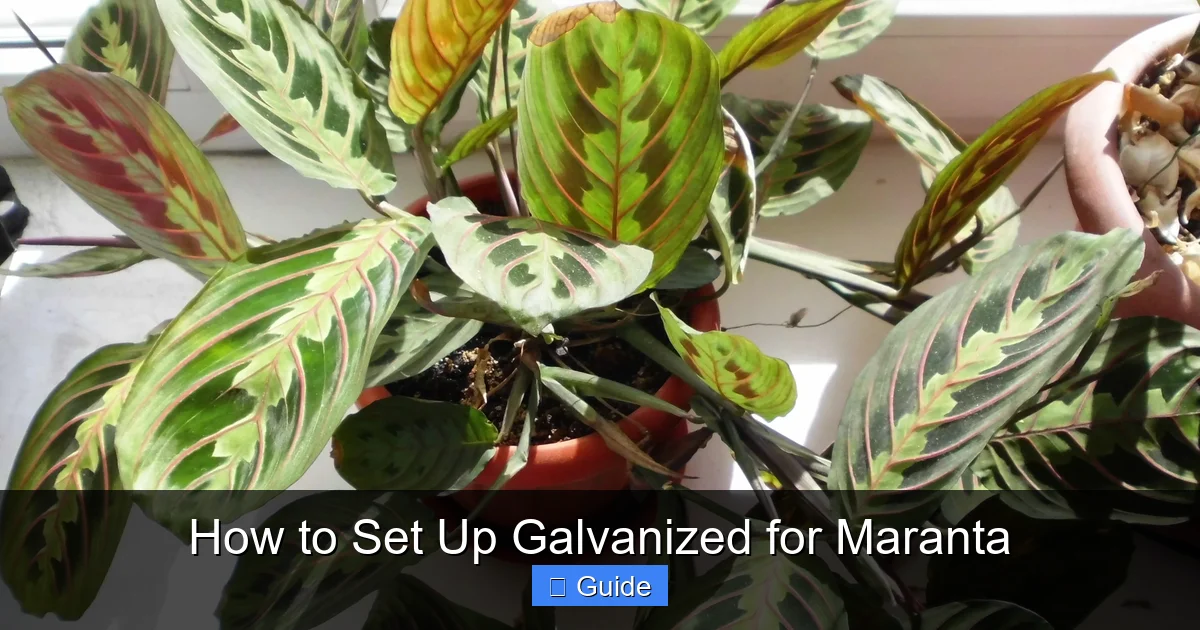
Before we talk metal, we need to talk plant. Maranta leuconeura, commonly called the prayer plant, hails from the tropical rainforests of Brazil. In its natural habitat, it grows on the forest floor beneath a thick canopy. This tells you everything about what it wants: dappled light, warm temperatures, high humidity, and soil that stays moist but never soggy.
The Prayer Plant Personality
Maranta has a reputation for being fussy, but it is really just specific. Think of it like a friend who only drinks oat milk lattes at exactly 140 degrees. Once you know the rules, it is easy. The leaves move dramatically throughout the day, spreading wide in morning light and folding up at night. This nyctinastic movement is a sign of a happy plant. If the leaves stop moving, something is wrong.
Root System Characteristics
Maranta has shallow, fine roots that spread horizontally rather than diving deep. They are delicate and prone to rot if they sit in water. At the same time, they dry out fast if humidity drops. This shallow root system is exactly why container choice matters so much. A wide, shallow galvanized pan often works better than a deep bucket.
Sensitivity to Chemicals and Minerals
Here is a quirk that catches many owners off guard. Maranta hates fluoride, chlorine, and heavy minerals. Tap water often causes brown, crispy leaf tips within days. The metal in galvanized containers can also react with acidic soil over time, though the zinc coating minimizes this. Using the right water and soil buffer solves both issues.
Why Choose Galvanized Containers for Your Maranta
You might wonder why bother with metal at all. Ceramic is pretty. Plastic is light. Terracotta breathes. But galvanized steel brings a unique set of advantages that, frankly, make it a top-tier choice for prayer plants once you know how to set up galvanized for maranta properly.
Visual guide about How to Set Up Galvanized for Maranta
Image source: organicgardenadvice.com
Durability That Lasts Decades
Galvanized steel is steel dipped in molten zinc. This coating prevents rust for 20 to 50 years outdoors, even longer indoors. Unlike terracotta that cracks in a freeze or plastic that becomes brittle in sun, a galvanized tub handles temperature swings, bumps, and years of watering without failing. You buy it once.
Excellent Temperature Stability Indoors
Metal conducts heat, which sounds bad, but indoors this actually helps. The soil temperature stays closer to room temperature, protecting those shallow roots from the cold windowsill effect in winter. Just keep it off direct heat sources like radiators or sunny south windows where the metal can overheat the root zone.
Wide, Shallow Profiles Match Root Habits
Many galvanized containers come as oval tubs, rectangular pans, or wide buckets. These shapes perfectly match maranta’s horizontal root growth. More surface area means more oxygen exchange at the soil surface, which reduces fungal issues. Plus, the wide stance makes the plant stable as it spreads.
Aesthetic Versatility
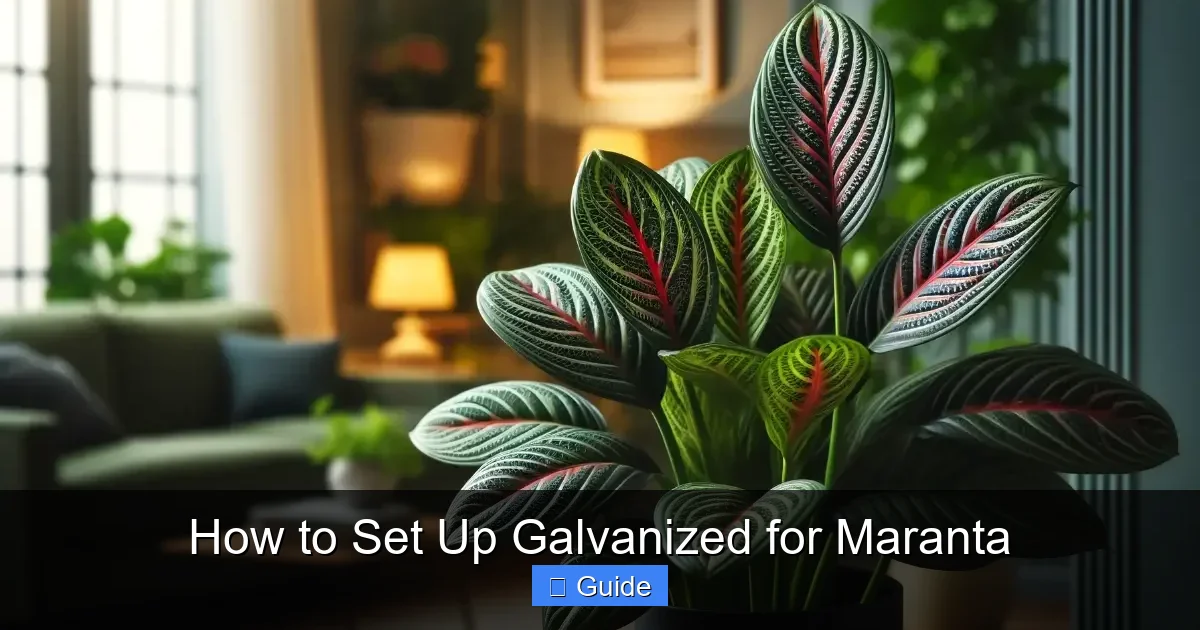
The silvery-gray patina of galvanized steel fits modern, farmhouse, industrial, and boho styles alike. It acts as a neutral backdrop that makes maranta’s pink veins, dark green patches, and purple undersides pop visually. You can leave it raw, paint it, or let it age naturally.
Cost-Effective for Large Specimens
A large ceramic pot the size of a galvanized wash tub costs three to five times more. If you want a statement maranta that fills a corner, galvanized gives you volume for dollars. Stock tanks, feed pans, and utility buckets are widely available at farm supply stores for a fraction of garden center prices.
Preparing Your Galvanized Planter for Maranta Success
This is the step most people skip, and it is the step that kills plants. You cannot just dump soil in a metal tub and hope for the best. Proper preparation ensures drainage, prevents metal-to-soil contact issues, and creates a healthy root environment.
Drilling Drainage Holes: Non-Negotiable
Galvanized containers rarely come with holes. You must add them. Use a 1/4 to 1/2 inch metal drill bit. For a standard 18-inch oval tub, drill 8 to 12 holes spaced evenly across the bottom. More holes are better than fewer. If the metal is thick, start with a smaller pilot bit. Wear safety glasses and gloves. The zinc coating produces fine dust you do not want to breathe.
Protecting the Zinc Coating
Drilling exposes raw steel edges. Over time, these can rust. After drilling, wipe the holes clean and apply a dab of cold galvanizing compound or zinc-rich paint to each hole edge. This restores the protective barrier. Let it cure 24 hours before adding anything else. This extra step adds years to your planter’s life.
Adding a Drainage Layer
Place a 1 to 2 inch layer of coarse material at the bottom. Options include: horticultural charcoal (absorbs impurities), pea gravel (cheap and effective), LECA balls (lightweight and reusable), or broken terracotta shards (free if you have broken pots). Avoid sand or fine gravel which can compact and block holes. This layer creates an air gap so roots never sit in standing water.
Using a Liner for Extra Protection
Some growers line galvanized pots with landscape fabric or coconut coir before adding soil. This prevents fine soil particles from washing into the drainage layer and clogging it. It also creates a slight buffer between acidic soil and the metal. Cut the liner larger than the pot, press it in, and trim excess after filling. It is optional but recommended for long-term setups.
Elevating the Container
Never set a galvanized planter directly on a solid surface. Water must exit the holes freely. Use pot feet, bricks, a plant caddy with wheels, or a tray with risers. Elevation also allows air circulation under the pot, preventing condensation buildup that can damage floors and promote rust on the exterior bottom.
The Perfect Soil Mix for Maranta in Galvanized Pots
Soil is where the magic happens. In a metal container, the mix must hold moisture evenly without becoming waterlogged, provide ample aeration for shallow roots, and resist compaction over time. Standard bagged potting soil is usually too dense and peat-heavy for maranta.
Understanding the Ideal Texture
Grab a handful of your mix. Squeeze it. It should hold together briefly then crumble apart when you poke it. It should feel moist but not wet, light and springy, not heavy or muddy. This texture ensures oxygen reaches roots while water distributes evenly throughout the pot.
DIY Maranta Mix Recipe
Here is a proven blend that works beautifully in galvanized containers:
- 2 parts high-quality peat moss or coconut coir (moisture retention)
- 1 part perlite (aeration and drainage)
- 1 part fine orchid bark or pine bark fines (structure and slow decomposition)
- 1/2 part worm castings or compost (gentle nutrition and microbial life)
- 1/4 part horticultural charcoal (odor control and toxin absorption)
- A handful of sphagnum moss per gallon of mix (surface moisture buffer)
Mix thoroughly in a large tub or wheelbarrow. Pre-moisten until it holds shape when squeezed but no water drips out. This prevents hydrophobic peat from repelling water on the first watering.
Why Each Ingredient Matters
Peat or coir holds the consistent moisture maranta craves. Perlite creates air pockets that prevent suffocation. Orchid bark mimics the forest floor, decomposing slowly to feed beneficial microbes. Worm castings provide gentle, slow-release nutrients without burning sensitive roots. Charcoal keeps the mix sweet in a metal container where anaerobic pockets can form. Sphagnum on top reduces surface evaporation.
Adjusting for Your Environment
In very dry climates, increase peat or coir to 3 parts and add an extra handful of sphagnum. In humid climates, increase perlite to 1.5 parts for faster drainage. If your galvanized pot sits in brighter light, the mix will dry faster, so lean toward more moisture retention. Observe and adjust.
Pre-Moistening Technique
Dry peat repels water. Before planting, spread your mix on a tarp, mist with a hose or spray bottle, and turn with a shovel. Repeat until uniformly damp. This step saves you from the frustration of water channeling straight down the sides of a bone-dry pot while the center stays dusty.
Planting Your Maranta in a Galvanized Container
Now comes the fun part. You have a prepared pot and perfect soil. Let’s get that maranta settled in for the long haul.
Timing the Transplant
Spring is ideal, when the plant enters active growth. Early summer works too. Avoid transplanting in late fall or winter when growth slows and recovery takes longer. If you just bought the plant, let it acclimate to your home for two weeks before disturbing roots.
Removing the Plant Safely
Water the maranta in its nursery pot an hour before transplanting. Moist soil holds the root ball together. Turn the pot sideways, tap the bottom, and gently slide the plant out. If roots circle the bottom, tease them loose with your fingers. Do not shred the root ball. Maranta roots are fragile.
Positioning in the New Pot
Add enough pre-moistened soil to the galvanized pot so the top of the root ball sits about 1 inch below the rim. This leaves room for watering without overflow. Center the plant. Fill around the sides with soil, tapping the pot gently to settle air pockets. Do not pack soil down hard. Light firming with fingertips is enough.
Planting Depth Matters
Keep the plant at the same soil level it was in the nursery pot. Burying stems causes rot. Exposing roots causes drying. The crown where stems meet roots should be just at soil surface. If the plant is leggy, you can bury it slightly deeper, but no more than half an inch.
Top Dressing with Sphagnum
After planting, add a half-inch layer of live or dried sphagnum moss over the soil surface. This acts like mulch, slowing evaporation and keeping the top roots moist. It also looks beautiful and prevents soil splash when watering. Push it gently against stems but do not smother the crown.
First Watering
Water thoroughly with filtered or distilled water until it runs freely from the drainage holes. This settles the soil and eliminates large air pockets. Let it drain completely. Do not let the pot sit in a saucer of water. Empty the saucer after 15 minutes.
Ongoing Care: Watering, Light, and Humidity
The setup is done. Now the daily relationship begins. Maranta in galvanized containers has a specific rhythm. Learn it, and your plant will reward you with constant new growth and that signature nightly prayer.
Mastering the Watering Schedule
Forget calendar watering. Maranta wants consistently moist soil, not wet, not dry. Check daily by pressing your finger into the soil to the second knuckle. If it feels barely damp at the tip, water. If it feels moist, wait. In a galvanized pot with the recommended mix, this usually means watering every 3 to 5 days in summer, 7 to 10 days in winter.
Water Quality Is Everything
I cannot stress this enough. Use filtered water (Brita or similar), distilled water, rainwater, or water that has sat out 24 hours for chlorine to evaporate. Room temperature only. Cold water shocks tropical roots. Water the soil, not the leaves. Wet foliage invites fungal spots, especially in lower light.
Light Requirements for Vibrant Color
Maranta wants bright, indirect light. An east-facing window is perfect. North works if unobstructed. South or west needs a sheer curtain or distance of 3 to 5 feet. Direct sun scorches leaves and fades those gorgeous patterns. In low light, the plant survives but loses variegation and stops praying. Rotate the pot weekly for even growth.
Humidity: The Make-or-Break Factor
Target 60 to 80 percent humidity. Most homes sit at 30 to 40 percent. You must supplement. Options ranked by effectiveness: humidifier near the plant (best), pebble tray with water below the pot bottom, grouping plants together, terrarium or cabinet setup, misting (least effective, temporary only). A hygrometer near the plant takes guesswork out of it.
Temperature Sweet Spot
Keep it between 65 and 80 degrees Fahrenheit. Avoid drafts from AC vents, heaters, exterior doors, and leaky windows. Galvanized metal conducts cold from a windowsill rapidly in winter. Use a cork mat or thick coaster under the pot if on a cold surface. Never let it drop below 60 degrees.
Fertilizing Gently
Feed monthly during spring and summer with a balanced liquid fertilizer at quarter strength. Maranta roots burn easily. Organic options like diluted fish emulsion or seaweed extract work well. Stop fertilizing in fall and winter. Flush the soil with plain water every three months to prevent salt buildup, which metal pots can concentrate.
Troubleshooting Common Issues with Galvanized Maranta Setups
Even with perfect setup, issues arise. Here is how to diagnose and fix the most common problems specific to maranta in galvanized containers.
Crispy Leaf Edges and Tips
Usually low humidity or water quality. Check hygrometer. Switch to distilled water. Increase humidity immediately. Trim crispy parts with sterilized scissors at an angle to mimic natural leaf shape. New growth will be clean if conditions improve.
Yellowing Lower Leaves
Often overwatering or poor drainage. Check drainage holes for blockage. Feel soil at bottom through a hole if possible. Let soil dry more between waterings. Ensure pot is elevated. Remove yellow leaves at base. They will not recover.
Leaves Curling Inward During Day
This is underwatering or too much light. Check soil moisture. Move to shadier spot. Water thoroughly. Leaves should uncurl within hours. If they stay curled, check for root issues.
Spider Mites
Love dry conditions. Look for fine webbing and stippled leaves. Increase humidity to 70 percent plus. Spray neem oil weekly for three weeks. Wipe leaves with damp cloth. Isolate from other plants.
Fungus Gnats
Indicate soil staying too wet on top. Let top inch dry between waterings. Add a half-inch sand or diatomaceous earth layer on top of sphagnum. Yellow sticky traps catch adults. Mosquito bits in water kill larvae.
Rust on Container Exterior
If you see rust spots outside, sand lightly, wipe with vinegar, and apply zinc-rich paint. Inside rust means drainage failed. Repot immediately with fresh mix and check holes.
Stunted Growth and Pale Leaves
Could be nutrient deficiency, root bound, or insufficient light. Check roots by gently lifting plant. If circling densely, repot to larger galvanized container. Otherwise, fertilize weakly and move to brighter spot.
Seasonal Adjustments for Year-Round Success
Maranta care shifts with seasons. Your galvanized setup handles this beautifully if you adapt.
Spring Awakening
As days lengthen, increase watering frequency. Resume monthly fertilizing. Check for root crowding. This is prime repotting time if needed. Clean leaves with damp cloth to maximize photosynthesis. Watch for new growth points.
Summer Vigilance
Heat and AC create dry air. Run humidifier daily. Check soil every day. Metal pots heat up in summer sun. Ensure no direct afternoon light hits the container. Consider moving to slightly shadier spot during heat waves.
Fall Transition
Reduce fertilizing by half in early fall, stop by November. Water less frequently as growth slows. Move away from cooling drafts. Clean windows to maximize winter light. Inspect thoroughly for pests before bringing any outdoor plants near.
Winter Survival
This is the danger zone. Low light, dry heat, cold windowsills. Keep humidifier running. Water only when soil is barely damp at root zone. No fertilizer. Rotate for even light. Accept slower growth. Some leaf loss is normal. Do not panic.
Creative Display Ideas for Galvanized Maranta
Your setup is functional. Now make it beautiful. Galvanized containers offer unique styling opportunities.
Grouping for Humidity and Impact
Place three galvanized pots of varying sizes together: a tall stock tank, a medium oval tub, a low rectangular pan. Plant maranta varieties in each: classic green, red vein, lemon lime. The group creates a humidity microclimate and a stunning focal point.
Elevated on Plant Stands
Mid-century modern stands in walnut or teak complement the industrial metal beautifully. The height brings the prayer plant movement to eye level. Choose stands with open slats for air circulation.
Wall-Mounted Galvanized Planters
Shallow galvanized trays mounted on a wall with proper brackets create living art. Ensure secure mounting into studs. Line with coco coir, use the same soil mix. Water carefully with a long-spout can. This works best in high-humidity bathrooms.
Mixed Metal and Texture Vignettes
Pair galvanized with copper watering cans, brass misters, terracotta pots, woven baskets. The mix of metals and natural materials feels curated, not cluttered. Keep maranta as the star with simpler foliage plants as supporting cast.
Mobile on Industrial Casters
Heavy stock tanks on locking casters let you chase light seasons or move for cleaning. Looks great in loft spaces. Ensure casters are rated for the wet weight (soil plus water plus plant).
Advanced Tips for the Devoted Maranta Parent
Ready to go from surviving to thriving? These pro moves separate the casual owners from the prayer plant whisperers.
Bottom Watering Technique
Once a month, place the galvanized pot in a tub of filtered water up to halfway. Let soil absorb from bottom for 20 minutes. This ensures deep hydration without disturbing surface roots or compacting top soil. Drain thoroughly. Great for vacation prep too.
Leaf Cleaning Ritual
Monthly, wipe each leaf with a soft cloth dampened with distilled water. Support leaf from underneath. This removes dust that blocks light and opens stomata for better gas exchange. It also lets you inspect for pests up close. Do not use leaf shine products.
Propagation Station
Maranta propagates easily from stem cuttings in water or sphagnum. Use a small galvanized bucket as your propagation vessel. Take 3-inch cuttings below a node, place in water, change weekly. Pot up when roots are 2 inches. Gift or expand your collection.
Soil Refresh Without Repotting
Every spring, remove top 2 inches of soil carefully. Replace with fresh mix plus worm castings. This replenishes nutrients and organic matter without disturbing roots. Top with fresh sphagnum. Your maranta will push vigorous new growth.
Monitoring with Technology
Bluetooth soil sensors (like Xiaomi or Ecowitt) stick in the pot and report moisture, light, temperature, and fertility to your phone. Set alerts for your specific thresholds. Takes guesswork out of care. Especially helpful for multiple plants.
Conclusion
Learning how to set up galvanized for maranta transforms a tricky plant into a reliable showstopper. The metal container gives you durability, style, and a root-friendly environment when prepared correctly. Drill those holes. Layer that drainage. Mix that perfect soil. Water with filtered water. Humidify like you mean it. And watch those leaves pray every single night.
My first maranta in a galvanized tub? The one I nearly killed? It lives on my bookshelf now, three years later, wider than the pot, pushing new leaves every week. The secret was not magic. It was respecting what the plant needs and what the container gives. You have the knowledge now. Go build that setup. Your maranta is waiting.
Frequently Asked Questions
Can I plant maranta directly in a galvanized bucket without a liner?
Yes, but a landscape fabric or coco coir liner extends the pot’s life by preventing soil contact with the metal and keeping drainage holes clear. It is a small step that makes a big difference long-term.
What size galvanized container does a maranta need?
Choose a wide, shallow container at least 12 inches across and 6 to 8 inches deep. Maranta roots spread horizontally. A standard 18-inch oval tub or 12-inch square pan works perfectly for a mature plant.
How do I prevent rust on my galvanized maranta planter?
Seal drilled drainage holes with zinc-rich cold galvanizing compound. Elevate the pot on feet for airflow. Empty saucers promptly. Touch up any scratches on the exterior with zinc paint annually.
Can I use tap water if I let it sit overnight for my maranta?
Letting water sit removes chlorine but not fluoride or heavy minerals. Maranta is sensitive to both. Filtered, distilled, or rainwater is strongly recommended for preventing leaf tip burn.
Should I fertilize maranta in a galvanized pot differently than in other pots?
Metal pots can concentrate fertilizer salts faster than porous containers. Use quarter-strength balanced fertilizer monthly in growing season only. Flush soil with plain water every three months to prevent buildup.
Why did my maranta stop folding its leaves at night?
Loss of prayer movement signals stress. Check for underwatering, low humidity, insufficient light, root rot, or temperature extremes. Fix the underlying issue and the movement usually returns within days.