Best Slow-release for Bonsai Longevity
Finding the best slow-release for bonsai longevity transforms your miniature tree care routine. The right fertilizer delivers steady nutrients without overwhelming delicate roots. This guide covers everything you need to know for vibrant, long-lived bonsai.
Caring for bonsai feels like tending a living sculpture. Every decision shapes the future of your miniature tree. Nutrition sits at the heart of this art form. The best slow-release for bonsai longevity provides steady nourishment without the risk of burning delicate roots. Unlike liquid fertilizers that rush nutrients all at once, slow-release options work with nature’s timeline. They mimic how trees feed in the wild. This approach builds stronger, more resilient specimens that thrive for decades.
Many enthusiasts struggle with fertilization. Too much kills. Too little stunts. The sweet spot feels elusive. Slow-release fertilizers solve this dilemma by design. They release nutrients based on temperature, moisture, and microbial activity. This matches your bonsai’s actual needs throughout the seasons. Understanding how these products work changes everything. You gain confidence. Your trees respond with vigorous growth, rich foliage, and impressive longevity. Let’s explore this essential topic together.
Key Takeaways
- Slow-release fertilizers prevent nutrient burn: They feed bonsai gradually, protecting sensitive root systems from sudden chemical spikes.
- Organic options build soil health: Natural slow-release products improve soil structure while feeding your tree over months.
- NPK ratios matter for growth stages: Balanced formulas support overall health, while targeted ratios address specific developmental needs.
- Application timing affects results: Apply during active growth periods for maximum uptake and minimal waste.
- Temperature controls release rates: Warmer conditions accelerate nutrient availability, requiring seasonal adjustments.
- Quality brands deliver consistent results: Trusted manufacturers ensure reliable coating technology and nutrient guarantees.
- Monitoring prevents over-fertilization: Regular observation helps you adjust feeding schedules before problems develop.
Quick Answers to Common Questions
What is the best slow-release fertilizer for bonsai beginners?
Osmocote Plus 15-9-12 (5-6 month) offers the best balance of reliability, availability, and forgiveness for beginners. Its complete nutrient package and predictable release make it nearly foolproof when applied at half the label rate.
How often should I apply slow-release fertilizer to my bonsai?
Most bonsai need one application in early spring that lasts through the growing season. In long-season climates, a second light application in mid-summer ensures continuous feeding until autumn hardening begins.
Can I use regular garden slow-release fertilizer on bonsai?
Garden formulations work but require significant dosage reduction. Bonsai pots concentrate nutrients 10-20x compared to garden beds. Use 1/10th the label rate and monitor closely for salt buildup or excessive growth.
Do organic slow-release fertilizers work better than synthetic for bonsai?
Neither is universally better. Synthetics offer precision and predictability. Organics build soil biology and eliminate burn risk. Many advanced growers combine both for baseline nutrition plus soil health benefits.
When should I stop fertilizing my bonsai for winter?
Cease all fertilization 6-8 weeks before your average first frost date. This allows new growth to harden off. Late nitrogen prevents dormancy preparation and leads to winter dieback.
📑 Table of Contents
- Understanding Slow-Release Fertilizers for Bonsai
- Why Slow-Release Matters for Bonsai Longevity
- Top Types of Slow-Release Fertilizers
- How to Choose the Right Slow-Release Product
- Application Techniques for Maximum Results
- Common Mistakes to Avoid
- Seasonal Adjustments for Optimal Longevity
- Advanced Tips for Bonsai Fertilization Mastery
- Product Recommendations by Category
- Troubleshooting Common Fertilization Issues
- Conclusion
Understanding Slow-Release Fertilizers for Bonsai
What Makes a Fertilizer Slow-Release
Slow-release fertilizers contain nutrients locked inside protective coatings. These coatings break down gradually. The mechanism varies by product type. Some use sulfur coatings. Others rely on polymer resins. Organic options depend on soil microbes. All share one goal. They extend nutrient availability over weeks or months. This contrasts sharply with water-soluble fertilizers. Those dissolve instantly. They flood the root zone. Then they leach away with watering. Slow-release products stay put. They feed continuously. This matches how bonsai absorb nutrients in nature.
The coating technology determines release patterns. Temperature-sensitive coatings respond to warmth. Microbial-dependent coatings need active soil biology. Moisture-activated coatings require consistent watering. Understanding your product’s mechanism helps you predict performance. It also guides application timing. Most bonsai-specific formulations use polymer coatings. These offer the most predictable release curves. They work well in the confined soil volumes of bonsai pots. The best slow-release for bonsai longevity typically features advanced polymer technology.
Key Differences from Liquid Fertilizers
Liquid fertilizers act fast. They green up foliage in days. But they demand frequent application. Weekly feeding becomes a chore. Miss a week and growth stutters. Overapply and roots burn. Salt buildup becomes a real concern in small pots. Slow-release fertilizers eliminate these swings. One application lasts months. Nutrient levels stay stable. Roots absorb what they need when they need it. This reduces stress. It also saves time. You fertilize less often. You worry less about precision.
Cost comparison favors slow-release over time. Initial price per pound runs higher. But fewer applications balance the equation. Labor savings add value. Reduced risk of fertilizer damage protects your investment. A single burned root system can kill a decades-old tree. That loss far exceeds any fertilizer savings. The best slow-release for bonsai longevity pays for itself through tree health and peace of mind.
How Release Mechanisms Work
Polymer-coated fertilizers use semi-permeable membranes. Water penetrates the coating. It dissolves nutrients inside. The solution slowly diffuses outward. Temperature controls the rate. Warmer soil speeds release. Cooler soil slows it. This aligns perfectly with plant metabolism. Trees grow faster in warmth. They need more nutrients then. The fertilizer responds automatically. No guesswork required.
Sulfur-coated products work differently. Soil microbes break down the sulfur layer. This takes time. Moisture and temperature affect microbial activity. Release becomes less predictable. These cost less but suit bonsai less ideally. Organic slow-release fertilizers like bone meal or fish meal rely entirely on decomposition. Soil bacteria and fungi digest them. Nutrients become available as byproducts. This builds soil life. But timing varies wildly. The best slow-release for bonsai longevity usually combines polymer reliability with organic benefits.
Why Slow-Release Matters for Bonsai Longevity
Protecting Delicate Root Systems
Bonsai roots live in confined spaces. Small pots hold little soil. This soil dries quickly. It also concentrates salts rapidly. Liquid fertilizers spike nutrient concentrations. Roots experience osmotic shock. Water gets pulled from root cells. Cell membranes rupture. Fine feeder roots die first. These absorb most nutrients. Their loss cripples the tree. Recovery takes months. Some species never fully bounce back. Slow-release fertilizers prevent this cycle entirely. They maintain gentle, consistent nutrient levels. Roots never face toxic concentrations.
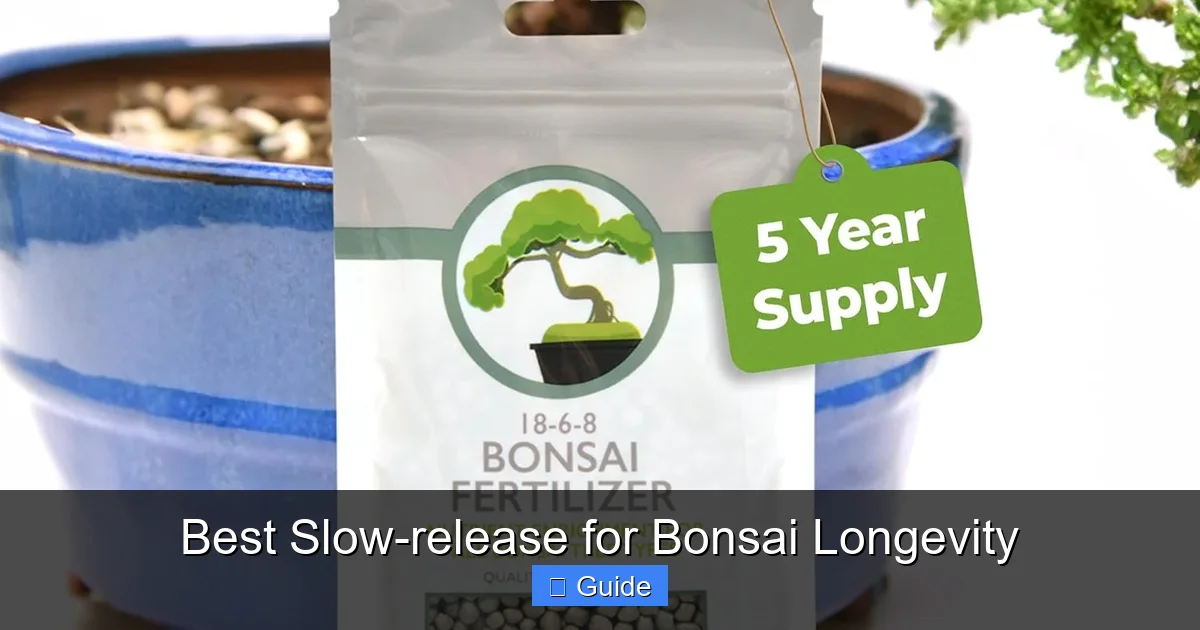
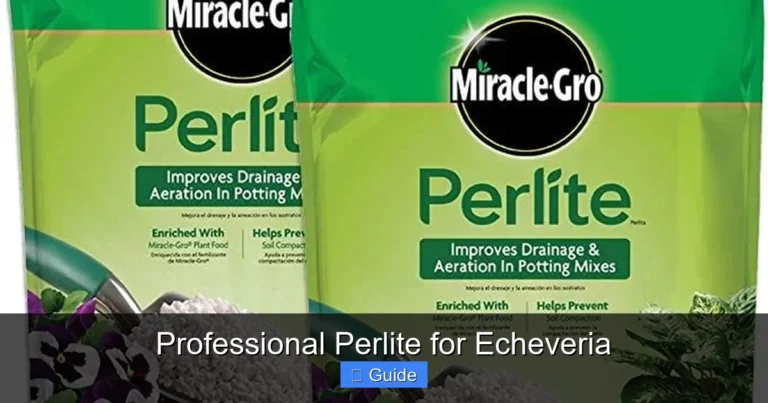
Visual guide about Best Slow-release for Bonsai Longevity
Image source: m.media-amazon.com
Consider a classic Japanese maple bonsai. Its fine roots explore every soil particle. A heavy liquid feed burns root tips within hours. The tree drops leaves. Branches die back. Years of refinement vanish. Now imagine the same tree with polymer-coated granules. Nutrients trickle out daily. Roots absorb steadily. No shock occurs. Growth continues uninterrupted. This scenario plays out countless times. The best slow-release for bonsai longevity protects the root investment you’ve built over years.
Matching Natural Growth Cycles
Trees don’t grow at constant rates. Spring brings explosive growth. Summer steadies the pace. Autumn slows preparation for dormancy. Winter pauses almost entirely. Nutrient needs follow this rhythm. Slow-release fertilizers mirror it beautifully. Temperature-dependent release accelerates in spring warmth. It decelerates as autumn cools. The tree gets more food when growing fast. Less when resting. This synchronization reduces waste. It prevents late-season growth that winter kills. It supports natural hardening processes.
Liquid fertilizers fight this cycle. You must manually adjust concentrations. Reduce frequency. Switch formulas. Many growers forget. They feed summer rates into autumn. Tender new growth freezes. Energy reserves deplete. The tree enters winter weakened. Slow-release products automate this wisdom. The coating chemistry handles seasonal transitions. You apply once in spring. The fertilizer does the rest. The best slow-release for bonsai longevity respects the tree’s biological calendar.
Building Long-Term Soil Health
Bonsai soil mixes prioritize drainage. They contain akadama, pumice, lava rock. Organic matter stays minimal. This creates a sterile environment over time. Beneficial microbes decline. Nutrient cycling slows. The soil becomes just a physical anchor. Slow-release organic components reverse this trend. They feed soil life as they break down. Bacteria and fungi populations rebound. These organisms unlock minerals. They protect roots from pathogens. They improve soil structure. The pot becomes a living ecosystem again.
Some polymer-coated fertilizers include beneficial microbes. Others add humic substances. These enhancements compound over years. A tree in biologically active soil resists stress better. It handles repotting shock faster. It fights off pests naturally. The best slow-release for bonsai longevity contributes to this foundation. It’s not just feeding the tree. It’s cultivating the soil that sustains the tree.
Top Types of Slow-Release Fertilizers
Polymer-Coated Synthetic Granules
These dominate the professional bonsai market. Brands like Osmocote, Nutricote, and Apex lead the category. Each uses proprietary polymer coatings. Release durations range from three to eighteen months. Common bonsai choices span five to nine months. This covers the active growing season perfectly. NPK ratios vary by formulation. Balanced 14-14-14 suits general maintenance. Higher nitrogen blends like 18-6-8 boost spring growth. Lower nitrogen options like 10-20-20 support flowering and root development.
Application proves simple. Sprinkle granules on soil surface. Water them in. The coating activates immediately. Nutrients begin migrating into the root zone. No mixing required. No measuring concentrates. No weekly schedule. One application in early spring lasts until autumn. Some growers split applications. Half in spring. Half in mid-summer. This ensures continuous coverage for long-season species. The best slow-release for bonsai longevity often comes from this category due to reliability.
Organic Slow-Release Options
Traditional organic fertilizers release slowly by nature. Bone meal provides phosphorus over months. Blood meal offers nitrogen for six to eight weeks. Fish meal balances both with trace minerals. Cottonseed meal acidifies soil slightly while feeding. These products build soil carbon. They support mycorrhizal fungi essential for many conifers. They never burn roots. Overdose simply wastes money. The tree takes what it needs.
Japanese bonsai masters favor organic cakes. These compressed blocks contain rapeseed meal, bone meal, and other ingredients. They sit on the soil surface. Water dissolves them gradually. Nutrients seep down with each watering. This method combines slow-release with top-dressing tradition. It also lets you see when reapplication is needed. The cakes shrink visibly. Modern organic pellets offer similar benefits with less odor. The best slow-release for bonsai longevity for organic purists often includes these traditional forms.
Hybrid Formulations
Innovative products now blend synthetic and organic technologies. Polymer-coated organics combine predictable release with soil-building benefits. Some add mycorrhizal inoculants. Others include humic acids. These hybrids cost more but deliver multiple benefits simultaneously. They simplify care routines. One product feeds the tree, builds the soil, and introduces beneficial biology. This holistic approach aligns with modern understanding of plant-soil relationships.
Several bonsai-specific brands now offer hybrids. They tailor NPK ratios for miniature trees. They adjust release rates for small pot volumes. They consider the unique drainage of bonsai mixes. These specialized formulations often outperform general-purpose products. The best slow-release for bonsai longevity increasingly comes from this hybrid category as technology advances.
How to Choose the Right Slow-Release Product
Reading NPK Ratios for Bonsai
Three numbers dominate fertilizer labels. Nitrogen (N) drives leaf and stem growth. Phosphorus (P) supports roots and flowers. Potassium (K) regulates water and disease resistance. Bonsai needs shift by season and species. Deciduous trees want nitrogen in spring. Conifers prefer steady, moderate feeding. Flowering species need phosphorus before bloom. Fruit-bearing trees demand potassium for fruit quality. A balanced 10-10-10 or 14-14-14 works for general collections. Specialized ratios target specific goals.
Don’t chase high numbers. Bonsai pots concentrate nutrients. A 20-20-20 formula delivers double the punch of 10-10-10 in the same volume. Excess nitrogen creates weak, leggy growth. It elongates internodes. It enlarges leaves. Both ruin bonsai aesthetics. Excess phosphorus locks up micronutrients. Iron deficiency appears. Leaves yellow between veins. The best slow-release for bonsai longevity uses moderate, balanced ratios appropriate for container culture.
Matching Release Duration to Climate
Release duration labels assume average temperatures. Your climate shifts actual performance. Hot summers accelerate release. Cool springs delay it. A nine-month formula might last six months in Florida. It might stretch to twelve months in Seattle. Choose duration based on your growing season length. Short-season growers need three to five month products. Long-season growers want eight to nine month coverage. Some apply two different durations. A five-month for spring. A four-month for late summer. This bridges the season seamlessly.
Indoor growers face different challenges. Stable temperatures create consistent release. But low light reduces nutrient demand. Trees may not use all released fertilizer. Salts accumulate. Flushing becomes essential. Shorter duration products help. They exhaust before buildup becomes problematic. The best slow-release for bonsai longevity matches your specific temperature profile, not just the label claim.
Considering Species-Specific Needs
Pines and junipers prefer lean feeding. They evolved in poor soils. Rich fertilizer creates coarse growth. Needles elongate. Branches thicken undesirably. Use low-nitrogen formulas. 5-10-10 or similar. Apply sparingly. Maples and elms tolerate more nitrogen. They grow fast naturally. Moderate feeding refines ramification. 10-10-10 works well. Flowering species like azaleas need phosphorus. 6-10-6 supports blooms without excessive foliage. Fruiting species like crabapples want potassium. 8-8-16 improves fruit set and quality.
Acid-loving species need special attention. Azaleas, camellias, gardenias require low pH. Some slow-release fertilizers acidify. Others are neutral. Check labels for pH impact. Ammonium-based nitrogen sources lower pH. Nitrate-based sources raise it. The best slow-release for bonsai longevity respects your species’ evolutionary preferences. Research your tree’s native soil conditions. Match fertilizer chemistry accordingly.
Application Techniques for Maximum Results
Surface Application vs. Soil Incorporation
Surface application dominates bonsai practice. Sprinkle granules evenly across soil. Keep them off the trunk. Water gently to settle them. They nestle into surface irregularities. Each watering moves nutrients downward. This mimics natural leaf litter decomposition. It also lets you monitor consumption. You see granules disappearing. Incorporation mixes fertilizer into the soil during repotting. This places nutrients directly in the root zone. It works well for long-duration products. But you lose visual monitoring. You can’t adjust mid-season.
Many growers combine methods. Incorporate a base dose at repotting. Top-dress with additional granules monthly. This ensures immediate and sustained availability. It also allows seasonal adjustments. Reduce top-dressing as autumn approaches. The best slow-release for bonsai longevity application strategy often blends both approaches for optimal control.
Dosage Calculations for Small Pots
Label rates assume garden beds. Bonsai pots need far less. A standard guideline: one granule per square inch of soil surface. For a six-inch pot, that’s roughly thirty granules. Adjust for pot depth. Shallow pots need less. Deep pots accept more. Start conservative. You can always add. You cannot remove. Observe growth response over two weeks. Increase slightly if growth seems slow. Decrease if leaves darken excessively or internodes stretch.
Weighing provides precision. Most products suggest grams per liter of soil. Measure your pot’s soil volume. Calculate accordingly. A digital scale costs little. It eliminates guesswork. Record your rates. Track results. Build a personal database for each species. The best slow-release for bonsai longevity regimen emerges from careful observation and documentation.
Timing Applications Through the Year
Spring application coincides with bud swell. Roots activate before shoots emerge. Early feeding supports this root growth. Apply when daytime temperatures consistently reach sixty degrees Fahrenheit. In temperate zones, this means March or April. Tropical species grow year-round. They need consistent feeding. Apply every four to six months regardless of season. Just adjust dosage for slower winter growth.
Summer heat accelerates release. Check granules in July. If mostly dissolved, consider a light top-up. Autumn demands cessation. Stop fertilizing six weeks before first frost. This allows growth hardening. Late feeding produces tender shoots. Winter kills them. The tree wastes energy. The best slow-release for bonsai longevity schedule respects dormancy preparation as much as growth promotion.
Common Mistakes to Avoid
Over-Application Risks
More fertilizer does not mean faster growth. It means dead roots. Bonsai pots concentrate everything. Double the recommended dose quadruples salt concentration in the limited soil volume. Osmotic pressure reverses. Water leaves roots. The tree dehydrates in wet soil. Symptoms mimic drought. Growers water more. This leaches some salts but spreads others. The cycle worsens. Recovery requires bare-rooting and soil replacement. Years of development lost.
Signs of over-fertilization appear gradually. Leaf margins brown first. Tips curl. Older leaves yellow and drop. New growth looks lush but weak. Internodes elongate. The tree loses refinement. Root tips turn brown and brittle. White salt crusts form on pot edges and soil surface. If you see these, flush immediately. Water until runoff runs clear. Repeat daily for a week. Withhold fertilizer for a month. The best slow-release for bonsai longevity practice errs on the side of caution always.
Ignoring Temperature Effects
Release rates double with every ten-degree temperature increase. A product lasting nine months at seventy degrees lasts four months at eighty degrees. In hot climates, spring applications vanish by midsummer. Trees face nutrient gaps during peak growth. Conversely, cool summers extend release into autumn. Late-season nitrogen prevents hardening. Frost damage follows. Monitor soil temperature. Adjust application timing and duration accordingly. Use shorter-duration products in hot regions. Longer-duration in cool regions.
Greenhouse growers face extreme versions. Winter heating creates summer-like release. But light levels limit photosynthesis. Nutrients accumulate. Salts build up. Spring brings toxic concentrations. The solution: use temperature-independent organic fertilizers indoors. Or remove slow-release granules during winter. Reapply in spring. The best slow-release for bonsai longevity strategy adapts to your actual growing environment, not idealized label conditions.
Neglecting Micronutrient Balance
NPK gets attention. Micronutrients get ignored. Iron, manganese, zinc, copper, boron, molybdenum. These trace elements enable enzyme systems. They regulate chlorophyll production. They control hormone balance. Deficiencies cause distinct symptoms. Iron chlorosis yellows new leaves. Manganese deficiency creates necrotic spots. Zinc shortage stunts new growth. Most slow-release fertilizers include micros. But ratios may not match bonsai needs. High pH water locks out iron. Acidic soil binds molybdenum.
Supplement wisely. Chelated iron sprays correct chlorosis fast. Foliar feeds bypass soil chemistry. But they’re temporary fixes. Address root causes. Check water pH. Adjust soil mix. Choose fertilizers with complete micronutrient packages. The best slow-release for bonsai longevity provides balanced nutrition from macro to micro. Don’t assume NPK covers everything.
Seasonal Adjustments for Optimal Longevity
Spring Awakening Strategies
Spring fertilization sets the tone for the year. Roots wake first. They need phosphorus for expansion. A light application of high-phosphorus formula helps. 5-10-5 or similar. Apply as buds swell. Before leaves fully emerge. This feeds root growth without pushing excessive top growth. Once leaves mature, switch to balanced nutrition. 10-10-10 or 14-14-14. Support the spring flush. This creates compact internodes. Small leaves. Good ramification. The foundation for summer refinement.
Deciduous species benefit most from this approach. Conifers grow differently. They push candles in spring. Excess nitrogen elongates candles. This ruins form. Use very low nitrogen for pines. 3-10-10 or organic cakes only. Let them grow slowly. The best slow-release for bonsai longevity in spring respects each species’ growth pattern. One formula does not fit all.
Summer Maintenance Feeding
Summer brings heat stress. Trees transpire heavily. Nutrient uptake increases. But growth rate often slows. The spring flush finishes. Secondary growth begins. Maintain steady nutrition. Don’t push. Balanced formulas work well. 10-10-10 sustains health without forcing growth. Monitor water needs. Dry soil stops nutrient movement. Consistent moisture ensures steady release. Mulch soil surfaces. Reduce evaporation. Stabilize root zone temperature.
Tropical species peak in summer. They want full nutrition. Higher nitrogen supports continuous growth. 14-14-14 or 18-6-8. But watch for salt buildup. Frequent watering leaches nutrients. It also concentrates remaining salts. Flush pots monthly. Water until heavy runoff. This resets the soil solution. The best slow-release for bonsai longevity summer program balances feeding with flushing.
Autumn Hardening Preparation
Autumn changes everything. Growth must slow. Tissues must harden. Nitrogen becomes the enemy. It promotes soft growth. Switch to low-nitrogen, high-potassium formulas. 3-5-10 or 0-10-10. Potassium strengthens cell walls. It improves cold tolerance. It supports next spring’s flower buds. Apply six to eight weeks before frost. Then stop completely. Let the tree use remaining nutrients. Enter dormancy clean.
Some growers use zero-nitrogen products. Potassium sulfate. Potassium magnesium sulfate. These supply potassium without nitrogen. They’re inexpensive. Effective. Safe. The best slow-release for bonsai longevity autumn strategy prioritizes winter survival over late-season growth. A tree that survives winter thrives next year. A tree that grows late dies early.
Advanced Tips for Bonsai Fertilization Mastery
Combining Slow-Release with Liquid Supplements
Slow-release provides baseline nutrition. Liquid feeds address specific moments. Spring root drench with phosphorus. Pre-bloom boost with potassium. Stress recovery with kelp extract. Summer heat protection with humic acids. These targeted applications complement slow-release foundations. They don’t replace them. Use quarter-strength liquids. Apply every two weeks during critical periods. Stop when the need passes. This layered approach gives precision control without baseline gaps.
Foliar feeding bypasses roots entirely. Nutrients absorb through leaves. This works fast. It helps when roots struggle. After repotting. During heat stress. When soil pH blocks uptake. Use complete foliar fertilizers. Spray early morning. Avoid direct sun. Wet both leaf surfaces. The best slow-release for bonsai longevity program integrates foliar supplements for tactical advantages.
Monitoring Tree Response
Your tree communicates constantly. Learn its language. Leaf color reveals nitrogen status. Deep green means adequate. Pale green signals deficiency. Yellowing indicates severe lack or excess. Dark, glossy green suggests excess. Leaf size reflects overall nutrition. Large leaves mean too much nitrogen. Small leaves mean too little or other stresses. Internode length shows balance. Short internodes equal good refinement. Long internodes equal excess vigor.
Growth rate tells the real story. Measure extension weekly during active growth. Record in a journal. Compare year over year. Adjust fertilization based on trends. Not daily fluctuations. The best slow-release for bonsai longevity grower observes, records, and responds thoughtfully. Reaction creates instability. Response creates mastery.
Repotting and Fertilizer Integration
Repotting resets the soil environment. Old fertilizer gets removed with old soil. New soil starts sterile. Incorporate slow-release into new mix. Place granules at root depth. Not on bottom. Not on top. Middle third of pot. Roots will find them. This provides immediate nutrition in fresh soil. It bridges the establishment period. Top-dress additionally for surface feeding.
Timing matters. Repot before spring growth. Fertilizer activates as roots explore. By summer, full release coincides with peak demand. Autumn exhaustion aligns with hardening. The cycle synchronizes perfectly. The best slow-release for bonsai longevity repotting integration turns a stressful event into a nutritional advantage.
Product Recommendations by Category
Best Overall Polymer-Coated Options
Osmocote Plus 15-9-12 five to six month leads for versatility. Complete micronutrient package. Reliable release curve. Widely available. Reasonably priced. Nutricote 18-6-8 eight to nine month excels for long seasons. Superior coating consistency. Professional greenhouse standard. Apex 16-5-11 nine month offers excellent value. Good for large collections. All three perform well in bonsai trials. Choose based on your season length and availability.
For conifers specifically, Osmocote Pro 19-5-8 eight to nine month works well. Lower phosphorus suits pine preferences. For flowering species, Nutricote 13-11-11 supports blooms. Balanced with slightly elevated phosphorus. The best slow-release for bonsai longevity polymer choice matches your dominant species and climate.
Top Organic Choices
Biogold Original from Japan sets the organic standard. Rapeseed meal base. Bone meal addition. Mycorrhizal inoculant included. Expensive but legendary results. Naruko organic pellets offer similar composition. More affordable. Easier to find. Both apply as surface cakes. Visible consumption tracking. Zero burn risk. Build exceptional soil biology over time.
For DIY approach, mix cottonseed meal, bone meal, and kelp meal. Ratio 4:2:1. Press into cakes. Dry thoroughly. Apply monthly during growing season. Costs pennies per application. Customizable for species needs. The best slow-release for bonsai longevity organic option depends on your budget and commitment level.
Specialty Formulations for Advanced Growers
Green King 12-6-6 with micros targets deciduous refinement. Low phosphorus prevents internode elongation. Includes iron chelate for chlorosis prevention. Powerfeed Slow Release 14-4-8 adds seaweed extract. Enhances stress tolerance. Promotes root branching. Bonsai Focus Slow Release 10-5-10 balances for mixed collections. Urea-free nitrogen reduces salt risk.
Some Japanese imports like Tamahi and Green Dream command cult followings. Traditional recipes. Modern packaging. Proven on world-class trees. Expensive. Hard to source. Worth trying for special specimens. The best slow-release for bonsai longevity specialty product often becomes a personal favorite after experimentation.
Troubleshooting Common Fertilization Issues
Diagnosing Nutrient Deficiencies
Nitrogen deficiency shows as uniform yellowing. Older leaves first. Growth stunts. Leaves shrink. Apply nitrogen-rich supplement. Blood meal works fast. Fish emulsion works fast. Both organic. Both safe. Phosphorus deficiency darkens leaves. Purple tints appear. Especially on undersides. Root growth stalls. Flowering fails. Bone meal or rock phosphate corrects slowly. Superphosphate works faster but risks burn.
Potassium deficiency browns leaf margins. Tips curl. Weak stems. Poor disease resistance. Potassium sulfate corrects safely. Magnesium deficiency yellows between veins. Older leaves first. Epsom salts dissolve easily. One teaspoon per gallon. Monthly until resolved. Iron deficiency yellows new growth. Veins stay green. Chelated iron spray fixes in days. Soil application prevents recurrence. The best slow-release for bonsai longevity program prevents most deficiencies before they appear.
Addressing Salt Buildup
White crusts signal trouble. Hard water contributes. Fertilizer contributes. Evaporation concentrates. Flushing solves it. Water heavily. Let drain completely. Repeat three times. Monthly during growing season. Weekly in hot weather. Use rainwater or RO water if possible. Reduces new buildup. Repotting annually removes accumulated salts physically. Fresh soil resets the clock.
Prevent buildup by under-fertilizing slightly. Use organic components. They don’t leave salt residues. They build soil structure that buffers salts. The best slow-release for bonsai longevity approach prevents salt issues through conservative feeding and regular flushing.
Correcting Over-Fertilization Damage
Immediate action saves trees. Remove visible granules. Flush thoroughly. Submerge pot in water. Let soak ten minutes. Drain. Repeat daily for one week. Shade the tree. Reduce transpiration. Mist foliage frequently. Don’t fertilize for four to six weeks. Watch for recovery. New growth signals success. If roots rotted, repot immediately. Trim dead roots. Use pure inorganic mix. No fertilizer. Let tree rebuild.
Prevention beats cure. Label your fertilizers clearly. Store separately from pesticides. Measure every application. Never estimate. The best slow-release for bonsai longevity practice includes strict protocols that prevent accidents.
Conclusion
The journey to finding the best slow-release for bonsai longevity transforms how you care for your miniature trees. You move from reactive feeding to proactive nutrition management. Your trees respond with steady growth, vibrant health, and the resilience that comes from balanced nutrition. The principles we’ve explored work together as a system. Understanding release mechanisms helps you choose products. Matching NPK ratios to species needs prevents problems. Seasonal timing aligns feeding with biology. Monitoring tree response guides adjustments.
Start simple. Choose one quality polymer-coated fertilizer. Apply conservatively in spring. Observe through the season. Take notes. Photograph progress. Next year, refine based on experience. Add organic components. Experiment with supplements. Develop your personal protocol. The trees you nurture today become the masterpieces of tomorrow. Their longevity depends on the nutritional foundation you build now. Every granule placed with intention. Every season respected. Every tree honored.
Remember that fertilization is just one pillar. Light, water, soil, pruning, protection. All work in concert. But nutrition fuels the entire system. Get it right, and everything else becomes easier. Get it wrong, and nothing else matters. The best slow-release for bonsai longevity gives you the margin for error that turns bonsai from struggle into joy. Your trees deserve that foundation. You deserve that confidence. Begin today.
Frequently Asked Questions
What NPK ratio is best for general bonsai maintenance?
A balanced 10-10-10 or 14-14-14 ratio works well for most bonsai species during active growth. Adjust to lower nitrogen (5-10-10) for conifers and higher phosphorus (6-10-6) for flowering species.
How do I know if my slow-release fertilizer is still working?
Check granule integrity monthly. Polymer-coated granules visibly shrink as nutrients release. Organic cakes dissolve gradually. If granules remain intact but growth stalls, soil temperature may be too cool for release activation.
Can slow-release fertilizer burn bonsai roots?
Quality polymer-coated products rarely burn when used at recommended bonsai rates. However, overdose, extreme heat, or poor drainage can concentrate salts enough to damage roots. Always apply conservatively.
Should I fertilize newly repotted bonsai immediately?
Wait 3-4 weeks after repotting before applying fertilizer. Fresh root tips are extremely sensitive. Incorporate slow-release into the new soil mix during repotting for gentle, delayed nutrition as roots establish.
How does water quality affect slow-release fertilizer performance?
Hard water adds calcium and magnesium that can alter soil pH and nutrient availability. High sodium water compounds salt buildup from fertilizer. Rainwater or filtered water optimizes slow-release performance and tree health.
Is it better to top-dress or mix slow-release fertilizer into bonsai soil?
Top-dressing allows visual monitoring and mid-season adjustment. Mixing during repotting places nutrients directly in the root zone. Many growers do both: incorporate at repotting, then top-dress for seasonal fine-tuning.