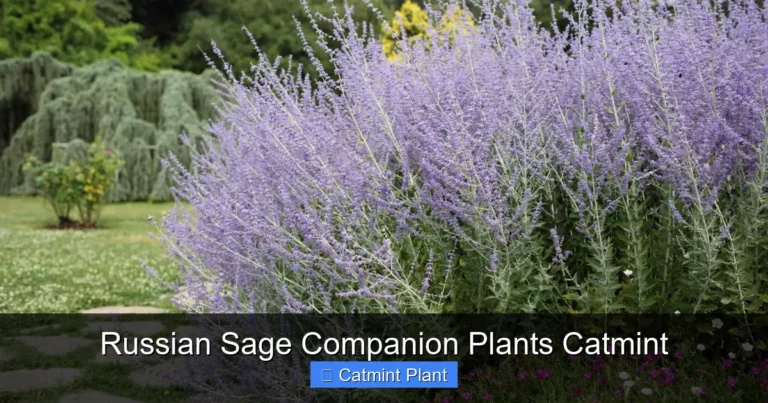
What to Plant Near Catmint
Catmint thrives alongside drought-tolerant perennials like salvia, coneflowers, and lavender. These companions share similar sun and soil needs while attracting beneficial pollinators. Avoid planting catmint near water-loving plants or aggressive spreaders that could crowd it out.
If you have ever grown catmint, you know why gardeners adore it. This tough perennial pumps out clouds of lavender-blue flowers for months. It laughs at drought. Deer and rabbits walk right past it. Bees and butterflies cannot get enough. But even a superstar plant performs better with the right supporting cast. Figuring out what to plant near catmint can turn a pretty patch into a garden scene that looks great from April through October.
I learned this the hard way. My first catmint went in beside a thirsty hydrangea. The hydrangea sulked in the sun. The catmint drowned in the shade and extra water. Neither plant was happy. A little research on companion planting would have saved me a season of disappointment. Now I treat catmint like the Mediterranean native it is. I give it friends that love baking sun, lean soil, and a drink only when the soil is bone dry. The results are so much better.
In this guide, we will walk through the best companions for catmint. We will cover flowering perennials, herbs, grasses, and even shrubs. We will also talk about plants to avoid and design tricks that make the whole bed shine. Whether you are planting a new border or refreshing an old one, you will leave with a solid planting plan.
Key Takeaways
- Catmint loves full sun and well-drained soil: Choose companions with the same requirements for a low-maintenance garden bed.
- Pollinator magnets pair perfectly: Salvia, coneflowers, and bee balm bring bees and butterflies while blooming alongside catmint.
- Herbs make practical neighbors: Rosemary, thyme, and oregano share catmint’s Mediterranean preferences and deter pests.
- Ornamental grasses add texture: Grasses like blue fescue or feather reed grass provide contrast without competing for resources.
- Avoid moisture-loving plants: Hostas, ferns, and astilbes need more water than catmint can tolerate.
- Watch for aggressive spreaders: Mint, bee balm, and some grasses can overwhelm catmint’s clumping habit.
- Design for succession blooming: Pair early, mid, and late-season bloomers for continuous color from spring to frost.
Quick Answers to Common Questions
What are the best flowering plants to pair with catmint?
Salvia, coneflowers, yarrow, Russian sage, bee balm, and blanket flower are top choices. They share catmint’s love of sun and drainage while providing contrasting flower shapes and extended bloom times.
Can I plant catmint next to lavender?
Yes, lavender and catmint are ideal companions. Both are Mediterranean natives that thrive in full sun, poor soil, and dry conditions. Their similar silvery foliage and purple flowers create a harmonious, fragrant pairing.
What herbs grow well with catmint?
Rosemary, thyme, oregano, sage, chives, and lavender all make excellent herb companions. They share the same cultural needs and create a useful, aromatic garden bed that deters pests naturally.
Should I avoid planting catmint near vegetables?
Not at all. Catmint attracts pollinators and beneficial insects that improve vegetable yields. Plant it as a border around your veggie garden, just ensure vegetables get their richer soil and extra water separately.
How far apart should I space catmint and its companions?
Space catmint 18-24 inches apart. Give salvia and coneflowers 18 inches. Grasses need 24-36 inches depending on variety. Shrubs need their mature width. Always check plant tags for specific spacing.
📑 Table of Contents
- Why Companion Planting Matters for Catmint
- Best Flowering Perennials for Catmint Companions
- Herbs and Edibles That Thrive Near Catmint
- Ornamental Grasses for Texture and Movement
- Shrubs and Structural Plants for Year-Round Bones
- Plants to Avoid Near Catmint
- Design Strategies for Catmint Combinations
- Maintenance Tips for a Thriving Catmint Border
- Sample Planting Plans
- Conclusion
Why Companion Planting Matters for Catmint
Shared Growing Conditions Mean Less Work
Catmint (Nepeta species) hails from dry, sunny hillsides across Europe and Asia. It wants at least six hours of direct sun. It demands sharp drainage. Rich soil and frequent watering actually make it floppy and short-lived. When you choose neighbors with the same preferences, you water once and everyone is happy. You fertilize rarely and nobody gets leggy. The bed essentially manages itself.
Extending the Bloom Season
Most catmint varieties bloom heavily in late spring to early summer. Many rebloom if sheared back. But there are gaps. Early spring bulbs finish before catmint starts. Late summer can look quiet if catmint takes a break. Smart companions fill those windows. You get continuous color without planting annuals every year.
Boosting Biodiversity
Catmint is a pollinator powerhouse. But different insects prefer different flower shapes. Tubular salvia flowers attract hummingbirds. Flat-topped yarrow draws beneficial wasps. Daisy-like coneflowers feed butterflies. A mixed border supports a wider web of life than a monoculture. That means fewer pest outbreaks and better pollination for any veggies nearby.
Visual Harmony Through Contrast
Catmint forms a soft, billowing mound of gray-green foliage. Its flowers are small and numerous, creating a hazy cloud. That texture begs for contrast. Spiky verticals. Bold broad leaves. Airy see-through stems. Structural evergreens. The right partners make catmint look intentional, not accidental.
Best Flowering Perennials for Catmint Companions
Salvia: The Classic Partner
If you ask any designer what to plant near catmint, salvia tops the list. Both plants thrive in hot, dry, sunny spots. Both bloom for months with minimal care. Both attract bees like crazy. But they look completely different. Catmint is soft and horizontal. Salvia sends up strong vertical spikes in purple, pink, white, or blue.
Try Salvia nemorosa ‘May Night’ for deep violet spikes that hit their stride just as catmint’s first flush peaks. ‘Caradonna’ offers darker stems for drama. For a softer look, ‘Snow Hill’ gives white spikes that glow at dusk. Plant them in alternating drifts of three or five. The rhythm leads the eye through the bed.
Coneflowers for Late Summer Color
Echinacea picks up where catmint slows down. Their big daisy flowers in pink, orange, yellow, or white stand tall on sturdy stems. Goldfinches love the seed heads in fall. Coneflowers tap deep roots, so they do not compete with catmint’s shallower network. They both want full sun and hate wet feet.
‘Magnus’ is a reliable pink. ‘White Swan’ adds elegance. The newer ‘Cheyenne Spirit’ mix throws a party of warm tones on compact plants. Leave seed heads standing through winter for birds and architectural interest.
Yarrow for Flat-Topped Contrast
Achillea brings flat flower clusters that hover like landing pads. The ferny foliage contrasts beautifully with catmint’s rounded leaves. Yarrow is nearly indestructible in lean soil. It spreads slowly by rhizomes, so give it room or choose clumping cultivars.
‘Moonshine’ offers soft yellow that cools down catmint’s purple. ‘Paprika’ brings spicy red that fades to pink. ‘Terracotta’ shifts from orange to copper. All bloom for weeks and make great cut flowers.
Russian Sage for Airy Height
Perovskia atriplicifolia looks like a giant, see-through catmint. Silvery stems. Tiny lavender flowers. It reaches three to four feet tall, creating a veil behind lower catmint mounds. The effect is dreamy in late summer light. Both plants are in the mint family, so they share the same tough constitution.
‘Little Spire’ stays compact at two feet for smaller beds. ‘Blue Spire’ is the classic tall form. Cut them back hard in early spring for sturdy stems that do not flop.
Bee Balm for Hummingbird Action
Monarda adds shaggy, tubular flowers in red, pink, or purple. Hummingbirds fight over them. The aromatic foliage discourages deer. Bee balm likes a bit more moisture than catmint, so site it at the bed’s lower edge or where runoff collects. Powdery mildew can be an issue in humid climates. Choose resistant varieties like ‘Jacob Cline’ (red) or ‘Raspberry Wine’ (deep pink).
Blanket Flower for Nonstop Blooms
Gaillardia aristata pumps out red-and-yellow pinwheels from early summer to frost. It thrives in the same poor, dry soil catmint loves. The low mounds mirror catmint’s habit but with bolder colors. ‘Arizona Sun’ is compact and floriferous. ‘Mesa Yellow’ gives pure gold. Deadhead occasionally for tidiness, or let them self-sow for a naturalized look.
Herbs and Edibles That Thrive Near Catmint
Mediterranean Herbs: A Natural Fit
Rosemary, thyme, oregano, sage, and lavender all hail from the same region as catmint. They speak the same language: sun, drainage, lean soil, infrequent water. Planting them together creates a fragrance garden that doubles as a kitchen resource. Brush past them on a warm afternoon and the air fills with essential oils.
Upright rosemary makes a nice evergreen anchor. Creeping thyme fills gaps between stones. Greek oregano spreads gently. Culinary sage offers soft gray leaves that echo catmint. English lavender adds iconic purple wands. Group them by height. Tall rosemary and lavender in back. Catmint in middle. Thyme and oregano as edging.
Alliums for Vertical Punctuation
Ornamental onions bloom in late spring, bridging the gap between bulbs and catmint’s main show. Their purple globes rise on bare stems, leaving the base open for catmint to fill in. ‘Globemaster’ and ‘Gladiator’ are giants. ‘Millenium’ is a clumping, late-blooming selection with grassy foliage that stays attractive all season. Alliums deter aphids and other pests with their sulfur compounds.
Chives for Edible Edging
Common chives (Allium schoenoprasum) form neat clumps of hollow leaves topped with pink-purple pom-poms. They bloom right alongside catmint. The flowers are edible and pretty in salads. Chives self-sow modestly. Pull unwanted seedlings or let them fill bare spots. They are said to improve the flavor of nearby tomatoes and repel Japanese beetles.
Dill and Fennel for Beneficial Insects
These airy umbellifers attract parasitic wasps, lacewings, and hoverflies that control aphids and caterpillars. Their feathery foliage contrasts with catmint’s density. Dill is annual. Fennel is perennial but can be aggressive. Plant bronze fennel for smoky foliage color. Keep them at the bed’s edge where you can harvest and where their taproots will not disturb neighbors.
Ornamental Grasses for Texture and Movement
Blue Fescue for Cool Color Echo
Festuca glauca forms tight, spiky mounds of intense blue-gray. The color mirrors catmint’s foliage but in a completely different form. It stays under a foot tall, perfect for the front of the border. ‘Elijah Blue’ is the most reliable cultivar. It dislikes wet winter soil, just like catmint. Divide every few years to keep centers from dying out.
Feather Reed Grass for Vertical Structure
Calamagrostis x acutiflora ‘Karl Foerster’ is the workhorse of modern gardens. Wheat-colored plumes rise five feet tall in early summer and stand through winter. The strict upright habit contrasts with catmint’s billow. It tolerates clay better than many grasses but still prefers drainage. Cut to the ground in late winter before new growth starts.
Prairie Dropseed for Fine Texture
Sporobolus heterolepis forms a fountain of hair-thin green blades that turn gold in fall. Airy, fragrant seed heads hover above in late summer. It is slow to establish but long-lived and deeply rooted. The scent of the flowers is often described as popcorn or cilantro. A native grass that handles drought once established.
Little Bluestem for Fall Fireworks
Schizachyrium scoparium stays blue-green through summer, then explodes in copper, orange, and red come autumn. Fluffy white seed heads catch the low light. It hosts skipper butterfly caterpillars. ‘The Blues’ offers intense blue summer color. ‘Standing Ovation’ stays upright in rich soil. Both pair beautifully with catmint’s late rebloom.
Shrubs and Structural Plants for Year-Round Bones
Dwarf Conifers for Evergreen Anchors
Small evergreens give the bed weight in winter when catmint dies back. Pinus mugo ‘Mops’ forms a dense green mound. Juniperus horizontalis ‘Blue Chip’ carpets the ground in silver-blue. Thuja occidentalis ‘Tiny Tim’ stays a neat green globe. All tolerate dry, sunny sites once established. Plant them as punctuation marks, not a solid hedge.
Butterfly Bush for Summer Spectacle
Buddleia davidii sends out honey-scented cones in purple, pink, white, or yellow from midsummer to frost. Butterflies mob them. Newer sterile cultivars like the ‘Lo & Behold’ series stay compact and do not seed around. ‘Blue Chip Jr.’ hits two feet. ‘Miss Molly’ offers rich magenta. Prune hard in early spring for best flowering.
Smokebush for Dramatic Foliage
Cotinus coggygria ‘Royal Purple’ holds deep burgundy leaves all season. In summer, airy pink panicles create the “smoke” effect. Fall brings electric red-orange color. It can reach ten feet but takes hard pruning to stay shrubby. The dark foliage makes catmint’s pale flowers pop. Site it where backlighting catches the smoke plumes.
Rose of Sharon for Late Blooms
Hibiscus syriacus blooms when many shrubs are done. Large hollyhock-like flowers in white, pink, blue, or purple cover the vase-shaped plant from August to October. ‘Blue Chiffon’ has lacy double blue flowers. ‘White Chiffon’ is pure and elegant. It leafs out late in spring, so plant early bulbs around its base for a prelude.
Lavender Cotton for Silver Edging
Santolina chamaecyparissus forms a low, aromatic mound of finely divided silver foliage. Yellow button flowers appear in summer. It is essentially a woody perennial that acts like a sub-shrub. Shear it after flowering to keep it tight. The silver foliage intensifies catmint’s gray-green. Both hate wet winter soil.
Plants to Avoid Near Catmint
Moisture Lovers Will Struggle
Hostas, ferns, astilbes, ligularias, and Japanese forest grass need consistent moisture. They wilt in the dry, sunny conditions catmint requires. If you try to water enough for them, catmint rots or flops. If you water for catmint, they crisp. Save yourself the frustration. Plant shade and moisture lovers in their own bed.
Aggressive Spreaders Will Smother
Mint (Mentha species) runs underground and pops up everywhere. It will choke catmint in one season. Bee balm (Monarda didyma) can be thuggish in moist soil. Gooseneck loosestrife (Lysimachia clethroides) and obedient plant (Physostegia virginiana) also spread fast. If you must grow them, contain them in pots or dedicated areas with barriers.
Heavy Feeders Create Imbalance
Roses, delphiniums, and peonies appreciate rich soil and regular fertilizer. Catmint gets leggy and disease-prone with too much nitrogen. The maintenance schedules conflict. Keep heavy feeders in beds where you can pamper them without affecting tough perennials.
Tall, Dense Plants Cast Too Much Shade
Sunflowers, hollyhocks, and large ornamental grasses like miscanthus can shade out catmint as the season progresses. Catmint needs full sun to bloom well and stay compact. If you want tall plants, put them on the north side of the bed so they do not block light.
Design Strategies for Catmint Combinations
Plant in Drifts, Not Polka Dots
One catmint here, one salvia there looks busy and restless. Instead, plant in groups of three, five, or seven. Let drifts interweave at the edges. This mimics natural plant communities and reads as intentional design. Odd numbers look more natural than even. Repeat the same drift two or three times down a long border for rhythm.
Layer by Height and Bloom Time
Tall structural plants (Russian sage, feather reed grass, butterfly bush) go in back. Mid-height bloomers (coneflowers, bee balm, yarrow, catmint) fill the middle. Low edgers (thyme, blue fescue, chives, lavender cotton) define the front. Choose at least one plant for each season: spring bulbs, early summer catmint and salvia, midsummer coneflowers and yarrow, late summer Russian sage and butterfly bush, fall grasses and sedum.
Use Foliage Color as a Thread
Catmint’s gray-green foliage is a neutral that works with almost everything. But you can create sophisticated combos by echoing silver, blue, burgundy, or chartreuse. Pair catmint with silver artemisia, blue fescue, burgundy smokebush, and chartreuse sedum ‘Angelina’. The foliage carries the show when flowers fade.
Edge Paths and Patios for Fragrance
Catmint releases its minty scent when brushed. Plant it along walkways, near seating, or beside garden gates. Combine with lavender, thyme, and rosemary for a sensory corridor. The aromatic oils also deter mosquitoes and flies from gathering areas.
Underplant Roses for a Classic Look
Catmint hides the bare knees of rose bushes. Its soft mounds cover the ground, suppressing weeds and keeping soil cool. The blue flowers look stunning with pink, yellow, or white roses. Just ensure the rose gets its deeper watering at the root zone, not overhead on the catmint. Drip irrigation solves this neatly.
Create a Pollinator Strip Along the Veggie Garden
Plant a three-foot-wide strip of catmint, salvia, coneflower, yarrow, and alliums along the edge of your vegetable garden. The pollinators and beneficial insects drawn to the flowers will visit your tomatoes, squash, and cucumbers. It is one of the prettiest pest management strategies you can employ.
Maintenance Tips for a Thriving Catmint Border
The Chelsea Chop for Bushier Plants
In late May, shear catmint back by half. Do the same for tall companions like Russian sage, bee balm, and tall sedum. This delays flowering slightly but produces stockier plants that do not flop. You get more stems, more flowers, and a neater habit. It feels brutal, but the plants thank you.
Deadhead for Rebloom
After the first big flush, cut catmint flower spikes back to the foliage mound. Many varieties will push a second bloom in six to eight weeks. Deadhead coneflowers, yarrow, and blanket flower too. Leave some seed heads on coneflowers and grasses for winter interest and birds.
Divide Every Three to Four Years
Catmint centers can die out, leaving a donut shape. Dig the clump in early spring or fall. Tease apart healthy outer sections. Replant the vigorous pieces. Compost the woody center. Do the same for yarrow, bee balm, and ornamental grasses. Division rejuvenates plants and gives you free plants for new beds.
Water Deeply, Infrequently
Establish new plants with regular water the first season. After that, water only during extended drought. A deep soak every two to three weeks beats frequent sprinkles. Deep watering encourages deep roots. Shallow watering creates dependent plants. Mulch with gravel or shredded bark to conserve moisture and keep crowns dry.
Skip the Fertilizer
Catmint and its companions thrive in lean soil. Fertilizer promotes weak, floppy growth and reduces essential oil production. If your soil is truly terrible, work in compost at planting time. After that, let them fend for themselves. They evolved to mine nutrients from poor ground.
Cut Back in Late Winter
Leave dried stems and seed heads through winter. They protect crowns, feed birds, and look architectural in frost. In late February or early March, cut everything to the ground before new growth emerges. A hedge trimmer makes quick work of large beds. Rake out debris and you are ready for spring.
Sample Planting Plans
Small Sunny Border (4 x 8 feet)
Back row: One ‘Blue Spire’ Russian sage, one ‘Karl Foerster’ feather reed grass. Middle: Three ‘Walker’s Low’ catmint, three ‘May Night’ salvia, two ‘Magnus’ coneflower. Front: Five ‘Elijah Blue’ fescue, three ‘Moonshine’ yarrow, a drift of ‘Millenium’ allium. Edge: Creeping thyme between stepping stones.
Pollinator Power Strip (3 x 20 feet)
Repeat this module four times: One butterfly bush ‘Blue Chip Jr.’, two catmint ‘Junior Walker’, two coneflower ‘Cheyenne Spirit’, two bee balm ‘Raspberry Wine’, three yarrow ‘Terracotta’, five allium ‘Millenium’, seven blue fescue. Mulch with pea gravel.
Mediterranean Herb & Flower Bed (6 x 6 feet)
Center: Upright rosemary ‘Arp’. Corners: English lavender ‘Hidcote’. Between lavenders: Three catmint ‘Walker’s Low’. Middle ring: Greek oregano, culinary sage, common chives. Outer edge: Creeping thyme ‘Elfin’. Spring bulbs: Species tulips and allium ‘Purple Sensation’ tucked throughout.
Cottage Garden Mix (Irregular 10 x 12 feet)
Anchor shrubs: Smokebush ‘Royal Purple’ (back left), Rose of Sharon ‘Blue Chiffon’ (back right). Perennial matrix: Drifts of catmint, salvia ‘Caradonna’, coneflower ‘White Swan’, yarrow ‘Paprika’, blanket flower ‘Arizona Sun’, Russian sage ‘Little Spire’. Grasses: Prairie dropseed (3), little bluestem ‘The Blues’ (3). Bulbs: Daffodils, species tulips, allium ‘Globemaster’. Self-sowers allowed: Nigella, larkspur, bachelor buttons.
Conclusion
Knowing what to plant near catmint opens the door to a garden that is beautiful, resilient, and alive with pollinators. The secret is simple. Match the conditions. Catmint wants sun, drainage, and lean soil. Give it friends that want the same. Salvia, coneflowers, yarrow, Russian sage, ornamental grasses, Mediterranean herbs, and a few well-chosen shrubs will carry the show from spring to frost.
Start small if you are new to this. Plant a drift of catmint with two or three companions. Watch how they interact through the seasons. Notice which combos make you smile. Then expand. Gardens are never finished. They are conversations between plants, place, and gardener. Catmint is a generous conversationalist. It plays well with others. It asks little and gives much. Pair it thoughtfully, and you will enjoy the dialogue for years.
Now grab your trowel. Pick a sunny spot. Choose a few partners from this list. Plant them with a little space to breathe and a little gravel mulch. Water them in. Then step back and let nature do what it does best. Your catmint border is about to become the neighborhood’s favorite pollinator cafe. And you? You will have a front-row seat.
Frequently Asked Questions
Does catmint spread aggressively like mint?
No, catmint (Nepeta) forms tidy clumps and does not run by underground runners like true mint (Mentha). It may self-sow modestly, but unwanted seedlings are easy to pull or transplant.
When is the best time to plant catmint companions?
Spring and early fall are ideal. Cool temperatures and reliable rainfall help roots establish before summer heat or winter cold. Summer planting works with diligent watering.
Can catmint grow in part shade?
Catmint tolerates light shade but blooms less and gets leggy. For best flowering and compact habit, give it at least six hours of direct sun. In hot climates, afternoon shade is acceptable.
Why is my catmint flopping open in the center?
Flopping usually means too much water, too rich soil, or not enough sun. Shear it back by half after the first bloom (the Chelsea Chop) to encourage bushier growth. Avoid fertilizer.
Are all catmint varieties good companions for the same plants?
Most Nepeta x faassenii cultivars like ‘Walker’s Low’ and ‘Junior Walker’ have similar needs. Larger species like Nepeta sibirica or Nepeta grandiflora may need more space but share the same cultural preferences.
How do I keep catmint blooming all summer?
Shear the plant back by half after the first heavy flush finishes in early summer. Water deeply once to encourage regrowth. Many varieties will rebloom in six to eight weeks. Deadhead spent flowers regularly.