Plastic for Areca Palm Comparison
Choosing the right plastic for areca palm comparison helps your palm stay healthy by controlling moisture, protecting roots, and managing temperature. Our guide breaks down types, key features, and simple steps so you can pick the best option fast.
Areca palms bring a tropical feel to any room. They need steady moisture and gentle root care. A good plastic pot can make that easy. This guide walks you through a plastic for areca palm comparison so you can decide with confidence.
We start by explaining why plastic matters for these palms. Then we compare the main plastic types you will see on the market. Next we list the key features you should check. After that we show you how to choose the right plastic for areca palm comparison based on your home. Finally we share installation tips and common mistakes to avoid.
By the end you will know exactly what to look for and how to keep your areca palm thriving in a plastic container.
Key Takeaways
- Moisture control: Plastic pots keep soil evenly moist for areca palms.
- Root safety: Smooth plastic walls prevent root damage during repotting.
- Temperature buffer: Plastic insulates roots from sudden heat or cold.
- Material choice: Polyethylene, polypropylene, recycled, and biodegradable plastics each have pros and cons.
- Feature check: Look for thickness, UV resistance, drainage holes, and easy cleaning.
- Match your space: Pick a pot size and plastic type that fits your light and humidity conditions.
- Avoid common errors: Do not overwater, use non‑breathable plastic, or ignore UV damage.
Quick Answers to Common Questions
What is the best plastic for areca palm comparison?
Polypropylene with UV resistance and good drainage is often the top choice for durability and root health.
How often should I water an areca palm in a plastic pot?
Water when the top inch of soil feels dry; typically once a week in summer and every two weeks in winter.
Can I use recycled plastic pots for areca palms?
Yes, if the pot is thick enough and has drainage holes; check for rough edges before planting.
Do plastic pots need drainage holes for areca palms?
Absolutely; drainage holes prevent waterlogging and root rot.
How do I protect plastic pots from UV damage?
Choose UV‑stabilized plastic or place the pot where it receives filtered light instead of direct afternoon sun.
📑 Table of Contents
Why Plastic Matters for Areca Palms
Moisture Retention
Plastic pots hold water longer than clay. This helps the soil stay evenly moist. Areca palms like consistent moisture but hate soggy roots. A plastic for areca palm comparison shows that thicker walls reduce evaporation.
When you water, the plastic slows drainage. That means you water less often. Less frequent watering saves time and reduces the risk of overwatering.
Root Protection
Smooth plastic walls do not scratch delicate roots. When you repot, roots slide out easily. This reduces transplant shock. A plastic for areca palm comparison highlights that root health improves with smooth surfaces.
Roots also stay cooler in plastic because the material does not heat up as fast as metal. Cooler roots grow stronger.
Temperature Control
Plastic acts as an insulator. It buffers roots from sudden temperature swings. In winter, plastic keeps the root zone warmer. In summer, it prevents overheating. A plastic for areca palm comparison shows that this stability leads to steadier growth.
If you place the pot near a heater or air conditioner, plastic helps moderate the effect. Your palm stays comfortable year round.
Weight and Mobility
Plastic pots are light compared to ceramic or stone. You can move them easily for cleaning or light changes. A plastic for areca palm comparison notes that light weight reduces strain on shelves.
Lightweight pots also make seasonal rotations simple. You can shift the palm to a brighter spot without help.
Even large plastic containers stay manageable. This is great for renters who rearrange often.
Aesthetic Options
Plastic comes in many colors and finishes. You can match your decor without sacrificing function. A plastic for areca palm comparison shows that matte finishes hide water marks.
Clear or translucent pots let you see root health at a glance. This helps early problem detection.
Decorative patterns add style while keeping the benefits of plastic.
Cost Effectiveness
Plastic pots are usually cheaper than ceramic equivalents. You get durability for a lower price. A plastic for areca palm comparison confirms that budget buyers get good value.
Long lifespan means fewer replacements. This saves money over the years.
Bulk purchases often come with discounts for multiple palms.
Types of Plastic for Areca Palm Comparison
Polyethylene
Polyethylene is the most common plastic for pots. It is lightweight and affordable. It resists cracking in cold weather. A plastic for areca palm comparison often rates polyethylene high for durability.
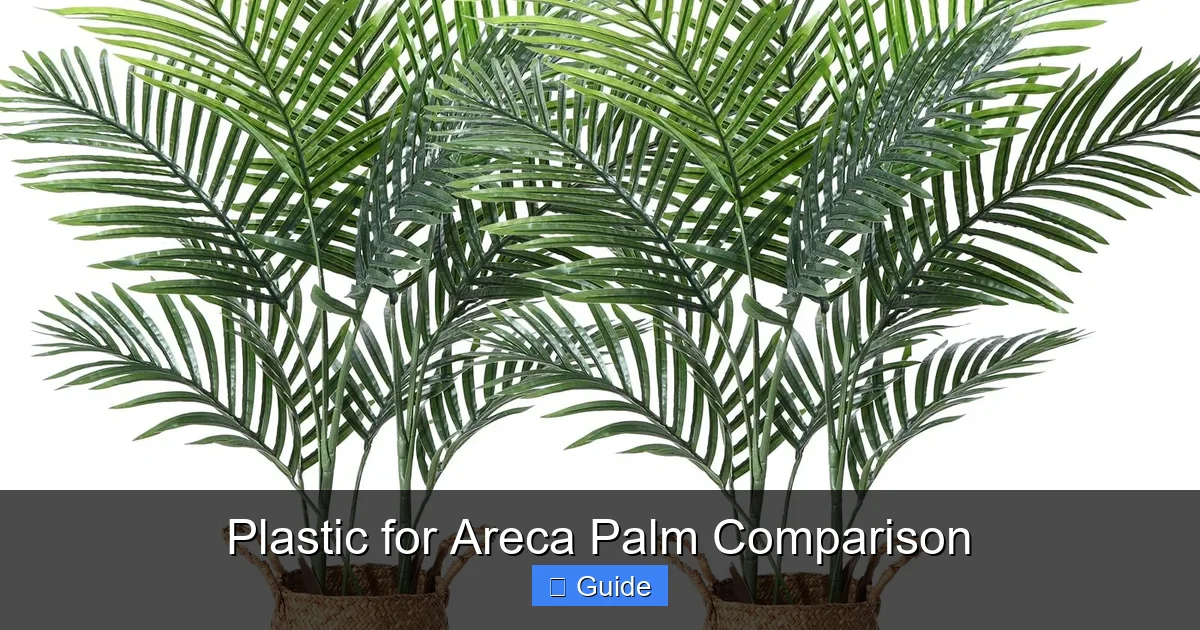
Visual guide about Plastic for Areca Palm Comparison
Image source: m.media-amazon.com
However, thin polyethylene can degrade under strong UV light. Look for UV‑stabilized versions if the pot sits in direct sun.
Polypropylene
Polypropylene is slightly stiffer than polyethylene. It handles higher temperatures without warping. It also resists chemicals and stains. A plastic for areca palm comparison notes that polypropylene pots last many seasons.
They are a bit heavier but still easy to move. They often come with built‑in drainage holes.
Recycled Plastic
Recycled plastic pots use post‑consumer waste. They are eco‑friendly and often cheaper. Strength varies by brand. A plastic for areca palm comparison suggests checking the thickness before buying.
Some recycled pots may have rough edges. Sand them lightly to protect roots.
Biodegradable Options
Biodegradable plastics break down over time. They are good for short‑term use or for planting directly in the ground. A plastic for areca palm comparison warns that they may not hold up for years indoors.
If you plan to keep the palm in the same pot for a long time, choose a more durable plastic.
Polycarbonate
Polycarbonate is very strong and clear. It resists impact better than most plastics. A plastic for areca palm comparison shows it works well for high‑traffic areas.
It can be more expensive but lasts decades. UV‑coated versions prevent yellowing.
Clear walls let you monitor root growth without disturbing the plant.
PVC
PVC pots are rigid and inexpensive. They hold shape well under heavy soil. A plastic for areca palm comparison notes that PVC can become brittle in extreme cold.
Choose PVC with plasticizers for flexibility. Ensure drainage holes are present.
PVC is often used for large commercial planters.
Composite Blends
Composite blends mix plastic with natural fibers. They look like wood but keep plastic benefits. A plastic for areca palm comparison finds they offer good insulation.
These blends are heavier than pure plastic. They may cost more but add aesthetic appeal.
Check that the blend is rated for indoor use.
Key Features to Compare
Thickness
Thicker walls mean better insulation and longer life. A plastic for areca palm comparison recommends at least 3 mm wall thickness for indoor palms.
Thin pots can crack when the soil expands. They also let heat pass through faster.
UV Resistance
UV‑stabilized plastic resists sun damage. If your palm gets bright light, pick a UV‑rated pot. A plastic for areca palm comparison shows that non‑UV plastic becomes brittle in months.
Look for a label that says “UV resistant” or “outdoor rated.”
Drainage Holes
Good drainage prevents waterlogging. Most plastic pots come with pre‑drilled holes. A plastic for areca palm comparison advises checking hole size and number.
If holes are too small, add a layer of gravel. If there are none, drill your own.
Ease of Cleaning
Smooth plastic wipes clean with a damp cloth. This stops salt buildup from fertilizer. A plastic for areca palm comparison points out that textured surfaces trap debris.
Clean pots every few months to keep roots healthy.
Color and Light Reflection
Light‑colored pots reflect heat and keep roots cooler. A plastic for areca palm comparison suggests white or pastel shades for sunny rooms.
Dark pots absorb heat and may stress roots in summer. Choose based on your light conditions.
Reflective surfaces also brighten the room.
Stackability
Stackable pots save space when not in use. A plastic for areca palm comparison notes that tapered designs nest neatly.
This is handy for seasonal storage. It also reduces clutter in small apartments.
Check that stacking does not block drainage holes.
Warranty and Support
Some brands offer warranties on plastic pots. A plastic for areca palm comparison recommends choosing a brand with at least a one‑year guarantee.
Good customer service helps if a pot cracks early. Keep receipts for claims.
Warranty length often reflects material quality.
How to Choose the Right Plastic for Areca Palm Comparison
Assess Your Environment
Check light levels, humidity, and temperature swings in the room. A plastic for areca palm comparison matches pot features to these conditions.
High light areas need UV‑resistant plastic. Low humidity rooms benefit from thicker walls that hold moisture.
Match Pot Size
Choose a pot 2‑3 inches wider than the root ball. Too large a pot holds excess water. A plastic for areca palm comparison stresses proper sizing for healthy growth.
When the palm outgrows the pot, move up one size at a time.
Budget Considerations
Polyethylene is the cheapest. Polypropylene costs a bit more but lasts longer. Recycled plastic sits in the middle. A plastic for areca palm comparison helps you balance cost and lifespan.
Investing in a quality pot can save money on replacements.
Brand Reputation
Well‑known brands often use better raw materials. A plastic for areca palm comparison shows that reputable makers test for UV stability.
Read product descriptions for certification marks. This reduces risk of early failure.
Brand loyalty can also mean easier access to replacement parts.
User Reviews
Online reviews reveal real‑world performance. A plastic for areca palm comparison suggests filtering reviews by climate similarity.
Look for comments on cracking, fading, or drainage issues. Consistent praise indicates reliability.
Photos from other buyers help visualize size and color.
Return Policy
A generous return window lets you test the pot at home. A plastic for areca palm comparison advises checking for free return shipping.
If the pot arrives damaged, you can swap it quickly. This protects your investment.
Keep packaging until you are sure the pot fits.
Installation and Maintenance Tips
Preparing the Pot
Wash the new pot with mild soap and rinse well. This removes manufacturing residues. A plastic for areca palm comparison recommends a clean start for root health.
Add a layer of coarse gravel or broken pottery at the bottom for extra drainage.
Watering Practices
Water until excess drains out. Then wait until the top inch of soil feels dry. A plastic for areca palm comparison shows that consistent watering prevents stress.
Use room‑temperature water. Cold water can shock tropical roots.
Seasonal Adjustments
In winter, reduce watering frequency. The palm grows slower and uses less water. A plastic for areca palm comparison notes that plastic retains moisture longer in cool months.
In summer, increase watering and consider a saucer to catch runoff.
Fertilizer Management
Apply a balanced liquid fertilizer monthly during growing season. A plastic for areca palm comparison warns that excess salts build up faster in plastic.
Flush the soil with plain water every few months. This removes accumulated minerals.
Use a fertilizer with micronutrients for vibrant fronds.
Pest Prevention
Inspect leaves weekly for spider mites or scale. A plastic for areca palm comparison suggests wiping leaves with a damp cloth to remove pests.
Isolate new plants for two weeks before placing near your palm. This stops hitchhiking insects.
Neem oil spray works well as a preventive measure.
Repotting Schedule
Repot every 2‑3 years or when roots circle the pot. A plastic for areca palm comparison recommends moving up one size each time.
Spring is the best season for repotting. The palm recovers faster in active growth.
Trim any dead roots before placing in fresh soil.
Common Mistakes to Avoid
Overwatering
Plastic holds water well, so it is easy to overwater. Check soil moisture before each watering. A plastic for areca palm comparison warns that soggy soil leads to root rot.
Use a moisture meter if you are unsure.
Using Non‑Breathable Plastic
Some cheap plastics have no airflow. Roots need oxygen. A plastic for areca palm comparison suggests choosing pots with ventilation slots or breathable fabric liners.
If the pot feels completely sealed, drill a few small holes near the rim.
Ignoring UV Damage
Direct sun can make plastic brittle. Brittle pots crack and leak. A plastic for areca palm comparison advises moving pots out of harsh afternoon sun or using UV‑rated plastic.
Inspect pots each season for cracks.
Neglecting Soil Quality
Poor soil compacts and blocks drainage. A plastic for areca palm comparison stresses using a well‑draining mix with perlite or bark.
Refresh the top layer of soil annually. This adds nutrients and improves aeration.
Avoid garden soil; it is too heavy for containers.
Using Wrong Soil Mix
Heavy clay mixes retain too much water. A plastic for areca palm comparison recommends a peat‑based mix with added sand.
Test drainage by watering and watching how fast it exits. Adjust mix if water pools.
Correct soil prevents root suffocation.
Skipping Regular Inspections
Small cracks or salt crusts go unnoticed without checks. A plastic for areca palm comparison suggests a monthly visual inspection.
Look for discoloration, warping, or mineral buildup. Early fixes keep the pot functional.
Record observations to track pot condition over years.
Conclusion
A thoughtful plastic for areca palm comparison gives you the tools to pick a pot that supports healthy growth. Focus on moisture control, root safety, and temperature stability. Choose a plastic type that fits your light, humidity, and budget. Check thickness, UV resistance, drainage, and ease of cleaning. Follow simple installation steps and adjust care with the seasons. Avoid overwatering, sealed pots, and sun damage. With the right plastic container your areca palm will stay green and vibrant for years.
Happy planting!
Frequently Asked Questions
What does a plastic for areca palm comparison involve?
A plastic for areca palm comparison evaluates different plastic pot materials, thickness, UV resistance, drainage, and cost to find the best match for your palm’s needs.
Is polyethylene safe for areca palms?
Yes, polyethylene is safe and widely used; just ensure it is UV‑stabilized if the pot gets strong light.
How thick should a plastic pot be for an areca palm?
Aim for at least 3 mm wall thickness to provide good insulation and durability.
Can I drill extra holes in a plastic pot?
Yes, drilling extra drainage or ventilation holes is easy and often improves root health.
What are signs my plastic pot is failing?
Cracks, brittleness, discoloration, or water leaking from the sides indicate the pot should be replaced.
Are biodegradable plastic pots good for long‑term indoor areca palms?
They are better for short‑term use; for long‑term indoor growth choose a more durable plastic like polypropylene.