Planting Design for Catmint
Catmint thrives when its planting design for catmint balances sun, soil, and companions. Follow these steps to create a low‑maintenance, pollinator‑friendly border that blooms from spring to fall.
Welcome to the world of catmint, a hardy perennial that brings soft lavender spikes and a sweet scent to any garden. If you have ever wondered how to get the most out of this plant, you are in the right place. A thoughtful planting design for catmint can turn a simple border into a season‑long showpiece.
In this guide I walk you through every step of a successful planting design for catmint. We will cover site selection, soil preparation, companion choices, seasonal layering, and long‑term care. By the end you will have a clear plan you can start this weekend.
Key Takeaways
- Sunlight matters: Catmint needs at least six hours of direct sun for best bloom.
- Well‑drained soil: Sandy or loamy soil prevents root rot.
- Companion plants: Pair with lavender, salvia, or ornamental grasses for texture.
- Seasonal layers: Use early, mid, and late bloomers to extend color.
- Low water once established: Deep watering early on, then occasional drinks.
- Prune after flowering: Light shear encourages a second flush.
- Design for pollinators: Plant in drifts to attract bees and butterflies.
Quick Answers to Common Questions
What is the best sun exposure for catmint?
Catmint needs at least six hours of direct sun each day for optimal flowering.
How often should I water newly planted catmint?
Water deeply twice a week for the first month, then reduce as the plant establishes.
Which companion plants work well with catmint?
Lavender, salvia, ornamental grasses, and early bulbs make excellent partners.
When should I prune catmint for a second bloom?
Shear back by one‑third after the first flush fades, usually midsummer.
How do I divide catmint clumps?
Lift the clump every three to four years, split with a sharp spade, and replant divisions.
📑 Table of Contents
Understanding Catmint Basics
Botanical Snapshot
Catmint belongs to the genus Nepeta and includes several species such as Nepeta faassenii and Nepeta racemosa. These plants are members of the mint family but they do not spread aggressively like true mint. A solid planting design for catmint starts with knowing which variety fits your space. Choose a compact cultivar for small beds or a taller type for the back of a border.
Growth Habit
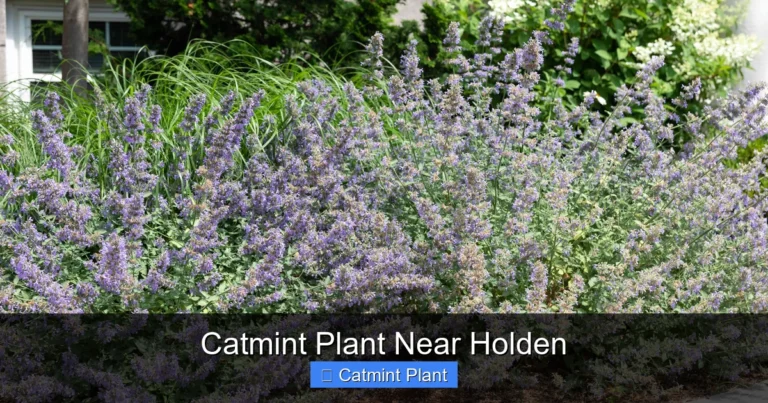
Most catmint varieties form low mounds that reach twelve to eighteen inches tall and spread about twenty‑four inches wide. The foliage is gray‑green and aromatic, releasing a pleasant scent when brushed. When you plan a planting design for catmint, remember that the clumps will expand each year. Give them room to grow without crowding neighbors.
Why Gardeners Love It
Gardeners love catmint for its long bloom period, drought tolerance, and ability to attract pollinators. Bees, butterflies, and hummingbirds visit the tubular flowers from late spring into early fall. A well‑executed planting design for catmint makes the most of these wildlife benefits. The plant also resists deer and rabbits, making it a low‑stress choice.
Hardiness and Climate
Catmint thrives in USDA zones 3 through 8, handling cold winters and hot summers alike. In colder zones the foliage may die back but the crown survives. When you draft a planting design for catmint, check your zone and select a cultivar rated for your area. This ensures reliable performance year after year.
Quick tip: Revisit your planting design for catmint each spring to adjust spacing and add fresh compost.
Choosing the Right Site
Sun Exposure
Catmint thrives in full sun, meaning at least six hours of direct light each day. In hotter climates a bit of afternoon shade can prevent leaf scorch. When you map out your planting design for catmint, place the clumps where they will receive the most light. A sunny spot also encourages the strongest fragrance.
Soil Type and Drainage
Well‑drained soil is essential. Sandy loam or gritty loam works best because excess water can cause root rot. If your garden has heavy clay, amend it with coarse sand or compost before you finalize your planting design for catmint. Good drainage keeps the roots healthy and the plant upright.
Space and Airflow
Give each plant enough room to breathe. Space clumps eighteen to twenty‑four inches apart to allow air movement and reduce fungal issues. Proper spacing is a key part of any planting design for catmint that aims for healthy foliage. Crowded plants compete for light and water.
Microclimate Considerations
Observe wind patterns and reflected heat from walls or pavement. A sheltered corner may stay cooler, while a south‑facing wall can add extra warmth. Adjust your planting design for catmint to match these microclimates for the best results.
Quick tip: Test your planting design for catmint by placing a temporary marker where each clump will go before digging.
Preparing the Soil
Testing pH
Catmint prefers a slightly alkaline to neutral pH, roughly 6.5 to 7.5. A simple soil test kit from a garden center will tell you where you stand. Adjust the pH before you lock in your planting design for catmint. Lime raises pH, while sulfur lowers it.
Amending with Organic Matter
Mix in two to three inches of compost or well‑rotted manure into the top twelve inches of soil. This improves texture, adds nutrients, and helps retain moisture without waterlogging. Good soil preparation is the foundation of a successful planting design for catmint. Organic matter also feeds beneficial soil microbes.
Creating a Planting Hole
Dig a hole twice as wide as the root ball and just as deep. Loosen the sides so roots can spread easily. Place the plant so the crown sits level with the soil surface, then backfill and firm gently. This step completes the physical part of your planting design for catmint. Water thoroughly after planting to settle the soil.
Mulching for Moisture Retention
Apply a two‑inch layer of shredded bark or straw around the base, keeping mulch away from the crown. Mulch conserves moisture, suppresses weeds, and moderates soil temperature. Including mulch in your planting design for catmint reduces watering chores during hot spells.
Quick tip: Refresh the mulch layer each year to keep your planting design for catmint performing at its best.
Companion Planting Strategies
Herb Partners
Herbs such as lavender, rosemary, and thyme share similar sun and soil needs. Their silvery foliage contrasts nicely with catmint’s gray‑green leaves. Adding herbs to your planting design for catmint creates a fragrant, low‑maintenance herb garden. The combined scent deters many pests.
Flowering Perennials
Pair catmint with salvia, coneflower, or black‑eyed Susan for a burst of color that overlaps. These perennials bloom at slightly different times, extending the visual interest. A layered planting design for catmint uses staggered bloom periods to keep the border lively. The mix also supports a wider range of pollinators.
Grasses and Foliage
Ornamental grasses like blue fescue or feather reed grass add movement and texture. Their fine blades sway in the breeze, highlighting catmint’s upright spikes. Including grasses in your planting design for catmint adds a dynamic element that looks great year‑round. Grasses also provide winter structure.
Bulb Underplanting
Plant early bulbs such as crocus, dwarf iris, or snowdrops beneath the catmint clumps. They flower before catmint hits its stride, giving the bed a head start. Planning for early color is a smart move in any planting design for catmint. The bulbs naturalize and return each spring.
Quick tip: Choose companions that share the same watering needs to simplify your planting design for catmint maintenance.
Designing Seasonal Interest
Early Spring Color
Early spring bulbs such as crocus or dwarf iris can be tucked among catmint clumps. They flower before catmint hits its stride, giving the bed a head start. Planning for early color is a smart move in any planting design for catmint. The contrast of bright bulbs against gray foliage is striking.
Mid‑Summer Peak
Catmint reaches its fullest bloom in midsummer, producing clouds of lavender spikes. At this stage the plant also releases its strongest fragrance. A planting design for catmint that centers the midsummer show will draw the most pollinators. Deadheading spent spikes encourages a tidy appearance.
Late Autumn Fade
As temperatures drop, catmint foliage turns a soft silver and the flowers fade to brown. Leaving the spent stems provides winter habitat for beneficial insects. A thoughtful planting design for catmint includes a plan for winter interest and wildlife shelter. The silver foliage catches low light beautifully.
Winter Structure
In winter the dried stems stand like delicate sculptures against snow. They also protect the crown from freeze‑thaw cycles. Keeping the stems until early spring is part of a low‑maintenance planting design for catmint. Cut them back just before new growth emerges.
Quick tip: Add evergreen shrubs nearby to give your planting design for catmint year‑round backbone.
Maintenance and Long‑Term Care
Watering Schedule
Water newly planted catmint deeply twice a week for the first month. After establishment, the plant is drought tolerant and only needs occasional watering during prolonged dry spells. Consistent moisture early on supports a strong planting design for catmint. Use a soaker hose to avoid wetting foliage.
Fertilizing Lightly
Apply a balanced slow‑release fertilizer in early spring if the soil is poor. Too much nitrogen encourages leafy growth at the expense of flowers. Light feeding keeps your planting design for catmint balanced and blooming. A single application per year is usually enough.
Pruning for Rebloom
Shear the plant back by one‑third after the first flush of flowers fades. This encourages a second bloom in late summer. Regular pruning is a simple habit that maximizes the impact of your planting design for catmint. Use clean, sharp shears to avoid disease spread.
Dividing Every Few Years
Every three to four years lift the clump, split it with a sharp spade, and replant the divisions. Division rejuvenates the plant and prevents center die‑out. Including division in your long‑term planting design for catmint ensures vigor for decades. Share extra divisions with friends.
Pest and Disease Watch
Catmint is generally pest‑free, but watch for aphids on new growth and powdery mildew in humid conditions. A strong planting design for catmint with good airflow reduces these issues. If problems appear, treat with insecticidal soap or a homemade neem spray.
Quick tip: Schedule a yearly review of your planting design for catmint to catch any issues early.
You now have a complete roadmap for a thriving catmint border. Start by selecting a sunny, well‑drained spot and preparing the soil with compost. Choose companions that share the same cultural needs and stagger bloom times for continuous color. Water deeply at planting, then ease back as the roots establish. Prune after the first bloom and divide every few years to keep the clumps fresh. Remember that a great planting design for catmint is not a one‑time task but an evolving process. Observe how the plants interact each season and adjust spacing or companions as needed. With a little attention, your catmint garden will become a low‑maintenance haven for pollinators and a source of fragrant beauty for years to come. Happy gardening, and enjoy the soft lavender waves that a well‑planned planting design for catmint brings to your landscape.
Frequently Asked Questions
Can catmint grow in shade?
Catmint prefers full sun; it will tolerate light shade but flowering and fragrance will be reduced.
Is catmint invasive?
Unlike true mint, catmint forms tidy clumps and does not spread aggressively by runners.
What soil pH does catmint prefer?
A slightly alkaline to neutral pH of 6.5 to 7.5 is ideal for healthy growth.
How do I prevent powdery mildew on catmint?
Provide good air circulation, avoid overhead watering, and space plants properly.
When is the best time to plant catmint?
Early spring or early fall are optimal, allowing roots to establish before extreme temperatures.
Does catmint attract bees?
Yes, the tubular lavender flowers are a favorite nectar source for bees, butterflies, and hummingbirds.