Growing Catmint Plant
Growing catmint plant is rewarding and easy for gardeners of all skill levels. This drought-tolerant perennial produces stunning lavender-blue flowers that attract pollinators while repelling pests naturally. With proper sunlight, well-draining soil, and minimal maintenance, your catmint will thrive for years.
If you have ever walked through a garden in early summer and noticed clouds of lavender-blue flowers buzzing with bees, chances are you were admiring catmint. This charming perennial has earned its place in gardens worldwide, and for good reason. Growing catmint plant success comes naturally to both novice and experienced gardeners because this plant asks for so little while giving so much in return.
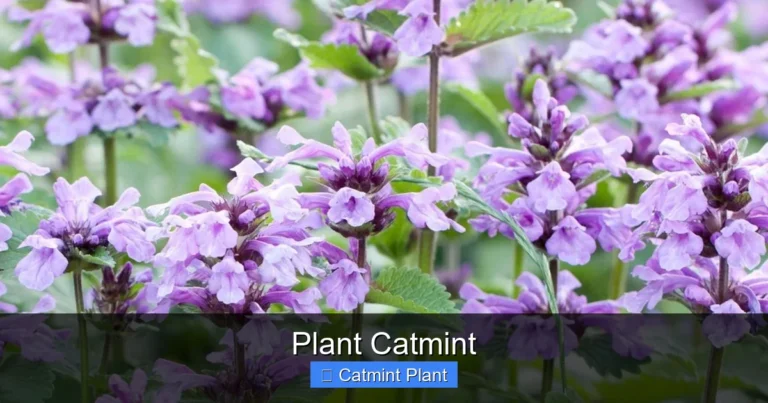
I remember the first time I planted catmint along my front walkway. Within weeks, it had formed a soft, billowing mound of gray-green foliage topped with spikes of tiny flowers. The neighborhood cats visited regularly, rolling in the fragrant leaves, while butterflies and bees performed aerial acrobatics among the blooms. That single plant sparked my love affair with this incredible perennial, and I want to share everything I have learned so you can experience the same joy in your garden.
Key Takeaways
- Sunlight requirements: Catmint needs at least six hours of direct sunlight daily for optimal flowering and compact growth.
- Soil preferences: Well-draining soil with neutral to slightly alkaline pH prevents root rot and promotes healthy development.
- Watering needs: Established plants are drought-tolerant; water deeply but infrequently to encourage deep root systems.
- Pruning timing: Cut back after first bloom to encourage a second flush of flowers and maintain tidy appearance.
- Propagation methods: Divide mature clumps in spring or take softwood cuttings in early summer for new plants.
- Pest resistance: Natural aromatic oils deter deer, rabbits, and many insect pests while attracting beneficial pollinators.
- Companion planting: Pair with roses, salvias, and ornamental grasses for stunning garden combinations and mutual benefits.
Quick Answers to Common Questions
How much sunlight does catmint need?
Catmint requires at least six hours of direct sunlight daily for optimal growth and flowering. Eight to ten hours produces the most compact, floriferous plants. In very hot climates, light afternoon shade is acceptable.
When should I cut back my catmint?
Shear catmint back by one-third after the first major bloom fades in early summer. This encourages a second flush of flowers. In early spring, cut dead stems to the ground before new growth emerges.
Is catmint the same as catnip?
No. Both belong to the genus Nepeta, but catnip (Nepeta cataria) is a weedy species grown for cats, while ornamental catmint varieties like Nepeta x faassenii are bred for garden performance with showier flowers and better form.
Can catmint grow in shade?
Catmint performs poorly in shade. It becomes leggy, produces fewer flowers, and is more susceptible to powdery mildew. Full sun is essential for the compact, mounding habit and prolific blooming that makes this plant desirable.
How do I prevent catmint from flopping open in the middle?
Flopping results from rich soil, overwatering, too much shade, or lack of pruning. Ensure full sun, lean soil, and minimal water. Perform the mid-season shear in early July, cutting plants back to six to eight inches to maintain dense, compact growth.
📑 Table of Contents
- Understanding Catmint: What Makes This Plant Special
- Choosing the Perfect Location for Your Catmint
- Planting Catmint: Step-by-Step Success
- Ongoing Care for Thriving Catmint Plants
- Propagation: Multiplying Your Catmint Collection
- Common Problems and Solutions
- Designing with Catmint in the Landscape
- Seasonal Care Calendar
- Harvesting and Using Catmint
- Advanced Tips for Catmint Enthusiasts
- Conclusion: Your Catmint Journey Begins
Understanding Catmint: What Makes This Plant Special
Botanical Background and Varieties
Catmint belongs to the genus Nepeta, a member of the mint family Lamiaceae. While often confused with catnip (Nepeta cataria), ornamental catmint varieties offer far more garden appeal. The most popular species for growing catmint plant enthusiasts include Nepeta x faassenii, Nepeta racemosa, and Nepeta grandiflora. Each brings unique characteristics to the landscape.
Nepeta x faassenii ‘Walker’s Low’ stands as perhaps the most famous cultivar, named Perennial Plant of the Year in 2007. Despite its name, it reaches twenty-four to thirty inches tall and wide. ‘Six Hills Giant’ grows larger, reaching thirty-six inches, while ‘Little Titch’ stays compact at just eight to ten inches. Nepeta racemosa ‘Blue Wonder’ offers intense violet-blue flowers on eighteen-inch plants, perfect for front-of-border placement.
Why Gardeners Love Catmint
The appeal goes far beyond pretty flowers. Catmint blooms from late spring through fall with minimal deadheading. The aromatic foliage releases a pleasant minty fragrance when brushed against, making it ideal for planting along pathways. Deer and rabbits typically avoid it due to the strong essential oils, yet pollinators flock to the nectar-rich blooms. Few perennials offer this combination of beauty, durability, and ecological value.
Choosing the Perfect Location for Your Catmint
Sunlight Requirements for Maximum Blooms
Full sun serves as the non-negotiable foundation for growing catmint plant success. Your plants need at least six hours of direct sunlight daily, though eight to ten hours produces the most compact growth and prolific flowering. In hot southern climates, a touch of afternoon shade prevents leaf scorch, but too much shade leads to leggy, floppy stems and reduced blooms.
Watch your garden throughout the day before planting. Morning sun with afternoon shade works in zones 8-9, but northern gardeners should prioritize maximum sun exposure. The difference between adequate and optimal sunlight shows dramatically in plant form — full sun plants stay neat and mound-shaped, while shaded specimens stretch toward light, becoming woody and sparse at the base.
Soil Conditions That Catmint Prefers
Well-draining soil ranks equally important with sunlight. Catmint hates wet feet, especially during winter. Heavy clay soils spell disaster unless amended significantly. The ideal soil is lean, gritty, and slightly alkaline with a pH between 6.5 and 7.5. Rich, fertile soils actually reduce flowering and encourage floppy growth — this plant thrives on neglect.
Test your soil before planting. If drainage is questionable, dig a hole twelve inches deep, fill with water, and time how long it takes to drain. Anything over four hours indicates poor drainage requiring amendment. Mix in coarse sand, fine gravel, or expanded shale at a ratio of one part amendment to two parts native soil. Avoid compost and manure — they retain too much moisture and provide excess nitrogen.
Spacing and Air Circulation Considerations
Proper spacing prevents fungal issues and allows each plant to develop its natural graceful form. Space plants eighteen to twenty-four inches apart for most varieties, thirty inches for larger cultivars like ‘Six Hills Giant’. Good air circulation around foliage reduces humidity that encourages powdery mildew, though catmint resists this better than many perennials.
Planting Catmint: Step-by-Step Success
When to Plant for Best Establishment
Spring planting after the last frost gives catmint the longest growing season to establish before winter. Fall planting works in zones 6-9 if done six to eight weeks before the first hard freeze, allowing roots to anchor before dormancy. Avoid summer planting unless you can provide consistent moisture during establishment.
Container-grown plants from nurseries can go in the ground anytime the soil is workable. Bare-root divisions should only be planted in early spring or early fall. If you receive plants by mail in summer, pot them up and keep in partial shade until cooler weather arrives.
Preparing the Planting Hole
Dig a hole twice as wide as the root ball but no deeper. Catmint roots spread horizontally, not vertically. Loosen the soil at the bottom and sides of the hole to encourage root penetration. If your soil is compacted, break up a wider area around the planting site.
Remove the plant from its container and gently tease apart any circling roots. Place the plant so the crown sits at soil level — planting too deep causes crown rot. Backfill with native soil, firming gently to eliminate air pockets. Water thoroughly to settle soil around roots.
Initial Watering and Mulching
Water deeply after planting, then apply a thin layer of gravel mulch or shredded bark. Avoid piling mulch against the crown. Gravel mulch reflects heat, improves drainage, and looks attractive with the gray-green foliage. Organic mulches work too but keep them light — no more than one inch deep.
For the first two weeks, water every other day unless rain provides adequate moisture. Gradually extend intervals to twice weekly, then weekly. By week six, established plants need water only during extended dry spells.
Ongoing Care for Thriving Catmint Plants
Watering Established Plants
Once established, catmint becomes remarkably drought-tolerant. The deep taproot accesses moisture far below the surface. Water deeply but infrequently — perhaps every two to three weeks during dry periods. Overwatering causes more problems than underwatering. Signs of overwatering include yellowing lower leaves, soft stems, and reduced flowering.
In regions with regular summer rainfall, supplemental watering may never be necessary. Container-grown catmint needs more frequent attention since pots dry out faster. Check soil moisture by inserting your finger two inches deep — water only when dry at that depth.
Fertilizing: Less Is More
Catmint grows naturally in poor, rocky soils. Fertilizer encourages lush foliage at the expense of flowers and creates weak, floppy stems. If your soil is extremely poor, apply a light handful of balanced slow-release fertilizer in early spring. Otherwise, skip fertilizer entirely. A top-dressing of compost every few years provides sufficient nutrients without excess.
Deadheading for Continuous Blooms
While not strictly necessary, deadheading spent flower spikes encourages reblooming and keeps plants tidy. Shear off faded flowers just above a leaf node using hedge shears or hand pruners. This quick task, done every three to four weeks during peak season, transforms a single flush of blooms into months of color.
For large plantings, use hedge shears to trim the entire plant back by one-third after the first major bloom fades. This rejuvenation pruning stimulates fresh growth and a second heavy flowering period in late summer.
The Mid-Season Shear: Secret to Compact Growth
Many gardeners skip this step, but the mid-season shear makes the difference between a tidy mound and a sprawling mess. Around early July, after the first big bloom, cut the entire plant back to six to eight inches tall. It looks drastic, but within two weeks, fresh gray-green foliage emerges, followed by another wave of flowers that often surpasses the first.
This technique also prevents the center from opening up and becoming woody. Without periodic hard pruning, catmint develops bare centers with growth only at the outer edges. The shear keeps plants dense and youthful.
Propagation: Multiplying Your Catmint Collection
Division: The Easiest Method
Division serves as the most reliable propagation method for growing catmint plant enthusiasts. Every three to four years, mature clumps benefit from division to maintain vigor. Early spring, just as new growth emerges, offers the ideal timing. Fall division works too but gives less time for root establishment before winter.
Dig up the entire clump with a garden fork, keeping as many roots intact as possible. Shake off excess soil to reveal the crown structure. Using a sharp knife or spade, cut the clump into sections, each with several healthy shoots and a good root system. Discard the woody, unproductive center. Replant divisions immediately at the same depth, water well, and mulch lightly.
Softwood Cuttings for Exact Clones
Take softwood cuttings in late spring to early summer when stems are flexible but not floppy. Select non-flowering shoots four to six inches long. Remove lower leaves, dip the cut end in rooting hormone, and insert into a pot filled with moist perlite and peat mix. Cover with a clear plastic bag to maintain humidity, place in bright indirect light, and roots develop in three to four weeks.
This method produces exact genetic copies of named cultivars. Seed-grown plants vary, but cuttings preserve the specific traits of ‘Walker’s Low’, ‘Blue Wonder’, or any other variety.
Growing from Seed
Catmint seeds require light to germinate. Sow indoors six to eight weeks before the last frost, pressing seeds onto the surface of moist seed-starting mix without covering. Keep at seventy degrees Fahrenheit; germination takes ten to twenty days. Transplant seedlings after hardening off.
Direct sowing works in prepared garden beds after frost danger passes. Thin seedlings to eighteen inches apart. Species catmint comes relatively true from seed, but named cultivars will not — they revert to variable forms.
Common Problems and Solutions
Floppy, Leggy Growth
The number one complaint when growing catmint plant specimens involves floppy stems that sprawl outward, leaving a bare center. Causes include too much shade, rich soil, overwatering, overfertilizing, or lack of pruning. Fix the cultural issues first — reduce water, stop fertilizing, ensure full sun. Then shear back hard in early summer. New growth will be compact and upright.
Powdery Mildew
Though resistant, catmint occasionally develops powdery mildew in humid conditions with poor air circulation. White powdery coating on leaves indicates infection. Improve spacing, avoid overhead watering, and apply neem oil or potassium bicarbonate spray at first sign. Resistant varieties like ‘Walker’s Low’ rarely succumb.
Root Rot in Wet Conditions
Yellowing, wilting despite moist soil, and blackened roots signal root rot from poor drainage. Prevention through proper soil preparation works best. If caught early, dig up the plant, trim away rotted roots, dust with fungicide, and replant in amended, well-draining soil. Often, replacement proves easier than rescue.
Cat Damage
Neighborhood cats may flatten young plants while enjoying the aromatic foliage. Protect new plantings with chicken wire cages or thorny branches laid over the crown until established. Mature plants recover quickly from occasional feline attention. Some gardeners plant a sacrificial patch of catnip nearby to distract cats from ornamental catmint.
Designing with Catmint in the Landscape
Perfect Companion Plants
Catmint plays well with others. Its soft gray-green foliage and lavender-blue flowers complement almost any color scheme. Classic pairings include roses — catmint hides bare rose canes while attracting beneficial insects that control rose pests. The combination of pink roses and blue catmint creates a timeless cottage garden look.
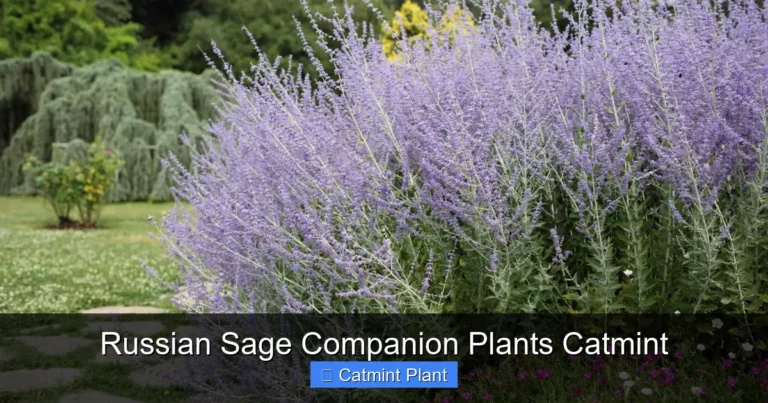
Ornamental grasses like Pennisetum or Festuca provide textural contrast. Yellow-flowered perennials such as coreopsis, yarrow, or daylilies create vibrant complementary color schemes. Purple coneflower, black-eyed Susan, and salvia extend the pollinator buffet. For a monochromatic blue garden, combine catmint with Russian sage, lavender, and blue salvia.
Using Catmint as Edging and Groundcover
Low-growing varieties excel as edging along paths and driveways. ‘Little Titch’, ‘Blue Wonder’, and ‘Junior Walker’ stay under eighteen inches, creating a soft border that spills gracefully onto hardscapes. The fragrance releases when brushed by passersby, adding sensory delight to garden walks.
Mass plantings on slopes provide erosion control with minimal maintenance. The dense root system holds soil while the spreading habit covers ground quickly. Space plants eighteen inches apart in staggered rows for fastest coverage.
Container Growing Success
Catmint thrives in containers with excellent drainage. Choose pots at least twelve inches deep with multiple drainage holes. Use a gritty potting mix — one part potting soil, one part coarse sand or perlite, one part compost. Place in full sun and water when the top inch feels dry. Fertilize once in spring with slow-release granules.
Container plants need winter protection in zones 5 and below. Move pots to an unheated garage or bury them in the ground up to the rim. In warmer zones, containers can remain outdoors year-round.
Seasonal Care Calendar
Spring: Awakening and Preparation
As new growth emerges in early spring, remove any winter mulch from crown protection. Cut back dead stems to the ground if you left them for winter interest. Apply a light top-dressing of compost around the base. Divide overcrowded clumps now. Watch for early aphid infestations on tender new growth — blast off with water or treat with insecticidal soap.
Summer: Peak Performance
June brings the first major bloom. Deadhead regularly or shear back after the initial flush fades. Monitor watering during heat waves. Enjoy the pollinator show! July marks the time for the rejuvenation shear if plants look tired. August often brings a spectacular second bloom on pruned plants.
Fall: Preparing for Dormancy
Stop deadheading in September to allow some seed heads to form for winter interest and bird food. Reduce watering as temperatures cool. Apply a light mulch of shredded leaves around the crown after the ground freezes in cold climates. Do not cut back foliage — it protects the crown through winter.
Winter: Rest and Protection
Catmint needs little winter care in zones 5-9. In zone 4 and colder, ensure a good snow cover or apply evergreen boughs over the crown after the ground freezes. Avoid heavy mulch that holds moisture against the crown. Container plants need the protection mentioned earlier.
Harvesting and Using Catmint
Cutting for Bouquets
Catmint makes charming cut flowers for informal arrangements. Harvest stems when about half the flowers on a spike have opened. Cut in early morning, place immediately in water, and they last five to seven days. The gray-green foliage adds texture to bouquets even after flowers fade.
For drying, harvest stems at peak bloom, bundle loosely, and hang upside down in a dark, well-ventilated area. Dried catmint retains color well and works in wreaths and dried arrangements.
Culinary and Herbal Uses
While not as potent as catnip, catmint leaves make a pleasant minty tea. Steep a tablespoon of fresh leaves in boiling water for five minutes. The tea aids digestion and promotes relaxation. Young leaves add a subtle mint flavor to salads, fruit dishes, and summer drinks.
Traditional herbalists used catmint for colds, fevers, and nervous tension. Modern research confirms mild sedative and antispasmodic properties. Always consult a healthcare provider before using herbs medicinally, especially during pregnancy or with medications.
Cat Entertainment
If you share your garden with felines, expect visits. Cats rub against, roll on, and sometimes chew catmint. The compound nepetalactone triggers a euphoric response in about seventy percent of cats. Effects last ten to fifteen minutes, followed by a refractory period of an hour or two. Most cats self-regulate, but monitor enthusiastic individuals to prevent plant destruction.
Advanced Tips for Catmint Enthusiasts
Creating a Catmint Hedge
For a low, flowering hedge, plant ‘Six Hills Giant’ or ‘Walker’s Low’ eighteen inches apart in a straight or curved line. Shear the sides and top lightly after the first bloom to encourage dense branching. The result: a fragrant, pollinator-friendly boundary that blooms for months.
Underplanting Roses and Shrubs
Catmint excels as a living mulch under roses and deciduous shrubs. It suppresses weeds, conserves soil moisture, and attracts beneficial insects. Plant twelve to eighteen inches from the base of woody plants to avoid root competition. The combination reduces rose maintenance while doubling the floral display.
Growing Catmint in Challenging Sites
Hellstrips — the area between sidewalk and street — suit catmint perfectly. It tolerates road salt, reflected heat, poor soil, and irregular moisture. ‘Walker’s Low’ and ‘Junior Walker’ handle these tough conditions beautifully. Similarly, catmint thrives on septic mounds, green roofs, and rain garden edges where drainage fluctuates.
Conclusion: Your Catmint Journey Begins
Growing catmint plant success comes from understanding its simple needs: sun, drainage, and restraint. Resist the urge to coddle — this plant thrives on benign neglect. Give it a sunny spot in lean soil, water until established, then step back and watch the magic unfold. The rewards arrive as clouds of blue flowers, clouds of butterflies, and the quiet satisfaction of a garden that largely takes care of itself.
Start with one plant this spring. Choose ‘Walker’s Low’ for reliability, ‘Blue Wonder’ for intense color, or ‘Little Titch’ for tight spaces. Plant it where you will brush past it daily — along a path, beside a bench, near the mailbox. Let its fragrance become part of your garden routine. Before long, you will find yourself dividing clumps to share with friends, propagating cuttings for new beds, and wondering how you ever gardened without this remarkable perennial.
The cats will thank you. The bees will thank you. Your eyes will thank you every time you glimpse that soft haze of lavender-blue dancing in the summer breeze. Welcome to the catmint club — we are glad you are here.
Frequently Asked Questions
Does catmint spread aggressively like mint?
No, catmint does not spread by underground runners like true mints. It forms a clump that slowly expands outward. Some varieties may self-seed modestly, but unwanted seedlings are easily removed. Division every few years controls size.
What is the best catmint variety for a small garden?
‘Little Titch’ and ‘Junior Walker’ stay under eighteen inches tall and wide, making them perfect for small spaces, containers, and front-of-border planting. Both bloom heavily and maintain neat mounds without flopping.
Can I grow catmint indoors?
Catmint grows poorly indoors due to insufficient light. It needs full sun and good air circulation. For indoor cat entertainment, grow catnip (Nepeta cataria) on a sunny windowsill instead.
Why is my catmint not flowering?
Lack of flowers usually indicates insufficient sunlight, too much nitrogen fertilizer, or the plant needs division. Ensure at least six hours of direct sun, stop fertilizing, and divide crowded clumps in early spring.
Is catmint toxic to pets?
Catmint is non-toxic to dogs and cats. Cats may experience mild euphoria from rolling in or chewing the foliage, but effects are temporary and harmless. Monitor pets to prevent excessive plant damage.
How long does catmint live?
With proper care and division every three to four years, catmint plants live indefinitely. Individual clumps may decline after five to six years without division, but the plant perpetuates through divisions and self-sown seedlings.