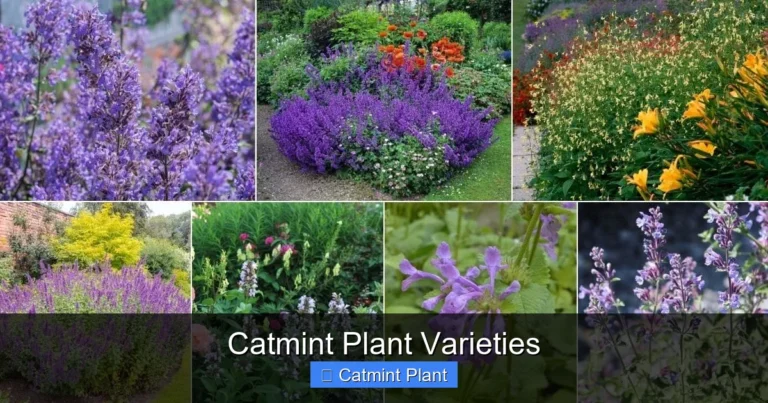
Plant Catmint in Pots
Plant catmint in pots for a low-maintenance, drought-tolerant herb that attracts pollinators and repels pests. This guide covers everything from choosing containers to seasonal care for beautiful, fragrant blooms all season long.
Catmint is one of those plants that just makes gardening feel easy. It blooms for months. It smells amazing. Bees and butterflies love it. Cats go crazy for it. And it asks for very little in return. If you have a sunny patio, a balcony, or even just a windowsill with good light, you can plant catmint in pots and enjoy its charm all season long.
Growing catmint in containers gives you control. You control the soil. You control the water. You control the spread. That last one matters because catmint can get enthusiastic in the ground. In a pot, it stays polite. It stays put. And it still puts on a show. This guide walks you through every step. From picking the right pot to keeping your plant happy through winter. Let us dig in.
Key Takeaways
- Choose the right pot: Use containers at least 12 inches wide with drainage holes to prevent root rot.
- Use well-draining soil: Mix potting soil with perlite or sand for optimal drainage.
- Full sun is best: Place pots where they get 6 to 8 hours of direct sunlight daily.
- Water wisely: Let soil dry between waterings. Catmint hates wet feet.
- Trim after blooming: Cut back spent flowers to encourage a second flush of blooms.
- Divide every few years: Refresh crowded plants in spring or fall to keep them vigorous.
- Watch for pests: Aphids and spider mites can appear. Treat early with neem oil or insecticidal soap.
Quick Answers to Common Questions
What size pot do I need for catmint?
Use a pot at least 12 inches wide and 10 inches deep. Larger varieties need 14 to 18 inches.
How often should I water potted catmint?
Water when the top 2 inches of soil feel dry. This may be daily in summer, weekly in spring and fall.
Does catmint need fertilizer in pots?
Light feeding only. Mix slow release fertilizer at planting. Top dress with compost in spring. Avoid heavy feeding.
When should I cut back catmint?
Shear back by one third after the first bloom flush in early summer. This encourages a second bloom.
Can catmint survive winter in pots?
In zones 6 and up, with protection. In zones 5 and colder, move pots to an unheated garage or shed.
📑 Table of Contents
- Why Choose Catmint for Container Gardening
- Selecting the Right Pot and Soil
- How to Plant Catmint in Pots Step by Step
- Caring for Your Potted Catmint
- Seasonal Care Through the Year
- Repotting and Dividing
- Common Problems and Solutions
- Choosing the Best Catmint Varieties for Pots
- Design Ideas for Potted Catmint
- Harvesting and Using Catmint
- Troubleshooting FAQ Quick Reference
- Conclusion
Why Choose Catmint for Container Gardening
Catmint checks every box for a great container plant. It is tough. It is pretty. It is useful. And it forgives mistakes. If you forget to water for a few days, it will not sulk. If you skip fertilizer, it will not complain. It just keeps growing.
Long Blooming Season
Most catmint varieties bloom from late spring through fall. That is months of color. The flowers are usually lavender blue. Some are pink or white. They sit above gray green foliage that looks good even when the plant is not in bloom. When you plant catmint in pots, you get a long season of interest from a single plant.
Drought Tolerance
Once established, catmint handles dry spells like a champ. Its roots go deep. Its leaves are slightly fuzzy, which helps reduce water loss. This makes it perfect for pots, which dry out faster than garden beds. You can go away for a weekend and not come home to a crispy plant.
Pollinator Magnet
Bees, butterflies, and hummingbirds flock to catmint. The tubular flowers are rich in nectar. If you want to support pollinators, this is one of the best plants you can grow. A single pot on a balcony can feed dozens of insects all summer.
Deer and Rabbit Resistant
The strong scent of catmint comes from essential oils. These same oils make it unappealing to deer and rabbits. If you have wildlife pressure, catmint is a safe bet. They will walk right past it.
Cat Entertainment
If you have cats, you know the drill. They roll. They drool. They get the zoomies. Catmint contains nepetalactone, the same compound found in catnip. Not all cats react, but many do. A pot of catmint can provide hours of free entertainment for your feline friends.
Selecting the Right Pot and Soil
The container you choose sets the stage for success. Catmint has a spreading root system. It needs room. It also needs excellent drainage. Get these two things right, and you are halfway there.
Pot Size Matters
Start with a pot at least 12 inches in diameter. 14 to 16 inches is even better. Depth should be at least 10 inches. Catmint roots like to stretch. A too small pot means more frequent watering and stunted growth. If you are planting a larger variety like Nepeta faassenii ‘Six Hills Giant’, go bigger. 18 inches wide gives it room to shine.
Material Choices
Terracotta is classic. It breathes. It wicks moisture away from roots. That is great for catmint. But it dries fast in hot weather. Glazed ceramic holds moisture longer. Plastic is light and retains water well. Fabric pots are a modern favorite. They air prune roots and prevent circling. Any of these work. Just make sure there are drainage holes. No holes? Drill some. It is that important.
The Perfect Soil Mix
Catmint hates wet feet. Standard potting soil alone can stay too moist. Mix your own. Use two parts high quality potting soil. Add one part perlite or coarse sand. Add one part compost for nutrients. This blend drains fast but holds enough moisture for healthy growth. You can also buy cactus or succulent mix and blend it half and half with regular potting soil. That works too.
Add a Drainage Layer
Put a layer of gravel, broken pottery, or pebbles at the bottom of the pot. One to two inches is plenty. This keeps soil from washing out and helps water exit freely. Some gardeners skip this. But for catmint, it is cheap insurance against root rot.
How to Plant Catmint in Pots Step by Step
Planting is straightforward. But a few details make a big difference. Follow these steps when you plant catmint in pots for the best start.
Timing Your Planting
Spring is ideal. After the last frost, when soil has warmed. Early summer works too. Fall planting is fine in mild climates. Give roots 6 to 8 weeks before hard frost to establish. Avoid planting in the heat of midsummer unless you can water daily.
Prepare the Pot
Clean the pot if it is used. Scrub with a 10 percent bleach solution. Rinse well. Add your drainage layer. Fill about one third with your soil mix. Tamp it down lightly.
Remove the Plant
Water the nursery pot an hour before planting. This reduces transplant shock. Turn the pot on its side. Squeeze the sides. Slide the plant out. If roots are circling, gently tease them apart. Use your fingers. Do not rip. A little loosening helps roots explore the new soil.
Position and Fill
Set the plant in the center. The top of the root ball should sit about an inch below the rim. This leaves room for watering. Fill around the sides with soil mix. Press gently to remove air pockets. Do not bury the crown. The crown is where stems meet roots. Keep it at soil level.
Water Thoroughly
Water until it runs out the bottom. This settles the soil. Add more soil if it settles a lot. Water again. Place the pot in its permanent spot. Full sun. At least 6 hours. 8 is better.
Mulch the Surface
Add a thin layer of gravel, crushed shells, or bark mulch. Half an inch is enough. This reduces evaporation. It keeps soil from splashing on leaves. And it looks tidy.
Caring for Your Potted Catmint
Care is simple. But consistent attention pays off. Here is what your catmint needs to thrive in a container.
Watering Routine
Check soil daily in hot weather. Stick your finger in two inches. If dry, water. If moist, wait. Water deeply until it drains out the bottom. Shallow watering encourages shallow roots. In spring and fall, you might water every 3 to 4 days. In summer heat, maybe daily. In winter, barely at all. Always adjust for rain.
Feeding Schedule
Catmint is not a heavy feeder. Too much fertilizer makes floppy growth and fewer flowers. Mix slow release fertilizer into the soil at planting. A balanced 10-10-10 or 5-5-5 works. Or use organic options like bone meal and compost. Top dress with compost in spring. That is usually all it needs. If leaves look pale mid season, give a half strength liquid feed once.
Deadheading for More Blooms
When the first big flush fades, shear the plant back by one third. Use clean scissors or shears. Cut just above a leaf node. This triggers fresh growth and a second bloom cycle. Do this in midsummer. You will get flowers well into fall. If you skip this, the plant gets leggy and blooms slow down.
Pinching for Bushiness
Early in the season, pinch back the tips of young stems. Do this when the plant is 6 to 8 inches tall. Pinch just above a leaf pair. This encourages branching. More branches mean more flowers. It also keeps the plant compact and full.
Sunlight Management
Full sun is best. But in zones 8 and up, afternoon shade helps. Intense heat can scorch leaves. If your only spot gets blazing afternoon sun, use a shade cloth during peak hours. Or move the pot to dappled light after 2 PM. Morning sun is non negotiable. At least 4 hours of direct morning light.
Rotating the Pot
Turn the pot a quarter turn each week. This ensures even light exposure. Without rotation, the plant leans toward the sun. One side gets full. The other stays sparse. Rotation keeps it symmetrical.
Seasonal Care Through the Year
Catmint in pots needs different things each season. Here is a year round calendar.
Spring Wake Up
As days lengthen, growth resumes. Remove any winter mulch. Check for dead stems. Cut them to the base. Top dress with an inch of fresh compost. Scratch it into the top inch of soil. Water well. If the plant is root bound, this is the time to repot or divide. More on that next.
Summer Glory
This is showtime. Water consistently. Deadhead after first bloom. Watch for pests. Enjoy the pollinators. Take photos. Cut stems for bouquets. The scent fills the air. This is why you plant catmint in pots.
Fall Transition
Stop fertilizing by early fall. Let growth harden off. Reduce watering as temperatures drop. After a few hard frosts, the plant will go dormant. Leaves turn brown. Stems die back. You have a choice. Cut it all to the ground now. Or leave it for winter interest and bird habitat. Either works.
Winter Protection
In zones 5 and colder, pots freeze solid. This kills roots. Move pots to an unheated garage, shed, or against a protected wall. Group pots together. Mulch heavily with straw or leaves around and over them. Water once a month if soil is thawed and dry. In zones 6 and 7, you can often leave them out with a thick mulch blanket. In zones 8 and up, they may stay green all winter.
Repotting and Dividing
Catmint grows fast. In a pot, it will fill the space in 2 to 3 years. Then it needs help.
Signs It Is Time
Roots growing out of drainage holes. Soil dries out in hours. Plant looks smaller each year. Fewer flowers. Center of plant dies out. These all mean the roots are crowded.
Repotting Up
Go up one pot size. 2 inches wider. Fresh soil mix. Same planting depth. Water well. Do this in early spring before active growth. Or early fall.
Dividing the Plant
This rejuvenates old plants. And gives you free plants. Tip the plant out. Use a sharp knife or spade. Cut the root ball into sections. Each needs roots and shoots. 3 to 4 inches across is a good size. Replant divisions in fresh soil. Water well. Keep shaded for a week. They will bounce back fast.
Root Pruning Alternative
If you do not want a bigger pot, root prune. Remove plant. Shave off the outer inch of roots and soil all around. Put back in same pot with fresh mix. This stresses the plant less than dividing. Do it every 2 years.
Common Problems and Solutions
Catmint is tough. But problems happen. Here is how to spot and fix them.
Root Rot
Yellow leaves. Wilting despite wet soil. Mushy stems at base. Foul smell from soil. This is root rot. Caused by poor drainage or overwatering. Fix: Remove plant. Cut away black mushy roots. Repot in fresh dry mix. Water sparingly. Improve drainage. It may not recover if too far gone.
Powdery Mildew
White powdery coating on leaves. Usually in humid, crowded conditions. Fix: Improve air flow. Space pots apart. Water at soil level, not on leaves. Remove badly affected leaves. Spray with neem oil or potassium bicarbonate. Prevent by choosing resistant varieties like ‘Walker’s Low’.
Aphids
Tiny green, black, or white bugs on new growth. Sticky honeydew. Ants farming them. Fix: Blast with water. Spray insecticidal soap. Repeat weekly until gone. Ladybugs eat them. Encourage beneficial insects.
Spider Mites
Tiny specks. Fine webbing. Leaves look stippled or bronzed. Hot dry weather brings them. Fix: Increase humidity. Mist daily. Spray neem oil. Predatory mites work too. Keep plants well watered. Stressed plants attract mites.
Leggy Growth
Long bare stems. Few leaves. Few flowers. Too much shade or too much nitrogen. Fix: Move to more sun. Stop fertilizing. Cut back hard in early summer. It will regrow bushier.
No Flowers
Lush leaves but no blooms. Usually too much shade. Or too much fertilizer. Or the plant is too young. Fix: Ensure 6+ hours sun. Stop feeding. Be patient. First year plants may bloom lightly.
Choosing the Best Catmint Varieties for Pots
Not all catmints are equal in containers. Some get huge. Some stay neat. Here are top picks for pots.
Nepeta faassenii ‘Walker’s Low’
The gold standard. 18 to 24 inches tall. 24 to 30 inches wide. Lavender blue flowers. Gray green foliage. Blooms May to September. Perennial Plant of the Year 2007. Very mildew resistant. Great in 14 inch pots.
Nepeta ‘Cat’s Pajamas’
Compact. 12 to 14 inches tall and wide. Indigo blue flowers. Blooms early and long. Perfect for 10 to 12 inch pots. Great for small spaces.
Nepeta ‘Kit Kat’
Tiny. 8 to 10 inches tall. 12 inches wide. Pale blue flowers. Adorable in small pots. Good for fairy gardens or troughs.
Nepeta subsessilis ‘Sweet Dreams’
Pink flowers. 18 to 24 inches. Larger leaves. Likes a bit more moisture. Unique color for pots.
Nepeta ‘Blue Wonder’
12 to 15 inches. Deep blue flowers. Very compact. Long bloom. Tough as nails.
Nepeta racemosa ‘Little Titch’
Dwarf. 8 to 10 inches. Violet blue flowers. Forms a tight mound. Excellent for edging pots or mixed containers.
Design Ideas for Potted Catmint
Catmint plays well with others. Here are ways to use it in your container designs.
Thriller Filler Spiller
Catmint is a classic filler. Mounded shape. Long bloom. Pair with a tall thriller like salvia or ornamental grass. Add a spiller like creeping thyme or calibrachoa. Instant professional look.
Herb Garden Pot
Plant catmint with rosemary, thyme, oregano, and sage. All love sun and drainage. Catmint brings pollinators to help the herbs. Harvest herbs. Let catmint bloom.
Pollinator Patio
Group 3 to 5 pots. Catmint, lavender, coneflower, bee balm, butterfly weed. Different heights. Continuous bloom. Pollinator heaven on your deck.
Cat Corner
Dedicate a pot to your cat. Catmint, catnip, valerian, cat grass. Place where kitty can access. Watch the joy. Replace as needed.
Moon Garden
White flowered catmint like ‘Alba’ or ‘Snowflake’. Pair with white petunias, silver dusty miller, white alyssum. Glows at dusk. Magical on a summer evening.
Harvesting and Using Catmint
Catmint is not just pretty. It is useful. Here is how to harvest and use it.
For Cats
Cut stems just before flowers open. This is peak oil content. Hang upside down in a dark, dry, airy place. 1 to 2 weeks. Strip leaves. Store in airtight jar. Give cats a pinch. Or stuff into toys. Refresh toys monthly.
For Tea
Catmint tea is soothing. Mild minty flavor. Calming. Use fresh or dried leaves. 1 teaspoon dried or 1 tablespoon fresh per cup. Steep 5 to 10 minutes. Sweeten with honey. Drink before bed.
For Bouquets
Cut stems early morning. Place in water immediately. Lasts 5 to 7 days. Adds airy texture to arrangements. Scent fills the room.
For Potpourri
Dry leaves and flowers. Mix with rose petals, lavender, citrus peel. Add a few drops essential oil. Display in bowls. Sachets for drawers.
In the Kitchen
Young leaves are edible. Add to salads. Chop into herb butter. Flavor vinegar. Garnish desserts. Use sparingly. Flavor is strong.
Troubleshooting FAQ Quick Reference
Quick answers to the most common questions.
Why is my catmint turning yellow?
Usually overwatering. Check drainage. Let soil dry more between waterings. Could also be nutrient deficiency. Top dress with compost.
Why is it flopping open in the middle?
Classic sign of age or too much shade. Cut back hard after first bloom. Divide in spring if old. Move to more sun.
Can I grow catmint indoors?
Not long term. It needs full sun and air flow. You can winter it inside in a cool bright spot. But it will not thrive as a houseplant.
Is catmint invasive in pots?
No. The pot contains the roots. It will not spread. But it can self seed if flowers go to seed. Deadhead to prevent volunteers.
How long does potted catmint live?
3 to 5 years in the same pot with good care. Longer if divided and refreshed. Some live 10+ years with periodic division.
Can I grow catmint from seed in pots?
Yes. Start indoors 6 to 8 weeks before last frost. Or direct sow in the pot after frost. Press seeds into soil. Do not cover. Light aids germination. Keep moist. 10 to 20 days to sprout.
Conclusion
You now know everything needed to plant catmint in pots successfully. Pick a good pot. Use well draining soil. Give it sun. Water when dry. Trim after bloom. Divide every few years. That is the whole recipe. In return, you get months of flowers. Buzzing bees. Happy cats. Calming tea. Beautiful bouquets. And a plant that asks so little but gives so much.
Start with one pot this spring. Put it where you will see it daily. Watch it grow. Watch the visitors come. You will wonder why you waited. And next year, you will add more. That is how it goes with catmint. It turns gardeners into fans. Welcome to the club.
Frequently Asked Questions
What is the difference between catmint and catnip?
Catmint (Nepeta faassenii) is ornamental with showy flowers and a mounding habit. Catnip (Nepeta cataria) is weedy, less attractive, but more potent for cats. Both contain nepetalactone.
Can I plant catmint in pots with other plants?
Yes. Catmint works well as a filler in mixed containers. Pair with plants that need full sun and good drainage like salvia, lavender, or ornamental grasses.
Why is my catmint not flowering?
Most common causes are insufficient sun (needs 6+ hours), too much nitrogen fertilizer, or the plant is too young. Move to a sunnier spot and stop fertilizing.
How do I propagate catmint from cuttings?
Take 4 inch stem cuttings in spring or early summer. Remove lower leaves. Dip in rooting hormone. Plant in moist perlite. Cover with a plastic bag. Roots form in 2 to 3 weeks.
Is catmint toxic to dogs?
Catmint is generally non toxic to dogs. Large amounts may cause mild stomach upset. The essential oils can irritate sensitive pets. Monitor your dog around new plants.
Can I grow catmint in a hanging basket?
Trailing varieties like Nepeta ‘Walker’s Low’ can work in large hanging baskets. Ensure excellent drainage and frequent watering as baskets dry out very fast.