Catmint Vs Catnip Plant
Catmint and catnip look similar but have different effects on cats and different garden needs. Catmint offers a milder aroma, longer bloom time, and attracts pollinators, while catnip triggers a strong euphoric response in most cats. Choose the plant that matches your goal for cat enrichment or ornamental value.
Key Takeaways
- Botanical family: Both belong to the mint family but are different species.
- Cat response: Catnip causes a strong high; catmint gives a mild interest.
- Bloom period: Catmint flowers longer through summer; catnip blooms early summer only.
- Growth habit: Catmint forms a tidy mound; catnip spreads more aggressively.
- Hardiness: Catmint tolerates colder zones; catnip prefers milder climates.
- Uses: Catmint shines as ornamental and tea; catnip is best for cat toys and treats.
Quick Answers to Common Questions
What is the main chemical difference between catmint and catnip?
Catnip contains high levels of nepetalactone while catmint has only trace amounts.
Which plant blooms longer in the garden?
Catmint blooms from early summer until frost, whereas catnip flowers only in early summer.
Can catmint be used to make tea?
Yes, catmint leaves make a mild minty tea that can calm nerves and aid digestion.
Does catnip spread aggressively?
Catnip spreads by underground runners and can become weedy if not contained.
Which plant is hardier in cold climates?
Catmint survives down to USDA zone 3, while catnip is hardy to zone 4.
📑 Table of Contents
What Is Catmint
Origin and History
When you compare catmint vs catnip plant you learn that catmint comes from Europe and Asia. It has been grown in herb gardens for centuries. People used it for tea and for its pleasant scent. The plant spread to North America with early settlers.
When you compare catmint vs catnip plant you see that historic texts mention catmint as a calming herb. Monks grew it in monastery gardens. It was valued for its long flowering season. Today gardeners prize it for low maintenance.
Appearance and Growth Habit
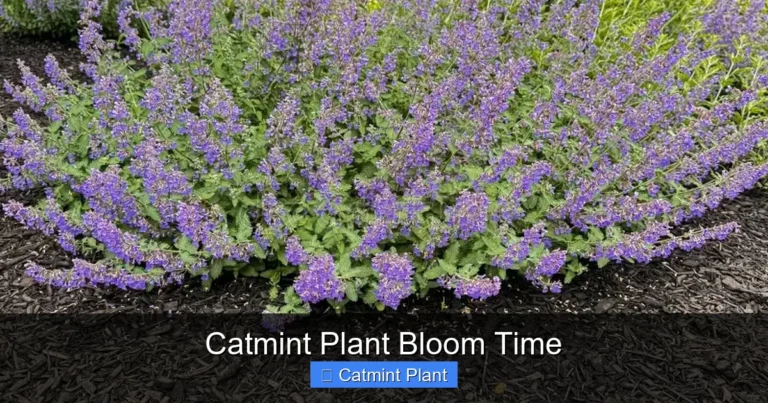
When you compare catmint vs catnip plant you notice catmint forms a neat mound. Its leaves are gray‑green and slightly fuzzy. The stems are square like other mints. Flowers appear in spikes of lavender blue.
When you compare catmint vs catnip plant you find catmint reaches about two feet tall. It spreads slowly by clumping. It does not invade nearby beds. This habit makes it a good border plant.
Common Varieties
When you compare catmint vs catnip plant you discover several popular cultivars. ‘Walker’s Low’ is a compact form with deep blue flowers. ‘Six Hills Giant’ grows taller and blooms longer. ‘Blue Wonder’ offers a bright hue and strong fragrance.
When you compare catmint vs catnip plant you can choose a variety that fits your space. Dwarf types suit containers. Tall types work well in mixed borders. All varieties share the same easy care.
What Is Catnip
Origin and History
When you compare catmint vs catnip plant you learn catnip originates from Europe and parts of Asia. It naturalized quickly in North America. Early colonists used it for medicinal teas. Cats have been attracted to it for generations.

Visual guide about Catmint Vs Catnip Plant
Image source: bhg.com
When you compare catmint vs catnip plant you see catnip was once called “catmint” in old herbals. The name confusion persists today. Herbalists valued it for digestive aid. Modern gardeners grow it mainly for cats.
Appearance and Growth Habit
When you compare catmint vs catnip plant you notice catnip has heart‑shaped leaves with a soft texture. Stems are square and slightly hairy. Flowers are white with pale purple spots. The plant can reach three feet tall.
When you compare catmint vs catnip plant you find catnip spreads by underground runners. It can become weedy if not contained. Regular trimming keeps it in bounds. A raised bed or pot works well.
Common Varieties
When you compare catmint vs catnip plant you see few named cultivars. ‘Citrus’ offers a lemon scent. ‘Greek’ has a stronger aroma. Most gardeners grow the wild type. Seed packets often label it simply as catnip.
When you compare catmint vs catnip plant you can select a variety for scent preference. Citrus types add a fresh note to the garden. Greek types may attract more cats. All share similar growth habits.
Chemical Differences
Nepetalactone Content
When you compare catmint vs catnip plant the key compound is nepetalactone. Catnip contains high levels of this oil. Catmint has only trace amounts. This difference drives the cat response.
When you compare catmint vs catnip plant you learn nepetalactone binds to cat olfactory receptors. The strong dose in catnip causes rolling, purring, and play. The low dose in catmint yields mild curiosity.
Other Essential Oils
When you compare catmint vs catnip plant both plants produce other volatile oils. Catmint releases citronellol and geraniol. These give a citrus‑like fragrance. Catnip releases thymol and carvacrol. These add a herbal, slightly medicinal note.
When you compare catmint vs catnip plant the oil profile affects human use. Catmint oil is used in perfumes and insect repellents. Catnip oil is studied for mosquito control. Both have antimicrobial properties.
Effect on Cats
When you compare catmint vs catnip plant most cats react strongly to catnip. About 70 percent show the classic response. The reaction lasts ten to fifteen minutes. Afterwards cats become temporarily immune.
When you compare catmint vs catnip plant only a small fraction of cats respond to catmint. The response is gentle sniffing or light rubbing. It does not cause the intense euphoria. Catmint can be a safe alternative for sensitive cats.
Growing Conditions
Sunlight Needs
When you compare catmint vs catnip plant both prefer full sun. Catmint tolerates light shade better. Six hours of direct light gives best bloom. Catnip may become leggy in low light.
When you compare catmint vs catnip plant a sunny spot encourages strong essential oil production. More sun means stronger scent. This benefits both pollinators and cats. Choose the brightest bed you have.
Soil and Water
When you compare catmint vs catnip plant well‑drained soil is essential. Sandy loam works best. Both dislike wet feet. Water deeply but infrequently. Allow the top inch to dry between watering.
When you compare catmint vs catnip plant adding compost at planting improves vigor. Mulch helps retain moisture and suppress weeds. Avoid heavy clay unless amended. Good drainage prevents root rot.
Hardiness Zones
When you compare catmint vs catnip plant catmint survives down to zone 3. Catnip is hardy to zone 4. In colder zones catmint returns reliably each spring. Catnip may die back in harsh winters.
When you compare catmint vs catnip plant gardeners in zone 5 and warmer can grow both as perennials. In zone 3 treat catnip as an annual. Mulching the crown helps catnip survive marginal winters.
Uses in Garden and Home
Ornamental Value
When you compare catmint vs catnip plant catmint shines as an ornamental. Its long bloom season adds color from early summer to frost. The lavender spikes attract bees and butterflies. It works well in cottage gardens.
When you compare catmint vs catnip plant catnip is less showy. Its white flowers are modest. It can look untidy if not trimmed. Use catnip in a dedicated cat corner rather than a front border.
Herbal Tea and Remedies
When you compare catmint vs catnip plant catmint leaves make a soothing tea. The flavor is minty with a hint of citrus. It can calm nerves and aid digestion. Harvest leaves before flowering for best taste.
When you compare catmint vs catnip plant catnip tea is also used traditionally. It may relieve mild insomnia and stomach upset. The flavor is stronger and more pungent. Use sparingly and avoid during pregnancy.
Cat Enrichment
When you compare catmint vs catnip plant catnip is the classic cat toy filler. Dried leaves can be stuffed into mice or sprinkled on scratching posts. Fresh leaves give a more potent hit. Rotate toys to keep interest high.
When you compare catmint vs catnip plant catmint can be offered as a gentle alternative. Some cats enjoy rubbing on the plant. It provides enrichment without overstimulation. Plant a patch near a window for indoor cats.
Choosing the Right Plant for You
For Cat Owners
When you compare catmint vs catnip plant decide what kind of cat response you want. If you love the wild play session, choose catnip. If you prefer a calm sniff, choose catmint. Both are safe and non‑toxic.
When you compare catmint vs catnip plant consider planting both in separate areas. This gives your cat options. Observe which plant your cat visits more. Adjust garden layout accordingly.
For Garden Design
When you compare catmint vs catnip plant catmint fits formal borders and pollinator gardens. Its tidy habit and long bloom add structure. Catnip suits informal herb patches or wild corners. Its sprawling nature fills gaps quickly.
When you compare catmint vs catnip plant mix catmint with roses or salvia for color contrast. Pair catnip with mint or lemon balm for a fragrant herb bed. Plan spacing to avoid crowding.
For Low Maintenance
When you compare catmint vs catnip plant catmint wins on low care. It needs little pruning, resists pests, and returns each year. Catnip requires regular cutting to stop spread. It may need division every few years.
When you compare catmint vs catnip plant choose catmint if you want a set‑and‑forget perennial. Choose catnip if you enjoy active herb gardening. Both reward you with scent and wildlife visits.
When you compare catmint vs catnip plant the final choice depends on your goals. Catmint offers beauty, long bloom, and easy care. Catnip delivers intense cat fun and herbal tradition. Plant one or both to enjoy the best of each world.
When you compare catmint vs catnip plant remember to provide good sun, well‑drained soil, and occasional water. Your cats and pollinators will thank you. Happy gardening.
Frequently Asked Questions
Is catmint safe for cats to eat?
Yes, catmint is non‑toxic and safe for cats. It may cause mild interest but not the strong euphoria of catnip.
Can I grow catnip indoors?
Catnip can grow indoors in a sunny window with well‑drained soil. Provide at least six hours of light daily.
How often should I water catmint?
Water catmint deeply once the top inch of soil feels dry. Avoid keeping the soil constantly wet.
Will catmint attract bees and butterflies?
Yes, catmint’s lavender flowers are a favorite nectar source for bees, butterflies, and other pollinators.
Can I use catnip as a mosquito repellent?
Catnip oil contains compounds that repel mosquitoes. Crushed fresh leaves can be rubbed on skin for short‑term protection.
Do both plants need fertilizer?
Both catmint and catnip thrive with minimal fertilizer. A light application of compost in spring is sufficient.