Catmint Plant Benefits
Catmint plant benefits include calming tea, natural insect repellent, and bright flowers that attract pollinators. This hardy perennial grows well in full sun and needs little water once established. It is a great choice for beginner gardeners and herbal enthusiasts alike.
Catmint is a friendly herb that grows in many gardens. It has soft gray leaves and small purple flowers. People love it for its smell and its many uses.
The catmint plant benefits are easy to see. You can make a calm tea from the leaves. The scent keeps bugs away from your patio. The flowers bring bees and butterflies.
This guide will show you how to grow catmint, how to harvest it, and how to enjoy its many gifts. You will learn simple steps that work for beginners and experts alike.
Key Takeaways
- Calming tea: Catmint makes a soothing tea that helps reduce stress.
- Insect repellent: The scent drives away mosquitoes and other pests.
- Pollinator magnet: Bees and butterflies love the lavender blooms.
- Low maintenance: It thrives in poor soil and needs little water.
- Drought tolerant: Once established it survives dry spells.
- Versatile uses: Leaves can flavor dishes, make sachets, or create crafts.
Quick Answers to Common Questions
What are the main catmint plant benefits?
The main catmint plant benefits include calming tea, natural insect repellent, and attraction of pollinators.
How do I make catmint tea?
Steep a handful of fresh catmint leaves in hot water for five minutes then strain and enjoy.
Can catmint grow in shade?
Catmint prefers full sun but tolerates light shade with reduced flowering.
When should I prune catmint?
Prune after the first bloom in midsummer and cut back to the ground in late winter.
Is catmint safe for pets?
Catmint is non‑toxic to cats and dogs, though cats may become playful around it.
📑 Table of Contents
What Is Catmint?
Botanical Background
Catmint belongs to the mint family and its scientific name is Nepeta. The catmint plant benefits start with its aromatic oils that give a sweet minty scent. The plant grows as a low mound that spreads gently over time.
The catmint plant benefits also show in its hardiness. It survives cold winters and hot summers with little care. Gardeners in many zones can plant it once and watch it return each year.
Common Varieties
There are several popular types such as Nepeta faassenii and Nepeta racemosa. Each variety offers slightly different flower colors and growth habits. The catmint plant benefits remain similar across types.
Choosing a variety depends on your space and color preference. Compact forms fit small beds while taller types suit borders. All share the same easy care and strong scent.
Top Catmint Plant Benefits for Health
Calming Tea
One of the top catmint plant benefits is a gentle tea that eases tension. Steep a handful of fresh leaves in hot water for five minutes. The drink has a mild mint flavor and helps you relax before bed.
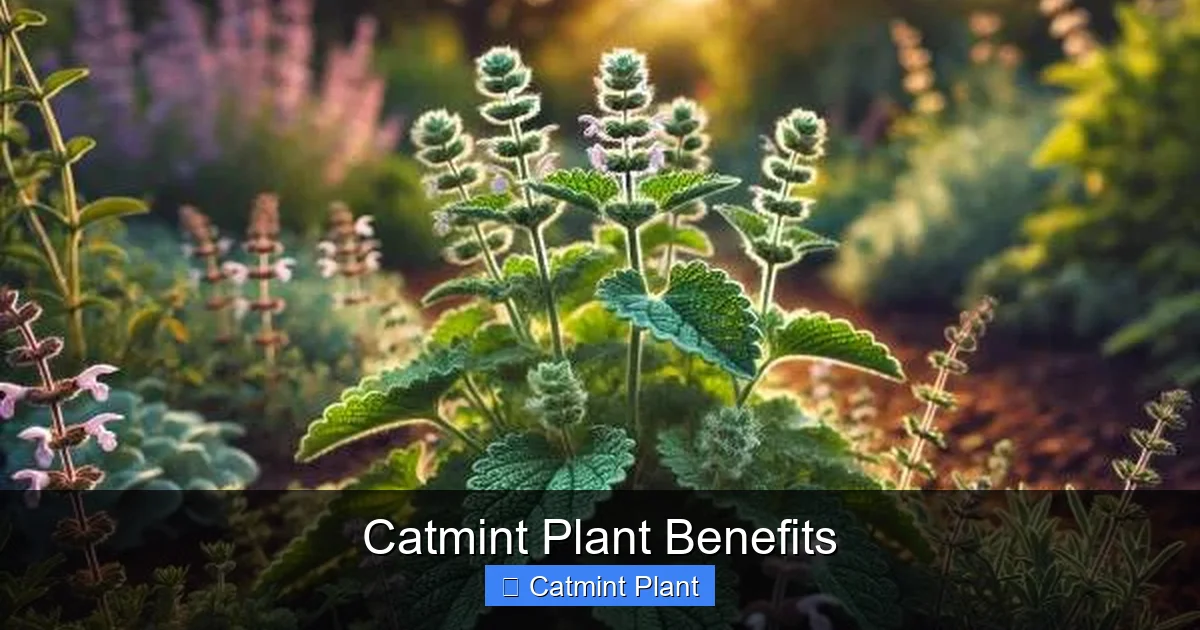
Visual guide about Catmint Plant Benefits
Image source: vitalibrary.com
The catmint plant benefits also include mild digestive aid. A warm cup after meals can settle an upset stomach. Many people prefer it over stronger herbal teas.
Stress Relief and Sleep
The catmint plant benefits extend to stress relief and better sleep. The aroma contains compounds that calm the nervous system. Inhaling the scent or sipping the tea can lower anxiety levels.
Placing a small sachet of dried leaves under your pillow is another way to use the catmint plant benefits for restful nights. The fragrance is subtle and not overpowering.
Antioxidant Properties
Research shows the catmint plant benefits include antioxidants that protect cells. These compounds help fight free radicals in the body. Regular consumption of the tea may support overall wellness.
While not a cure, adding catmint to a balanced diet can contribute to the catmint plant benefits of a healthy lifestyle. Always consult a health professional for medical advice.
Catmint Plant Benefits in the Garden
Natural Pest Control
The catmint plant benefits shine as a natural pest deterrent. The strong scent repels mosquitoes, aphids, and cabbage moths. Planting it near vegetables reduces the need for chemical sprays.
Gardeners often border tomato and pepper beds with catmint. The catmint plant benefits create a protective barrier that keeps harmful insects away.
Pollinator Attraction
Bees, butterflies, and hummingbirds love the tubular flowers. The catmint plant benefits include a steady source of nectar from early summer to fall. This supports local pollinator populations.
Planting catmint in clusters increases the catmint plant benefits for wildlife. A patch of blooms becomes a busy hub of activity on sunny days.
Soil Improvement
The catmint plant benefits also help soil health. Its deep roots break up compacted earth and add organic matter as leaves fall. Over time the ground becomes looser and richer.
Using catmint as a ground cover reduces erosion on slopes. The catmint plant benefits of soil stabilization are valuable in rainy climates.
How to Grow Catmint Successfully
Choosing the Right Spot
Catmint loves full sun but tolerates light shade. The catmint plant benefits are greatest when the plant receives at least six hours of direct light. Well drained soil prevents root rot.
If your soil is heavy clay, amend it with sand or compost. The catmint plant benefits improve with good drainage and air flow around the stems.
Planting Steps
Start with a small nursery plant or sow seeds indoors six weeks before the last frost. The catmint plant benefits appear quickly once the roots establish. Space plants twelve to eighteen inches apart.
Water gently after planting and keep the soil moist until new growth shows. The catmint plant benefits include rapid establishment in warm weather.
Watering and Feeding
Once established catmint needs little water. The catmint plant benefits include drought tolerance after the first season. Water deeply only during prolonged dry spells.
Fertilize once in early spring with a balanced organic feed. Too much nitrogen reduces the catmint plant benefits of strong scent and flower production.
Pruning and Maintenance
Trim back spent flower spikes to encourage a second bloom. The catmint plant benefits of continuous color last into autumn. Cut the plant to the ground in late winter for fresh growth.
Divide clumps every three years to maintain vigor. The catmint plant benefits stay strong with regular division and replanting.
Harvesting and Using Catmint
When to Harvest
Harvest leaves just before flowers open for the highest oil content. The catmint plant benefits are most potent at this stage. Snip stems in the morning after dew dries.
You can also cut whole stems for drying. The catmint plant benefits preserve well when hung upside down in a dark airy space.
Drying and Storing
Dry leaves in small bundles for one to two weeks. The catmint plant benefits remain in the crisp leaves. Store in airtight jars away from light and heat.
Label jars with the harvest date. The catmint plant benefits stay fresh for up to a year when stored properly.
Culinary and Craft Ideas
Add fresh leaves to salads, soups, or herbal butter for a minty twist. The catmint plant benefits enhance flavor without overwhelming other ingredients.
Make sachets, potpourri, or cat toys from dried leaves. The catmint plant benefits delight both people and feline friends.
Common Problems and Solutions
Pests and Diseases
Catmint is rarely troubled but can attract spider mites in hot dry weather. The catmint plant benefits of strong scent usually keep them away. Spray with water or neem oil if needed.
Fungal leaf spots may appear in overly wet conditions. The catmint plant benefits improve with good air flow and proper spacing.
Leggy Growth
If stems become long and floppy, the plant may need more sun. The catmint plant benefits return with a move to a brighter spot. Prune back hard in early spring to reshape.
Regular pinching of tips encourages bushier growth. The catmint plant benefits of dense foliage support more flowers.
Winter Care
In cold zones mulch the base with straw after the ground freezes. The catmint plant benefits protect the crown from extreme temperatures. Remove mulch in early spring.
Container plants can be moved to a sheltered porch. The catmint plant benefits survive winter with minimal effort.
Enjoy the many catmint plant benefits in your garden, kitchen, and wellness routine. With simple care this herb rewards you year after year.
Frequently Asked Questions
What are the catmint plant benefits for health?
The catmint plant benefits for health include a calming tea that eases stress, mild digestive support, and antioxidant compounds that protect cells.
How does catmint repel insects?
The strong aromatic oils in catmint create a scent that mosquitoes, aphids, and other pests avoid, providing natural pest control.
Can I grow catmint in a container?
Yes, catmint thrives in pots with well‑drained soil and at least six hours of sun, making it perfect for patios.
How often should I water catmint?
Water newly planted catmint regularly until established, then only during long dry periods as it is drought tolerant.
When is the best time to harvest catmint leaves?
Harvest just before the flowers open in the morning for the highest essential oil content and strongest catmint plant benefits.
Does catmint come back every year?
Catmint is a hardy perennial that returns each spring in most climates, delivering catmint plant benefits season after season.