Catmint Plant and Flower
Catmint plant and flower is a hardy, drought-tolerant perennial that blooms from spring to fall with lavender-blue flowers. It attracts bees and butterflies while resisting deer and rabbits. This low-maintenance herb thrives in full sun and poor soil, making it perfect for beginner gardeners.
If you want a garden that practically takes care of itself while looking gorgeous for months, let me introduce you to the catmint plant and flower. This perennial has been a staple in my garden for years, and I cannot imagine my beds without it. You get months of color, happy pollinators, and a plant that laughs in the face of drought and deer. What more could you ask for?
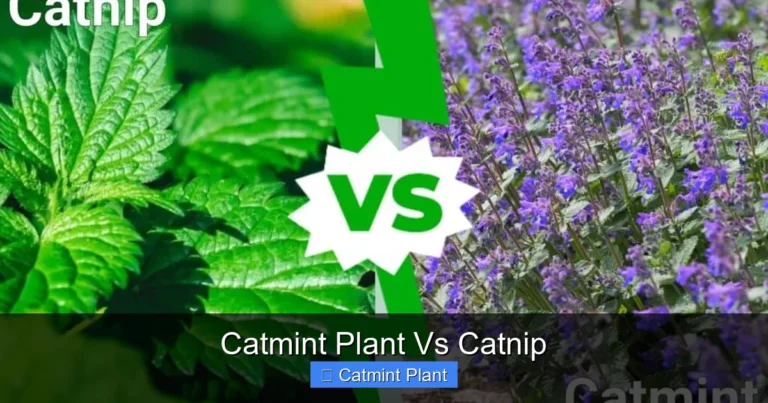
Many gardeners confuse catmint with catnip, but they are different plants with different personalities. Catnip drives cats wild. Catmint? Cats might roll in it, but they do not go crazy for it. Instead, you get a tidy mound of gray-green foliage topped with clouds of tiny flowers. It fits into almost any garden style, from cottage gardens to modern xeriscapes. Let me walk you through everything you need to know to grow this superstar successfully.
Key Takeaways
- Easy to grow: Catmint plant and flower thrives in full sun and well-drained soil with minimal care once established.
- Long bloom season: Enjoy lavender-blue flowers from late spring through early fall with proper deadheading.
- Pollinator magnet: Bees, butterflies, and hummingbirds flock to the nectar-rich blooms all season long.
- Deer and rabbit resistant: The aromatic foliage naturally repels common garden pests without chemicals.
- Drought tolerant: Once established, catmint plant and flower survives dry spells with little supplemental water.
- Versatile landscape uses: Works well in borders, rock gardens, containers, and as a ground cover or edging plant.
- Medicinal and culinary uses: Leaves make a calming tea and can flavor dishes, though less potent than true catnip.
Quick Answers to Common Questions
Does catmint plant and flower spread aggressively?
No, catmint plant and flower forms tidy clumps and does not run like true mint. Sterile hybrids do not reseed.
When should I cut back catmint plant and flower?
Shear back by half after the first bloom flush in early summer. Cut to the ground in late fall or early spring.
Is catmint plant and flower safe for cats?
Yes, it is non-toxic. Cats may sniff or nap on it but do not react as intensely as they do to catnip.
Can catmint plant and flower grow in pots?
Yes, compact varieties like Cat’s Pajamas thrive in containers with gritty, well-drained potting mix and full sun.
Why is my catmint flopping open in the middle?
This happens from age, rich soil, too much shade, or lack of shearing. Divide old plants and shear after first bloom.
📑 Table of Contents
- What Is Catmint Plant and Flower
- Popular Varieties of Catmint Plant and Flower
- How to Plant Catmint Plant and Flower
- Caring for Catmint Plant and Flower
- Designing With Catmint Plant and Flower
- Common Problems and Solutions
- Harvesting and Using Catmint
- Propagation Methods
- Catmint Plant and Flower Through the Seasons
- Frequently Asked Questions About Catmint Plant and Flower
What Is Catmint Plant and Flower
Botanical Background
Catmint plant and flower belongs to the genus Nepeta, part of the mint family Lamiaceae. The name comes from Nepete, an ancient Etruscan city. There are roughly 250 species, but only a handful are common in gardens. Most garden varieties are hybrids or selections of Nepeta faassenii, Nepeta racemosa, or Nepeta x faassenii. These are sterile hybrids, meaning they will not reseed aggressively like some mint relatives.
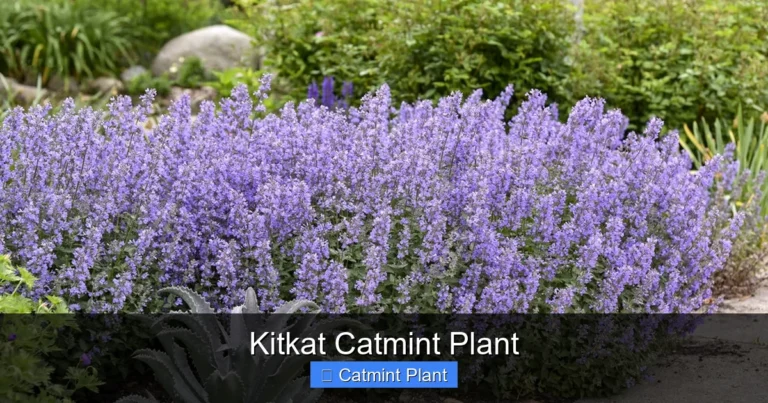
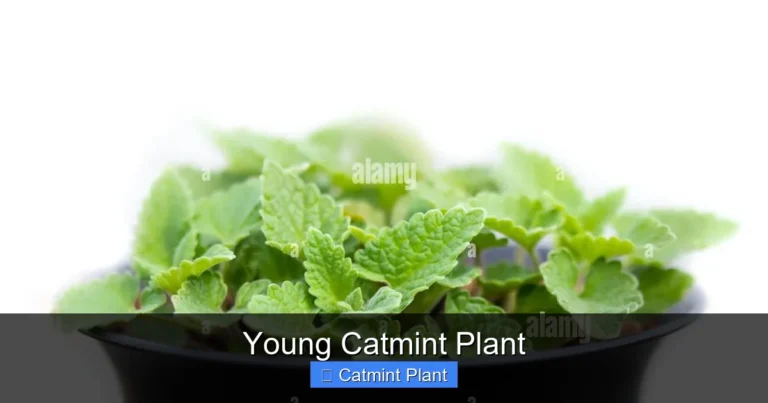
The plant forms a low, spreading mound of aromatic, gray-green leaves. The leaves have a soft, slightly fuzzy texture. When crushed, they release a pleasant, minty scent with hints of citrus. From late spring to fall, spikes of small, tubular flowers rise above the foliage. Colors range from pale lavender to deep violet-blue. Some newer cultivars offer pink or white blooms.
Catmint vs Catnip
People often ask about the difference. Catnip (Nepeta cataria) is the one that sends cats into a frenzy. It contains high levels of nepetalactone, the compound that triggers the euphoric response. Catmint plant and flower contains much less of this compound. Your cat might sniff it or nap on it, but you will not see the wild rolling and drooling.
Catnip also looks different. It grows taller, up to three feet, with a more open, weedy habit. The leaves are greener and less fuzzy. The flowers are white with purple spots. Catnip reseeds aggressively and can become a nuisance. Catmint plant and flower stays tidy, does not spread by seed, and looks good all season. If you have cats and want to avoid the chaos, catmint is the better choice.
Popular Varieties of Catmint Plant and Flower
Walker’s Low
This is the classic variety that put catmint on the map. It won the Perennial Plant of the Year award in 2007. Despite the name, it is not low growing. It reaches 24 to 30 inches tall and wide. The flowers are a deep lavender-blue. It blooms heavily in late spring, then again in summer if you shear it back. The habit is relaxed and billowy, perfect for spilling over walls or softening path edges.
Cat’s Meow
A newer introduction with a tighter, more upright habit. It grows 18 to 20 inches tall and 24 to 30 inches wide. The flower color is a vibrant sky blue. It does not flop open in the center like older varieties. This makes it great for smaller spaces or the front of the border. It also reblooms reliably without shearing.
Cat’s Pajamas
This one is a compact powerhouse. It forms a dense mound just 12 to 14 inches tall and 18 to 20 inches wide. The flowers are a rich indigo blue. Because it stays so neat, it works beautifully in containers or as an edging plant. It starts blooming earlier than most varieties, often in late May.
Junior Walker
Think of this as Walker’s Low’s little sibling. It tops out at 15 to 18 inches tall and 24 to 30 inches wide. The flower color matches Walker’s Low perfectly. It keeps a tidy habit without the center opening up. Great for the front of the border or mass planting.
Blue Wonder
An older variety of Nepeta racemosa. It grows 12 to 15 inches tall and spreads 18 to 24 inches. The flowers are a true, clear blue. It blooms earlier than the faassenii types, often starting in May. The foliage is a bit greener and less fuzzy. It makes a lovely ground cover when planted in drifts.
Pink Cat and White Varieties
If blue is not your thing, look for ‘Pink Cat’ with soft pink flowers or ‘Snowflake’ and ‘Alba’ with white blooms. These have the same tough constitution and long bloom time. They add nice variety when mixed with the blue types. The pink varieties tend to be a bit shorter, around 12 to 18 inches.
How to Plant Catmint Plant and Flower
When to Plant
Spring is the ideal time to plant catmint plant and flower. The soil has warmed, but the heat of summer has not arrived. This gives roots time to establish before stress hits. In zones 5 and warmer, you can also plant in early fall, at least six weeks before the ground freezes. Fall planting works well because the plant focuses energy on roots rather than top growth.
Avoid planting in the heat of July or August unless you can water diligently. Also avoid late fall in cold climates. The plant needs time to anchor before frost heave pushes it out of the ground. If you buy plants in summer, keep them in a shaded spot and water daily until cooler weather arrives.
Choosing the Right Location
Full sun is non-negotiable for the best catmint plant and flower performance. You need at least six hours of direct sun. Eight is even better. In hot southern climates, a touch of afternoon shade helps prevent scorching, but too much shade makes the plant floppy and reduces flowering.
Drainage is the other critical factor. Catmint plant and flower hates wet feet. Heavy clay soil that stays soggy will rot the roots. If your soil is clay, amend it generously with compost, coarse sand, or fine gravel. Raised beds work beautifully. Slopes are ideal. The plant actually prefers lean, gritty soil over rich, moist loam. Too much fertility makes weak, floppy growth.
Spacing Guidelines
Space plants according to their mature width. For Walker’s Low and Cat’s Meow, allow 24 to 30 inches between centers. For compact types like Cat’s Pajamas and Junior Walker, 18 to 24 inches works. Blue Wonder can go 18 inches apart for a ground cover effect. Proper spacing ensures good air circulation, which prevents fungal issues.
If you want a solid mass quickly, plant a bit closer. Just know you may need to divide sooner. For containers, choose a pot at least 12 inches wide for compact varieties, 16 inches for larger ones. Make sure the pot has drainage holes. Use a gritty potting mix designed for succulents or Mediterranean herbs.
Planting Steps
Dig a hole twice as wide as the root ball and just as deep. Loosen the soil at the bottom. If your soil is poor, mix in a handful of compost. Do not add fertilizer. Catmint plant and flower does not need it and too much nitrogen causes floppy stems.
Remove the plant from its pot. Gently tease out circling roots. Place the plant in the hole so the crown sits at soil level. Backfill with native soil, firming gently. Water thoroughly to settle the soil. Apply a thin layer of gravel mulch or shredded bark, keeping it away from the crown. Water every few days for the first month unless rain does the job.
Caring for Catmint Plant and Flower
Watering Needs
New plants need regular water to establish. Water deeply two to three times a week for the first month. After that, cut back to once a week. Once established, usually by the end of the first season, catmint plant and flower is remarkably drought tolerant. I water mine only during extended dry spells of three weeks or more.
The key is deep, infrequent watering. This encourages roots to chase moisture down into the soil. Frequent shallow watering keeps roots near the surface, making the plant dependent on you. In containers, you will water more often. Check the top inch of soil. When dry, water until it runs out the bottom.
Fertilizing – Less Is More
Here is a secret: catmint plant and flower performs best with neglect. Rich soil and fertilizer produce lush, weak growth that flops open. It also reduces essential oil concentration, meaning less fragrance and less pest resistance. If your soil is decent, skip fertilizer entirely.
If you must feed, use a light hand. A single application of slow-release organic fertilizer in early spring is plenty. Or top-dress with a half-inch of compost. Avoid high-nitrogen fertilizers. They push leaf growth at the expense of flowers. Remember, this plant evolved in poor, rocky soils. It thrives on tough love.
Deadheading and Shearing
This is the main maintenance task, and it is easy. After the first heavy flush fades in early summer, shear the whole plant back by half. Use hedge shears or large scissors. Cut right below the spent flower spikes. This looks brutal, but within two weeks you will see fresh growth and new buds forming.
The second bloom is often heavier than the first. You can deadhead individual spent spikes during this period if you want a tidier look. In late fall or early spring, cut the whole plant back to a few inches above ground. This removes old woody stems and makes way for fresh growth. Do not cut into the woody base. Leave some green buds.
Dividing Every Few Years
After three to four years, the center of the clump may die out, leaving a donut shape. This is your cue to divide. Early spring is best, just as new growth emerges. Dig up the whole clump. Use a sharp spade or knife to cut it into sections, each with roots and shoots. Discard the woody center. Replant the vigorous outer pieces.
Division rejuvenates the plant and gives you free plants to share or expand your garden. Water divisions well for the first month. They may look sad for a week but bounce back quickly. Fall division works in mild climates, but spring is safer everywhere.
Winter Care
Catmint plant and flower is hardy in USDA zones 3 to 8, some varieties to zone 9. In cold zones, the top growth dies back. Leave the dead stems in place over winter. They catch snow, which insulates the crown. They also provide shelter for beneficial insects. Cut back in early spring before new growth starts.
In wet winter climates, ensure excellent drainage. Crown rot is the main winter killer. A gravel mulch helps shed water away from the crown. Avoid heavy organic mulches that hold moisture. In containers, move pots to a protected spot or bury them in the ground for winter. The roots are more exposed in pots.
Designing With Catmint Plant and Flower
Companion Plants
Catmint plant and flower plays well with others. Its soft blue flowers and gray foliage bridge warm and cool colors. Pair it with roses for a classic combination. The catmint hides the bare knees of rose bushes and blooms at the same time. The blue contrasts beautifully with pink, red, yellow, or white roses.
Other sun-loving perennials make great partners. Try it with salvia, coneflower, black-eyed Susan, yarrow, or ornamental grasses. The fine texture of catmint contrasts with bold leaves like hosta or bergenia in part shade edges. Lavender, Russian sage, and artemisia share its love of lean soil and create a Mediterranean vignette.
For a pollinator paradise, mix catmint plant and flower with bee balm, agastache, penstemon, and butterfly weed. You will have buzzing life from spring to frost. The gray foliage also sets off dark-leaved plants like ‘Palace Purple’ heuchera or ‘Black Lace’ elderberry.
Garden Styles
In a cottage garden, let catmint plant and flower spill informally over paths and between roses. Its billowy habit fits the romantic, abundant aesthetic. In a modern or minimalist garden, plant it in geometric blocks or rows. The uniform mounds of Cat’s Pajamas or Cat’s Meow create clean lines.
Rock gardens and gravel gardens are a natural home. The plant’s preference for lean, sharp drainage matches these conditions perfectly. Tuck it between stones or let it cascade over a dry stone wall. In a xeriscape, it provides long-season color with minimal water once established.
Container gardens benefit from catmint’s long bloom and tidy habit. Use compact varieties in pots on a sunny patio. Combine with trailing calibrachoa or verbena and a thriller like purple fountain grass. The catmint fills the middle layer beautifully.
Edging and Borders
Catmint plant and flower makes a fantastic edging plant along paths or driveways. The foliage stays low and neat, especially the compact varieties. It softens hard edges and releases fragrance when brushed. Plant it 12 to 18 inches from the pavement edge so it can spill slightly without being damaged.
In mixed borders, use it in the middle layer. Taller plants like delphinium or hollyhock go behind. Shorter plants like dianthus or sedum go in front. The long bloom season means it carries the border through the gaps between other perennials’ peak times.
Common Problems and Solutions
Flopping Open Centers
This is the number one complaint. The plant blooms heavily, then the weight of the flower spikes pushes the stems outward. The center becomes bare and woody. The fix is simple: shear it back hard after the first bloom. Do not be timid. Cut to 6 to 8 inches. It looks drastic but forces fresh, compact growth from the base.
Prevention helps too. Choose newer varieties bred for upright habits like Cat’s Meow or Cat’s Pajamas. Avoid over-fertilizing. Rich soil makes weak stems. Plant in full sun. Shade makes stems stretch and weaken. If a mature plant flops badly in spring, divide it. The woody center will not recover.
Powdery Mildew
In humid climates or crowded plantings, you may see a white powdery coating on leaves. This fungal disease thrives in still, damp air. It rarely kills the plant but looks unsightly. Improve air circulation by spacing properly and dividing crowded clumps. Water at the base, not overhead. Morning sun helps dry foliage quickly.
If mildew appears, remove affected leaves. A spray of neem oil or potassium bicarbonate can help. But honestly, shearing the plant back hard often solves it. The new growth emerges clean. Resistant varieties like Cat’s Meow show much less susceptibility.
Root Rot
This is the killer. Catmint plant and flower cannot tolerate soggy soil. Symptoms include yellowing leaves, wilting despite moist soil, and a foul smell at the base. The roots turn brown and mushy. Prevention is everything. Plant in well-drained soil. Amend clay. Use raised beds. Do not overwater.
If you catch it early, you might save the plant by digging it up, cutting away rotted roots, and replanting in a better spot. But usually, by the time you notice, it is too late. Replace with a new plant in a better location. Containers must have drainage holes and gritty mix.
Pests – Rarely a Problem
The aromatic oils that make catmint plant and flower smell good also repel most insects. Deer and rabbits avoid it. Aphids sometimes cluster on new growth in spring. A strong blast of water knocks them off. Spider mites can appear in hot, dry weather. Again, water spray helps. Insecticidal soap works for persistent infestations.
Cats may flatten young plants by napping on them. If this is an issue, place a few sticks or a small wire cage over new plants until they toughen up. Once established, the plant recovers quickly from a cat nap. The essential oil content is low enough that most cats lose interest after a sniff.
Harvesting and Using Catmint
Culinary Uses
While not as intensely flavored as culinary mint, catmint plant and flower leaves are edible. They have a mild, minty flavor with citrus notes. Use young, tender leaves in salads, fruit salads, or as a garnish. Add them to iced tea or lemonade for a refreshing twist. They pair well with peas, lamb, and yogurt sauces.
Do not cook the leaves long. Heat destroys the delicate flavor. Add them at the very end of cooking or use raw. The flowers are also edible and make a pretty garnish for desserts or drinks. They have a sweet, nectar-like taste. Harvest in the morning after dew dries for the best flavor.
Herbal Tea
Catmint tea is a traditional remedy for relaxation and digestion. It is gentle enough for children and the elderly. Steep one tablespoon of fresh leaves (or one teaspoon dried) in a cup of boiling water for five to ten minutes. Strain and sweeten with honey if desired. Drink before bed for calm sleep or after meals for digestion.
The tea has a pleasant, slightly sweet mint flavor without the intensity of peppermint. It blends well with chamomile, lemon balm, or lavender. Harvest stems just before flowering for the highest essential oil content. Dry upside down in small bundles in a dark, airy place. Store dried leaves in a glass jar away from light.
Other Traditional Uses
Historically, catmint plant and flower was used for colds, fevers, and nervous conditions. A poultice of crushed leaves was applied to bruises and insect bites. The essential oil has shown antimicrobial and antioxidant properties in studies. However, always consult a healthcare provider before using any herb medicinally, especially if pregnant, nursing, or on medications.
In the garden, the plant itself is the best medicine. Its presence supports pollinators, repels pests, and brings beauty with little input. That is the real harvest. A garden full of catmint plant and flower is a garden that works with nature, not against it.
Propagation Methods
Division
We covered division in the care section, but it is worth repeating as the easiest propagation method. Do it in early spring. Dig the clump. Cut into pieces with a sharp knife or spade. Each piece needs roots and green shoots. Replant immediately. Water well. You get instant, mature plants that bloom the same year.
Stem Cuttings
Take cuttings in late spring or early summer from non-flowering stems. Cut 4 to 6 inch pieces just below a leaf node. Strip the lower leaves. Dip the cut end in rooting hormone (optional but helpful). Stick in a pot of moist perlite or sand-peat mix. Cover with a plastic bag to maintain humidity. Place in bright, indirect light.
Roots form in two to three weeks. Tug gently to check resistance. Once rooted, pot up into individual containers. Grow on for a month before planting out. This method lets you multiply a favorite variety quickly. It also works for varieties that do not come true from seed.
Seed
Most garden catmint plant and flower varieties are sterile hybrids. They either do not set seed or the seed does not come true. If you want to grow from seed, look for species types like Nepeta racemosa or Nepeta mussinii. Sow indoors 6 to 8 weeks before last frost. Barely cover seed. Keep moist at 65 to 70 degrees F. Germination takes 10 to 20 days.
Transplant seedlings after frost. They may not bloom until the second year. Seed-grown plants vary in height, flower color, and habit. This can be fun if you like surprises. But for a specific look, buy named varieties as plants.
Catmint Plant and Flower Through the Seasons
Spring Awakening
In early spring, you see a low mound of fuzzy, gray-green leaves pushing up. This is the time to cut back last year’s dead stems. Cut to about 3 inches. Apply a thin layer of compost if desired. Watch for the first flower buds forming at stem tips. In warm zones, blooms may start in April. In cooler areas, late May is typical.
Summer Glory
Late spring to early summer brings the first big flush. The plant becomes a cloud of blue. Bees work the flowers from dawn to dusk. This show lasts three to four weeks. Then the flowers fade. This is your cue to shear. Cut back by half. Water well. In two weeks, fresh growth and new buds appear.
The second bloom often lasts longer than the first, carrying into early fall. During hot spells, the plant may slow down. That is normal. It perks up when temperatures moderate. Keep deadheading if you want a tidy look, or let it go for a more natural effect.
Fall Transition
As days shorten, flowering tapers off. The foliage takes on a warmer, grayer tone. In some years, a light flush of flowers appears in October. Stop deadheading. Let the plant prepare for winter. The spent flower heads catch frost beautifully. Leave the stems standing. They protect the crown and feed birds.
Winter Rest
The plant goes dormant. In mild climates, some basal foliage may persist. In cold zones, it disappears underground. This is the season of patience. Do not water. Do not fertilize. Do not worry. The roots are alive, gathering strength for next year’s show. Mark the spot so you do not accidentally dig it up during spring planting frenzy.
Frequently Asked Questions About Catmint Plant and Flower
Is catmint plant and flower invasive?
No. Unlike true mints, catmint plant and flower does not run by underground rhizomes. It forms a clump that slowly expands. The sterile hybrids do not reseed. You may get occasional seedlings from species types, but they are easy to pull. It stays where you put it.
Why is my catmint not blooming?
Usually, it is not enough sun. Catmint plant and flower needs at least six hours of direct sun to bloom well. Too much fertilizer, especially nitrogen, pushes leaves at the expense of flowers. Overcrowding reduces air circulation and light penetration. An old, woody plant that needs dividing may also bloom poorly.
Can I grow catmint plant and flower in shade?
It will survive in part shade (4 to 6 hours sun), but it will be leggy, floppy, and flower sparsely. The foliage loses its compact, fuzzy quality. Powdery mildew risk increases. For the best show, give it full sun. If you only have shade, try Japanese forest grass or hosta instead.
How long does catmint plant and flower live?
Individual plants live 5 to 10 years with division every 3 to 4 years. Without division, the center dies out after 3 to 5 years, shortening the effective lifespan. Divided pieces are essentially new plants that continue the lineage indefinitely. Some clumps in my garden are descendants of plants I put in 15 years ago.
Does catmint plant and flower attract bees?
Absolutely. It is one of the best plants for bees, especially bumblebees and honeybees. The long bloom season provides nectar when other sources are scarce. Butterflies, hoverflies, and hummingbirds also visit. If you want a pollinator garden, catmint plant and flower is essential.
Can I grow catmint plant and flower indoors?
Not successfully long-term. It needs full sun, which is hard to provide indoors. The plant becomes leggy and weak. It also needs a winter dormancy period triggered by cold temperatures. Enjoy it outdoors where it belongs. For indoor herbs, try true mint, basil, or parsley.
Growing catmint plant and flower has been one of the most rewarding choices in my gardening journey. It asks for so little and gives so much. Months of blue flowers. Clouds of bees. A fragrance that greets you on warm evenings. A plant that thrives when you forget to water it. Whether you are a new gardener looking for a sure success or an experienced one wanting a reliable workhorse, this perennial delivers.
Start with one plant this spring. Put it in a sunny spot with decent drainage. Water it in. Then step back and watch. By midsummer, you will understand why this plant has earned a permanent place in gardens worldwide. And when your neighbors ask what that beautiful blue cloud is, you can tell them: that is catmint plant and flower, and yes, you can have a piece of mine.
Frequently Asked Questions
What is the difference between catmint and catnip?
Catnip (Nepeta cataria) contains high levels of nepetalactone that causes euphoric reactions in cats. Catmint (Nepeta x faassenii) has much less of this compound, so cats are less interested. Catmint is also more ornamental with a tidier habit and longer bloom season.
How much sun does catmint plant and flower need?
Catmint plant and flower needs full sun, at least six hours of direct sunlight daily, for best flowering and compact growth. In very hot climates, light afternoon shade is tolerated but may reduce bloom.
Is catmint plant and flower drought tolerant?
Yes, once established, catmint plant and flower is very drought tolerant. It prefers dry conditions and suffers in wet soil. Water deeply but infrequently to encourage deep roots.
When does catmint plant and flower bloom?
Most varieties bloom heavily in late spring to early summer, then rebloom through fall if sheared back after the first flush. Some compact varieties start blooming in late May.
Do I need to fertilize catmint plant and flower?
No, catmint plant and flower performs best in lean soil. Fertilizer causes weak, floppy growth and fewer flowers. A light top-dressing of compost in spring is sufficient if soil is very poor.
Can catmint plant and flower survive winter in cold climates?
Yes, catmint plant and flower is hardy in USDA zones 3-8. Leave dead stems standing over winter for crown protection. Cut back in early spring before new growth emerges.