Essential Iron for Monstera Deliciosa Health
Essential iron for monstera deliciosa health is a key nutrient that keeps leaves deep green and stems strong. Without enough iron, your plant shows yellowing between veins and slow growth. This guide shows how to spot deficiency, choose the right supplement, and maintain a healthy feeding routine.
Key Takeaways
- Iron drives chlorophyll: Iron helps the plant make chlorophyll, so leaves stay green.
- Yellow veins signal shortage: Interveinal chlorosis is the classic sign of low iron.
- pH matters most: Soil pH above 6.5 locks iron away from roots.
- Chelated iron works fast: Chelated forms stay soluble and are easy for roots to absorb.
- Feed regularly, not heavily: Small, frequent doses prevent buildup and toxicity.
- Watch water quality: Hard water can raise pH and reduce iron availability.
- Combine with balanced fertilizer: A complete feed supports overall vigor alongside iron.
Quick Answers to Common Questions
What is the first sign of iron deficiency in Monstera?
The first sign is yellowing between the veins on young leaves while the veins stay green.
Which iron form works best in alkaline soil?
EDDHA chelated iron stays soluble in high pH conditions and is the most effective choice.
How often should I apply liquid iron during the growing season?
Apply a chelated iron drench every two weeks, alternating with your regular fertilizer.
Can I use foliar spray instead of soil drench?
Yes, foliar spray delivers iron quickly to leaves and bypasses soil pH issues.
What should I do if I accidentally over‑apply iron?
Flush the soil with plenty of clean water until it runs clear to remove excess iron.
📑 Table of Contents
Why Iron Matters for Your Monstera
Monstera deliciosa is a tropical favorite. Its large, glossy leaves make a bold statement in any room. But those leaves need a steady supply of nutrients to stay vibrant. Iron is one of the most critical micronutrients. It plays a direct role in chlorophyll production. Chlorophyll gives leaves their green color and powers photosynthesis. When iron runs low, the plant cannot make enough chlorophyll. The result is pale or yellow leaves, especially between the veins. This condition is called interveinal chlorosis. Understanding essential iron for monstera deliciosa health helps you keep your plant looking its best.
Iron also supports enzyme functions that drive growth. It helps the plant convert light energy into chemical energy. Strong stems, new leaf unfurling, and root development all depend on adequate iron. A shortage can stunt the plant and make it more vulnerable to pests. By learning the signs and solutions, you can act quickly and keep your Monstera thriving.
Recognizing Iron Deficiency
Visual Clues on the Leaves
The first sign is often a subtle change in color. Young leaves turn pale green while the veins stay dark. As the deficiency worsens, the yellowing spreads. Older leaves may stay green longer because the plant moves iron to new growth. This pattern is a hallmark of essential iron for monstera deliciosa health issues. Look for a clear contrast between veins and the tissue between them.
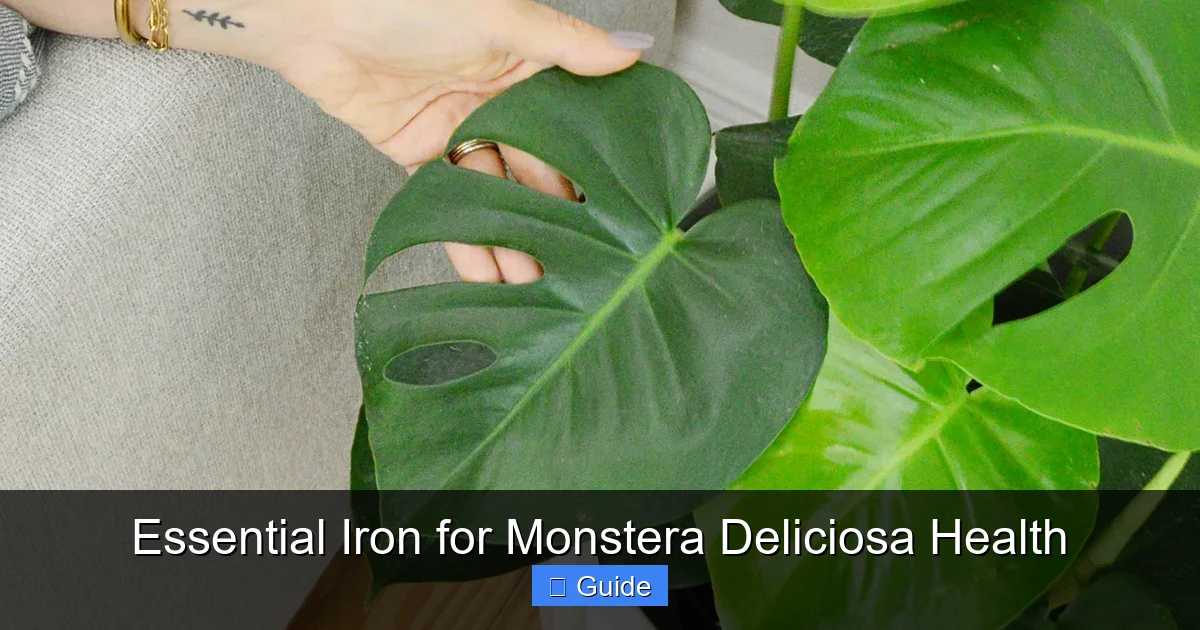
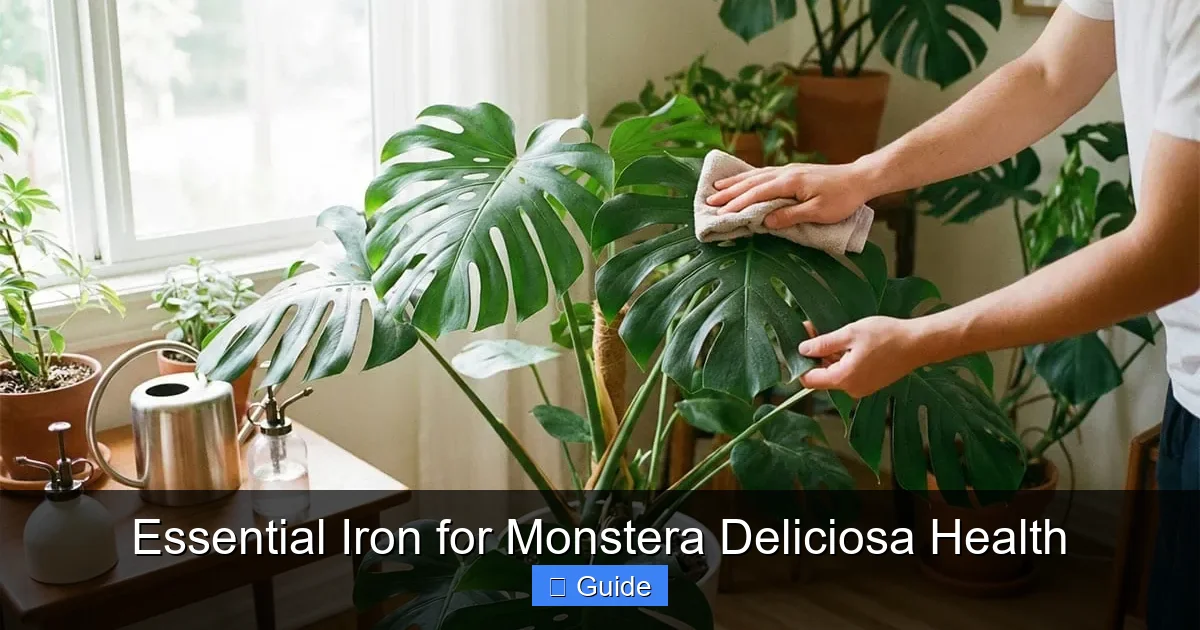
Visual guide about Essential Iron for Monstera Deliciosa Health
Image source: younghouselove.com
Growth Slowdown
New leaves may emerge smaller than usual. The plant may pause its usual rapid growth during the growing season. Stems can become weak and bend under the weight of large leaves. If you notice a sudden slowdown, check the soil pH and consider an iron test.
Root Health
Healthy roots are white and firm. Iron deficiency can sometimes cause root tips to turn brown. However, root symptoms are less obvious than leaf symptoms. Regular inspection during repotting helps catch problems early.
Understanding Soil pH and Iron Availability
The pH Sweet Spot
Iron is most available to roots in slightly acidic soil. A pH between 5.5 and 6.5 is ideal for Monstera. When pH rises above 6.5, iron binds to soil particles and becomes insoluble. The plant cannot take it up even if the soil contains plenty of iron. Testing your soil pH is a simple step that can save you a lot of guesswork.
How to Test pH
Use a reliable pH meter or a soil test kit. Take a sample from the root zone, mix with distilled water, and read the result. If the pH is too high, you can lower it with elemental sulfur or an acidifying fertilizer. Adjust gradually to avoid shocking the plant.
Water Quality Effects
Tap water often contains calcium and magnesium that raise pH over time. If you live in a hard water area, consider using filtered or rainwater for watering. This helps maintain the acidic environment that keeps essential iron for monstera deliciosa health accessible.
Choosing the Right Iron Supplement
Chelated Iron Forms
Chelated iron stays dissolved in water across a wider pH range. Common chelates include EDTA, DTPA, and EDDHA. EDDHA is the most stable in alkaline conditions. For most indoor growers, an EDTA or DTPA chelate works well and is affordable. Look for a product labeled for houseplants or tropical foliage.
Liquid vs. Granular
Liquid iron fertilizers act fast. You can apply them as a soil drench or a foliar spray. Foliar feeding delivers iron directly to leaves, bypassing soil pH issues. Granular slow‑release products are convenient but may take weeks to become available. For quick correction, liquid chelated iron is the best choice.
Dosage Guidelines
Follow the label instructions. A typical rate is 1 to 2 teaspoons per gallon of water for a soil drench. For foliar spray, use a weaker solution, around ½ teaspoon per gallon. Apply every two weeks during the active growing season. Reduce frequency in winter when growth slows.
Organic Options
If you prefer organic gardening, consider iron sulfate or blood meal. Iron sulfate works quickly but can lower pH sharply. Blood meal releases iron slowly as it breaks down. Both can be effective when used with care.
Practical Feeding Routine for Monstera
Seasonal Schedule
Spring and summer are the main growing periods. Feed with a balanced liquid fertilizer every two weeks. Add a chelated iron supplement on alternate weeks. This staggered approach prevents nutrient overload. In fall, cut back to once a month. In winter, stop fertilizing altogether unless the plant shows active growth.
Combining with Other Nutrients
Iron works best when the plant has adequate nitrogen, phosphorus, and potassium. A complete fertilizer with a ratio like 20‑20‑20 or 10‑10‑10 provides a solid base. Micronutrient mixes that include manganese, zinc, and copper also support overall health. Avoid high‑phosphorus formulas that can interfere with iron uptake.
Foliar Feeding Tips
Spray early in the morning or late in the evening. This reduces leaf burn and allows maximum absorption. Cover both the top and underside of leaves. Use a fine mist sprayer for even coverage. Do not foliar feed when the plant is under direct sunlight.
Monitoring Results
After the first application, watch for greening of new leaves within 7 to 10 days. Older yellow leaves may not recover fully, but new growth should be vibrant. Keep a simple log of feeding dates and observations. This helps you fine‑tune the schedule for your specific environment.
Common Mistakes and How to Avoid Them
Over‑Applying Iron
More is not better. Excess iron can cause toxicity, leading to brown leaf tips and root damage. Stick to recommended rates. If you suspect buildup, flush the soil with plain water until it runs clear.
Ignoring pH
Adding iron to high‑pH soil is often a waste. The iron will precipitate and become unavailable. Always address pH first. A small pH adjustment can make a big difference in how well essential iron for monstera deliciosa health works.
Using the Wrong Chelate
EDTA chelates lose effectiveness above pH 6.5. If your soil is alkaline, choose EDDHA or a foliar spray. Matching the chelate to your conditions saves money and frustration.
Neglecting Water Quality
Hard water can undo your pH efforts. Test your water if you notice persistent deficiency despite correct soil pH. Switching to rainwater or a reverse osmosis system can be a game changer.
Conclusion
Iron is a small nutrient with a big impact. It keeps Monstera leaves green, stems strong, and growth steady. By learning the signs of deficiency, testing and adjusting pH, picking the right chelated product, and following a simple feeding schedule, you give your plant the best chance to thrive. Remember that essential iron for monstera deliciosa health works together with balanced nutrition and good watering habits. A little attention to detail goes a long way. Your Monstera will reward you with lush, dramatic foliage that turns any space into a tropical retreat.
Frequently Asked Questions
Why does my Monstera have yellow leaves but green veins?
This pattern indicates interveinal chlorosis caused by insufficient iron. The plant cannot produce enough chlorophyll without iron, so the tissue between veins turns yellow while veins remain green.
What soil pH is ideal for Monstera iron uptake?
A slightly acidic pH between 5.5 and 6.5 keeps iron soluble and available to roots. Higher pH locks iron away, leading to deficiency even if iron is present in the soil.
Can I use regular garden fertilizer for iron?
Most general fertilizers contain only trace iron, often in a form that becomes unavailable at higher pH. A dedicated chelated iron supplement ensures reliable delivery.
Is foliar feeding safe for Monstera?
Yes, foliar feeding with a diluted chelated iron solution is safe and effective. Apply in early morning or late evening to avoid leaf burn.
How do I lower soil pH if it is too high?
Add elemental sulfur or an acidifying fertilizer according to package directions. Make changes gradually and retest pH after a few weeks.
What happens if I give too much iron?
Excess iron can cause toxicity, showing as brown leaf tips, stunted roots, and overall stress. Always follow label rates and flush the soil if you suspect over‑application.