Top Rated Tiered for Coleus
Finding the right tiered planter transforms how you grow coleus. This guide covers the top-rated tiered for coleus options, key features to consider, and expert tips for stunning, colorful displays all season long.
Key Takeaways
- Tiered planters maximize space: They allow you to grow more coleus varieties in a smaller footprint, perfect for patios and balconies.
- Drainage is critical for coleus: The best tiered systems offer excellent drainage to prevent root rot, a common issue with these moisture-loving plants.
- Material matters for longevity: Cedar, metal, and high-quality resin resist weather damage better than cheap plastic, protecting your investment.
- Light exposure varies by tier: Upper tiers get more sun; lower tiers stay shadier. Plan your coleus placement based on each variety’s light needs.
- Watering strategy changes with height: Top tiers dry out faster. A drip irrigation system or careful hand-watering routine keeps every level evenly moist.
- Stability prevents tipping: Look for wide bases or wall-mount options, especially in windy areas, to keep your coleus display safe.
- Seasonal flexibility adds value: Choose tiered planters that work for spring annuals, summer coleus, and fall mums to get year-round use.
Quick Answers to Common Questions
What is the best material for a tiered planter for coleus?
Western Red Cedar and high-density polyethylene (HDPE) resin are the best materials. Cedar insulates roots naturally and resists rot. HDPE resin never cracks, rots, or fades. Both provide the soil volume and drainage coleus needs for healthy growth.
How often should I water coleus in a tiered planter?
Check each tier daily by feeling the soil two inches deep. Water when dry at your fingertip. Top tiers in full sun may need water twice daily in summer. Lower shady tiers may need water every two to three days. A drip irrigation timer makes this consistent and easy.
Can I grow coleus in a tiered planter indoors over winter?
Yes, but you need very bright light. A south-facing sunroom or full-spectrum LED grow lights (14-16 hours daily) are required. Keep soil evenly moist, run a humidifier, and watch for spider mites. Take cuttings in fall as a backup plan.
Which coleus varieties work best for the top tier in full sun?
Sun-tolerant series like ColorBlaze, Main Street, and FlameThrower thrive on top tiers. Specific varieties include ‘Redhead,’ ‘Campfire,’ ‘Wasabi,’ ‘Electric Lime,’ and ‘Henna.’ These handle six-plus hours of direct sun without bleaching or burning.
How do I prevent the bottom tier from staying too wet?
Ensure each tier has four to six drain holes per square foot. Elevate the whole planter on feet so water exits freely. Use a well-draining potting mix with perlite. Plant only moisture-tolerant varieties on the bottom. Reduce watering frequency for that tier specifically.
📑 Table of Contents
- Why Tiered Planters Are Perfect for Coleus
- Understanding Coleus Needs in a Vertical System
- Key Features of the Best Tiered Planters for Coleus
- Top Rated Tiered Planter Styles for Coleus
- How to Plant and Maintain Coleus in a Tiered Planter
- Design Ideas for Stunning Coleus Displays
- Common Problems and Quick Fixes
- Budget Considerations and Value Analysis
- Conclusion
Why Tiered Planters Are Perfect for Coleus
Coleus plants bring instant drama to any garden. Their leaves paint the space with shades of burgundy, chartreuse, pink, and deep purple. But these beauties have a sprawling habit. They want to spread out and show off. If you have limited ground space, that creates a problem.
That is where a tiered planter steps in. It lifts your collection upward. You gain planting room without losing floor space. A tiered system lets you stage different varieties at different heights. The result is a living sculpture of color and texture. It turns a plain corner into a focal point.
Not every tiered planter works well for coleus, though. These plants have specific needs. They crave consistent moisture but hate soggy roots. They need good air flow to prevent fungal issues. And they range from sun-lovers to shade-preferrers. The top rated tiered for coleus models address all of these factors. We will walk through exactly what to look for so your display thrives from spring to frost.
Understanding Coleus Needs in a Vertical System
Before you buy a planter, you need to know the plant. Coleus (Plectranthus scutellarioides) is a tropical tender perennial grown as an annual in most zones. It grows fast. It drinks water daily in summer heat. And its shallow root system sits near the soil surface.
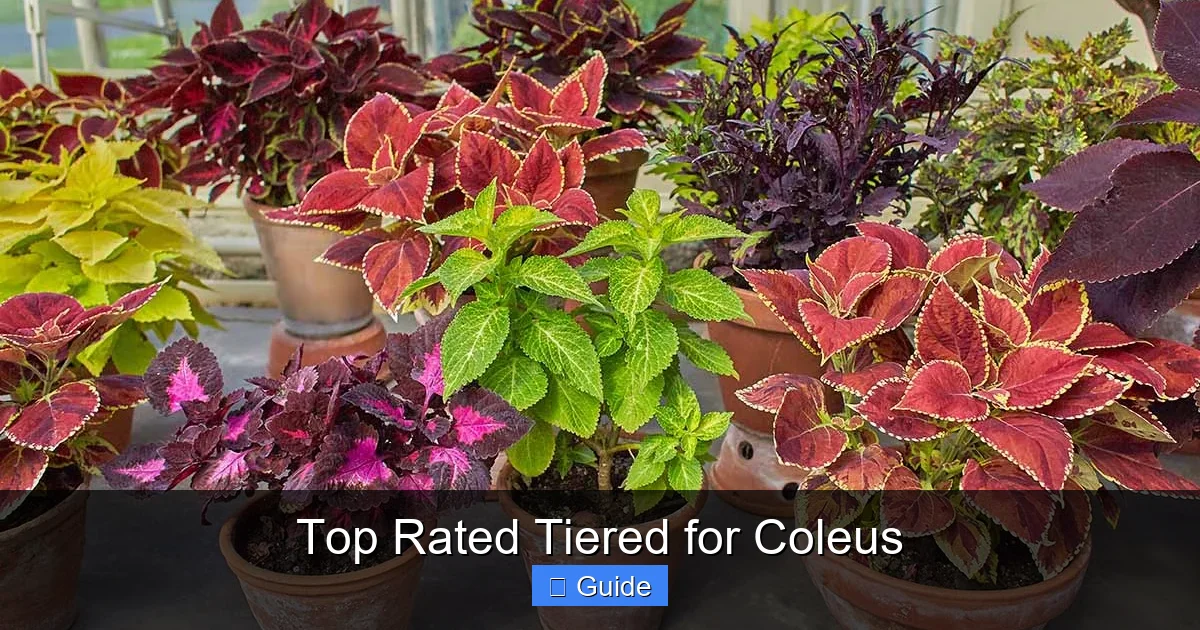
Visual guide about Top Rated Tiered for Coleus
Image source: gardenerspath.com
Moisture Management Is Everything
In a tiered planter, gravity pulls water down. The top tier dries out first. The bottom tier stays wet longest. This gradient is the biggest challenge. Coleus wilts dramatically when dry. It bounces back fast with water, but repeated stress weakens the plant. It also fades leaf color.
You need a planter that holds moisture evenly. Look for thick walls. Wood and resin insulate better than thin metal or unglazed terracotta. Some top rated tiered for coleus units include built-in water reservoirs. Others have wicking systems that pull water up to the top tier. These features save you from watering three times a day in July.
Light Requirements Vary by Variety
Older coleus varieties needed shade. Modern breeding created sun-tolerant series like ‘ColorBlaze’ and ‘Main Street.’ But even sun types appreciate afternoon shade in hot climates. In a tiered planter, the top level gets full sun. The middle gets dappled light. The bottom may sit in full shade.
This gradient is actually a gift. You can match each variety to its ideal tier. Put ‘Wasabi’ or ‘Electric Lime’ on top for sun. Place ‘Fishnet Stockings’ or ‘Chocolate Covered Cherry’ in the middle. Reserve the bottom for shade classics like ‘Kong’ series. A tiered planter lets you grow a wider palette than a single bed ever could.
Air Flow Prevents Disease
Coleus stems are succulent and brittle. Crowded plants trap humidity. That invites downy mildew and botrytis. A good tiered planter spaces the tiers far enough apart for air to circulate. Avoid designs where foliage from one tier rests on the soil of the next. Look for at least twelve inches of vertical clearance between levels.
Key Features of the Best Tiered Planters for Coleus
Shopping for a tiered planter feels overwhelming. Dozens of brands claim to be the best. Focus on these six features to narrow the field fast.
1. Material Durability and Insulation
Western Red Cedar is the gold standard. It resists rot naturally. It insulates roots from heat and cold. It ages to a lovely silver gray. Powder-coated steel or aluminum frames with cedar boxes combine strength and warmth. High-density polyethylene (HDPE) resin mimics wood but never rots, cracks, or splinters. It is UV-stabilized for years of color. Avoid thin plastic. It becomes brittle in one season. Avoid untreated pine. It rots in a year.
2. Drainage Design
Every tier needs multiple drain holes. Not one tiny hole. Four to six holes per square foot of soil surface is ideal. Holes should be elevated slightly above the planter bottom so roots do not sit in a puddle. Some premium models include a removable drain tray. This catches runoff on a balcony. It also lets you see if you are overwatering.
3. Soil Volume per Tier
Coleus roots need room. A tier that holds less than two gallons of soil will dry out in hours. Aim for at least three gallons per tier. Five gallons is better. Deeper soil buffers temperature swings. It holds more nutrients. It reduces watering frequency. Check the actual dimensions, not just the “tier count.” A five-tier unit with shallow trays holds less soil than a three-tier unit with deep boxes.
4. Structural Stability
A tall, narrow planter catches wind like a sail. Wet soil adds heavy weight. The base must be wide. Look for a footprint at least twenty-four inches wide for a four-foot-tall unit. Legs should have cross-bracing. Wall-mounted units need heavy-duty lag bolts into studs, not just drywall anchors. Freestanding units should have adjustable feet for leveling on uneven patios.
5. Ease of Assembly and Maintenance
You will assemble this once. But you will maintain it for years. Stainless steel or coated hardware resists rust. Pre-drilled holes prevent wood splitting. Modular designs let you add or remove tiers. Removable liners make end-of-season cleanup easy. Some top rated tiered for coleus systems fold flat for winter storage. That is a huge plus if you have limited garage space.
6. Aesthetic Versatility
Your planter is furniture. It should look good empty. Cedar stains beautifully. Resin comes in modern gray, classic white, or terracotta tones. Metal frames come in black, bronze, or corten steel finishes. Choose a style that matches your home architecture. A cohesive look elevates the whole garden.
Top Rated Tiered Planter Styles for Coleus
Different garden situations call for different designs. Here are the five most effective styles for growing coleus vertically.
Cascading Ladder Planters
These look like a leaning ladder with boxes on each rung. They lean against a wall or fence. The angle gives each tier great light exposure. Water drains from top to bottom naturally. You can catch the runoff in a tray at the base. This style is perfect for a narrow side yard or balcony railing. The open back allows air flow. It also makes it easy to pinch back leggy stems from behind.
Look for models with adjustable rung spacing. You can widen the gap for taller coleus varieties. Cedar construction with stainless hardware lasts a decade. Some fold flat against the wall for winter. That is a smart feature for small spaces.
Freestanding Pyramid Towers
A pyramid tower has a square base. Each tier up gets smaller. The top is a single pot. This shape is inherently stable. The wide base resists tipping. The tiers are usually deep boxes. Soil volume is generous. You can plant trailing coleus on the corners. They spill down the sides, hiding the frame.
Place a pyramid in the center of a patio. It becomes a 360-degree sculpture. Rotate it weekly so all sides get even light. Some towers have a central pole. You can attach a shade cloth to the pole for the hottest weeks. This style works well for large collections. A four-foot pyramid can hold twenty-plus plants.
Wall-Mounted Pocket Systems
These are fabric or rigid plastic pockets attached to a frame. You mount the frame to a fence or wall. Each pocket is a planting cell. They are incredibly space-efficient. A six-foot wide panel can hold thirty plants. The vertical orientation maximizes light for every pocket.
Fabric pockets breathe. They air-prune roots. This prevents root circling. It creates a dense, healthy root ball. But fabric dries fast. You must install drip irrigation. Rigid plastic pockets hold more water. They are heavier. Ensure your wall can support the wet weight. Use a moisture-retentive potting mix with polymer crystals in either system.
Stackable Modular Cubes
These are individual cube planters. You stack them in columns. You can configure them in endless shapes. Two columns of three. Three columns of two. A zigzag stair step. Each cube has its own soil and drainage. You can move a single cube to a shadier spot if a plant struggles.
This flexibility is unmatched. You can start with three cubes. Add more next year. If you move, the system moves with you. Look for cubes with interlocking feet. They lock together for stability. HDPE resin cubes last twenty years. They are pricey upfront but cheap per year of use.
Repurposed Vintage Finds
An old wooden step ladder. A set of vintage metal shelves. A reclaimed pallet turned vertical. These add instant character. They cost little. But you must modify them for plants. Line wood shelves with landscape fabric. Drill drain holes in metal trays. Seal wood with non-toxic garden sealant. Ensure the structure is sound.
The charm is real. The function takes work. Test stability before loading with wet soil. These are best for sheltered spots. Wind can topple lightweight vintage pieces. But for a covered porch or courtyard, they are unbeatable for style.
How to Plant and Maintain Coleus in a Tiered Planter
You have the planter. Now fill it right. Success starts with the soil mix and continues with a smart care routine.
The Perfect Potting Mix Recipe
Do not use garden soil. It compacts. It brings weeds and pathogens. Use a high-quality soilless mix. Or make your own. Combine two parts peat moss or coconut coir. One part perlite. One part compost. Add a slow-release fertilizer coated for three to four months. Mix in water-holding polymer crystals at the label rate. This blend drains well but holds a reservoir of moisture. It feeds steadily. It resists compaction all season.
Planting Strategy by Tier
Fill each tier to one inch below the rim. Water the mix thoroughly before planting. Let it settle. Top off if needed. Now arrange your plants. Place the tallest, upright varieties in the center of each tier. Use trailing or mounding types at the edges. Space plants six to eight inches apart. They will fill in fast.
Match varieties to tier conditions. Top tier: sun-tolerant, heat-tough types. Middle tier: versatile types that handle sun or shade. Bottom tier: shade-loving, large-leaf types. If a tier gets reflected heat from a wall, choose the toughest varieties. ‘Campfire’ and ‘Redhead’ take brutal conditions.
Watering Routine That Works
Check moisture daily. Stick your finger two inches into the soil. If dry at the fingertip, water. Water until it drains from the bottom holes. In peak summer, the top tier may need morning and evening water. The bottom tier may need water every other day. Do not guess. Check each tier separately.
A drip irrigation system with a timer is the best investment. Run a main line up the back of the planter. Use micro-tubing to each tier. Put two emitters per tier. Set the timer for early morning. Add a second short cycle at 2 PM for the top tier only. Adjust run times weekly based on weather. A rain sensor prevents waste.
Feeding for Continuous Color
Slow-release fertilizer in the mix lasts three to four months. Supplement with liquid feed. Use a balanced fertilizer (10-10-10 or 20-20-20) at half strength every two weeks. Or use a high-nitrogen feed (like fish emulsion) monthly for lush foliage. Stop fertilizing six weeks before your first frost date. This hardens off the plants.
Pinching and Grooming
Coleus flowers are spikes of tiny blue blooms. They signal the plant to set seed. Leaf production stops. Color fades. Pinch off flower buds as soon as you see them. Use your fingers or snips. Cut just above a leaf node. Two new branches will grow. The plant stays bushy and colorful.
Pinch back leggy stems anytime. If a plant gets too tall for its tier, cut it back by half. It will rebound in two weeks. Remove any yellow or damaged leaves weekly. This improves air flow. It keeps the display pristine.
End-of-Season Options
Coleus is tender. Frost kills it. You have three choices. One: compost the plants and store the planter. Two: take cuttings. Root them in water or moist perlite. Grow them indoors under lights. Three: move the whole planter indoors. This only works if you have a very bright sunroom or grow lights. The planter must be on a waterproof tray. Indoor air is dry. Run a humidifier. Watch for spider mites and whiteflies.
Design Ideas for Stunning Coleus Displays
A tiered planter is a design tool. Use it to create specific looks. Here are five proven concepts.
The Monochromatic Gradient
Choose coleus varieties in one color family. Deep burgundy to bright pink. Or chartreuse to deep green. Plant the darkest at the top. The lightest at the bottom. The eye moves smoothly down. It feels intentional and sophisticated. Great for modern landscapes.
The Complementary Color Pop
Pair opposite colors on the color wheel. Purple and chartreuse. Orange and blue. Red and green. Plant one color on the left tiers. The other on the right tiers. Or alternate tiers. The contrast vibrates. It draws the eye from across the yard. Perfect for a focal point near a seating area.
The Texture Tapestry
Mix leaf shapes and sizes. Large, smooth ‘Kong’ leaves. Ruffled ‘Wizard’ edges. Deeply lobed ‘Fishnet’ patterns. Tiny ‘Micro’ leaves. The color matters less than the texture. Plant fine textures at the top. Coarse textures at the bottom. It creates depth. It looks lush even if the color palette is simple.
The Thriller-Filler-Spiller per Tier
Apply the classic container formula to each tier individually. Center: upright thriller like ‘Henna’ or ‘FlameThrower.’ Middle: mounding fillers like ‘Main Street’ series. Edges: trailing spillers like ‘Trailing Plum’ or ‘Wedding Train.’ Every tier becomes a complete mini-garden. The whole tower reads as a cohesive masterpiece.
The Seasonal Swap Plan
Design for three seasons. Spring: plant pansies, violas, and early coleus. Summer: replace spent spring plants with peak coleus. Add heat-loving companions like sweet potato vine. Fall: swap tired coleus for ornamental kale, mums, and peppers. The tiered structure stays. The palette shifts. You get nine months of interest from one investment.
Common Problems and Quick Fixes
Even with the best planter, issues arise. Here is how to handle the most frequent challenges.
Top Tier Wilts by Noon
Cause: Sun exposure and wind dry the soil fast. Fix: Add more polymer crystals to the top tier mix. Mulch with shredded bark. Install a shade cloth for 1 PM to 5 PM. Increase drip emitter flow rate for that tier only.
Bottom Tier Stays Soggy
Cause: Runoff from above accumulates. Shade slows evaporation. Fix: Ensure drain holes are clear. Elevate the planter on feet so water exits freely. Plant only moisture-tolerant varieties there. Reduce watering frequency for that tier.
Leaves Bleach or Burn
Cause: Too much direct sun for that variety. Reflected heat off walls. Fix: Move the planter to a shadier spot. Or swap the variety for a sun-tolerant one. Hang a sheer curtain on the wall behind the planter.
Stems Get Leggy and Weak
Cause: Insufficient light. Over-fertilizing with nitrogen. Fix: Pinch back hard. Move to brighter location. Switch to balanced fertilizer. Ensure tiers are not shading each other excessively.
Pests: Aphids, Whiteflies, Spider Mites
Cause: Stress from dry soil or poor air flow. Fix: Blast with water jet. Spray insecticidal soap weekly for three weeks. Improve watering consistency. Thin crowded growth. Introduce beneficial insects like ladybugs.
Downy Mildew (Yellow Spots, Gray Fuzz Under Leaves)
Cause: Cool, wet, still conditions. Fix: Remove infected leaves immediately. Improve air flow. Water at soil level, not on foliage. Apply copper fungicide if severe. Rotate coleus out of that planter next year.
Budget Considerations and Value Analysis
Tiered planters range from fifty dollars to over a thousand. Price usually tracks with material quality and soil volume. Here is how to think about value.
Entry Level (Under $150)
Thin resin or softwood kits. Shallow trays. One to two gallons per tier. Last one to three years. Good for renters. Good for trying the concept. Not great for full-sun, high-heat sites. Soil dries too fast. Roots overheat.
Mid Range ($150 to $400)
Cedar or HDPE resin. Three to five gallons per tier. Stainless hardware. Five to ten year lifespan. Good insulation. Decent drainage. This is the sweet spot for most gardeners. You get performance without pro pricing.
Premium ($400 to $1000+)
Thick cedar or powder-coated aluminum frames. Modular systems. Integrated irrigation. Ten to twenty year lifespan. Often made in USA. Beautiful design. If you own your home and garden seriously, this pays off. Cost per year is often lower than replacing cheap units.
DIY vs. Buy
Building your own from cedar boards costs sixty percent of a mid-range kit. But you need tools, time, and skill. You must design drainage and structure yourself. Kits ensure proper engineering. If you are handy, DIY is rewarding. If not, a kit saves frustration.
Conclusion
Growing coleus in a tiered planter is one of the smartest moves a gardener can make. You turn vertical space into a canvas for color. You solve the shade-sun puzzle by matching plants to microclimates. You reduce bending and kneeling. And you create a living artwork that changes every week.
The top rated tiered for coleus systems share common DNA. They hold enough soil. They drain well. They stand stable. They insulate roots. They look good doing it. Whether you choose a cedar ladder, a resin pyramid, or a modular cube stack, the principles stay the same. Match the planter to your space. Match the plants to the tiers. Water consistently. Pinch often. Feed regularly.
Start with one three-tier unit this spring. Plant three varieties you love. Watch them grow. You will see the potential immediately. Next year, you will add another tier. Or another tower. Your neighbors will ask for cuttings. Your patio will become the favorite room in the house. That is the power of growing up instead of out. Happy planting.
Frequently Asked Questions
What size tiered planter do I need for coleus?
Each tier should hold at least three gallons of soil, but five gallons is ideal for mature coleus plants. Deeper soil retains moisture longer, insulates roots from temperature swings, and provides enough room for the shallow but wide-spreading root system of coleus to develop fully.
Do tiered planters need a liner for coleus?
Wood planters benefit from a landscape fabric liner to prevent soil loss through gaps and to protect the wood from constant moisture. Rigid plastic and resin planters do not need liners if they have proper drain holes. Fabric pocket systems are their own liner.
Can I use regular garden soil in my tiered planter?
No, garden soil compacts in containers, suffocating roots and preventing drainage. Use a high-quality soilless potting mix containing peat moss or coconut coir, perlite, and compost. Add slow-release fertilizer and water-holding crystals for best results with coleus.
How do I fertilize coleus in a tiered system?
Mix slow-release fertilizer into the potting soil at planting. Supplement with half-strength liquid fertilizer every two weeks during active growth. Stop fertilizing six weeks before your first frost date to allow plants to harden off naturally.
Will coleus come back next year in a tiered planter?
Coleus is a tender tropical perennial hardy only in zones 10-11. In most climates, it dies at the first frost. You can overwinter plants indoors under bright lights, take cuttings to root in water, or simply start fresh with new plants each spring.
How do I keep my tiered planter from tipping over in wind?
Choose a planter with a wide base (at least 24 inches wide for a 4-foot tall unit). Look for cross-bracing on legs and adjustable leveling feet. For wall-mounted units, use heavy-duty lag bolts into studs. In high-wind areas, add weight to the base tier or stake the unit to the ground.