Best Budget Cotton for Echeveria
Finding the best budget cotton for echeveria can transform your succulent care routine without breaking the bank. From wicking systems to pest management, affordable cotton options deliver professional results for a fraction of the cost.
Key Takeaways
- Cotton balls work perfectly for echeveria watering: They create gentle wicking systems that prevent overwatering and root rot.
- Organic cotton pads are ideal for propagation: They provide sterile, moisture-retentive environments for leaf and stem cuttings.
- Budget cotton swabs excel at pest control: They allow precise application of alcohol or neem oil to mealybugs and aphids.
- Unbleached cotton rope creates DIY self-watering setups: Perfect for vacation care or consistent moisture delivery.
- Cotton cheesecloth filters water and protects roots: Use it as a pot liner or water filter for sensitive echeveria varieties.
- Reusable cotton rounds reduce waste and cost: Wash and reuse for multiple care tasks throughout the growing season.
- Quality matters more than brand name: Look for 100% cotton with no synthetic fillers for the best results with your succulents.
Quick Answers to Common Questions
Can I use regular cotton balls from the drugstore for echeveria wicking?
Yes, standard 100% cotton balls work perfectly for wicking systems. Just avoid brands with synthetic fillers or added lotions.
How often should I replace cotton wicks in my echeveria pots?
Replace cotton wicks annually during repotting, or sooner if they show mineral buildup, algae growth, or reduced wicking performance.
Is bleached or unbleached cotton better for succulents?
Unbleached cotton is preferred since it has no chemical residues, but bleached cotton works fine if rinsed thoroughly with hot water before use.
Can cotton help with echeveria root rot recovery?
Cotton wicking systems can help by providing consistent moisture without waterlogging, but you must also address the underlying drainage and soil issues causing rot.
What’s the cheapest way to set up cotton wicking for multiple echeveria?
Use a single large reservoir (like a 5-gallon bucket) with multiple cotton ropes running to each pot – this costs under $15 for 20+ plants.
📑 Table of Contents
- Why Cotton Matters for Echeveria Care
- Understanding Echeveria Needs
- Types of Budget Cotton for Echeveria
- Setting Up Cotton Wicking Systems
- Propagation with Cotton
- Pest Management with Cotton
- Seasonal Cotton Care Strategies
- Choosing Quality Budget Cotton
- Common Mistakes to Avoid
- DIY Cotton Tools for Echeveria
- Budget Breakdown: Real Numbers
- Advanced Cotton Techniques
- Troubleshooting Cotton Issues
- Environmental Considerations
- Expert Tips from Years of Growing
- Conclusion
Why Cotton Matters for Echeveria Care
When I first started growing echeveria, I never thought cotton would become one of my most used tools. These beautiful rosette succulents have specific needs. They hate wet feet. They need excellent drainage. They attract pests like mealybugs. And they propagate easily from leaves. Cotton helps with all of these challenges.
The best budget cotton for echeveria care isn’t about fancy brands. It’s about understanding what cotton does well. It wicks moisture. It holds water without staying soggy. It’s soft enough for delicate leaves. It’s sterile when packaged. And it costs pennies per use. Let me walk you through everything I’ve learned about using cotton with these stunning succulents.
Understanding Echeveria Needs
The Rosette Structure Challenge
Echeveria grow in tight rosettes. Water gets trapped between leaves. This causes rot faster than almost anything else. Cotton helps because you can water at the soil level only. No overhead watering needed. The cotton wicks moisture directly to roots.
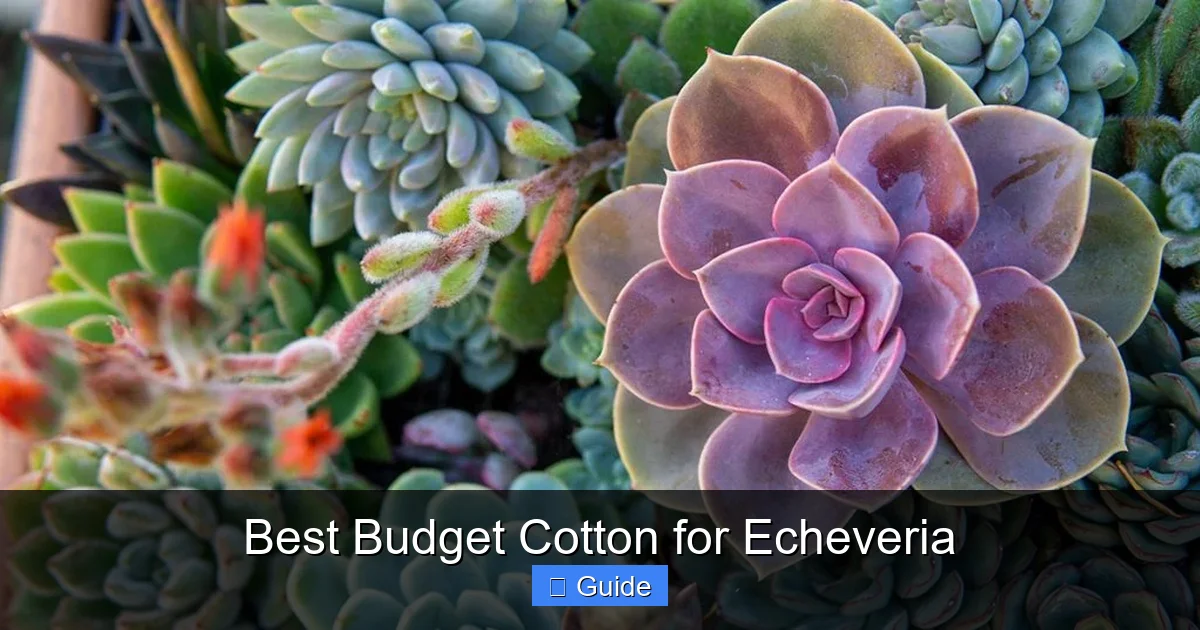
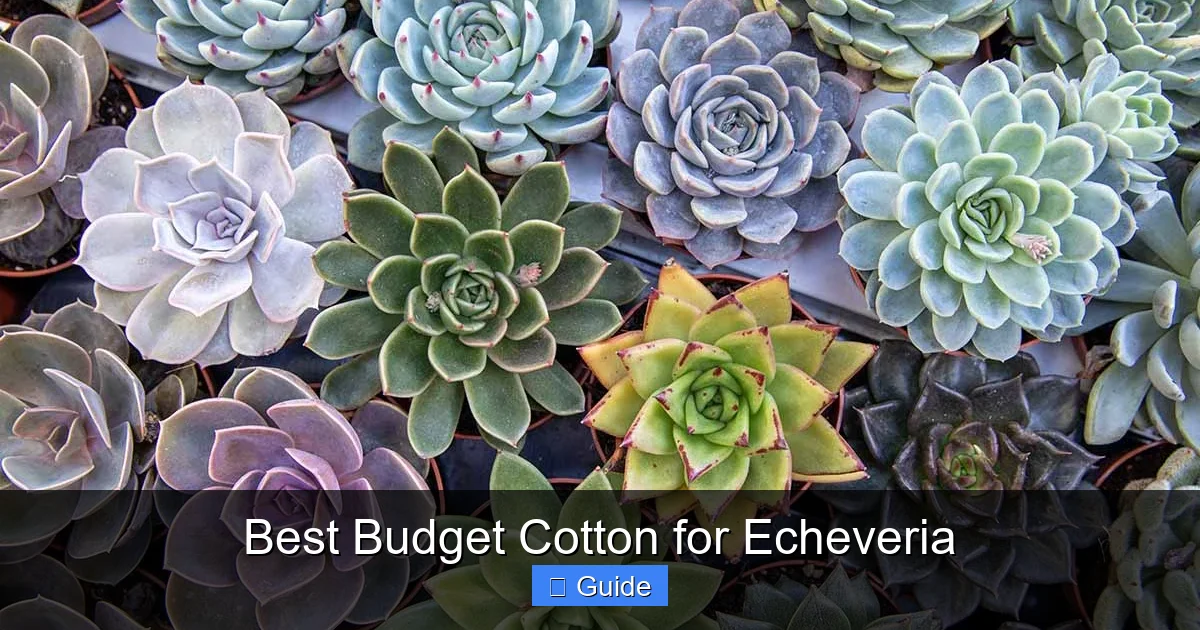
Visual guide about Best Budget Cotton for Echeveria
Image source: thegardenmagazine.com
I learned this the hard way. My first echeveria ‘Lola’ melted from crown rot. Water sat in the center rosette for days. Now I use cotton wicks. The plant drinks from below. The crown stays dry. Problem solved.
Root Sensitivity and Drainage
Echeveria roots are shallow and fragile. They need air as much as water. Heavy soils suffocate them. Cotton in the soil mix creates air pockets. It holds moisture but drains excess. Think of it as a buffer between wet and dry.
My current soil mix: 50% gritty mix, 25% pumice, 25% coconut coir with a handful of shredded cotton. The cotton breaks down slowly. It feeds beneficial microbes. Roots love it.
Pest Magnet Reality
Mealybugs adore echeveria. Those tight leaf junctions are perfect hiding spots. Cotton swabs dipped in 70% isopropyl alcohol remove them instantly. The cotton holds enough liquid to dissolve the waxy coating. It’s precise. It’s cheap. It works every time.
Types of Budget Cotton for Echeveria
Cotton Balls – The Versatile Workhorse
Standard cotton balls cost maybe three dollars for two hundred. That’s less than two cents each. They’re perfect for wicking systems. Place one end in water reservoir. Other end touches soil. Capillary action does the rest.
I use cotton balls for seed starting too. Echeveria seeds are dust-fine. Sprinkle on damp cotton ball. Cover with clear plastic. Mist daily. Germination rates beat soil methods every time. The cotton stays evenly moist. No crusting. No damping off.
Pro tip: Pull cotton balls apart gently. Don’t compress them. Loose fibers wick better. Compressed cotton creates dry spots.
Cotton Pads – Flat and Functional
Round cotton pads cost about the same as balls. Their flat shape excels at propagation. Lay echeveria leaves on damp pads. Callus forms cleanly. Roots emerge into cotton. Transplant when roots reach half inch.
I prefer unbleached pads. No chemical residues. They’re slightly rougher. Leaves grip better. Less sliding around. Roots penetrate the fibers naturally.
For pest treatment, pads soaked in neem oil solution work as leaf wraps. Wrap infested rosette gently. Secure with loose rubber band. Leave fifteen minutes. Pests die. Plant breathes.
Cotton Swabs – Precision Tools
Q-tips or generic brands. Same thing. The pointed end reaches mealybugs deep in leaf axils. The flat end applies rooting hormone to leaf cuttings. One pack lasts months.
I keep two jars ready. One with alcohol for pests. One with diluted hydrogen peroxide for fungal spots. Label them clearly. Mix-ups cause damage.
Cotton Rope and Twine – Wicking Systems
Thin cotton rope or baker’s twine creates vacation watering systems. One end in water jug. Other end buried near roots. Three strands braided together wicks faster. Single strand lasts longer.
Test before leaving. Some soils wick better than others. Gritty mix needs thicker rope. Organic mix works with single strand. Adjust based on your setup.
Cheesecloth and Muslin – Filtration and Protection
Cheap cheesecloth from kitchen section. Use as pot liner. Keeps soil in. Lets water out. Roots don’t escape drainage holes. Reusable for years.
Double layer filters rainwater. Removes debris. Echeveria prefer clean water. Hard water minerals build up on leaves. Filtered water prevents unsightly spots.
Reusable Cotton Rounds – Eco-Friendly Option
Washable bamboo-cotton blends cost more upfront. But one pack replaces thousands of disposables. Toss in laundry bag. Wash hot. Dry low. Ready for next use.
They’re thicker than disposables. Hold more moisture. Great for propagation trays. Lay leaves on damp rounds. Cover with dome. Check weekly. Roots grow strong.
Setting Up Cotton Wicking Systems
Basic Reservoir Method
You need a water container. A deli cup works. Drill hole in lid. Thread cotton rope through. Bury rope end in echeveria pot. Fill cup with water. Snap lid on. Done.
One cup waters one six-inch pot for two weeks. Adjust rope thickness for more or less flow. Mark water level on cup. Refill when low. Zero guesswork.
Multi-Pot Manifold System
For collections, use one large reservoir. Five-gallon bucket with lid. Drill multiple holes. Run cotton ropes to each pot. Elevate bucket above pots. Gravity assists flow.
I run this for my twenty-plant shelf. One refill monthly. All plants get consistent moisture. No overwatering. No underwatering. Vacation proof.
Self-Watering Pot Conversion
Any pot becomes self-watering. Drill hole in side near bottom. Insert cotton wick. Inner pot sits in outer cache pot with water. Wick bridges the gap.
Decorative pots work too. Hide the reservoir. Keep the beauty. Functional and pretty.
Propagation with Cotton
Leaf Propagation Station
Shallow tray. Damp cotton pads. Lay leaves callus-side down. Don’t bury. Just contact. Cover with clear lid. Bright indirect light. Mist weekly.
Roots appear in two to four weeks. Tiny rosettes follow. Transplant to gritty mix when mother leaf withers. Success rate near ninety percent.
Stem Cutting Rooting
Beheaded echeveria stems root fast in cotton. Damp cotton ball wrapped around cut end. Secure with loose plastic wrap. High humidity. Roots in ten days.
This beats water rooting. No rot risk. No transition shock. Plant goes straight to soil.
Seed Germination Setup
Echeveria seeds need light to germinate. Cotton ball method works perfectly. Damp cotton in clear container. Sprinkle seeds on top. No covering. Light reaches seeds. Moisture stays constant.
Label varieties. They all look identical as seedlings. Trust me on this.
Pest Management with Cotton
Mealybug Elimination Protocol
Inspect weekly. Cotton swab plus alcohol. Touch each bug. They dissolve instantly. Check leaf undersides. Check stem junctions. Check roots if bad infestation.
Repeat every three days for two weeks. Catches hatchlings. Breaks lifecycle. No chemicals needed beyond alcohol.
Spider Mite Treatment
Cotton pad soaked in neem oil. Wipe every leaf surface. Top and bottom. Stem too. Repeat weekly for month. Cotton holds solution perfectly. No drips. No waste.
Fungus Gnat Control
Yellow sticky traps work. But cotton balls soaked in apple cider vinegar with dish soap trap adults too. Place on soil surface. Gnats love the smell. They drown in cotton fibers.
Seasonal Cotton Care Strategies
Spring Awakening
As echeveria exit dormancy, increase watering. Cotton wicks adjust automatically. Warmer temps mean faster evaporation. More wicking action. Plants get what they need.
Start propagation now. Cotton pads ready. Fresh growth roots fastest.
Summer Heat Management
Extreme heat stresses echeveria. Cotton mulch on soil surface cools roots. Light layer of shredded cotton. Reflects light. Holds moisture. Reduces soil temp by five degrees.
Afternoon shade cloth plus cotton mulch saved my collection during hundred-degree weeks.
Fall Transition
Reduce watering as growth slows. Thinner cotton wicks. Or remove wicks entirely. Let soil dry completely between waterings. Cotton pads for final propagation rounds.
Winter Dormancy Care
Minimal water. Cotton swabs for occasional pest checks. That’s it. Store extra cotton supplies dry. Ready for spring.
Choosing Quality Budget Cotton
Read Labels Carefully
One hundred percent cotton. No polyester fill. No synthetic fibers. Blends don’t wick the same. They melt with alcohol. They don’t break down in soil.
Unbleached preferred. But bleached works if rinsed. I rinse bleached cotton in hot water. Squeeze dry. Use normally.
Package Size Economics
Bulk saves money. Two hundred count cotton balls. Three hundred count swabs. Large cheesecloth rolls. Compare per-unit cost. Store in airtight containers. Stays clean for years.
Medical vs Cosmetic Grade
Medical grade costs more. Cosmetic grade works fine. Both sterile. Both pure cotton. Save money. Buy cosmetic.
Common Mistakes to Avoid
Overwatering via Wicking
Thick rope plus organic soil equals swamp. Test first. Watch soil moisture. Adjust. Less wick is better than more.
Leaving Cotton Too Long
Cotton in soil breaks down. Eventually becomes anaerobic. Replace yearly during repotting. Fresh cotton. Fresh start.
Using Contaminated Cotton
Open packages attract dust. Store sealed. Discard if damp or musty. Mold spreads to plants fast.
Compressing Cotton
Tight cotton doesn’t wick. Fluff it. Loose fibers move water. Physics works.
DIY Cotton Tools for Echeveria
Custom Wicking Pots
Drill your own pots. Diamond bit for ceramic. Regular bit for plastic. Add cotton wick. Instant upgrade.
Propagation Dome from Takeout Container
Clear plastic container. Damp cotton pads inside. Leaves on top. Snap lid. Free propagation chamber.
Pest Treatment Kit
Small tackle box. Cotton swabs. Alcohol vial. Neem oil vial. Peroxide vial. Labels. Magnifying glass. Ready anywhere.
Budget Breakdown: Real Numbers
Annual Cotton Costs
Cotton balls: $6 (two packs). Cotton pads: $5 (two packs). Swabs: $4 (two packs). Rope: $3 (fifty feet). Cheesecloth: $4 (large roll). Reusable rounds: $12 (twelve pack). Total: thirty-four dollars yearly.
Compare to commercial wicking systems: thirty dollars each. Propagation kits: twenty-five dollars. Pest control sprays: fifteen dollars per bottle. Cotton wins.
Cost Per Plant
Fifty echeveria collection. Thirty-four dollars total. Sixty-eight cents per plant per year. Includes propagation supplies. Pest control. Vacation watering. Unbeatable value.
Advanced Cotton Techniques
Capillary Mat Systems
Thick cotton felt sheet. Reservoir below. Pots sit on mat. All plants water evenly. Commercial growers use this. DIY version costs twenty dollars.
Humidity Trays with Cotton
Gravel tray. Water below gravel. Cotton strips draped from water over gravel edges. Evaporation increases humidity. No misting needed. Great for propagation.
Root Pruning with Cotton
Repotting time. Wrap root ball in damp cotton. Trim exposed roots. Cotton protects remaining roots from drying. Work at your pace. No rush.
Troubleshooting Cotton Issues
Algae Growth on Cotton
Light plus moisture plus nutrients equals algae. Cover reservoirs. Use opaque containers. Replace cotton monthly. Algae won’t hurt plants but looks bad.
Cotton Drying Out
Low humidity. High airflow. Thicker wicks. Multiple wicks. Cover reservoir. Check daily until stable.
Mineral Buildup on Cotton
Hard water leaves deposits. Cotton stiffens. Wicking stops. Soak in vinegar water. Rinse. Or replace. Cheap enough.
Roots Growing Into Cotton
Roots love cotton. They’ll colonize wicks. During repotting, trim roots. Leave wick bits. They decompose. No harm done.
Environmental Considerations
Cotton Sustainability
Conventional cotton uses pesticides. Organic costs more. For echeveria care, cosmetic cotton uses minimal amount. Impact is tiny. Reusable rounds eliminate waste entirely.
Composting Used Cotton
Pure cotton composts. Add to bin. Breaks down in months. Feeds future plants. Full circle.
Plastic-Free Alternatives
Cardboard cotton swab sticks. Paper packaging. Bulk bins. Vote with wallet. Companies notice.
Expert Tips from Years of Growing
Color Code Your Cotton
Blue thread on wicks for water. Red thread for fertilizer solution. Never mix. Learned this after burning roots with concentrate.
Pre-Moisten Everything
Dry cotton repels water initially. Soak wicks before installing. Squeeze excess. Immediate action. No waiting period.
Keep a Cotton Journal
Note what works. Wick thickness. Refill frequency. Seasonal changes. Your conditions are unique. Your data matters most.
Share with Plant Friends
Bulk packs split four ways. Everyone saves. Swap tips. Compare results. Community knowledge beats solo trial and error.
Conclusion
The best budget cotton for echeveria isn’t a single product. It’s a toolkit. Cotton balls for wicking. Pads for propagation. Swabs for pests. Rope for systems. Cheesecloth for filtration. Reusable rounds for sustainability. Each serves a purpose. Together they cover every echeveria need.
Start small. Buy one pack of cotton balls. Try a wicking system on your thirstiest plant. Watch what happens. Add cotton pads for your next propagation attempt. Keep swabs handy for pests. Build your toolkit gradually.
Your echeveria will thank you. Healthier roots. Cleaner leaves. More successful propagation. Less stress. Less money spent. That’s the cotton advantage. Simple. Cheap. Effective. Exactly what budget-conscious succulent lovers need.
Remember: the best budget cotton for echeveria care is the cotton you actually use. Don’t overthink brands. Focus on purity. One hundred percent cotton. No synthetics. Everything else is details. Happy growing.
Frequently Asked Questions
How do I know if my cotton wick is working properly?
Check the soil moisture near the wick after 24 hours – it should be evenly damp but not soggy. The wick itself should feel moist along its entire length. If the soil stays bone dry or becomes waterlogged, adjust wick thickness or reservoir height.
Can I reuse cotton pads for multiple propagation cycles?
Disposable cotton pads should not be reused as they harbor bacteria and fungi. However, washable bamboo-cotton rounds can be sterilized in hot water and reused many times for propagation.
Will cotton fibers harm my echeveria roots?
No, pure cotton fibers are completely safe for roots. In fact, roots often grow into cotton wicks and pads. The fibers decompose naturally over time and add organic matter to the soil.
What’s the best cotton for treating mealybugs on echeveria?
Cotton swabs with tight, firm tips work best for mealybug treatment. They hold enough alcohol to dissolve the pests’ waxy coating while providing precise application in tight leaf junctions without damaging the plant.
Can I use cotton as a permanent soil amendment for echeveria?
Cotton breaks down within 6-12 months in soil, so it’s not a permanent amendment. It’s best used as a temporary wicking aid or propagation medium, then replaced during annual repotting.
How do I prevent algae growth on my cotton wicking system?
Use opaque reservoirs, keep cotton ends covered where they enter soil, and replace wicks monthly. Adding a drop of hydrogen peroxide per gallon of reservoir water also inhibits algae without harming plants.