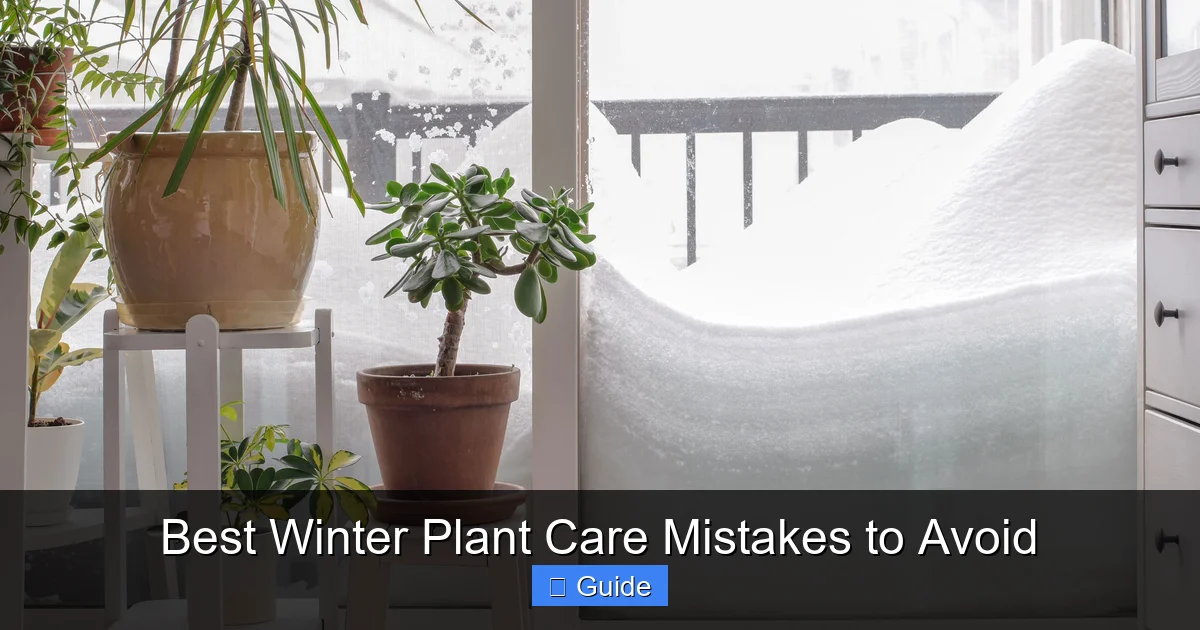
Best Winter Plant Care Mistakes to Avoid
Winter can be tough on houseplants, but most damage comes from a few common errors. Overwatering, low light, and sudden temperature changes top the list. Follow these simple steps to keep your green friends happy all season.
Winter brings shorter days, cooler indoor temperatures, and dry air from heating systems. These changes stress houseplants in ways that are easy to miss. Many plant owners notice yellow leaves, drooping stems, or sudden leaf drop and wonder what went wrong. The truth is that most winter problems come from a handful of simple mistakes.
In this guide we walk through the best winter plant care mistakes to avoid so you can keep your indoor garden thriving. Each section explains why the mistake happens, how to spot it, and what to do instead. You will find practical tips you can apply today, even if you are new to plant care.
Grab a cup of tea, get comfortable, and let’s make this winter a season of healthy growth for every leaf in your home.
Key Takeaways
- Water less often: Soil stays wet longer in cool, low‑light conditions.
- Boost light exposure: Move plants to brighter windows or add a grow light.
- Avoid drafts: Keep plants away from doors, windows, and heating vents.
- Pause fertilizing: Most houseplants go dormant and do not need extra nutrients.
- Raise humidity: Use a pebble tray, humidifier, or group plants together.
- Choose the right mix: A well‑draining potting medium prevents root rot.
Quick Answers to Common Questions
How often should I water my houseplants in winter?
Water only when the top inch of soil feels dry. Most plants need water every 10 to 14 days, but always check the soil first.
Can I use a regular desk lamp as a grow light?
A regular lamp lacks the full spectrum plants need. Use a full‑spectrum LED grow light for best results.
What temperature range is safe for most indoor plants?
Keep the room between 65 and 75 degrees Fahrenheit. Avoid sudden drops below 55 degrees.
Should I mist my plants every day?
Misting gives a short humidity boost but does not replace a humidifier or pebble tray. Use it as a supplement.
When can I start fertilizing again?
Resume fertilizing in early spring when you see new leaves or stems emerging.
📑 Table of Contents
- Understanding Winter Stress on Plants
- Mistake 1 – Overwatering in Low Light
- Mistake 2 – Ignoring Light Requirements
- Mistake 3 – Drafts and Temperature Swings
- Mistake 4 – Fertilizing When Plants Are Dormant
- Mistake 5 – Neglecting Humidity Needs
- Mistake 6 – Using the Wrong Potting Mix
- Putting It All Together
Understanding Winter Stress on Plants
Why Cold Weather Affects Indoor Plants
Indoor plants still feel the season. Shorter daylight reduces photosynthesis. Cooler night temperatures slow metabolic processes. Heating systems strip moisture from the air. All three factors combine to change how a plant uses water, light, and nutrients. When you keep caring for a plant exactly as you did in summer, you create a mismatch between what the plant needs and what you give it.
Signs Your Plant Is Struggling
Look for yellowing lower leaves, brown leaf tips, or a sudden loss of vigor. Soil that stays soggy for days is a red flag. Leaves that curl inward often signal low humidity. Stunted new growth can mean the plant is not getting enough light. Recognizing these clues early lets you correct course before permanent damage occurs.
Mistake 1 – Overwatering in Low Light
How Water Needs Change in Winter
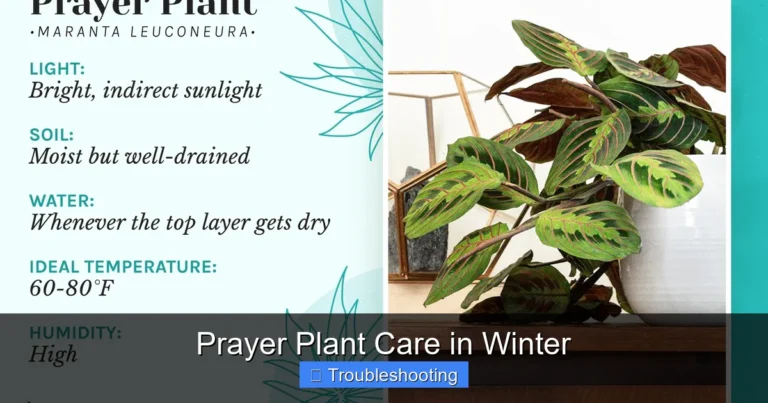
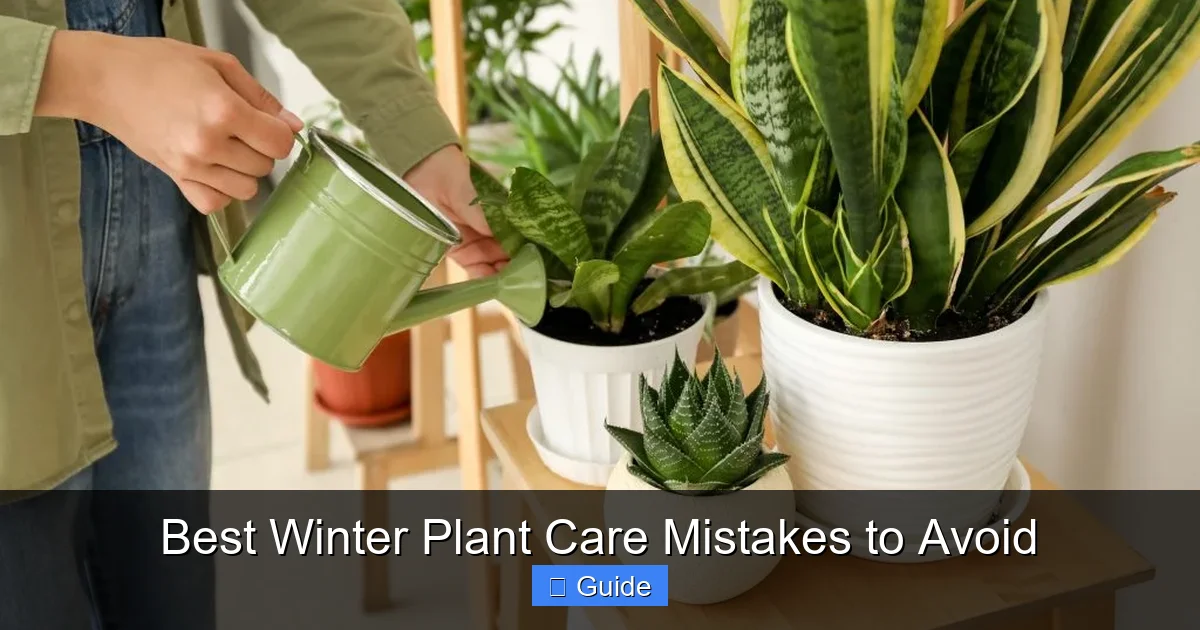
During winter most houseplants enter a slower growth phase. Their roots absorb water more slowly because the soil stays cooler and evaporation drops. If you keep the same watering schedule you used in July, the soil will remain wet for too long. Wet soil invites root rot, fungus gnats, and a host of other problems.
Visual guide about Best Winter Plant Care Mistakes to Avoid
Image source: goodearthplants.com
Simple Test to Check Soil Moisture
Stick your finger about an inch into the potting mix. If it feels damp, wait a few more days. You can also lift the pot; a heavy pot usually means wet soil. A moisture meter is a cheap tool that takes the guesswork out of the equation. Water only when the top inch of soil is dry to the touch.
Remember that succulents and cacti need even less water. Some can go weeks without a drink in winter. Group plants with similar water needs together so you can tailor your routine.
Mistake 2 – Ignoring Light Requirements
Best Window Placement for Winter Sun
South‑facing windows deliver the most intense light in the northern hemisphere. East windows give gentle morning sun. West windows provide strong afternoon rays that can scorch delicate leaves. North windows are usually too dim for most tropical plants. Move each plant to the brightest spot that matches its tolerance.
Using Grow Lights Effectively
If natural light is insufficient, a full‑spectrum LED grow light can fill the gap. Place the light 12 to 18 inches above the canopy. Run it for 12 to 14 hours a day to mimic a longer day. Use a timer so you never forget. Rotate plants weekly so all sides receive even exposure.
Watch for signs of too much light: bleached patches, crispy edges, or leaves that turn reddish. If you see these, raise the light or reduce the duration. A balanced light schedule keeps photosynthesis steady without stress.
Mistake 3 – Drafts and Temperature Swings
Keeping a Stable Microclimate
Cold drafts from doors, leaky windows, or air‑conditioning vents can shock a plant. Sudden temperature drops cause cell damage that shows up as blackened leaf tips or wilting. Likewise, placing a plant directly above a radiator creates hot, dry air that dehydrates foliage.
Quick Fixes for Cold Spots
Seal drafty windows with weather stripping or a heavy curtain. Move plants a few feet away from heating vents. Use a small space heater with a thermostat to keep the room between 65 and 75 degrees Fahrenheit. A simple room thermometer helps you monitor the environment at a glance.
If you have a particularly sensitive species, consider a plant‑specific heat mat under the pot. This provides gentle bottom heat without drying the air. Consistency is the key; plants thrive when day and night temperatures stay within a narrow range.
Mistake 4 – Fertilizing When Plants Are Dormant
When to Pause Feeding
Most houseplants slow down or stop growing in winter. Their nutrient demand drops dramatically. Continuing to feed at the summer rate leads to salt buildup in the soil, which burns roots and causes leaf tip burn. A good rule is to stop fertilizing after the first hard frost in your area and resume in early spring when new growth appears.
Alternative Nutrient Strategies
If you feel the plant needs a boost, use a very diluted liquid fertilizer at one‑quarter strength once a month. Alternatively, top‑dress with a thin layer of worm castings or compost. These organic amendments release nutrients slowly and improve soil structure without the risk of overdose.
Always water the plant before applying any fertilizer. This prevents root shock and helps distribute nutrients evenly. Keep a calendar or phone reminder so you don’t accidentally fertilize during the dormant period.
Mistake 5 – Neglecting Humidity Needs
Easy Ways to Raise Humidity
Indoor heating can drop relative humidity below 30 percent. Many tropical plants prefer 50 to 60 percent. A pebble tray filled with water sits under the pot; as water evaporates it raises local humidity. Grouping plants together creates a mini‑humidity zone because each plant releases moisture through transpiration.
Monitoring Humidity Levels
A cheap hygrometer lets you see the exact humidity in each day‑to‑day reading. Aim for at least 40 percent for most houseplants. If the air stays too dry, run a room humidifier for a few hours each day. Clean the humidifier regularly to avoid mold spores that can harm plants.
Misting leaves with a spray bottle gives a temporary lift but does not replace sustained humidity. Use misting as a supplement, not a primary solution. Consistent humidity prevents crispy leaf edges and reduces spider mite outbreaks.
Mistake 6 – Using the Wrong Potting Mix
Choosing a Well‑Draining Mix for Winter
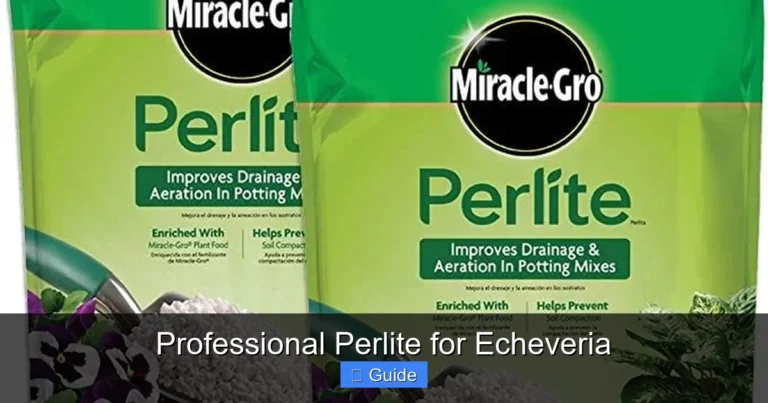
Heavy, moisture‑retentive soils stay wet for days in cool conditions. This is a recipe for root rot. Choose a mix that contains perlite, pumice, or coarse sand to create air pockets. A typical recipe: two parts peat‑based potting soil, one part perlite, one part orchid bark. This blend drains quickly yet holds enough moisture for roots.
Repotting Tips for the Cold Months
Winter is not the ideal time for major repotting because the plant’s recovery is slower. If a plant is severely root‑bound or the soil has broken down, repot using the well‑draining mix described above. Choose a pot only one size larger. Water lightly after repotting and keep the plant in a stable, warm spot for a week before returning it to its usual location.
If you must wait until spring, you can top‑dress the existing pot with fresh mix. Remove the top inch of old soil and replace it with new blend. This refreshes nutrients and improves drainage without disturbing the root ball.
Putting It All Together
You now have a clear checklist of the best winter plant care mistakes to avoid. Start by adjusting your watering schedule. Move each plant to its optimal light spot. Seal drafts and keep temperatures steady. Pause fertilizing until new growth signals spring. Raise humidity with trays, grouping, or a humidifier. Finally, verify that your potting mix drains well and top‑dress if needed.
Small changes add up. A plant that receives the right amount of water, light, and humidity will reward you with vibrant foliage and steady growth even in the darkest months. Keep a simple notebook or phone note to track what you change and how each plant responds. Over time you will develop an intuition for each species in your collection.
Winter does not have to be a season of decline. With a little attention and the right habits, your indoor garden can stay lush, healthy, and ready to explode with new growth when spring arrives. Happy growing!
Frequently Asked Questions
Why do my plant leaves turn yellow in winter?
Yellow leaves often signal overwatering or insufficient light. Check soil moisture and move the plant to a brighter spot.
Is it okay to keep plants near a heater?
Direct heat dries the air and can scorch foliage. Keep plants at least three feet away from heating vents.
How do I know if my plant is dormant?
Growth slows or stops, and the plant may drop a few older leaves. This is normal for many species in winter.
Can I repot a plant in January?
Only repot if the plant is severely root‑bound. Otherwise wait until spring for less stress.
What is the best way to increase humidity without a humidifier?
Group plants together, use pebble trays with water, and place a shallow dish of water near the plants.
Do succulents need any water in winter?
Yes, but far less. Water only when the soil is completely dry, which may be once a month or less.