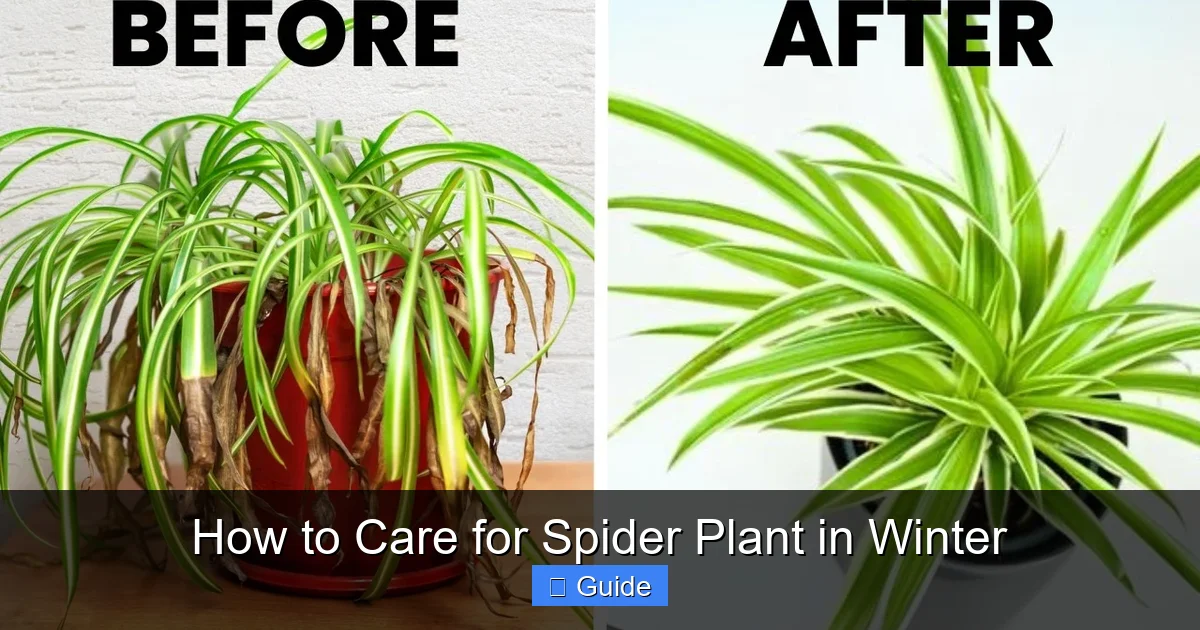
How to Care for Spider Plant in Winter
Spider plants are tough, but winter brings lower light and dry air that can stress them. Adjust watering, keep temperatures above 50 °F, and give them bright indirect light to keep the foliage green and the plant producing new spiderettes all season.
Key Takeaways
- Light: Provide bright, indirect light; avoid direct sun that can scorch leaves.
- Temperature: Keep the plant in a spot that stays above 50 °F (10 °C) and away from cold drafts.
- Water: Water less often; let the top inch of soil dry out between waterings.
- Humidity: Increase humidity with a pebble tray or humidifier to prevent brown tips.
- Fertilizer: Feed sparingly, using a diluted balanced fertilizer once a month at most.
- Pests: Inspect regularly for spider mites and mealybugs; treat early with neem oil.
- Repotting: Only repot if the plant is root‑bound; spring is the better time.
Quick Answers to Common Questions
How often should I water my spider plant in winter?
Water when the top inch of soil feels dry, typically every 10‑14 days depending on indoor humidity and temperature.
What temperature is too cold for a spider plant?
Temperatures below 50 °F (10 °C) for extended periods can cause leaf damage and slow growth.
Do spider plants need fertilizer in winter?
Only a light, half‑strength feeding once a month if the plant shows active growth; otherwise skip fertilizing.
Why are the leaf tips turning brown?
Brown tips usually mean low humidity, fluoride in tap water, or fertilizer salt buildup.
Can I propagate spiderettes during winter?
Yes, cut a spiderette with roots, pot it in moist mix, keep it warm and humid, and it will root in a few weeks.
📑 Table of Contents
Introduction
Winter can feel like a quiet time for houseplants, but your spider plant still needs attention. The shorter days and cooler indoor temperatures change the way the plant uses water and light. If you have ever wondered how to care for spider plant in winter, you are not alone. Many plant lovers see their spider plants develop brown tips or slow growth when the heating kicks on. The good news is that a few simple adjustments keep the plant happy and even encourage new spiderettes.
In this guide we walk through every aspect of winter care, from light and temperature to watering, feeding, and pest prevention. You will learn practical tips you can apply today, plus a quick reference section for the most common questions. By the end you will feel confident that your spider plant will stay lush and green all the way to spring.
Understanding Spider Plant Winter Needs
Light Requirements
Spider plants thrive in bright, indirect light. During winter the sun sits lower in the sky, so a south‑facing window may still be too intense. Place the plant a few feet back from the glass or use a sheer curtain to filter the rays. If natural light is scarce, a full‑spectrum grow light set to 12‑14 hours a day works well. Avoid deep shade; the plant will stretch and lose its compact shape.
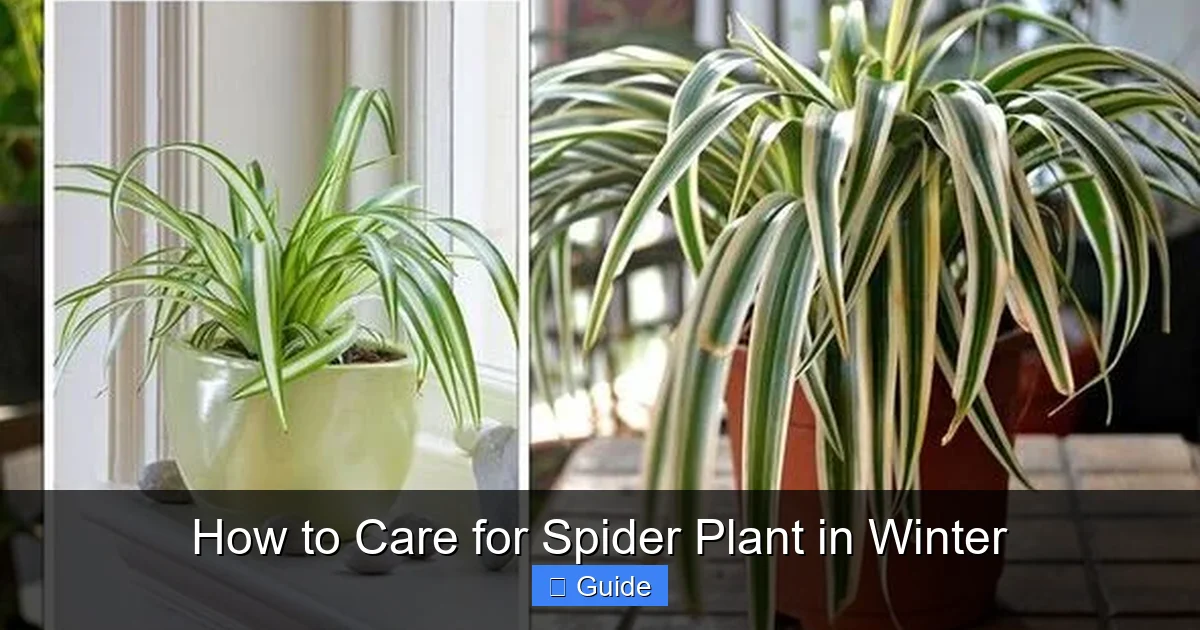
Visual guide about How to Care for Spider Plant in Winter
Image source: cdn.images.express.co.uk
Temperature Tolerance
These plants prefer temperatures between 65 °F and 75 °F (18 °C‑24 °C). They can survive brief dips down to 50 °F (10 °C) but prolonged cold causes leaf damage. Keep the plant away from drafty doors, windows, and heating vents that blow hot, dry air. A stable room temperature prevents stress and reduces the risk of brown leaf tips.
Humidity Considerations
Indoor heating strips moisture from the air, often dropping humidity below 30 %. Spider plants like humidity around 40‑50 %. Low humidity shows up as crispy leaf edges and brown tips. Increase humidity by grouping plants together, setting the pot on a tray of water‑filled pebbles, or running a small humidifier nearby. Misting helps temporarily but does not replace consistent ambient moisture.
Adjusting Watering Routine
How Often to Water
Winter growth slows, so the plant uses less water. Check the soil by sticking your finger about an inch deep. Water only when the top inch feels dry. In most homes this means watering every 10‑14 days, but always rely on the soil test rather than a calendar. Use room‑temperature water to avoid shocking the roots.
Signs of Over‑ and Under‑Watering
Over‑watered spider plants develop yellowing leaves, mushy stems, and a sour smell from the soil. Under‑watered plants show drooping, curled leaves and dry, brittle tips. If you notice yellow leaves, let the soil dry out completely before the next watering. If the tips are brown and crisp, increase humidity and water a little more frequently.
Feeding and Fertilizing in Cold Months
When to Fertilize
Spider plants do not need heavy feeding in winter. A light feeding once a month with a balanced liquid fertilizer diluted to half strength is enough. Skip fertilizing entirely if the plant shows no new growth. Over‑fertilizing builds up salts that burn the roots and cause leaf tip burn.
Choosing the Right Fertilizer
Look for a fertilizer with an N‑P‑K ratio close to 10‑10‑10 or 20‑20‑20. Organic options like fish emulsion or seaweed extract work well and release nutrients slowly. Avoid high‑nitrogen formulas that push rapid leaf growth the plant cannot support in low light.
Preventing Common Winter Problems
Pest Management
Dry indoor air invites spider mites and mealybugs. Inspect the undersides of leaves weekly. If you see tiny webs or cottony clusters, spray the plant with neem oil or insecticidal soap, covering all surfaces. Repeat treatment after seven days to catch any newly hatched pests. Keeping humidity up also discourages these pests.
Leaf Tip Burn
Brown tips are the most common winter complaint. They usually stem from low humidity, fluoride in tap water, or fertilizer salt buildup. Use filtered or distilled water if your tap water is heavily fluoridated. Flush the soil once a month by running water through the pot until it drains freely, then let excess drain away.
Root Rot Prevention
Root rot occurs when soil stays soggy. Ensure the pot has drainage holes and use a well‑draining potting mix, such as a blend of peat, perlite, and pine bark. Never let the plant sit in a saucer of water. If you suspect rot, remove the plant, trim blackened roots, and repot in fresh dry mix.
Propagation and Repotting Tips for Winter
When to Repot
Winter is not the ideal time to repot because the plant is semi‑dormant. Only repot if the roots are circling the pot or emerging from drainage holes. Choose a pot only one size larger and use fresh, well‑draining mix. Water lightly after repotting and keep the plant in a stable environment for a week.
Propagating Spiderettes
Spider plants produce baby plantlets called spiderettes on long stems. Even in winter you can propagate them. Snip a spiderette with a few roots attached, place it in a small pot of moist potting mix, and keep it warm and humid. A clear plastic bag over the pot creates a mini greenhouse. Roots usually develop in two to three weeks.
Quick Recap and Final Thoughts
To sum up, winter care for your spider plant revolves around three pillars: light, temperature, and moisture. Give the plant bright indirect light, keep the room above 50 °F, and water only when the top inch of soil is dry. Boost humidity with a pebble tray or humidifier, feed sparingly, and watch for pests. With these habits your spider plant will stay vibrant and may even reward you with fresh spiderettes before spring arrives.
Remember, every home is a little different. Observe your plant daily, adjust as needed, and enjoy the green companion that brightens the colder months. Happy growing!
Frequently Asked Questions
What is the best location for a spider plant in winter?
Place the plant near a bright window with filtered light, away from cold drafts and heating vents. A south‑ or east‑facing window with a sheer curtain works well.
How can I increase humidity for my spider plant without a humidifier?
Group plants together, set the pot on a tray of water‑filled pebbles, or place a shallow dish of water nearby. Misting helps briefly but does not replace consistent humidity.
Should I prune brown leaf tips in winter?
You can trim brown tips with clean scissors to improve appearance, but addressing the underlying cause—usually low humidity or water quality—prevents recurrence.
Is it okay to use tap water for spider plants in winter?
If your tap water is high in fluoride or chlorine, let it sit overnight or use filtered water. Fluoride can accumulate and cause tip burn over time.
How do I know if my spider plant is root‑bound?
Roots circling the pot, emerging from drainage holes, or a pot that feels unusually light after watering are signs the plant needs a larger container.
Can spider plants survive a brief power outage in winter?
Yes, as long as the temperature does not drop below 50 °F for more than a few hours. Keep the plant in a room that retains heat, and avoid watering until power returns.