Best Unglazed Plant Stands for Dorm Room
Unglazed plant stands are a dorm room game-changer because they let soil breathe and prevent root rot. This guide covers the top materials, styles, and care tips to help you pick the perfect stand for your space and budget.
Key Takeaways
- Breathability matters: Unglazed stands allow air and moisture exchange, keeping plant roots healthier than sealed alternatives.
- Terracotta and clay lead the pack: These classic materials are affordable, porous, and perfect for succulents or overwaterers.
- Vertical tiers save floor space: Multi-level stands let you grow more plants in a tiny dorm footprint.
- Weight is a factor: Lightweight concrete or fiber-clay blends are easier to move than solid stone.
- Saucers are non-negotiable: Protect your desk or floor from water stains with matching or cork-backed saucers.
- Style meets function: Minimalist arches, mid-century legs, and modular cubes fit any dorm aesthetic.
- Easy maintenance: A quick scrub and seasonal sealant check keep unglazed stands looking fresh all year.
Quick Answers to Common Questions
What is the main benefit of an unglazed plant stand?
The main benefit is breathability. Unglazed materials like terracotta and stoneware allow air and moisture to move through the walls, which prevents root rot and promotes healthier root systems.
Can I use an unglazed plant stand on a wooden desk without damage?
Yes, but you must use a saucer and ideally a cork mat underneath. Unglazed stands can sweat or leak mineral deposits, so the double barrier protects the desk finish.
Are concrete plant stands too heavy for a dorm room?
Standard concrete stands can be heavy, but many modern options use fiber-clay or lightweight concrete blends that cut the weight by 30-50% while keeping the same look and stability.
How do I clean white mineral buildup off my unglazed stand?
Scrub the stand with a stiff brush dipped in a 50/50 mix of white vinegar and water. Rinse thoroughly and let it dry completely in the sun before putting the plant back.
What is the best unglazed stand style for a very small dorm room?
A wall-mounted ledge or a hanging macrame planter with an unglazed pot uses zero floor or desk space. A narrow three-tier corner shelf is the best freestanding option.
📑 Table of Contents
- Why Unglazed Plant Stands Are a Dorm Room Essential
- Top Materials for Unglazed Plant Stands
- Best Unglazed Plant Stand Styles for Small Spaces
- How to Style Your Plant Stands in a Dorm Room
- Caring for Unglazed Plant Stands
- Budget-Friendly vs. Investment Pieces
- Common Mistakes to Avoid
- Where to Shop for Unglazed Plant Stands
- Final Thoughts on Choosing Your Stand
Why Unglazed Plant Stands Are a Dorm Room Essential
Moving into a dorm room means making every square inch count. You want your space to feel like home, but you also need practical solutions that work with tight quarters and stricter rules. If you love plants, you have probably already figured out that the right stand makes all the difference. An unglazed plant stand is one of the smartest upgrades you can make for your green friends.
Unlike glazed ceramic or plastic, unglazed materials are porous. They pull excess moisture away from the soil. This helps prevent root rot, which is the number one killer of dorm plants. It also means you can water a little more confidently. For busy students who might forget to check the soil every day, that breathability is a safety net. Plus, these stands look great. They bring a natural, earthy texture that warms up sterile dorm furniture instantly.
In this guide, we will walk through everything you need to know. We will cover the best materials, the smartest styles for small spaces, how to arrange them, and how to keep them looking sharp all semester. Whether you are a seasoned plant parent or just bought your first pothos, you will find a stand that fits your vibe and your budget.
Top Materials for Unglazed Plant Stands
Not all unglazed stands are created equal. The material changes the weight, the look, and how well it handles moisture. Here are the top contenders for a dorm setting.
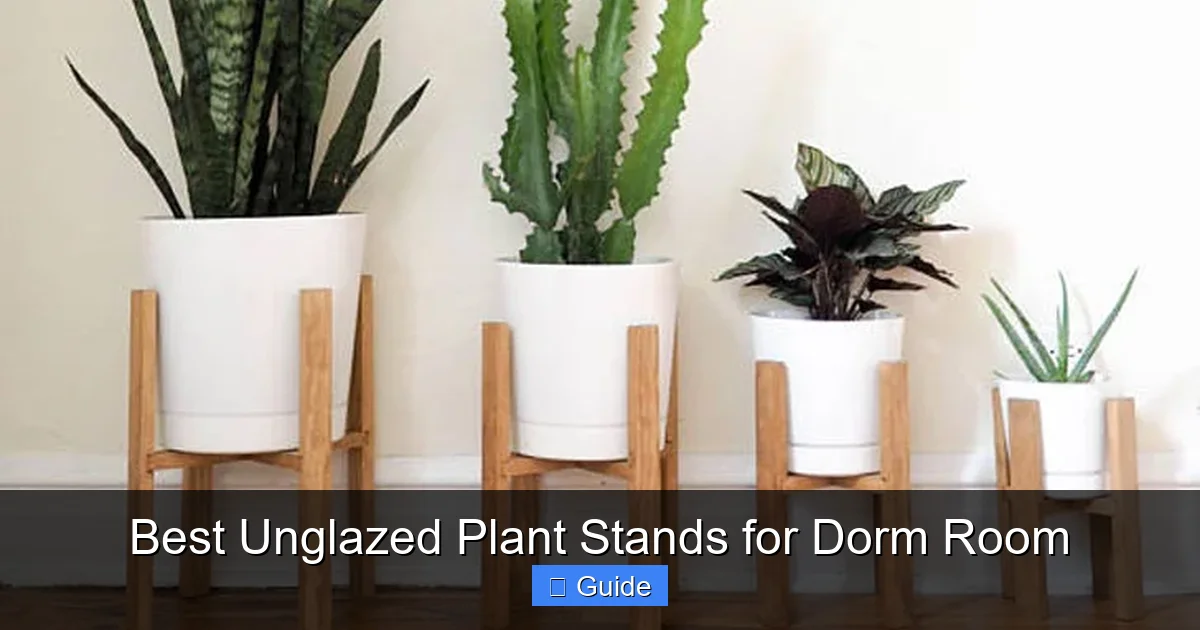
Visual guide about Best Unglazed Plant Stands for Dorm Room
Image source: awesomestuff365.com
Terracotta and Clay
This is the classic choice. Terracotta is fired at a lower temperature, so it stays very porous. It wicks water fast, which is perfect for succulents, cacti, and snake plants. It is also usually the most affordable option. You can find simple terracotta pot feet or low risers for just a few dollars. The downside? It chips easily and can leave rust-colored rings on surfaces. Always use a saucer.
Unglazed Stoneware
Stoneware is fired hotter than terracotta. It is denser, heavier, and less porous, but still breathes better than glazed pots. It often comes in muted speckled tones like cream, gray, or charcoal. These stands feel more modern and durable. They resist chipping better than terracotta. The weight makes them stable for top-heavy plants like fiddle leaf figs or rubber trees.
Concrete and Cement Blends
Concrete stands are trendy for a reason. They are incredibly sturdy and have that cool industrial look. Many modern mixes include fiberglass or perlite to cut the weight down. Look for “fiber-clay” or “lightweight concrete” labels if you plan to move your stand often. Concrete is naturally alkaline, so it can raise soil pH over time. A quick liner or cache pot solves this.
Raw Wood and Bamboo
Wood stands bring warmth and a Scandinavian feel. Bamboo is lightweight, sustainable, and naturally resistant to moisture. Unfinished pine or oak works too, but you must seal the bottom feet with wax or a clear matte sealant. Otherwise, standing water will warp the wood. Slatted designs are best because they maximize airflow under the pot.
Unglazed Metal with Powder Coating
Some metal stands have a raw, unglazed ceramic insert sitting inside a powder-coated steel frame. You get the breathability of clay with the structure of metal. These are great for tiered stands. The frame adds height without bulk. Just make sure the ceramic insert is truly unglazed on the bottom.
Best Unglazed Plant Stand Styles for Small Spaces
Dorm rooms are small. Your stand needs to earn its keep. These styles maximize vertical space, tuck into corners, or do double duty.
Tiered Corner Shelves
A three-tier corner shelf turns dead space into a plant display. Look for narrow profiles, around twelve inches wide. Unglazed terracotta or stoneware shelves let each pot breathe. Stagger plant heights. Put a trailing pothos on top, a medium snake plant in the middle, and a low succulent bowl on the bottom. This style keeps the floor clear for your laundry basket.
Mid-Century Legged Stands
Three tapered wood legs with a round or square unglazed top. This lifts the plant off the desk or floor, improving air circulation underneath. It also makes cleaning easy. You can vacuum or mop right under it. Choose a stand with a slight lip on the top tray to catch soil spills. Walnut or bamboo legs with a terracotta tray look expensive but cost under thirty dollars.
Modular Cube Systems
Wire or wood cube organizers are dorm staples. Swap the fabric bins for unglazed stoneware or concrete cubes. You can stack them, line them up, or turn them sideways. Each cube becomes a mini plant shelf. This is perfect if your plant collection grows. Just add another cube. Make sure the cubes have open backs or slats for airflow.
Hanging Macrame with Unglazed Pots
If floor and desk space are zero, go up. A macrame hanger with an unglazed terracotta pot saves every surface. Hang it from a ceiling hook (check dorm rules first) or a tension rod in the window. The pot breathes, the plant gets max light, and you get a boho vibe. Use a lightweight plastic saucer inside the pot so water does not drip on your roommate’s head.
Rolling Plant Caddies
A low rolling caddy with an unglazed stoneware tray lets you chase the sun. Morning light on the east wall? Roll it there. Afternoon study session? Roll it out of the way. Locking casters keep it stable. This is a lifesaver for heavy pots you cannot lift. Look for a caddy with a raised rim so soil does not spill when you move it.
Wall-Mounted Ledges
Command strips or small nails (if allowed) can hold a shallow unglazed ledge. A long rectangular stoneware tray mounted at eye level becomes a living art piece. Line it with small succulents in two-inch pots. The ledge breathes, the plants stay tidy, and you use zero floor space. Great for windowsills that are too narrow for pots.
How to Style Your Plant Stands in a Dorm Room
A stand is just furniture until you style it. Here is how to make your plant corner look intentional, not cluttered.
Group by Light Needs
Put high-light plants together on the stand nearest the window. Low-light tolerant plants like ZZ plants or pothos can go on the stand by your desk or bed. This makes watering easier too. You check the thirsty ones all at once.
Vary Heights and Textures
Mix tall, upright plants (snake plant) with bushy ones (peperomia) and trailers (string of hearts). Use the stand tiers to create layers. Put the tallest pot on the bottom shelf so it does not block light for the others. The contrast of rough terracotta, smooth stoneware, and green leaves looks curated.
Add a Personal Touch
Slip a small framed photo, a candle, or a cute air plant holder between pots. Keep it minimal. One non-plant item per shelf max. This stops the “jungle” look and makes it feel like your space.
Use Matching Saucers
Mismatched plastic saucers ruin the aesthetic. Buy a set of unglazed terracotta or stoneware saucers that match your stands. Or use clear acrylic saucers with cork bottoms. They disappear visually but protect surfaces. Cork also stops the stand from sliding on a desk.
Light It Up
A clip-on grow light on the top shelf of a tiered stand extends your growing options. Choose a warm white spectrum (3000K-4000K) so it doubles as a cozy reading light. Timer plugs automate the schedule. Your plants get twelve hours of light even during finals week.
Caring for Unglazed Plant Stands
Unglazed stands are low maintenance, but not zero maintenance. A little care keeps them looking good and working well.
Clean Mineral Buildup
Hard water leaves white crusty deposits on porous surfaces. Once a month, scrub the stand with a stiff brush and a 50/50 vinegar-water mix. Rinse well and let dry completely. This keeps the pores open so the stand keeps breathing.
Prevent Mold and Mildew
In humid dorms, green fuzz can grow on the outside of unglazed pots. Wipe it off with hydrogen peroxide or a diluted bleach solution (one part bleach to ten parts water). Increase airflow with a small fan. Space stands a few inches apart from walls.
Seal the Bottom (Optional)
If you hate water rings, brush a clear penetrating sealant on the bottom inch of the stand only. Do not seal the whole thing or you lose breathability. A matte concrete sealer or beeswax works. Reapply once a year.
Handle Chips and Cracks
Terracotta chips. It is part of the charm. Small chips are fine. Large cracks mean the stand might fail under a heavy wet pot. Epoxy the crack from the inside if you want to save it. Otherwise, repurpose it as a cache pot for a plastic nursery pot.
Seasonal Deep Clean
At semester break, take every plant off. Scrub stands with soapy water. Check for salt buildup inside the pot rim. Soak in vinegar water if needed. Dry in the sun. Your plants get a pest check at the same time. Win-win.
Budget-Friendly vs. Investment Pieces
You can spend ten dollars or two hundred. Both work. Here is how to decide.
Under $25: The Starter Kit
- Terracotta pot feet (set of 4) – $5
- Basic three-tier metal stand with terracotta trays – $20
- Unglazed terracotta saucers (6 pack) – $10
- DIY cinder block and board shelf – $15
These get the job done. They are light, replaceable, and perfect for a one-year dorm stay. Terracotta ages beautifully, developing a patina that looks intentional.
$25-$75: The Sweet Spot
- Mid-century legged stand with stoneware tray – $40
- Lightweight concrete tiered stand – $55
- Bamboo modular cubes (set of 4) – $60
- Rolling caddy with fiber-clay tray – $70
Better materials, better design. These survive moves and look good in your first apartment too. Stoneware and fiber-clay resist chips. Bamboo is surprisingly tough.
Over $75: Investment Quality
- Hand-thrown stoneware pedestal stand – $90
- Designer concrete modular system – $120+
- Custom welded steel frame with ceramic inserts – $150+
These are heirloom pieces. If you know plants are a lifelong hobby, buy one stand you love instead of five you tolerate. The craftsmanship shows. They hold heavy mature plants without wobbling.
Smart Splurge Strategy
Splurge on the stand for your largest, heaviest plant. It needs the most stability. Save on stands for small succulents or propagations. Mix price points. No one knows the terracotta saucer cost two dollars.
Common Mistakes to Avoid
Learn from the mistakes everyone makes first semester.
Skipping the Saucer
Water rings on a dorm desk can cost you your deposit. Always use a saucer. Double up with a cork mat under the saucer for extra insurance.
Blocking Airflow
Pushing a stand flush against the wall traps moisture. Leave a one-inch gap. Mold loves stagnant air. Your plant roots need that airflow too.
Overloading Tiered Stands
Check the weight limit. Three wet ten-inch pots are heavy. A flimsy metal stand will bow. When in doubt, put the heaviest pot on the bottom shelf or the floor.
Ignoring Drainage Holes
An unglazed stand cannot fix a pot with no drainage. Always use pots with holes. If your decorative pot has no hole, keep the plant in its nursery pot and set it inside. Empty the cache pot after watering.
Buying Too Big
Measure your window sill, desk, and floor space before ordering. A stand that sticks out into the walkway is a tripping hazard. Compact is king in a dorm.
Where to Shop for Unglazed Plant Stands
You have options beyond the campus bookstore.
Local Garden Centers
Best for seeing the real color and texture. Staff can recommend stands for your specific plants. You avoid shipping damage. Prices are often competitive on basics like terracotta.
Big Box Hardware Stores
Home Depot, Lowe’s, and similar stores carry concrete, stoneware, and metal stands. Good for mid-century styles and rolling caddies. Check the garden center aisle and the storage aisle.
Online Marketplaces
Etsy has amazing handmade stoneware and concrete stands from small makers. You get unique pieces. Filter by “ships from US” for faster delivery. Read reviews for weight and packaging quality.
IKEA and Target
Great for bamboo, metal, and affordable terracotta. The BITTERGURKA and SATSUMAS series are dorm legends. Stock varies by season. Shop early in fall semester.
Thrift Stores and Facebook Marketplace
Vintage plant stands are everywhere. Mid-century teak, wrought iron, old stoneware pedestals. Clean them well. You save money and keep furniture out of landfills.
Final Thoughts on Choosing Your Stand
Your dorm room is your home base. It should feel good. Plants make it feel alive. The right unglazed plant stand keeps those plants healthy and your surfaces safe. Start with one stand that fits your biggest plant and your brightest spot. Add more as you learn what thrives. Terracotta is the easiest entry point. Stoneware and concrete level up the look. Wood and bamboo add warmth. Tiered, legged, hanging, or rolling — pick the style that solves your space problem.
Remember the basics. Saucer always. Airflow always. Clean monthly. Do not overthink the aesthetic. A healthy plant on a cheap stand looks better than a dying plant on a designer one. You have got this. Your dorm jungle starts with one smart stand.
Frequently Asked Questions
Do unglazed plant stands work for all types of plants?
Unglazed stands work best for plants that prefer drier conditions like succulents, cacti, snake plants, and ZZ plants. They can work for tropical plants too, but you will need to water more frequently since the stand pulls moisture from the soil.
Will an unglazed stand ruin my carpet if it gets wet?
Yes, damp unglazed material can transfer moisture and minerals to carpet, causing stains or mildew. Always use a waterproof saucer and a plastic tray or cork mat underneath when placing stands on carpet.
Can I paint or seal an unglazed plant stand?
You can seal the bottom rim only with a penetrating matte sealer to prevent water rings. Do not paint or fully seal the stand, as this blocks the porosity that makes unglazed stands beneficial for plant health.
How long do terracotta plant stands last?
With basic care, terracotta stands last for years. They develop a natural patina over time. They can crack if dropped or exposed to freezing temperatures, but indoors in a dorm they are very durable.
Are tiered plant stands stable enough for heavy pots?
Metal-framed tiered stands with stoneware or concrete shelves are stable for heavy pots if you place the heaviest pot on the bottom shelf. Always check the manufacturer’s weight limit per shelf before loading.
What size saucer do I need for my unglazed plant stand?
Choose a saucer that is at least 1-2 inches wider than the pot’s base diameter. This catches overflow and protects the stand surface. For tiered stands, measure each shelf and buy saucers that fit with a small margin around the edge.