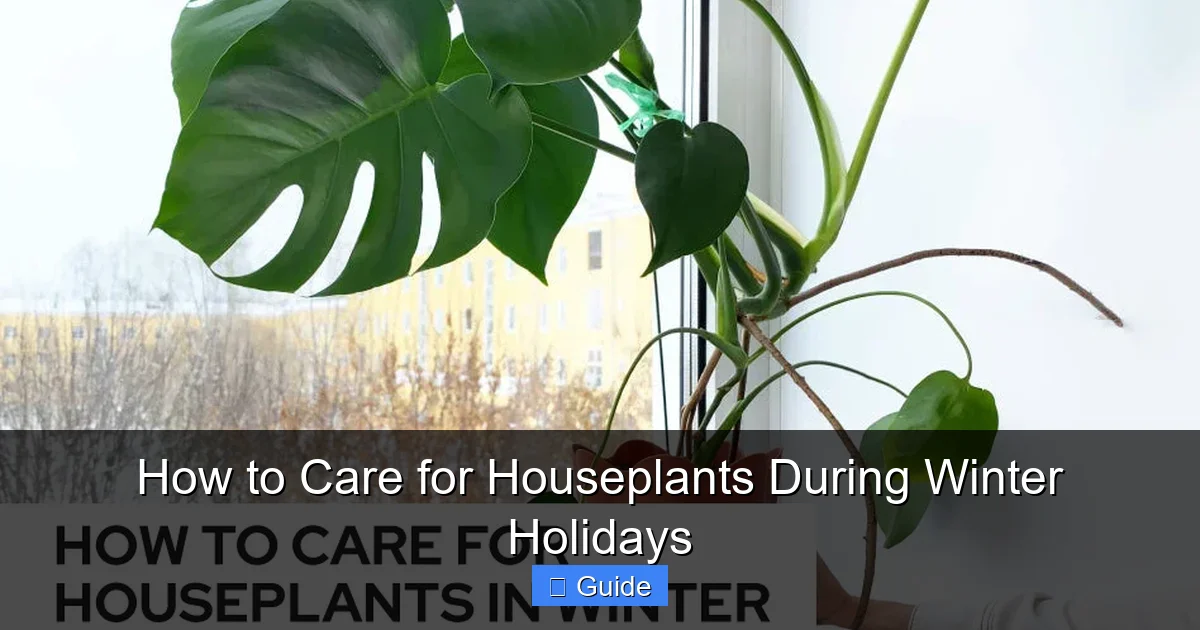
How to Care for Houseplants During Winter Holidays
Keep your houseplants thriving through the winter holiday season with simple adjustments to watering, lighting, and temperature. A little prep before you travel ensures you return to healthy, happy plants.
The winter holidays bring joy, gatherings, and often a packed travel schedule. But while you are decking the halls or visiting family, your houseplants are holding down the fort at home. Cold drafts, dry air from heaters, shorter days, and missed waterings can all take a toll. The good news? A few simple habits keep your green friends healthy until spring.
I have learned this the hard way. One January I came back from a two-week trip to find my favorite fiddle leaf fig dropping leaves like confetti. The soil was bone dry. The air was desert-dry. And the poor thing sat in a dark corner because I had moved it for the Christmas tree. Since then I treat winter plant care like a checklist. It works. And it takes less time than you think.
Key Takeaways
- Water less often: Most houseplants need less water in winter due to slower growth and lower light levels.
- Boost humidity: Dry indoor air from heating systems stresses tropical plants; use pebble trays or humidifiers.
- Move plants for light: Shorter days mean less light; place plants near south-facing windows or add grow lights.
- Avoid temperature swings: Keep plants away from cold drafts, fireplaces, and heating vents.
- Pause fertilizing: Most plants rest in winter; hold off on fertilizer until spring growth resumes.
- Prep before travel: Water thoroughly, group plants together, and use self-watering methods for trips over a week.
- Inspect for pests: Winter stress makes plants vulnerable; check leaves weekly for spider mites, mealybugs, and scale.
Quick Answers to Common Questions
How often should I water houseplants in winter?
Water only when the top 1-2 inches of soil feel dry. Most plants need water half as often as in summer. Check with your finger or a moisture meter rather than following a calendar schedule.
Do houseplants need fertilizer in winter?
No. Most houseplants rest in winter and cannot use fertilizer. Feeding now causes weak growth and salt buildup. Resume fertilizing in spring when you see new growth.
What is the best way to increase humidity for plants?
Run a humidifier to maintain 40-50% humidity. Group plants together on pebble trays with water. Misting alone is not effective enough for tropical plants.
Can I leave my plants for two weeks during holidays?
Yes. Water deeply before leaving, group plants in a bathtub or shower to raise humidity, and use self-watering spikes or capillary mats. For trips over two weeks, ask a friend to check them.
Why are my plant leaves turning brown and crispy at the edges?
Brown crispy edges usually mean low humidity or underwatering. Increase humidity with a humidifier or pebble tray, and check soil moisture more frequently. Keep plants away from heating vents.
📑 Table of Contents
- Understand How Winter Changes Plant Needs
- Adjust Your Watering Routine
- Maximize Light Exposure
- Manage Humidity and Temperature
- Pause Fertilizing and Repotting
- Prepare Plants for Holiday Travel
- Monitor for Winter Pests and Problems
- Special Care for Popular Holiday Plants
- Create a Simple Winter Care Routine
- Conclusion
Understand How Winter Changes Plant Needs
Plants feel the seasons even indoors. Light levels drop. Days get shorter. Heating systems run constantly. All of this shifts what your plants need. Most houseplants come from tropical or subtropical regions. They expect warmth, humidity, and consistent light. Winter indoors gives them none of those things naturally.
Growth Slows Down
Many houseplants enter a rest period in winter. You might see zero new leaves for months. That is normal. It does not mean the plant is dying. It means the plant is conserving energy. During this rest phase the plant uses less water and almost no nutrients. If you keep watering and feeding on a summer schedule you risk root rot and fertilizer burn.
Light Quality and Quantity Drop
The sun sits lower in the sky. Days are shorter. Cloud cover is more common. Even a bright south-facing window delivers less total light energy in December than in June. Plants that thrived on an east windowsill in summer may struggle in the same spot in January. You will need to adjust placement or supplement with artificial light.
Indoor Air Gets Very Dry
Forced-air heating strips moisture from the air. Indoor humidity can plummet to 20 percent or lower. Most tropical plants prefer 50 to 60 percent. Dry air causes crispy leaf edges, brown tips, and makes plants more susceptible to spider mites. This is often the biggest winter challenge.
Temperature Swings Stress Plants
Drafty windows, front doors opening for guests, fireplaces, and heating vents create microclimates. A plant near a door might get blasted with freezing air every few minutes. A plant above a vent gets hot dry air constantly. Both scenarios cause stress. Stable temperatures between 65 and 75 degrees Fahrenheit are ideal for most common houseplants.
Adjust Your Watering Routine
Watering is the number one way people kill houseplants in winter. The rules change. The schedule you used in July will drown roots in January.
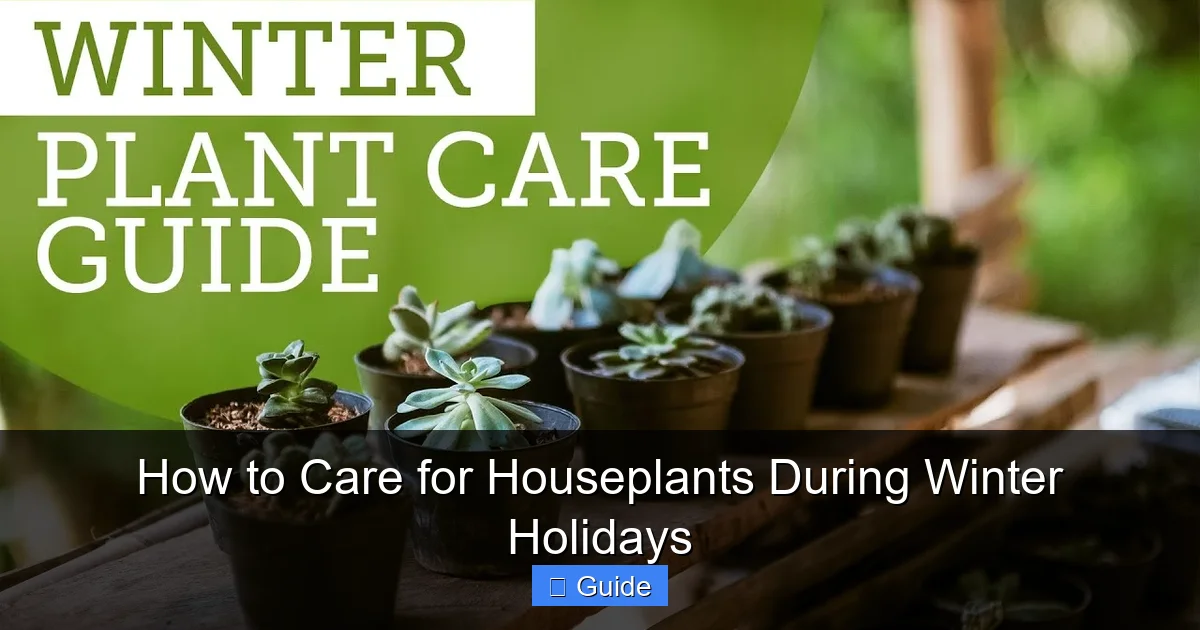
Visual guide about How to Care for Houseplants During Winter Holidays
Image source: i.ytimg.com
Check Before You Water
Never water on a fixed calendar schedule. Stick your finger into the soil up to the second knuckle. If it feels dry at that depth water. If it feels moist wait. For larger pots use a wooden chopstick or a moisture meter. Push it deep into the soil. Pull it out. If the stick comes out clean the soil is dry. If soil clings to it there is still moisture.
Water Deeply But Less Often
When you do water, water thoroughly. Run water through the pot until it flows out the drainage holes. This ensures the entire root ball gets moistened and flushes out any salt buildup. Then let the pot drain completely. Never let a plant sit in a saucer of water. Empty the saucer after ten minutes.
Use Room Temperature Water
Cold tap water shocks tropical roots. Fill your watering can the night before and let it sit overnight. This brings it to room temperature and lets chlorine dissipate. Your plants will thank you.
Know Your Plant Type
Succulents and cacti need even less water in winter. Some can go a month or more between drinks. Ferns and calatheas stay thirstier but still need less than in summer. Research each plant’s specific winter needs. A one-size-fits-all approach fails.
Signs of Overwatering vs Underwatering
Overwatered plants show yellowing lower leaves, mushy stems, fungus gnats, and a sour smell from the soil. Underwatered plants show crispy brown leaf edges, drooping that perks up after watering, and soil pulling away from the pot sides. Learn to read these signals.
Maximize Light Exposure
Light is food for plants. Winter cuts the calories. You need to make every photon count.
Move Plants to Brighter Windows
South-facing windows get the most winter sun. East windows get gentle morning light. West windows get strong afternoon light that can still scorch tender leaves. North windows get the least. Rotate your plants every week so all sides get equal light. This prevents leaning and lopsided growth.
Clean Your Windows and Leaves
Dusty windows block up to 20 percent of light. Dusty leaves block even more. Wipe leaves with a damp microfiber cloth every few weeks. Clean the inside and outside of windows at the start of the season. It makes a measurable difference.
Add Supplemental Grow Lights
If your windows just do not cut it, add LED grow lights. Full-spectrum LEDs are energy efficient and run cool. Clip-on gooseneck lights work for small collections. Panel lights work for shelves. Run lights 12 to 14 hours a day on a timer. Position lights 6 to 12 inches above foliage depending on intensity.
Watch for Etiolation
Etiolation is the fancy word for stretching. Stems get long and weak. Leaves get small and pale. Spacing between leaves increases. The plant is desperately reaching for light. If you see this move the plant closer to a window or add a grow light immediately.
Don’t Forget Low-Light Tolerant Plants
Snake plants, ZZ plants, pothos, and cast iron plants tolerate lower light. They still grow better with more light but they survive winter in dim corners. Use these for the tough spots. Save your prime window real estate for light-hungry plants like fiddle leaf figs, monsteras, and succulents.
Manage Humidity and Temperature
Dry air and temperature swings are silent killers. They weaken plants slowly. By the time you see damage the plant has been stressed for weeks.
Group Plants Together
Plants release moisture through transpiration. When you group them they create a microclimate of higher humidity around each other. Place humidity-loving plants like ferns, calatheas, and orchids together. Add a pebble tray underneath for extra effect.
Use Pebble Trays Correctly
Fill a shallow tray with pebbles. Add water until it sits just below the top of the pebbles. Set plant pots on the pebbles. The water evaporates up around the plants. The pots stay above the water line so roots do not rot. Refill as needed.
Run a Humidifier
A humidifier is the most effective way to raise room humidity. Aim for 40 to 50 percent. Run it in the room where most plants live. Clean it weekly to prevent mold and bacteria. Your skin and sinuses will benefit too.
Misting Is Not Enough
Misting feels satisfying but the effect lasts minutes. It can actually encourage fungal leaf spots if water sits on leaves too long. If you mist do it in the morning so leaves dry by night. Better to invest in a humidifier or pebble trays.
Keep Plants Away from Heat Sources
Radiators, heating vents, fireplaces, and space heaters blast hot dry air. This cooks leaves and destroys humidity. Keep at least three feet of clearance. If a plant must sit near a vent use a deflector to direct air away from foliage.
Protect from Cold Drafts
Entry doors, leaky windows, and uninsulated walls create cold pockets. Tropical plants can suffer cold damage below 50 degrees. Move plants away from doors that open frequently. Use draft stoppers. Close curtains at night to create a buffer zone.
Pause Fertilizing and Repotting
Winter is not the time for growth stimulation. Let plants rest.
Stop Fertilizing Most Plants
Fertilizer signals the plant to grow. In low light the plant cannot support that growth. The result is weak leggy stems and salt buildup in the soil. Stop fertilizing in late fall. Resume in early spring when you see new growth emerging. The only exceptions are plants actively flowering or growing under strong grow lights.
Flush the Soil If You Have Been Fertilizing
If you fertilized into early winter, flush the pots. Run plain water through the soil for several minutes. Let it drain fully. Repeat once more. This removes excess salts that can burn roots.
Hold Off on Repotting
Repotting stimulates root growth. In winter roots grow slowly. A freshly repotted plant sits in wet soil it cannot use. This invites root rot. Wait until spring unless the plant is severely root-bound and suffering. Even then, only go up one pot size.
Top-Dress Instead
If the soil level has dropped or looks tired, add a half-inch layer of fresh potting mix or worm castings on top. This refreshes nutrients without disturbing roots. Water it in gently.
Prepare Plants for Holiday Travel
Leaving for a week or two? Your plants can survive with a little prep. I have kept collections alive for three weeks using these methods.
Water Thoroughly Before You Leave
Give every plant a deep soak the morning of your departure. Let them drain completely. This buys you several days of moisture buffer.
Group Plants in the Bathtub or Shower
Move all portable plants to the bathroom. Group them close together on the tub floor or a large tray. The enclosed space holds humidity. The lack of direct light slows their metabolism. They use less water. This works surprisingly well for up to two weeks.
Use Self-Watering Spikes or Globes
Terracotta spikes attached to wine bottles or plastic globes work for medium to large pots. Test them a week before you leave to make sure the flow rate matches your plant’s needs. Some release water too fast. Some clog. Know before you go.
Try the Capillary Mat Method
Lay a capillary mat (or thick felt) on a waterproof surface. Place one end in a reservoir of water. Set pots on the mat. The mat wicks water up into the drainage holes. This keeps soil evenly moist for weeks. Great for seedling trays and small pots.
DIY Plastic Bag Greenhouse
For small humidity-loving plants, water well, then cover the whole pot with a clear plastic bag. Use stakes to keep the bag off the leaves. Seal with a twist tie. Poke a few tiny holes for air exchange. Place in bright indirect light. This creates a mini terrarium that can last a month.
Enlist a Plant Sitter
If you are gone more than two weeks, ask a neighbor or friend. Leave written instructions with photos. Show them how to check soil moisture. Mark pots that need water with a colored stick. Make it foolproof.
Move Plants Away from Windows
While you are gone, pull plants back from cold window glass. A few feet into the room buffers temperature swings. They get less light but they also lose less water. It is a good tradeoff for short trips.
Monitor for Winter Pests and Problems
Stressed plants attract pests. Dry air favors spider mites. Low light weakens defenses. Catch issues early.
Inspect Weekly
Make it a Sunday ritual. Check undersides of leaves. Look along stems. Check the soil surface. Use a flashlight. Spider mites show as tiny moving dots and fine webbing. Mealybugs look like white cotton. Scale looks like small brown bumps. Fungus gnats fly up when you water.
Quarantine New Plants
Holiday gift plants are pest highways. Keep any new plant isolated for two weeks. Inspect daily. Treat preventatively with neem oil or insecticidal soap before introducing to your collection.
Treat Early and Gently
At first sign of pests, shower the plant with lukewarm water to knock off bugs. Then spray with neem oil or insecticidal soap. Repeat weekly for three weeks. Consistency beats intensity. Do not use harsh chemicals indoors.
Watch for Fungal Issues
Powdery mildew looks like white dust on leaves. Botrytis looks like gray fuzz. Both thrive in stagnant humid air. Improve air circulation with a small fan on low. Remove affected leaves. Avoid wetting foliage when watering.
Leaf Drop Is Often Normal
Some leaf drop in winter is expected. Older lower leaves yellow and fall as the plant adjusts to lower light. If the plant is otherwise firm and putting out occasional new growth, do not panic. Only worry if drop is rapid, affects new growth, or comes with mushy stems.
Special Care for Popular Holiday Plants
Poinsettias, Christmas cacti, amaryllis, and Norfolk pines show up in stores every December. They need specific care to last past January.
Poinsettias
Poinsettias hate cold. Never leave them in a cold car. Keep them at 65 to 70 degrees. Water when the surface feels dry. Do not let them sit in foil wrappers full of water. Poke holes in the foil or remove it. Bright indirect light keeps the bracts colorful. They can live for years and rebloom with a strict light manipulation in fall.
Christmas Cactus
Despite the name, this is a jungle cactus. It wants humidity and even moisture. Water when the top inch is dry. Cool nights (55 to 60 degrees) and long dark periods (14 hours) trigger bud set. Once buds form do not move the plant. Bud drop happens from drafts, dry soil, or sudden temperature changes.
Amaryllis
Plant the bulb with the top third exposed. Water sparingly until growth appears. Then water regularly. Stake the flower stalk early. After blooming cut the stalk but keep the leaves. Grow it like a houseplant all summer. In fall stop watering and let it go dormant for 8 to 10 weeks. Then restart the cycle.
Norfolk Island Pine
This is not a true pine. It is a tropical conifer. It needs bright light, high humidity, and consistent moisture. Brown needle tips mean dry air. It hates being moved. Pick a spot and leave it. It can grow into a large floor plant over years.
Cyclamen
Cyclamen like it cool (50 to 65 degrees) and bright. Water from the bottom by setting the pot in a saucer of water for 20 minutes. Keep the crown dry. After flowering the leaves yellow. This is dormancy. Stop watering. Store the pot cool and dry until fall. Then repot and restart.
Create a Simple Winter Care Routine
Consistency beats heroics. A five-minute weekly habit saves hours of rescue work.
Weekly Checklist
- Check soil moisture on every plant.
- Water only those that need it.
- Rotate each plant a quarter turn.
- Wipe dusty leaves.
- Inspect for pests.
- Empty saucers.
- Check humidifier water level.
Monthly Checklist
- Clean windows inside and out.
- Flush pots if you see white crust on soil.
- Prune dead or yellowing leaves.
- Check grow light timers.
- Assess plant placement for seasonal sun angle changes.
Keep a Plant Journal
A simple notebook or phone note works. Record watering dates, fertilizing dates, repotting dates, pest treatments, and observations. Patterns emerge. You learn what each plant wants. Next winter you will be ready.
Conclusion
Winter holidays do not have to mean plant casualties. The secret is working with the season not against it. Water less. Boost light. Add humidity. Stabilize temperature. Pause fertilizer. Prep for travel. Watch for pests. That is the whole formula.
Your plants want to live. They are resilient. A fiddle leaf fig that drops half its leaves in January can push out glorious new growth by May. A Christmas cactus that loses buds this year can bloom spectacularly next December. Trust the process. Trust the plants.
Start this weekend. Pick one thing from this guide and do it. Move a plant to a brighter window. Set up a pebble tray. Order a humidifier. Check the soil before you water. Small actions compound. By spring your jungle will be stronger than ever.
And when you walk in the door after holiday travel to find your plants perky and green, you will feel that quiet pride. You kept them alive. You helped them thrive. That is what plant care is all about.
Frequently Asked Questions
Should I repot my houseplants in winter?
Avoid repotting in winter unless absolutely necessary. Plants are dormant and roots grow slowly, so fresh soil stays wet too long and causes root rot. Wait until spring when active growth resumes.
How do I know if my plant is getting enough light in winter?
Watch for stretching (long weak stems with wide gaps between leaves), small pale new leaves, or leaning toward the window. If you see these signs, move the plant closer to a south-facing window or add a grow light.
Is it okay to use cold tap water on houseplants?
Cold water shocks tropical roots. Fill your watering can the night before and let it sit at room temperature. This also allows chlorine to dissipate, which benefits sensitive plants.
What temperature is too cold for houseplants?
Most tropical houseplants suffer below 50°F (10°C). Keep them away from drafty doors, single-pane windows, and unheated rooms. Ideal range is 65-75°F (18-24°C) during the day, not below 60°F at night.
How do I get rid of fungus gnats in winter?
Let the top inch of soil dry out completely between waterings. Fungus gnat larvae need moist soil. Add a half-inch layer of sand or diatomaceous earth on top. Yellow sticky traps catch adults. Avoid overwatering.
Can I put my houseplants outside on warm winter days?
No. Sudden temperature changes shock plants. Even a 60°F day can have cold wind or intense sun that burns leaves adapted to indoor conditions. Keep plants indoors until spring nights stay consistently above 55°F.