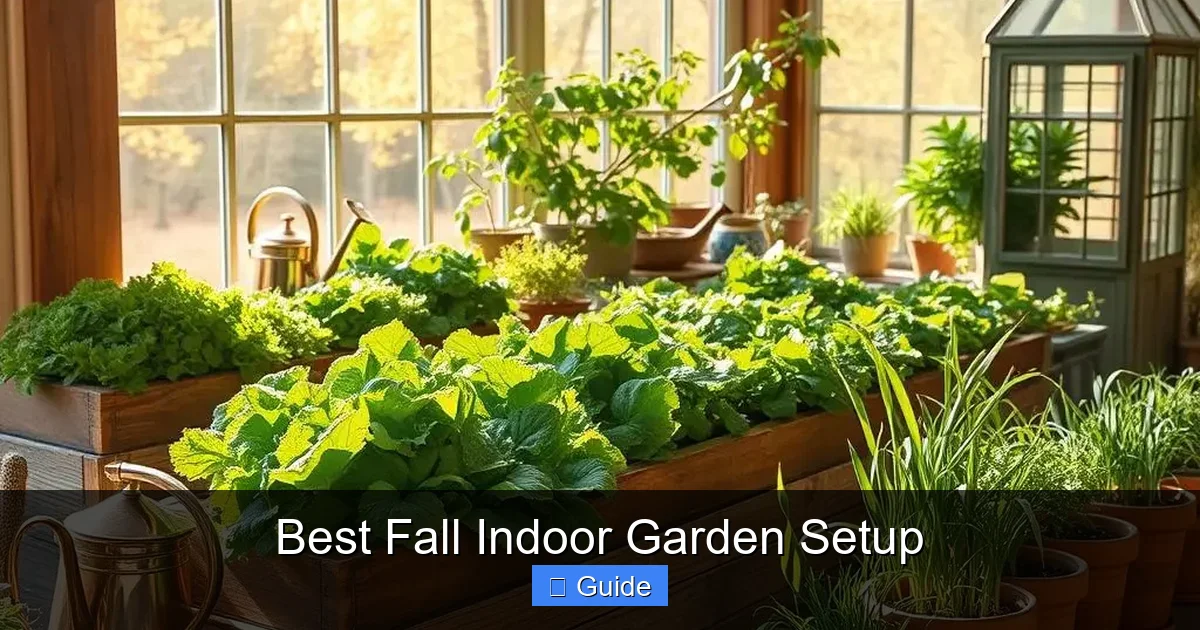
Best Fall Indoor Garden Setup
Creating a thriving indoor garden in autumn is simple when you choose the right lights, containers, and cold‑tolerant plants. Follow these steps to enjoy fresh herbs, leafy greens, and even small fruits all season long.
When the days get shorter and the air turns crisp, many gardeners think the growing season is over. A well‑planned best fall indoor garden setup lets you keep harvesting fresh produce right from your kitchen. You do not need a greenhouse or a huge budget to succeed. With a few smart choices you can enjoy herbs, greens, and even tiny fruits all winter long.
Start by picking a bright corner or a spare shelf that stays above 60°F. Light is the single most important factor for any indoor garden. If natural sunlight is limited, a quality grow light will fill the gap. Temperature stability and a bit of humidity round out the basics for a thriving space.
This guide walks you through every step of building a best fall indoor garden setup that fits your home and lifestyle. You will learn how to choose the right location, select the best lights, pick cold‑hardy plants, mix soil, manage water, and keep pests away. By the end you will have a clear action plan you can start today.
Key Takeaways
- Lighting: Provide 12‑14 hours of full‑spectrum light daily.
- Temperature: Keep the room between 65‑75°F for most crops.
- Humidity: Aim for 40‑60% relative humidity using a humidifier or pebble trays.
- Plant selection: Choose cold‑tolerant herbs, leafy greens, and dwarf fruiting varieties.
- Watering schedule: Water when the top inch of soil feels dry; avoid soggy roots.
- Soil mix: Use a light, well‑draining mix with compost and perlite.
- Maintenance: Prune, fertilize lightly, and scout for pests weekly.
Quick Answers to Common Questions
What is the best fall indoor garden setup for beginners?
A simple shelf with a full‑spectrum LED, a few herb pots, and a timer makes an easy starter kit.
How many hours of light do indoor fall plants need?
Most crops thrive with 12‑14 hours of light each day.
Can I grow tomatoes indoors in autumn?
Yes, dwarf varieties like ‘Tiny Tim’ produce fruit under strong LEDs and warm temperatures.
What humidity level is ideal for an indoor fall garden?
Aim for 40‑60% relative humidity to keep leaves healthy.
How often should I fertilize my indoor fall crops?
Feed with half‑strength liquid fertilizer every two weeks during active growth.
📑 Table of Contents
- Choosing the Right Space for Your Best Fall Indoor Garden Setup
- Lighting Essentials for a Successful Best Fall Indoor Garden Setup
- Selecting Plants That Thrive in Autumn Indoors
- Soil, Containers, and Watering Strategies
- Managing Humidity, Airflow, and Temperature
- Ongoing Care: Feeding, Pruning, and Pest Control
- Harvesting and Enjoying Your Indoor Bounty
Choosing the Right Space for Your Best Fall Indoor Garden Setup
Before you buy any equipment, look at the rooms you have available. A south‑facing window gives the most free light, but east or west windows work too. Measure the square footage you can dedicate to pots and trays. Even a narrow windowsill can hold a row of herb pots if you use vertical space.
Assessing Light Availability
Place a light meter or a smartphone app on the chosen spot at noon. Note the foot‑candles or lux reading. Most leafy greens need at least 200 µmol·m⁻²·s⁻¹ for steady growth. If the reading falls short, plan to add a full‑spectrum LED panel. This step ensures your best fall indoor garden setup gets the energy it needs.
Rotate pots every few days so each side receives equal light. This simple habit prevents leggy stems and uneven yields. A small reflective board behind the plants can bounce extra photons back onto the foliage.
Evaluating Temperature and Drafts
Use a digital thermometer to track day and night temperatures for a week. Ideal range for most autumn crops is 65‑75°F. Avoid spots near heating vents, exterior doors, or drafty windows. Sudden temperature swings stress plants and slow growth.
If the area runs cool, a small space heater with a thermostat can keep the zone steady. Keep the heater at a safe distance from foliage to prevent leaf scorch. Consistent warmth is a cornerstone of any successful best fall indoor garden setup.
Space‑Saving Layout Ideas
Stackable shelf units let you grow multiple layers without expanding floor space. Use lightweight fabric pots on the upper shelves and heavier ceramic containers on the bottom. Label each shelf with the crop name and planting date for easy tracking.
Consider a rolling cart if you need to move the garden for cleaning or to chase a better light angle. Mobility adds flexibility and makes routine care less of a chore.
Lighting Essentials for a Successful Best Fall Indoor Garden Setup
Light drives photosynthesis, so getting the spectrum and duration right is critical. Full‑spectrum LEDs mimic sunlight and run cool, making them perfect for indoor use. Aim for a fixture that delivers at least 30 W per square foot of canopy.
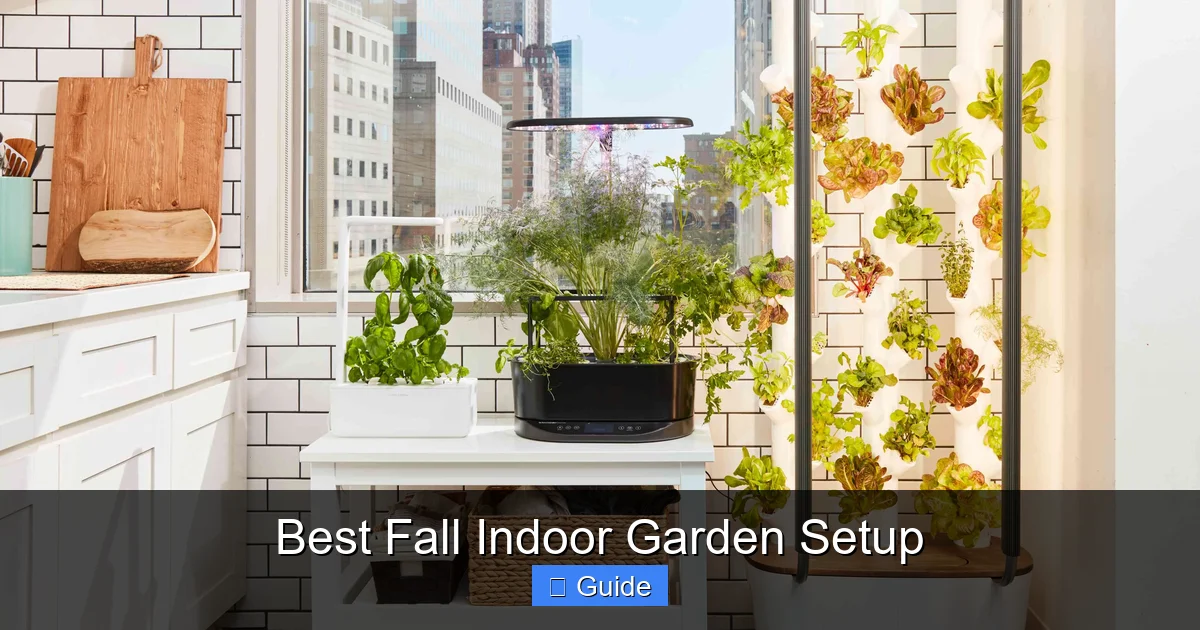
Visual guide about Best Fall Indoor Garden Setup
Image source: thespruce.com
Types of Grow Lights
LED panels, T5 fluorescent tubes, and ceramic metal halide lamps are the most common choices. LEDs offer the best energy efficiency and longest lifespan. Choose a model with adjustable intensity so you can dim for seedlings and boost for mature plants.
Look for a light that covers both blue (400‑500 nm) and red (600‑700 nm) wavelengths. Blue encourages compact vegetative growth, while red promotes flowering and fruiting. A balanced spectrum supports the whole life cycle of your best fall indoor garden setup.
Setting Up Light Schedules
Most autumn crops thrive on 12‑14 hours of light followed by 10‑12 hours of darkness. Plug the fixture into a programmable timer to automate the cycle. Consistency prevents plants from stretching or bolting prematurely.
During the first two weeks after sowing, you can run lights for 16 hours to speed germination. Then taper back to the standard schedule. A reliable timer is a low‑cost investment that pays off in uniform growth.
Positioning Lights for Even Coverage
Hang the light 12‑18 inches above the tallest leaves. Use adjustable hangers or a light‑stand so you can raise the fixture as plants grow. Keep the canopy flat by pruning the tops of taller specimens.
If you have multiple shelves, install a separate light for each level. Overlap the light footprints slightly to avoid dark gaps. Even illumination across the whole best fall indoor garden setup yields higher total harvests.
Selecting Plants That Thrive in Autumn Indoors
Not every vegetable likes the cooler, shorter days of fall. Focus on varieties bred for low light and temperature tolerance. Herbs, leafy greens, and dwarf fruiting types give the best return on effort.
Herbs That Love Cool Weather
Parsley, cilantro, chives, and mint all perform well at 60‑70°F. They also tolerate lower light levels better than basil or rosemary. Plant each herb in its own pot to prevent aggressive spread, especially mint.
Harvest leaves regularly to encourage new growth. A snip‑and‑come‑again approach keeps the plants bushy and productive throughout the season.
Leafy Greens for Continuous Harvest
Spinach, arugula, kale, and lettuce varieties such as ‘Winter Density’ grow fast and can be cut multiple times. Choose cut‑and‑come‑again types so you can harvest outer leaves while the center keeps producing.
Sow seeds every two weeks for a staggered supply. This succession planting ensures you always have fresh salad material on hand.
Compact Fruiting Varieties
Dwarf tomato ‘Tiny Tim’, patio pepper ‘Mini Bell’, and strawberry ‘Albion’ fit in 1‑gallon containers. They need a bit more light and warmth, so place them on the top shelf under the strongest LEDs.
Pollinate by gently shaking the plants or using a small brush to transfer pollen. Hand pollination compensates for the lack of insects indoors.
Soil, Containers, and Watering Strategies
A good growing medium holds moisture yet drains excess water quickly. Heavy garden soil compacts in pots and leads to root rot. A custom mix gives you control over texture and nutrition.
Best Soil Mixes for Indoor Autumn Crops
Combine one part high‑quality peat‑based potting mix, one part compost, and one part perlite or coarse sand. This blend stays airy, retains nutrients, and prevents waterlogging. Add a slow‑release organic fertilizer at planting time for a steady nutrient baseline.
Test the pH with a simple meter; aim for 6.0‑6.5. Adjust with lime or sulfur if needed. Proper pH lets roots absorb minerals efficiently.
Container Sizes and Drainage
Match pot volume to plant size. Herbs do fine in 4‑inch pots, while dwarf tomatoes need at least 1‑gallon containers. Every pot must have drainage holes; add a saucer to catch runoff.
Elevate containers on pot feet or a wire rack to improve airflow beneath the root zone. Good drainage is a non‑negotiable part of any best fall indoor garden setup.
Watering Techniques to Prevent Root Rot
Water when the top inch of soil feels dry to the touch. Use a narrow‑spout watering can to target the base of each plant, avoiding wet foliage. Allow excess water to drain fully before returning the pot to its saucer.
Consider a self‑watering insert for busy weeks. These reservoirs keep moisture consistent without oversaturating the root zone.
Managing Humidity, Airflow, and Temperature
Indoor heating strips moisture from the air, creating a desert for tropical‑origin plants. Raising humidity and moving air prevents fungal problems and keeps stomata functioning.
Boosting Humidity Without Mold
Place a shallow tray filled with pebbles and water beneath the pots. As water evaporates, humidity rises around the canopy. A small ultrasonic humidifier set to 45% works well for larger setups.
Mist leaves lightly in the morning, but avoid evening misting which can encourage powdery mildew. Monitor with a hygrometer to stay in the 40‑60% sweet spot.
Ensuring Good Air Circulation
A low‑speed clip fan positioned to blow across the tops of plants strengthens stems and reduces disease pressure. Run the fan for 15 minutes every hour during the light period.
Keep the fan away from direct drafts on seedlings. Gentle movement mimics outdoor breezes and promotes transpiration.
Using Thermostats and Heaters Safely
Plug any supplemental heater into a thermostat‑controlled outlet. Set the target temperature to 68°F. The heater will cycle only when needed, saving energy and preventing overheating.
Place a fire‑resistant mat under the heater and keep flammable materials clear. Safety first ensures your best fall indoor garden setup runs all season without incident.
Ongoing Care: Feeding, Pruning, and Pest Control
Regular maintenance keeps plants productive and prevents small issues from becoming big problems. A simple weekly checklist can be done in ten minutes.
Fertilizing Schedule for Fall Growth
Apply a diluted liquid fertilizer (half strength) every two weeks during active growth. Switch to a low‑nitrogen formula once fruiting begins to encourage ripening over leaf production.
Top‑dress with a handful of worm castings monthly for a slow nutrient release. Organic amendments improve soil biology over time.
Pruning for Bushier Plants
Pinch off the growing tip of herbs and greens once they reach 6‑8 inches. This triggers lateral branching and a fuller canopy. Remove any yellow or damaged leaves promptly.
For dwarf tomatoes, prune suckers below the first flower cluster. This directs energy to fruit set rather than excess foliage.
Organic Pest Management Tips
Inspect leaves daily for aphids, spider mites, or whiteflies. A strong spray of water dislodges many pests. Follow with neem oil or insecticidal soap if infestations persist.
Introduce beneficial insects like ladybird beetles if you have a larger setup. They provide ongoing biological control without chemicals.
Harvesting and Enjoying Your Indoor Bounty
The reward of a best fall indoor garden setup is fresh flavor on your plate. Knowing when and how to harvest maximizes yield and quality.
When to Pick Herbs and Greens
Snip herb stems just above a leaf node; the plant will regrow from that point. For leafy greens, cut outer leaves when they reach 3‑4 inches, leaving the central rosette intact.
Harvest in the morning after the lights have been on for a few hours. Plants are most turgid then, giving crisp texture.
Storing Fresh Produce
Wrap herbs in a damp paper towel and place them in a perforated bag in the refrigerator. Greens stay fresh up to a week this way. Tomatoes and peppers keep best at room temperature out of direct sun.
For longer storage, blanch greens for 30 seconds and freeze in airtight containers. Frozen herbs retain flavor for months.
Creative Ways to Use Your Harvest
Toss fresh arugula into a warm pasta dish, blend cilantro into a zesty pesto, or top a homemade pizza with dwarf tomato slices. The possibilities are endless and far tastier than store‑bought.
Share excess with neighbors or preserve as herb‑infused oils. Community sharing spreads the joy of indoor gardening.
Building a best fall indoor garden setup is a rewarding project that brings fresh food into your home when outdoor gardens sleep. By choosing the right space, lighting, plants, soil, and care routine you create a resilient mini‑ecosystem. Start small, learn as you go, and enjoy the green glow all autumn and winter.
Frequently Asked Questions
Do I need a special grow light for a fall indoor garden?
A full‑spectrum LED designed for plants provides the right wavelengths and intensity for autumn crops.
What containers work best for indoor autumn vegetables?
Fabric pots with good drainage and appropriate size for each plant type work well.
How do I prevent fungal diseases in a humid indoor garden?
Maintain airflow with a fan, avoid overhead watering, and keep humidity below 60%.
Can I reuse soil from summer containers for fall planting?
Refresh used soil with compost and perlite, and sterilize if disease was present.
What are the signs that my plants need more light?
Leggy stems, pale leaves, and slow growth indicate insufficient light.
Is it possible to grow root vegetables indoors during fall?
Short‑root varieties like radishes and baby carrots can succeed in deep containers with loose soil.