Decorative Pots for Orchid
Choosing the right decorative pots for orchid plants is crucial for their health and blooming success. This guide covers everything from materials and drainage to styling tips, helping you select containers that provide proper airflow while enhancing your home decor.
Orchids are unlike any other houseplant. They don’t grow in soil. They cling to trees in the wild. Their roots need air. They need light. They need perfect drainage. Put them in a standard pot with regular dirt and they will die. Fast. That is why choosing the right decorative pots for orchid plants is one of the most important decisions you will make as an orchid grower.
I learned this the hard way. My first phalaenopsis came in a clear plastic pot with lots of holes. It looked ugly. I wanted something pretty. I put it in a sealed ceramic cachepot with no drainage. The roots rotted within weeks. The leaves went limp. The flowers dropped. I was heartbroken. That mistake taught me everything I needed to know about orchid containers. Now I want to share that knowledge with you so your orchids thrive and look stunning at the same time.
Key Takeaways
- Drainage is non-negotiable: Orchids need pots with ample holes to prevent root rot and mimic their natural epiphytic growing conditions.
- Clear pots offer advantages: Transparent containers let you monitor root health and allow light to reach photosynthetic roots.
- Material affects moisture retention: Terracotta wicks away excess water while ceramic and plastic retain moisture longer.
- Size matters more than aesthetics: Choose pots that fit the root system snugly rather than oversized decorative containers.
- Double potting works beautifully: Place a functional grow pot inside a decorative cachepot for style without sacrificing plant health.
- Airflow prevents disease: Side ventilation holes or slotted designs promote air circulation around roots, reducing fungal issues.
- Repotting timing is key: Only repot when roots overflow or media breaks down, typically every one to two years after blooming.
Quick Answers to Common Questions
Can I plant an orchid directly in a decorative pot without drainage holes?
No, never plant an orchid directly in a pot without drainage holes. Orchids need excellent drainage and airflow around their roots. Without holes, water pools at the bottom causing rapid root rot. Always use a pot with multiple drainage holes or use the cachepot method with a functional liner pot inside.
Why are clear pots recommended for orchids?
Clear pots allow you to monitor root health easily and let light reach the roots for photosynthesis. Orchid roots contain chlorophyll and contribute to the plant’s energy production. Clear pots also help you determine when to water by showing the moisture level in the media.
What size pot should I choose for my orchid?
Choose a pot that fits the root mass snugly with about one inch of space around the roots. Orchids prefer being slightly root-bound and bloom better in tighter pots. A pot that is too large holds excess moisture and leads to root rot.
How often should I repot my orchid?
Repot every one to two years, typically after blooming when new roots begin to grow. Also repot if the potting media breaks down, becomes compacted, or if roots are growing over the pot edges. Never repot while the orchid is in full bloom.
Can I use regular potting soil for orchids?
Absolutely not. Regular potting soil retains too much water and suffocates orchid roots. Orchids need a specialized mix of bark, sphagnum moss, perlite, charcoal, or coconut husk that provides rapid drainage and excellent airflow around the roots.
📑 Table of Contents
- Why Orchids Need Special Pots
- Types of Decorative Pots for Orchid
- Materials Matter: Choosing the Right Pot
- Drainage and Airflow Essentials
- Sizing Your Orchid Pot Correctly
- Styling Tips for Your Orchid Display
- Common Mistakes to Avoid
- Caring for Orchids in Decorative Pots
- Repotting Step by Step
- Budget Friendly Options
- Advanced Tips for Experienced Growers
- Conclusion
Why Orchids Need Special Pots
Orchids are epiphytes. In nature they grow on tree branches. Their roots are exposed to wind and rain. They dry out quickly between waterings. They photosynthesize through their roots. That is why clear pots work so well. Light reaches the roots. You can see the root health at a glance. Green roots mean happy plant. Silver roots mean thirsty plant. Brown mushy roots mean trouble.
Regular houseplant pots hold water. They have one hole at the bottom. That is a death sentence for orchids. Water pools at the bottom. Roots sit in soggy media. Fungus takes over. Rot spreads fast. Before you know it the plant is gone. Decorative pots for orchid growing must solve this problem. They need multiple drainage holes. They need side ventilation. They need to mimic the airy conditions of a tree branch.
The Epiphytic Lifestyle
Understanding how orchids grow in the wild changes everything. They don’t sit in soil. Their roots wrap around bark. Rain washes over them. Then they dry. This wet dry cycle is essential. It triggers blooming. It keeps roots healthy. Your pot must recreate this cycle. That means fast drainage. Excellent airflow. Quick drying media. The container is not just a holder. It is part of the growing system.
Root Photosynthesis
Orchid roots contain chlorophyll. They make energy from light. This is unique among common houseplants. Clear pots let light reach the roots. Opaque pots block it. If you choose a solid colored pot you lose this benefit. The plant still grows but not as vigorously. Many growers use clear liner pots inside decorative outer pots. This gives you the best of both worlds. Pretty container. Healthy roots.
Types of Decorative Pots for Orchid
The market offers many styles. Each has pros and cons. Your choice depends on your environment. Your watering habits. Your aesthetic preferences. Let me walk you through the main categories so you can decide what works for your space.
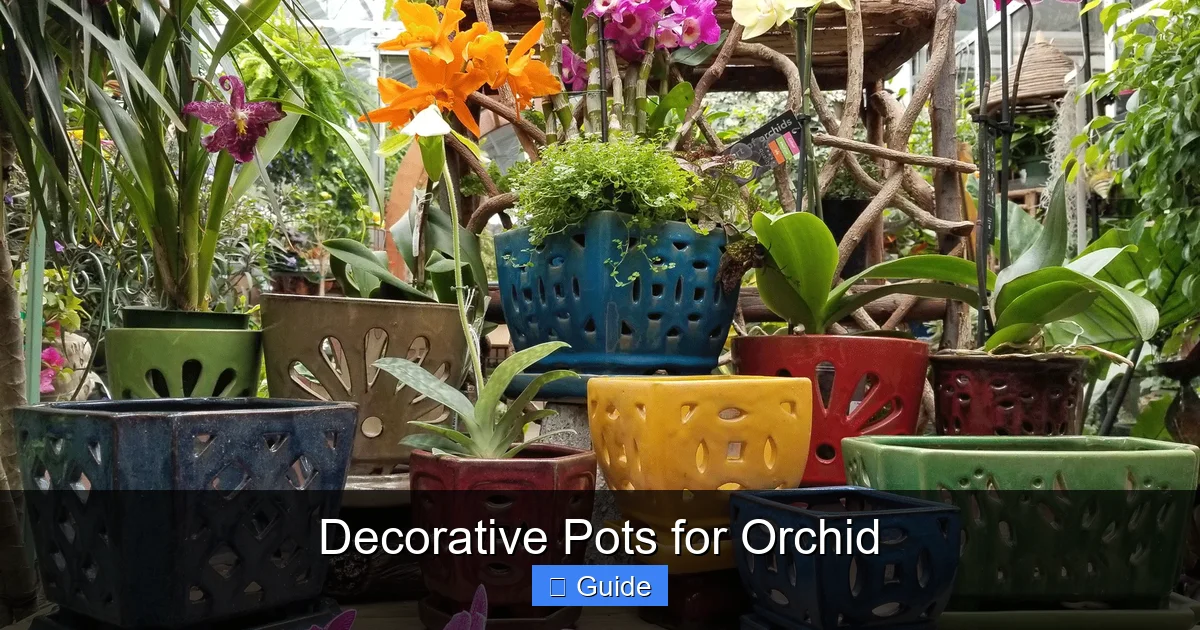
Visual guide about Decorative Pots for Orchid
Image source: m.media-amazon.com
Clear Plastic Pots with Slots
These are the gold standard for serious growers. They have holes on the bottom and slots up the sides. Maximum airflow. Maximum drainage. You see every root. You know exactly when to water. They are lightweight. Inexpensive. Durable. They come in standard sizes. They fit perfectly inside cachepots. Many have raised bottoms. This creates an air gap. Water never touches the base of the pot. Brilliant design.
Terracotta Orchid Pots
Terracotta is porous. It wicks moisture from the media. Roots get air through the clay walls. This prevents overwatering. It is great for humid climates. Or for heavy handed waterers. The downside? They dry out fast. You water more often. Salt builds up on the outside. They break if dropped. Roots stick to the rough interior. Repotting can damage roots. Soak the pot first to loosen them.
Ceramic Orchid Pots
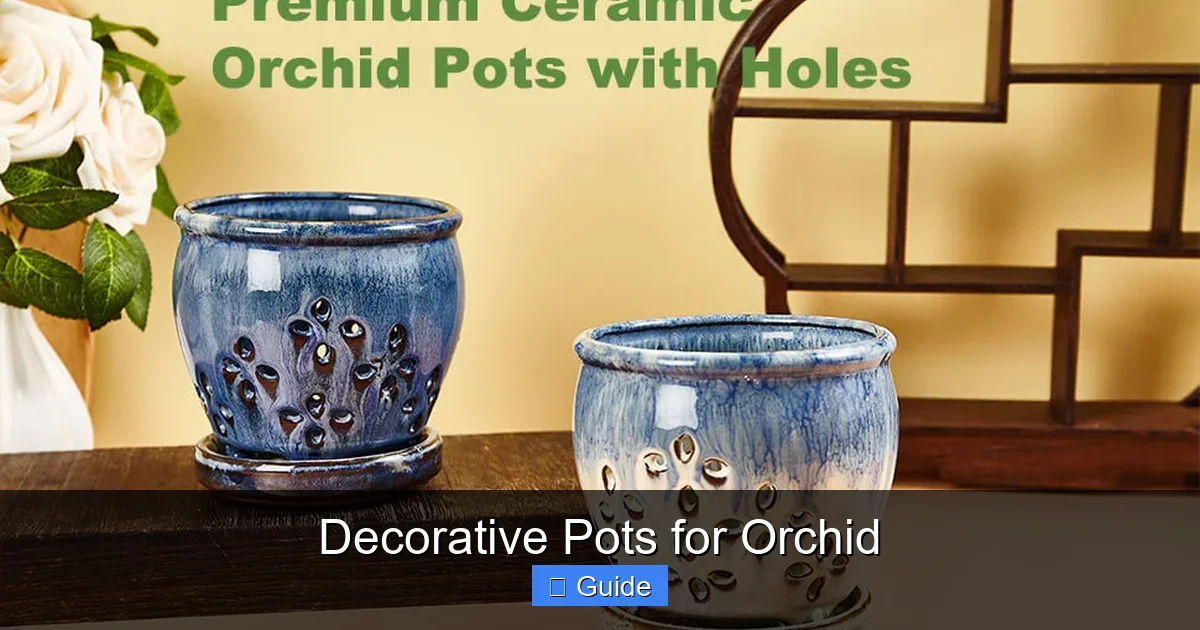
Glazed ceramic holds moisture longer. Less frequent watering. Beautiful colors and patterns. Heavy and stable. Great for top heavy blooming plants. But drainage varies. Some have one hole. Some have many. Side holes are rare. You often need to drill extra holes. Or use as a cachepot. The weight makes them hard to move. But they look gorgeous on a shelf.
Mesh and Net Pots
These look like little baskets. Maximum airflow. Roots grow right through the holes. Great for mounted culture simulation. Media dries incredibly fast. Perfect for humid greenhouses. Terrible for dry homes. You water constantly. They are ugly alone. But inside a decorative pot they work well. Many vandaceous orchids love these.
Wooden Baskets and Mounts
Not a pot at all. But a container option. Wooden slat baskets. Teak. Cedar. Redwood. They last years. Roots attach to the wood. Incredible airflow. Very natural look. Heavy when wet. Need sturdy hanging hardware. Media falls through gaps. Use sphagnum or large bark. These are for dedicated growers. They make a statement.
Self Watering Orchid Pots
These have a reservoir. A wick pulls water up. Sounds convenient. But orchids hate wet feet. Constant moisture causes rot. Some growers modify them. They let the reservoir dry completely between refills. I avoid them. The risk is too high. If you travel often they might work. But test carefully first.
Materials Matter: Choosing the Right Pot
Material changes everything. It affects temperature. Moisture retention. Weight. Durability. Cost. Let me break down the most common materials so you can match them to your growing conditions.
Plastic: The Practical Choice
Plastic is the most common material for good reason. It is lightweight. Cheap. Unbreakable. Comes in every size. Clear plastic lets you monitor roots. Colored plastic blocks light. Slotted sides add airflow. Plastic does not breathe. Moisture only leaves through holes. This means you control the drying rate with your media choice. Use chunky bark for fast drying. Add sphagnum for moisture retention. Plastic pots are the easiest to customize.
Clay and Terracotta: The Breathable Choice
Unglazed clay breathes. Water evaporates through the walls. This cools the roots. Great for hot climates. Prevents soggy media. But it also pulls fertilizer salts. White crust forms on the outside. This can burn roots touching the walls. Flush pots monthly. Soak before repotting. Clay is heavy. Good for stability. Bad for moving. It breaks. But many growers swear by it for difficult species.
Ceramic and Glazed: The Decorative Choice
Glazed ceramic is non porous. Holds water like plastic. But heavier. Prettier. Often sold as cachepots. No drainage holes. You must drill them. Or use a liner pot. The glaze prevents salt buildup. Easy to clean. Colors match your decor. But if the glaze chips the clay underneath absorbs water. Check for cracks. Large ceramic pots are expensive. But they last forever.
Glass: The Display Choice
Glass pots and vases look elegant. You see the roots. You see the media. Water level is visible. But glass has no drainage. No airflow. No breathability. It traps heat. Roots cook in sun. Condensation builds up. Fungus loves it. Only use glass for short term display. Or with a very fast drying mix. And very careful watering. I use glass only for photography. Then back to plastic.
Fabric and Felt: The Modern Choice
Fabric pots are new to orchids. They breathe extremely well. Roots air prune. No circling roots. Excellent drainage. Lightweight. Fold flat for storage. But they dry incredibly fast. Daily watering in summer. They look utilitarian. Not decorative. But inside a pretty basket they work. Some have handles. Easy to move. Good for seasonal outdoor growing.
Drainage and Airflow Essentials
This is the heart of orchid success. Without drainage and airflow your orchid will die. Period. No amount of beauty compensates for rot. Let me explain exactly what to look for and how to modify pots that fall short.
Bottom Drainage Requirements
One hole is not enough. You need multiple holes. At least four. Eight is better. Holes should be large. Half inch minimum. Cover them with mesh. Not rocks. Not shards. Mesh keeps media in. Let’s water out. Raised feet help. They create an air gap under the pot. Water drains completely. No standing water. Ever. Check holes regularly. Roots can clog them. Clear them with a chopstick.
Side Ventilation Benefits
Side holes or slots are game changers. Air moves through the media. Roots get oxygen. Media dries evenly. No wet center. Dry edges. This mimics nature perfectly. Slotted pots dry faster. You water more often. But roots are healthier. Stronger. More resistant to pests. If your pot lacks side holes you can drill them. Use a step bit. Go slow. Plastic drills easily. Ceramic needs a diamond bit. Wear safety glasses.
The Cachepot Method
This is my favorite technique. Use a functional slotted clear pot as the inner liner. Place it inside a beautiful decorative outer pot. The outer pot has no holes. It catches water. It matches your decor. The inner pot does the work. Roots get air. You see root health. When watering lift the inner pot. Let it drain completely. Put it back. No mess. No risk. Infinite style options. Swap outer pots with seasons. Your orchid never knows.
Elevation and Air Gaps
Never let the pot sit in water. Not in a saucer. Not in a cachepot. Use pot feet. Pebbles. A rack. Anything that lifts the bottom. Air must circulate under the pot. This prevents salt buildup. Prevents roots growing out the bottom into standing water. Prevents fungus gnats. A simple trivet works. Or specialized pot feet. They cost pennies. They save plants.
Sizing Your Orchid Pot Correctly
Orchids like tight shoes. Really. They bloom better when slightly root bound. A pot too large holds too much media. Media stays wet too long. Roots rot. The plant sulks. Choose a pot that fits the root mass. Not the leaf span. Not your aesthetic. The roots.
Measuring Root Mass
Remove the orchid from its current pot. Gently shake off old media. Look at the roots. Healthy roots are firm. White or green. Spread them out. That is the size you need. The new pot should accommodate those roots with maybe one inch of space around. No more. If roots are few and damaged go smaller. Not larger. Small pot encourages new root growth. Large pot encourages rot.
Standard Pot Sizes
Orchid pots come in standard sizes. Three inch. Four inch. Five inch. Six inch. Eight inch. Ten inch. These refer to the top diameter. The height is usually similar. A four inch pot is four inches tall roughly. Match the pot to the root mass. Most phalaenopsis fit in four to six inch pots. Cattleyas need wider shallower pots. Vandaceous need baskets. Miniatures need tiny pots.
When to Size Up
Only size up when roots are literally bursting out. Climbing over the rim. Cracking the pot. Or when media has broken down completely. Usually every one to two years. After blooming is best. New roots grow into fresh media. Do not size up because the plant looks top heavy. Stake the spike instead. Do not size up because you found a pretty pot. Use the cachepot method.
Specialty Shapes for Specialty Orchids
Some orchids need special shapes. Cattleyas grow horizontally. They need wide shallow pots. Or baskets. Phalaenopsis grow vertically. Standard round pots work. Paphiopedilums have hairy roots. They like deeper pots. More moisture retention. Vandaceous need almost no pot. Just a basket. Or a mount. Know your orchid type. Match the pot to the growth habit.
Styling Tips for Your Orchid Display
Function first. Beauty second. But you can have both. The cachepot method unlocks endless possibilities. Let me share some styling ideas that keep plants healthy and homes beautiful.
Choosing Cachepots That Work
The outer pot must be wider than the inner pot. At least one inch clearance on all sides. This allows air flow. It makes removal easy. The cachepot should be tall enough. The inner pot should not sit on the bottom. Use pebbles or a saucer upside down to lift it. Drainage water must not touch the inner pot bottom. Measure your liner pot. Shop with dimensions in mind.
Material and Color Coordination
Ceramic cachepots come in every color. Matte. Glossy. Textured. Metallic. Match your room. Or contrast for pop. White shows off green leaves. Black makes flowers pop. Terracotta feels earthy. Metallic adds glamour. Group three cachepots in varying heights. Same color family. Different textures. Instant designer look. The orchids love the humidity from grouping.
Creative Container Ideas
Think beyond traditional pots. Vintage tins. Drilled teacups. Wooden boxes with plastic liners. Glass jars with drainage layers. Concrete planters. Woven baskets with plastic inserts. Seashells for miniatures. Hollow logs. The key is always drainage. Always a liner. Always airflow. Get creative. But never compromise the roots.
Seasonal Styling
Swap cachepots with seasons. Pastels for spring. Bright ceramics for summer. Warm metallics for fall. Deep glazes for winter. Holiday themes for celebrations. The orchid stays in its functional liner. Zero stress. Maximum impact. Your decor stays fresh. Your orchid stays happy. Win win.
Display Height and Light
Place orchids where they get proper light. East windows. South with sheer curtain. Not in dark corners no matter how pretty the pot. Use plant stands. Tiered shelves. Hanging macrame. Wall mounted planters. Elevate them. Group them. Create a focal point. But light comes first. A beautiful pot in wrong light grows a dead orchid.
Common Mistakes to Avoid
I have made them all. So you don’t have to. These are the pitfalls that kill orchids. Learn them. Avoid them. Your plants will thank you.
Choosing Looks Over Function
That gorgeous sealed ceramic pot? It will kill your orchid. The trendy glass vase? Death trap. The cute teacup with no holes? Rot city. Always prioritize drainage. Always prioritize airflow. Use the cachepot method if you must have that specific container. But never plant directly in a non draining pot. Never.
Overpotting
Bigger is not better. Orchids hate swimming in media. Large pots stay wet too long. Roots suffocate. Growth stalls. Blooming stops. Fit the pot to the roots. Not the leaves. Not your wishful thinking. When in doubt go smaller. You can always repot sooner. You cannot undo rot.
Ignoring Root Health
Opaque pots hide problems. You don’t see rot until leaves yellow. Clear pots show you everything. Check roots weekly. Green and firm is good. Silver and wrinkled means water. Brown and mushy means emergency. Black means fungus. Early detection saves plants. Clear liners make this easy even in decorative cachepots.
Using Regular Potting Soil
This is the number one killer. Orchids do not grow in dirt. Soil suffocates roots. It holds too much water. It breaks down into mud. Use orchid bark. Sphagnum moss. Coconut husk. Perlite. Charcoal. Or mixes of these. Never garden soil. Never houseplant mix. Never compost. The media must drain instantly. Dry fast. Breathe always.
Letting Pots Sit in Water
Saucers are not reservoirs. Cachepots are not aquariums. Empty them. Always. Within thirty minutes of watering. Standing water wicks back up. Roots rot from the bottom. Fungus gnats breed. Salts concentrate. Elevate pots. Use pot feet. Dump saucers. Check cachepots. This one habit prevents ninety percent of problems.
Repotting at the Wrong Time
Do not repot in bloom. Do not repot in winter dormancy. Do not repot when stressed. Repot after blooming. When new roots emerge. When new growth starts. Spring is usually ideal. The plant has energy to recover. New roots establish fast. Wrong timing sets the plant back months. Or kills it.
Caring for Orchids in Decorative Pots
The pot is just the beginning. Daily care makes the difference. Watering. Fertilizing. Humidity. Light. All interact with your pot choice. Let me cover the essentials.
Watering Techniques
Water the media. Not the leaves. Not the crown. Crown rot kills fast. Take the liner to the sink. Run tepid water through. Let it drain completely. Weigh the pot. Learn the dry weight. Learn the wet weight. Lift to check. Don’t guess. Don’t schedule. Water when light. Not when calendar says. Morning is best. Leaves dry by night.
Fertilizing in Containers
Weakly weekly. Quarter strength. Every watering. Or half strength every other week. Flush with plain water monthly. Salts build up in pots. Especially clay. Especially with hard water. White crust means flush now. Roots burn otherwise. Fertilize only active growth. Not during rest. Not during bloom spike initiation.
Humidity Management
Orchids want fifty to seventy percent humidity. Homes are often thirty percent. Group plants. Use humidity trays. Pebbles and water. Pot sits above water. Not in it. Evaporation raises local humidity. Misting helps briefly. But promotes fungus if air stagnates. Air movement is crucial. A small fan on low. Always.
Light Requirements by Pot Type
Clear pots allow root photosynthesis. Place them where roots get indirect light. Not direct sun. Roots burn too. Opaque pots block root light. Leaves need more light to compensate. South or east window. Sheer curtain for south. Watch leaf color. Dark green means more light. Yellow green means too much. Red edges mean perfect.
Repotting Step by Step
Repotting scares beginners. It shouldn’t. It is routine maintenance. Like changing sheets. Here is the simple process.
Gather Supplies
New pot. Fresh media. Sterile scissors. Gloves. Newspaper. Cinnamon powder. Labels. Pen. Bucket for soaking media. Have everything ready. Do not stop mid process to find things. Roots dry fast. Work quickly but gently.
Remove and Clean
Squeeze the pot to loosen. Tip upside down. Tap gently. Roots stick to clay. Soak ten minutes if needed. Never yank. Shake off old media. Pick out stuck pieces. Rinse roots in tepid water. Inspect every root. Cut dead ones. Brown. Mushy. Hollow. Stringy. Keep only firm white green roots. Dust cuts with cinnamon. Natural fungicide.
Position and Fill
Hold plant in new pot. Base of leaves at rim level. Roots spread naturally. Not crammed. Not folded. Pour media around. Tap pot to settle. Do not pack tight. Air spaces are good. Top dress with sphagnum if desired. Holds moisture at top. Looks neat. Label the pot. Date. Name.
Aftercare
No water for three to five days. Let cuts heal. High humidity. Low light. No fertilizer for a month. Watch for new root tips. Green nubs at base. That means success. Resume normal care. The plant may sulk a week. Then explode with growth.
Budget Friendly Options
You don’t need expensive pots. Orchids don’t know brands. They know drainage. Airflow. Fit. Here are cheap solutions that work beautifully.
Repurposed Containers
Clear plastic cups. Drill holes. Yogurt containers. Drill holes. Berry clamshells. Already have holes. Salad containers. Drill holes. Takeout soup containers. Drill holes. Any food safe plastic works. Free. Functional. Ugly? Put in a cachepot. Nobody knows.
DIY Slotted Pots
Buy cheap nursery pots. Use a soldering iron. Melt slots up the sides. Two rows. Staggered. Instant orchid pot. Costs pennies. Customize slot size. Customize number. Make them for friends. Great gift with an orchid.
Thrift Store Finds
Ceramic bowls. Glass vases. Metal tins. Wooden boxes. Baskets. All make great cachepots. Drill drainage if planting directly. Or use liners. Unique shapes. Vintage charm. Fraction of retail price. Wash well. Check for lead paint on old ceramics. Don’t use if unsure.
Bulk Buying
Online packs of clear slotted pots. Ten for ten dollars. Hundred for fifty. Standard sizes. Always have spares. Repot anytime. Share with orchid friends. Split shipping. The serious grower way.
Advanced Tips for Experienced Growers
Once you master basics you can experiment. These techniques push growth further. But only try after consistent success with standard methods.
Semi Hydroponics
LECA clay pebbles. No organic media. Reservoir at bottom. Wick pulls water up. Constant moisture. Constant air. Incredible root growth. Less frequent watering. But steep learning curve. pH monitoring. Fertilizer precision. Flushing schedule. Not for beginners. But revolutionary for some.
Mounting on Cork or Wood
No pot at all. Roots attach to mount. Daily misting. High humidity. Very natural. Stunning display. But high maintenance. Vacation impossible without automation. Best for dedicated hobbyists. Greenhouse conditions ideal.
Pot in Pot Culture
Small pot inside larger pot. Gap filled with damp sphagnum. Increases humidity. Cools roots. Buffers temperature. Great for hot dry climates. Or cool growing species in warm homes. Double the pots. Double the beauty potential.
Custom 3D Printed Pots
Design your own. Perfect slots. Perfect feet. Perfect size. Your exact specifications. Print in PETG. Food safe. UV resistant. Endless customization. The future is here. Many files free online. Or design in Tinkercad.
Conclusion
Choosing decorative pots for orchid plants is not about finding the prettiest container on the shelf. It is about understanding what orchid roots need to thrive. Drainage. Airflow. Proper size. Light access. When you meet these needs the plant rewards you with spectacular blooms year after year.
The cachepot method gives you total freedom. Keep the orchid in a functional clear slotted liner. Dress it up in any decorative outer pot that catches your eye. Swap them with seasons. Match your mood. Your decor. Your style. The orchid never knows the difference. It just knows it has perfect conditions.
Remember my first orchid? The one I killed in a sealed ceramic pot? I replaced it. Put the new one in a clear slotted liner inside that same ceramic pot. That orchid bloomed three times the first year. It is still blooming five years later. The pot didn’t change. The method did. That is the secret. Function inside. Beauty outside. Happy roots. Happy grower.
Start with one orchid. One clear slotted pot. One pretty cachepot. Learn the weight. Learn the roots. Learn the rhythm. Then add another. And another. Before you know it you have a collection. A hobby. A passion. All because you chose the right pot. Welcome to the addiction. It is a beautiful one.
Frequently Asked Questions
What is the best material for decorative pots for orchid growing?
Clear slotted plastic pots are the best functional choice for orchid health because they provide maximum drainage, airflow, and root visibility. For decorative appeal, use these as liners inside ceramic, glass, or decorative cachepots that match your home decor.
How do I know when to water my orchid in a decorative pot?
Lift the inner liner pot to check its weight. A light pot indicates dry media and the need for water. In clear pots, you can also see condensation on the walls when moist, and silver-gray roots when dry. Green roots indicate adequate moisture.
Can I drill drainage holes in a ceramic decorative pot?
Yes, you can drill drainage holes in ceramic pots using a diamond-tipped drill bit. Drill slowly with water lubrication to prevent cracking. Add multiple holes (at least 4-8) for proper drainage. Always wear safety glasses and work on a stable surface.
Why are my orchid roots growing out of the pot holes?
Roots growing out of drainage holes indicate a healthy, actively growing orchid. This is normal behavior. You can leave them alone, gently tuck them back during repotting, or move to a slightly larger pot if the root mass has significantly outgrown the current container.
Should I put rocks or gravel at the bottom of my orchid pot for drainage?
No, do not use rocks or gravel at the bottom of orchid pots. This creates a perched water table that actually worsens drainage and keeps roots wetter. Instead, use a well-draining orchid mix and ensure the pot has adequate drainage holes.
Can I use a self-watering pot for my orchid?
Self-watering pots are generally not recommended for orchids because they keep the media constantly moist, which leads to root rot. Orchids need a distinct wet-dry cycle. If you must use one, allow the reservoir to dry completely between refills and monitor roots closely.