Best Ladder Pots for Bonsai
Choosing the best ladder pots for bonsai means balancing drainage, size, and material to match your tree’s needs. Our guide highlights top models, key features, and practical care tips so you can grow healthy, beautiful bonsai with confidence.
Key Takeaways
- Drainage is critical: Ladder pots provide multiple holes that prevent waterlogging and root rot.
- Material matters: Ceramic, plastic, wood, fabric, and metal each offer distinct benefits for different climates.
- Size matches species: A pot too large slows growth; a pot too small stresses roots.
- Aeration boosts health: The stepped design improves airflow around the root zone.
- Budget and longevity: Invest in durable pots for long‑term trees; cheaper options work for beginners.
- Seasonal care changes: Adjust watering and soil mix as temperatures shift.
- Avoid common mistakes: Over‑potting, ignoring drainage, and using wrong soil are the top errors.
Quick Answers to Common Questions
What makes ladder pots better than regular pots?
Ladder pots provide multiple drainage levels and improved airflow, which promote healthier root systems.
Which material is best for a beginner?
Plastic ladder pots are lightweight, affordable, and durable, making them ideal for beginners.
How often should I repot a bonsai in a ladder pot?
Repot every one to two years, or when roots fill the pot, typically in early spring.
Can I use a ladder pot indoors?
Yes, wooden or ceramic ladder pots work well indoors if you manage humidity and light.
Do ladder pots need a saucer?
A saucer catches excess water and protects surfaces, especially for indoor display.
📑 Table of Contents
Why Ladder Pots Matter for Bonsai
Ladder pots are a popular choice among bonsai enthusiasts. The stepped design creates multiple drainage levels. This structure helps water move away from the root ball quickly. Good drainage reduces the risk of root rot. It also encourages healthy root branching. Many growers consider the best ladder pots for bonsai essential for long‑term success.
Improved Airflow
Air moves freely through the gaps between each step. Roots receive oxygen from all sides. Oxygen is vital for respiration and nutrient uptake. Better airflow leads to stronger, more vigorous trees.
Better Drainage
Each tier has its own drainage holes. Excess water exits at several points. This prevents water from pooling at the bottom. Consistent drainage keeps the soil moist but not soggy.
Root Development
Roots naturally follow the path of least resistance. The ladder shape guides roots downward and outward. This creates a balanced root system. A balanced root system supports a stable trunk and canopy.
Key Features to Look For
When shopping for the best ladder pots for bonsai, focus on a few core features. These features determine how well the pot performs in your specific environment.
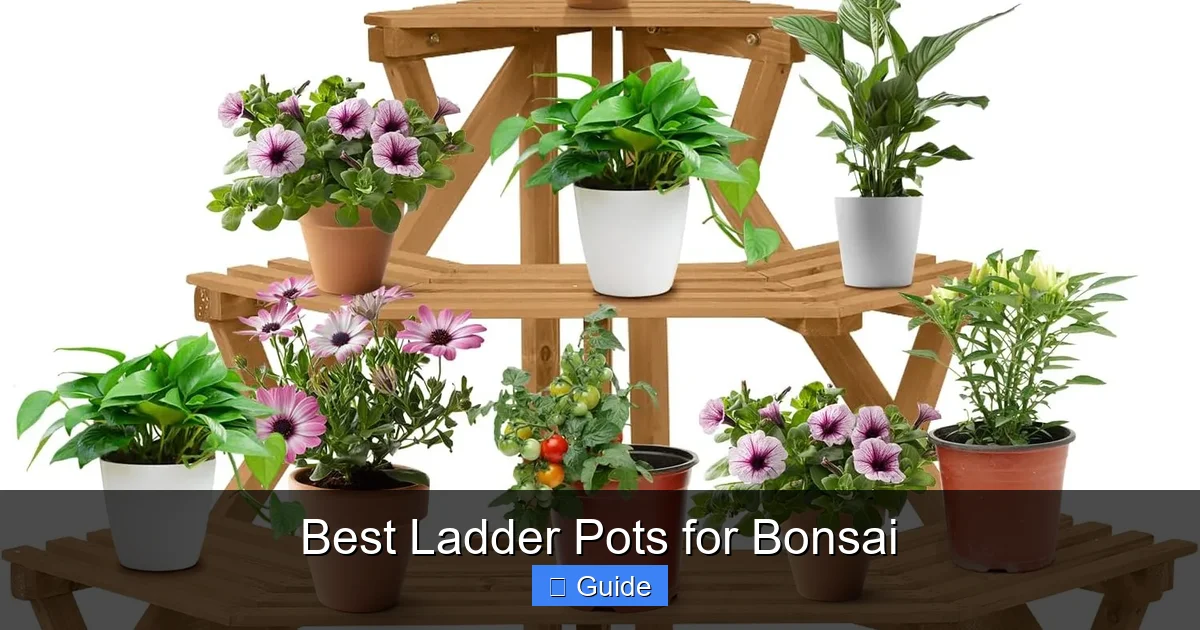
Visual guide about Best Ladder Pots for Bonsai
Image source: m.media-amazon.com
Material Options
Ceramic pots are heavy and retain moisture longer. Plastic pots are lightweight and inexpensive. Wooden pots give a natural look but may decay over time. Fabric pots provide excellent aeration and are easy to store. Metal pots add a modern aesthetic but can heat up in direct sun.
Size and Depth
Choose a pot that matches the trunk diameter. A general rule is pot width equals trunk width times two. Depth should allow at least two inches of soil below the root flare. Proper sizing prevents both over‑potting and under‑potting.
Drainage Hole Design
Look for multiple holes on each tier. Holes should be at least a quarter inch wide. Some pots include mesh screens to keep soil from washing out. Good hole design ensures rapid water exit.
Aesthetic Style
Bonsai is an art form. The pot should complement the tree’s style. Traditional Japanese pots often feature subtle glazes. Modern designs may use bold colors or geometric shapes. Pick a style that enhances the overall composition.
Top 5 Best Ladder Pots for Bonsai in 2024
Below are five highly rated options. Each has been tested by hobbyists and professionals alike. They represent the best ladder pots for bonsai across different budgets and preferences.
1. Ceramic Ladder Pot – Classic Elegance
This pot features a glazed finish in earth tones. It weighs about three pounds, providing stability. The five tiers each have three drainage holes. Ideal for temperate climates where moisture retention is beneficial.
2. Plastic Ladder Pot – Lightweight Durability
Made from UV‑resistant polypropylene. Weighs less than one pound. Six tiers with four holes each. Perfect for beginners who move trees frequently. Low cost makes it easy to replace if damaged.
3. Wooden Ladder Pot – Natural Look
Constructed from sustainably sourced cedar. Four tiers with natural wood grain. Includes a removable liner for easy cleaning. Best for indoor display where humidity is controlled.
4. Fabric Ladder Pot – Superior Aeration
Breathable geotextile fabric with five steps. Roots air‑prune naturally, preventing circling. Very light and foldable for storage. Excellent for hot, dry regions where airflow is critical.
5. Metal Ladder Pot – Modern Edge
Powder‑coated aluminum with three wide tiers. Sleek matte black finish. Drainage holes are laser‑cut for precision. Heats quickly, so use in shaded areas or with a saucer.
How to Choose the Right Ladder Pot for Your Bonsai
Matching the pot to your tree involves several considerations. Follow these steps to narrow down the best ladder pots for bonsai for your collection.
Match Pot to Tree Species
Conifers like pine prefer deeper pots with good drainage. Deciduous trees such as maple thrive in slightly wider, shallower pots. Tropical species need pots that retain a bit more moisture. Research your species before buying.
Consider Climate and Watering Habits
In rainy areas, choose pots with many large holes. In arid zones, select pots that hold water a little longer, like ceramic or wood. If you water daily, a fast‑draining pot works well. If you water weekly, a slower‑draining pot may be better.
Budget and Longevity
Plastic pots cost under ten dollars and last a few seasons. Ceramic and metal pots cost more but can last decades. Fabric pots are mid‑range and replaceable. Decide how long you plan to keep the tree in the same pot.
Planting and Care Tips for Ladder Pots
Proper planting sets the stage for healthy growth. Follow these practical tips each time you repot.
Preparing the Pot
Clean the pot with mild soap and water. Rinse thoroughly. Place a layer of coarse gravel or mesh over the drainage holes. This prevents soil loss while keeping holes clear.
Soil Mix Recommendations
Use a well‑draining bonsai mix. A common blend is akadama, pumice, and lava rock in equal parts. Adjust ratios based on species. Add a slow‑release fertilizer pellet for steady nutrition.
Watering Techniques
Water until it flows out of the lowest tier. Allow the top inch of soil to dry before the next watering. In hot weather, check twice daily. In cool weather, reduce frequency.
Seasonal Maintenance
Spring: repot if roots fill the pot. Summer: protect. Autumn: reduce feeding. Winter: protect from freezing if outdoors. Inspect drainage holes each season for blockages.
Common Mistakes to Avoid
Even experienced growers make errors. Awareness helps you keep your bonsai thriving.
Over‑potting
Putting a small tree in a huge pot leads to soggy soil. Roots cannot absorb all the moisture. This causes rot and slow growth. Always size the pot to the current root mass.
Ignoring Drainage
Blocking holes with soil or debris stops water flow. Check holes after each watering. Clear any obstructions immediately.
Using Wrong Soil
Regular garden soil compacts and retains too much water. Bonsai soil must be granular and fast‑draining. Invest in a quality mix or make your own.
Conclusion
Selecting the best ladder pots for bonsai is a blend of science and art. Focus on drainage, material, size, and style. Match the pot to your tree species and local climate. Follow proper planting and seasonal care routines. Avoid common pitfalls like over‑potting and poor drainage. With the right pot and consistent care, your bonsai will flourish for years to come.
Frequently Asked Questions
What size ladder pot do I need for a 2‑inch trunk bonsai?
Choose a pot about 4 inches wide and 3 inches deep to give roots room without over‑potting.
Are fabric ladder pots suitable for all climates?
Fabric pots excel in hot, dry climates due to superior aeration, but they may dry out too fast in very humid areas.
How do I prevent soil from washing out of the drainage holes?
Place a fine mesh screen or a layer of coarse gravel over each hole before adding soil.
Can I paint a ceramic ladder pot?
Yes, use a non‑toxic, water‑based glaze or paint designed for ceramics, then fire or seal according to product instructions.
What is the lifespan of a plastic ladder pot?
Quality UV‑resistant plastic pots typically last 3 to 5 years outdoors before becoming brittle.
Should I fertilize differently in a ladder pot?
Use a balanced, slow‑release bonsai fertilizer; the improved drainage means nutrients leach faster, so feed slightly more often.