Is Sedum Toxic to Pets
Sedum is generally safe for dogs and cats, but some varieties can cause mild stomach upset if eaten in large amounts. Most pets show no serious signs, yet it is wise to watch for vomiting or diarrhea. If you suspect your pet ate a lot of sedum, call your vet for advice.
Key Takeaways
- Sedum is mostly non‑toxic: Most sedum varieties do not cause serious poisoning in dogs or cats.
- Large amounts may upset the stomach: Eating a lot can lead to drooling, vomiting, or diarrhea.
- Watch for common signs: Look for nausea, loss of appetite, or lethargy after ingestion.
- Act quickly if ingestion occurs: Remove plant pieces, give fresh water, and monitor your pet closely.
- Call the vet for persistent symptoms: If vomiting or diarrhea lasts more than a few hours, seek professional help.
- Choose pet‑safe alternatives: Plants like echeveria, haworthia, or spider plant are safer for curious pets.
Quick Answers to Common Questions
Is sedum toxic to pets?
Most sedum varieties are considered non‑toxic, but large amounts can cause mild stomach upset.
What are the symptoms if my dog eats sedum?
Common signs include drooling, vomiting, diarrhea, and temporary loss of appetite.
How much sedum is dangerous for a cat?
There is no exact toxic dose; a whole plant or large clump raises the risk of vomiting.
What should I do immediately if my pet eats sedum?
Remove plant pieces, rinse the mouth, offer water, and monitor for vomiting or diarrhea.
Are there safe succulent alternatives to sedum?
Yes, echeveria, haworthia, and sempervivum are popular pet‑safe succulents.
📑 Table of Contents
Introduction
You love your garden. You also love your dog or cat. You may wonder if the plants you grow are safe. One common question is: is sedum toxic to pets? This guide will answer that question.
Sedum is a popular succulent. It comes in many colors and shapes. Gardeners like it because it needs little water. But pet owners need to know the facts. We will look at the science, symptoms, and safety tips.
By the end you will know what to watch for. You will also learn how to keep your furry friends safe. Let us start with the basics.
Many pet owners ask about sedum toxic to pets when they see the plant at a nursery. The answer is not a simple yes or no. It depends on the species and the amount eaten.
We will cover the most common sedum types. We will explain what compounds are in the leaves. We will list the signs to watch for. We will give clear steps if ingestion happens.
This article is written in plain language. Short sentences make it easy to read. You can skim or read every word. Feel free to share it with other pet lovers.
What Is Sedum?
Common Types of Sedum
Sedum is a large group of succulents. There are over 400 species worldwide. Some common types are Sedum spectabile, Sedum acre, and Sedum morganianum. Each type has thick leaves that store water. They grow well in rock gardens and containers.
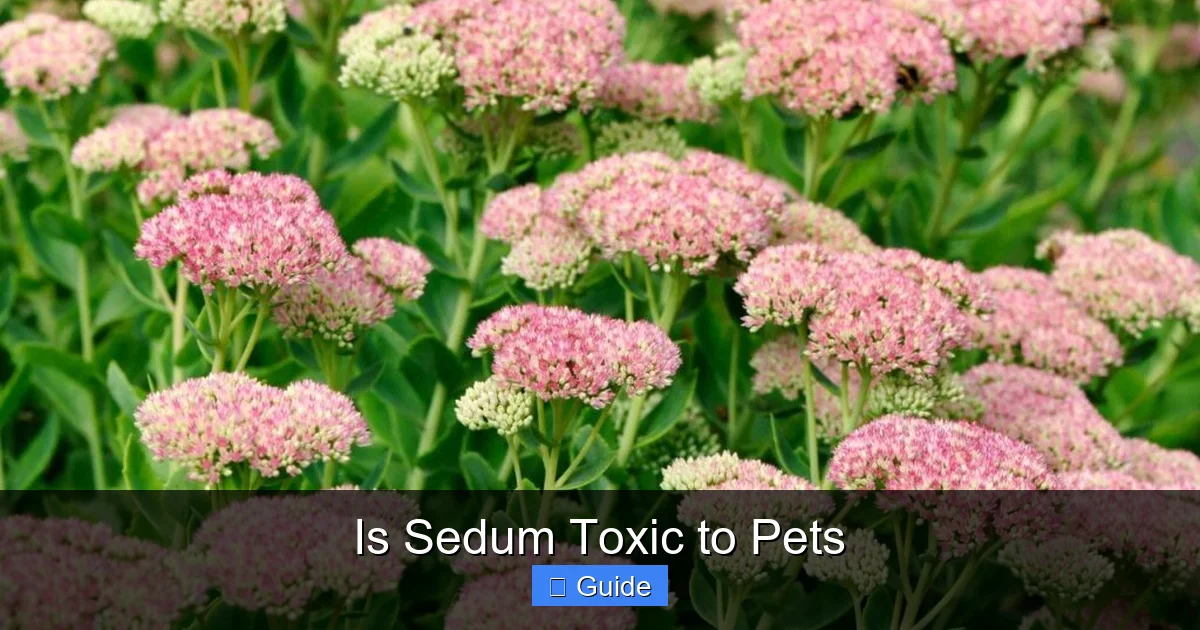
Visual guide about Is Sedum Toxic to Pets
Image source: inpetcare.com
Many sedum varieties bloom in late summer. The flowers attract bees and butterflies. The plants spread slowly and form a mat. This makes them great ground cover.
People often ask if sedum toxic to pets when they see these plants in nurseries. The answer depends on the species and the amount eaten.
Growth Habits
Sedum grows low to the ground. It can form a carpet of foliage. Some varieties grow upright and reach twelve inches. The roots are shallow and spread wide. This helps the plant survive drought.
The leaves are fleshy and waxy. They hold moisture for weeks. In winter many sedum stay evergreen. In cold zones the foliage may die back but returns in spring.
Because sedum toxic to pets is a low risk, many gardeners plant it in pet accessible areas. Still, it is wise to know the habits.
Why Gardeners Choose Sedum
Gardeners love sedum for its low maintenance. It tolerates drought and poor soil. It needs little fertilizer. It also adds texture and color to beds.
Because sedum stores water in its leaves, it survives hot summers. It also survives cold winters in many zones. This hardiness makes it a favorite for busy gardeners.
Even with these benefits, pet owners should check if sedum toxic to pets before planting large areas.
Sedum in Containers
Sedum works well in pots and hanging baskets. The shallow roots fit small containers. You can mix several varieties for a colorful display. Containers can be moved out of reach of curious pets.
Use a well‑draining soil mix. Add perlite or sand for extra drainage. Water only when the soil feels dry. Overwatering causes root rot.
If you keep sedum toxic to pets plants in containers, place them on high shelves. This reduces the chance of accidental chewing.
Sedum and Wildlife
Sedum flowers provide nectar for pollinators. Bees, butterflies, and hoverflies visit the blooms. Birds may eat the seeds in late fall. The plant supports a small ecosystem.
Because sedum toxic to pets is not a major concern for wildlife, it is safe for garden biodiversity. However, keep an eye on pets that may chase insects near the plants.
Planting sedum near a water source can attract more wildlife. This adds life to your garden while staying pet friendly.
Is Sedum Toxic to Pets? The Science
Toxic Compounds in Sedum
Sedum contains alkaloids and saponins. These compounds can irritate the digestive tract. In most cases the concentration is low. Small bites rarely cause problems.
Research shows that the toxic dose is high. A pet would need to eat a large volume of leaves to reach a dangerous level. This makes accidental poisoning uncommon.
Still, the phrase sedum toxic to pets appears in many pet safety lists. It is listed as a plant with low toxicity.
How the Body Processes Sedum
When a dog or cat chews sedum, the compounds enter the stomach. The stomach acid breaks down some of the irritants. Most of the material passes through the intestines unchanged.
Because the compounds in sedum toxic to pets are not absorbed well, they do not reach the liver or kidneys. This limits systemic toxicity. The main effect is local irritation.
If a pet eats a huge amount, the irritation can cause vomiting. This is the body’s way of removing the plant material.
Research Findings
Veterinary studies have tested sedum extracts on dogs and cats. The results show mild gastrointestinal upset at high doses. No organ damage was observed in the studies.
One study fed rats a diet with ten percent sedum. The rats showed no serious health effects. This supports the idea that sedum toxic to pets is a low risk.
However, individual sensitivity varies. Some pets may react more strongly. Always monitor your animal after any plant ingestion.
Veterinary Opinions
Most veterinarians classify sedum as a non‑toxic plant. They note that the risk of serious poisoning is very low. The main concern is mild stomach upset.
Veterinary toxicology databases list sedum toxic to pets as a category of minimal concern. This rating helps pet owners make informed choices.
If you have a pet with a sensitive stomach, discuss sedum with your vet. They can give personalized advice.
Risk Factors
Risk increases with the amount of sedum toxic to pets eaten. A single leaf is unlikely to cause signs. A whole plant or large clump raises the chance of vomiting.
Young puppies and kittens are more curious. They may chew more aggressively. Older pets with digestive issues may also be more sensitive.
Environmental stress like heat or dehydration can worsen any mild reaction. Keep water available at all times.
Symptoms of Sedum Ingestion in Dogs and Cats
Mild Signs
Mild signs include drooling and lip licking. Your pet may vomit once or have soft stools. These signs usually resolve within a few hours.
Loss of appetite can also happen. The pet may seem less interested in food for a short time. Provide fresh water and a quiet place.
If you notice these mild signs after your pet chewed sedum, keep a close eye. Most cases clear without treatment.
Moderate Signs
Moderate signs include repeated vomiting and diarrhea. The pet may appear restless or pace. Dehydration can develop if fluid loss continues.
You may see the pet drinking more water than usual. The gums may feel dry to the touch. These signs need veterinary attention.
When sedum toxic to pets ingestion leads to moderate signs, call your vet for advice. Do not wait for symptoms to worsen.
Severe Signs
Severe signs are rare but possible. They include repeated vomiting, bloody diarrhea, and extreme lethargy. The pet may refuse water and become dehydrated.
In very rare cases, tremors or difficulty breathing have been reported. These require immediate veterinary care.
If you see any severe sign, call your vet right away. Tell them your pet may have eaten sedum toxic to pets material.
When Symptoms Appear
Symptoms usually start within one to three hours after sedum toxic to pets ingestion. The timing can vary with the amount eaten. Early observation helps you act fast.
If your pet shows no signs after six hours, the risk is low. Continue to watch for delayed reactions. Some pets react later.
Keep a log of the time you saw the pet near the plant. Note any changes in behavior or stool.
Monitoring Your Pet
Check your pet’s gums for color and moisture after sedum toxic to pets exposure. Pink and moist gums are a good sign. Pale or dry gums indicate dehydration.
Observe the energy level. A playful pet is likely fine. A pet that hides or sleeps excessively may need help.
Record any vomiting or diarrhea episodes. Share this record with your veterinarian for accurate diagnosis.
What to Do If Your Pet Eats Sedum
Immediate Steps
First, remove any remaining plant pieces from the mouth. Rinse the mouth with water if the pet allows. Offer a small bowl of fresh water.
Do not induce vomiting unless a vet tells you to. Some pets can aspirate vomit. Keep the pet calm and comfortable.
Write down the time of ingestion and the amount you think was eaten. This helps the vet decide on treatment.
Home Care Tips
Offer a bland diet after sedum toxic to pets ingestion. Boiled chicken and rice are easy on the stomach. Small frequent meals are easier on the stomach. Avoid fatty or spicy foods.
Encourage water intake by adding a splash of low‑sodium broth. Ice chips can also tempt a reluctant drinker. Monitor urine output.
Keep the pet in a quiet room away from other animals. Stress can worsen gastrointestinal signs.
When to Call the Vet
Call the vet if vomiting lasts more than two hours. Call if diarrhea is bloody or persists for more than a day. Call if the pet becomes very weak or unresponsive.
Bring a sample of the plant to the clinic if possible. The vet may run blood tests or give fluids. Most pets recover fully with supportive care.
Remember, the risk of sedum toxic to pets is low, but prompt action prevents complications.
What the Vet May Do
The vet will ask about sedum toxic to pets exposure. The vet will perform a physical exam and check hydration. Blood work may be done to rule out other causes. Anti‑nausea medication can be given if needed.
Intravenous fluids may be administered for dehydration. In rare cases, activated charcoal is used to bind toxins. The vet will tailor treatment to the pet.
Ask the vet about any long‑term effects. Most pets have no lasting issues after a single exposure.
Follow‑Up Care
After the visit, continue the bland diet for 24 hours. Gradually return to the normal diet over two days. Watch for any return of vomiting or diarrhea.
Schedule a recheck if the vet recommends it. Keep the plant out of reach to avoid repeat sedum toxic to pets incidents. Update your pet‑proofing plan.
Share your experience with other pet owners. Awareness helps keep more animals safe from sedum toxic to pets situations.
Preventing Accidental Ingestion and Safe Alternatives
Garden Design Tips
Place sedum toxic to pets plants in raised beds or containers that pets cannot reach. Use decorative fencing around low plantings. Train dogs to stay out of garden beds with positive reinforcement.
Choose non‑toxic ground covers for areas where pets play. Mulch can also deter digging. Keep the garden tidy to reduce curiosity.
If you have a cat that roams outdoors, consider a catio. A catio lets the cat enjoy fresh air without accessing plants.
Indoor Plant Safety
Keep potted sedum toxic to pets on high shelves or hanging planters. Use plant stands with a wide base to prevent tipping. Check that leaves are not within paw reach.
If a pet shows interest, redirect with a safe toy. Provide cat grass or dog chew toys as alternatives.
Regularly inspect indoor plants for fallen leaves. Clean up debris quickly to avoid accidental ingestion.
Training Your Pet
Teach a “leave it” command near sedum toxic to pets plants using treats. Practice in a controlled setting. Reward the pet for ignoring the plant.
Consistency is key. Short daily sessions work better than long occasional ones. Involve all family members in the training.
Training reduces the chance of sedum toxic to pets incidents. It also strengthens the bond with your pet.
Pet‑Friendly Succulent Alternatives
Many succulents are safe unlike sedum toxic to pets. Echeveria, Haworthia, and Sempervivum are popular choices. They look similar to sedum but have no known toxicity.
Herbs like basil, rosemary, and thyme are also safe and useful. Spider plant and Boston fern add greenery without risk.
Choosing these alternatives lets you enjoy a beautiful garden while keeping the question sedum toxic to pets off your mind.
Creating a Pet‑Safe Plant List
Make a list of all plants in your home and yard. Mark each as safe or unsafe for sedum toxic to pets. Refer to the ASPCA toxic plant database for accuracy.
Update the list when you add new plants. Share the list with pet sitters and visitors. A visible list on the fridge can be a quick reminder.
Having a pet‑safe plant list gives peace of mind. It also helps you plan future garden projects without worry.
In summary, sedum toxic to pets is generally safe for dogs and cats. Small ingestions rarely cause serious harm. Watch for mild stomach upset and act quickly if symptoms appear. Use garden design and indoor placement to prevent access. Pick pet‑safe plants for peace of mind. Your garden and your pets can thrive together.
Frequently Asked Questions
Can sedum cause long‑term health problems in pets?
No, sedum does not cause long‑term health issues. Any effects are usually limited to short‑term gastrointestinal upset.
Is it safe to keep sedum in a home with a curious puppy?
It is generally safe, but place the plant out of reach to prevent the puppy from chewing large amounts.
What should I tell my veterinarian if my pet ate sedum?
Tell them the type of sedum, how much was eaten, and when it happened. This helps the vet decide on treatment.
Do all sedum species have the same toxicity level?
Most sedum species share low toxicity, but some rare varieties may have higher irritant levels. Check the specific species if possible.
Can I use sedum as a ground cover in a dog run?
Yes, sedum works well as ground cover, but supervise your dog and consider fencing if the dog tends to chew plants.
Where can I find a reliable list of pet‑safe plants?
The ASPCA website maintains an up‑to‑date database of toxic and non‑toxic plants for pets.