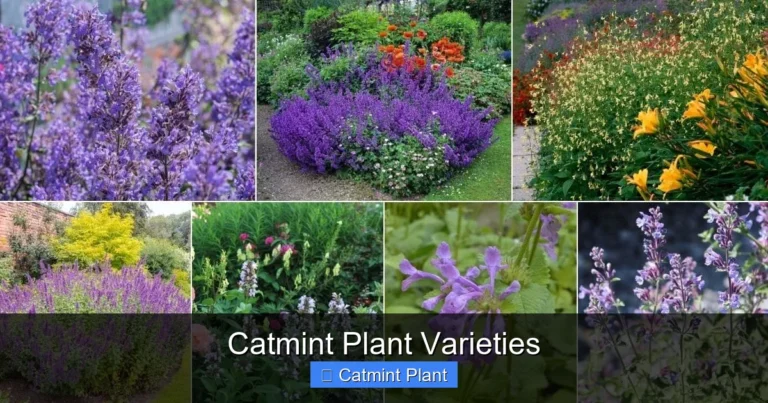
Best Catmint Plant
The best catmint plant adds color, fragrance, and feline fun to any garden. It is easy to grow and attracts pollinators.
Catmint is a favorite among gardeners who want a reliable, aromatic perennial. The best catmint plant offers long lasting blooms and a scent that cats love. This guide walks you through selection, planting, care, and design ideas.
You will learn which varieties shine in different zones. You will also discover simple maintenance steps that keep plants healthy year after year. Whether you have a small patio or a large border, there is a catmint that fits.
Key Takeaways
- Variety matters: Choose a cultivar that fits your climate and space.
- Sunlight is essential: Most catmint needs full sun for best blooms.
- Well‑drained soil prevents rot: Amend heavy clay with compost or sand.
- Prune after flowering: This encourages a second flush of flowers.
- Catmint attracts bees and butterflies: It supports a healthy garden ecosystem.
- Low water needs once established: Makes it a water‑wise choice.
- Companion planting boosts performance: Pair with roses, salvia, or ornamental grasses.
Quick Answers to Common Questions
What is the best catmint plant for small gardens?
‘Cat’s Pajamas’ stays compact and works well in containers or tight borders.
How often should I water catmint?
Water deeply after planting then only during extended dry periods once established.
Does catmint attract bees?
Yes, the flowers are a favorite nectar source for bees and butterflies.
When should I prune catmint?
Shear after the first bloom in midsummer and cut back to 6 inches in late fall.
Can catmint grow in shade?
It tolerates light shade but blooms best with at least six hours of direct sun.
📑 Table of Contents
What Is Catmint and Why Grow It
The Basics of Catmint
Catmint belongs to the genus Nepeta. It is a hardy perennial that returns each spring. The leaves are gray‑green and release a minty aroma when brushed. Flowers appear in spikes of blue, purple, pink, or white. The best catmint plant tolerates drought once established.
Benefits for Cats and Gardeners
Cats are drawn to the volatile oils in the foliage. They often roll, chew, and nap near the plant. For gardeners, the best catmint plant provides continuous color from late spring to fall. It also attracts bees, butterflies, and hummingbirds. The plant is deer resistant and rarely bothered by pests.
Top Varieties of the Best Catmint Plant
Nepeta faassenii ‘Walker’s Low’
‘Walker’s Low’ is a compact mound reaching 18 inches tall. It produces lavender‑blue flowers from June to September. This variety is a classic choice for the best catmint plant in mixed borders.
Nepeta ‘Six Hills Giant’
‘Six Hills Giant’ grows up to 36 inches tall. It bears large violet‑blue spikes. It works well as a backdrop in cottage gardens. Many gardeners label it the best catmint plant for height and impact.
Nepeta ‘Cat’s Pajamas’
‘Cat’s Pajamas’ forms a tidy 12‑inch clump. It blooms early with soft pink flowers. It is ideal for containers and small spaces. This cultivar is often called the best catmint plant for patio pots.
Nepeta ‘Blue Wonder’
‘Blue Wonder’ offers intense indigo blooms on 24‑inch stems. It reblooms after a light shear. It is a top pick for the best catmint plant in pollinator gardens.
Nepeta ‘Pink Cat’
‘Pink Cat’ displays clear pink flowers on 20‑inch plants. It adds a soft color contrast to blue‑flowered neighbors. Many consider it the best catmint plant for a pastel palette.
How to Choose the Right Catmint for Your Garden
Climate and Hardiness Zones
Most catmint thrives in USDA zones 3‑9. Check the label for specific zone ratings. The best catmint plant for cold climates is ‘Walker’s Low’. For hot southern zones, ‘Six Hills Giant’ handles heat better.
Sunlight and Soil Preferences
Full sun yields the most flowers. At least six hours of direct light is ideal. The best catmint plant tolerates light shade but may become leggy. Well‑drained soil is crucial. Heavy clay should be amended with compost or coarse sand.
Size and Growth Habit
Match plant height to your design. Low growers suit edging and containers. Tall types work as backdrops. The best catmint plant for a mixed border often combines a short and a tall variety.
Planting and Care Guide for the Best Catmint Plant
When to Plant
Spring planting after the last frost gives roots time to establish. Fall planting works in mild climates. The best catmint plant settles quickly when soil is warm.
Soil Preparation
Loosen the planting hole to twice the root ball width. Mix in a handful of compost. This improves drainage and adds nutrients. The best catmint plant appreciates a slightly alkaline pH around 7.0.
Watering and Feeding
Water deeply after planting. Keep soil moist for the first two weeks. After establishment, water only during prolonged dry spells. The best catmint plant is drought tolerant. Apply a balanced slow‑release fertilizer in early spring.
Pruning and Deadheading
Shear back spent flower spikes to encourage a second bloom. Cut the plant to 6 inches in late fall or early spring. The best catmint plant responds well to regular pruning.
Pest and Disease Management
Catmint rarely suffers serious issues. Watch for aphids on new growth. Spray with a strong jet of water or insecticidal soap. Powdery mildew can appear in humid conditions. Improve air circulation by spacing plants properly. The best catmint plant stays healthy with minimal intervention.
Design Ideas Using Catmint
Border Plantings
Plant a drift of ‘Walker’s Low’ along a pathway. The soft foliage creates a gentle edge. The best catmint plant adds movement when breezes pass.
Companion Planting
Pair catmint with roses to hide bare canes. Combine with salvia for a long season of blue. Ornamental grasses provide texture contrast. The best catmint plant enhances each partner.
Container Gardens
Use ‘Cat’s Pajamas’ in a 12‑inch pot. Add a trailing lobelia for color contrast. Ensure the container has drainage holes. The best catmint plant thrives in pots with a light potting mix.
Pollinator Gardens
Group several varieties to extend bloom time. Bees visit early ‘Blue Wonder’ flowers. Butterflies linger on later ‘Six Hills Giant’ spikes. The best catmint plant becomes a pollinator hub.
Common Mistakes and How to Avoid Them
Overwatering
Too much water causes root rot. Let the top inch of soil dry between waterings. The best catmint plant prefers dry feet.
Planting in Shade
Insufficient light leads to weak stems and few flowers. Choose a sunny spot. The best catmint plant needs at least six hours of sun.
Ignoring Pruning
Unpruned plants become woody and sparse. Shear after the first flush. The best catmint plant rewards timely cuts with fresh growth.
Conclusion
Choosing the best catmint plant for your space is simple when you know the options. Match the variety to your climate, sun exposure, and design goals. Follow the planting and care steps outlined above. You will enjoy fragrant blooms, happy cats, and a buzzing garden for years to come.
Start with one or two cultivars this season. Observe how they perform. Expand your collection as you gain confidence. The best catmint plant is a low‑maintenance star that delivers high impact.
Frequently Asked Questions
What soil type does catmint prefer?
Catmint thrives in well‑drained, slightly alkaline soil. Amend heavy clay with compost or sand for better drainage.
Is catmint deer resistant?
Yes, the aromatic foliage deters deer and rabbits, making it a good choice for wildlife‑prone areas.
How do I propagate catmint?
Divide established clumps in early spring or take softwood cuttings in early summer. Both methods root easily.
Can catmint be grown indoors?
It can grow indoors in a bright sunny window, but it prefers outdoor conditions for best flowering.
What pests affect catmint?
Aphids and spider mites may appear on new growth. A strong water spray or insecticidal soap controls them.
How long does catmint bloom?
Most varieties bloom from late spring through fall, especially if deadheaded regularly.