
Trimming Catmint Plant
Trimming catmint plant regularly keeps it compact, encourages a second flush of flowers, and prevents the center from dying out. This guide covers the best times to prune, step-by-step techniques for deadheading and hard cutbacks, plus aftercare tips so your Nepeta thrives all season long.
If you have ever grown catmint, you know it can go from a neat mound to a floppy, sprawling mess in just a few weeks. The stems stretch, the center opens up, and the flowers fade to brown. The good news is that trimming catmint plant is one of the easiest garden tasks you will ever do. A quick snip here and there keeps the plant looking tidy, pushes out a second round of blooms, and prevents that woody, bare center that makes older clumps look tired.
I have been growing Nepeta for over a decade in my own borders, and I have learned that timing and technique make all the difference. Whether you are dealing with the classic Nepeta x faassenii ‘Walker’s Low’, the dwarf ‘Cat’s Pajamas’, or the tall ‘Six Hills Giant’, the principles stay the same. In this guide, I will walk you through exactly when to cut, what tools to use, how to shape the plant for the best show, and how to care for it afterward so it bounces back stronger than ever.
Key Takeaways
- Trim after the first bloom: Shear plants back by one-third to one-half in early summer to trigger a fresh wave of flowers and tidy foliage.
- Use clean, sharp tools: Bypass pruners or hedge shears make clean cuts that heal fast and reduce disease risk.
- Don’t cut into woody crowns: Always leave 2 to 3 inches of green growth above the base so the plant can regenerate.
- Deadhead spent spikes: Snipping individual faded flowers extends the bloom period without a full shear.
- Do a hard cutback in late winter: Cut stems to 3 to 4 inches above ground in early spring before new growth emerges.
- Water and mulch after pruning: A deep soak and a light compost layer help the plant recover quickly.
- Divide every 3 to 4 years: Lifting and splitting crowded clumps in spring rejuvenates vigor and gives you free plants.
Quick Answers to Common Questions
When is the best time to do the main summer trim on catmint?
Right after the first flush of flowers fades, typically late June to early July. Shear the plant back by one-third to one-half to stimulate a second bloom.
Can I cut catmint all the way to the ground?
Only in early spring when new growth is just emerging at the base. Cut to 3 to 4 inches. Never cut into the woody crown during the growing season, as the plant may not resprout.
What tools work best for trimming catmint plant?
Bypass pruners for precision deadheading and small clumps; long-bladed hedge shears for quick summer shearing of large plants. Keep blades sharp and clean.
Should I fertilize catmint after trimming?
A light top-dressing of compost or a half-strength balanced organic fertilizer helps recovery. Avoid high-nitrogen feeds, which reduce flowering.
How often should I divide catmint to keep it vigorous?
Every 3 to 4 years in early spring. Lift the clump, discard the woody center, and replant healthy outer sections with roots and shoots.
📑 Table of Contents
- Why Trimming Catmint Plant Matters
- Best Times for Trimming Catmint Plant
- Tools You Need for Trimming Catmint Plant
- Step-by-Step Guide to Trimming Catmint Plant
- Special Techniques for Different Situations
- Aftercare: Helping Catmint Recover Fast
- Common Mistakes to Avoid
- Seasonal Trimming Calendar
- Propagating from Trimmings
- Design Tips: Using Trimmed Catmint in the Garden
- Troubleshooting: When Trimming Does Not Seem to Help
- Conclusion
Why Trimming Catmint Plant Matters
Keeps the Plant Compact and Attractive
Catmint has a habit of growing fast and loose. Without regular trimming catmint plant sessions, the stems elongate and flop over neighboring plants. The center of the clump often dies out, leaving an unsightly hollow crown. A timely shear forces fresh growth from the base, maintaining that tight, mounded form that looks great at the front of a border or spilling over a wall.
Encourages Repeat Blooming
Most modern catmint varieties are bred to rebloom if you remove the spent flowers. When you cut back the first flush, the plant redirects energy into producing new flower buds instead of setting seed. This can give you a second, and sometimes even a third, wave of color well into autumn. Deadheading individual spikes works, but a full shear is faster and yields a more uniform display.
Prevents Disease and Pest Issues
Dense, unpruned foliage traps moisture and reduces air circulation. That creates a perfect environment for powdery mildew, leaf spot, and spider mites. Opening up the plant with strategic cuts lets light and air penetrate, keeping the foliage dry and healthy. Clean cuts also heal faster than ragged tears, which reduces entry points for pathogens.
Extends the Life of the Plant
Woody, unpruned catmint tends to decline after three or four years. The center becomes a mass of dead stems that no longer produce leaves or flowers. Regular trimming catmint plant stimulates basal growth, keeping the crown vigorous. Combined with division every few years, this practice can keep a clump thriving for a decade or more.
Best Times for Trimming Catmint Plant
Early Spring: The Hard Cutback
The most important pruning happens in late winter or very early spring, just as new green shoots appear at the base. Cut all the old stems down to 3 to 4 inches above the ground. This removes winter-damaged growth, clears the way for fresh foliage, and sets the stage for a strong first bloom. If you wait too long and the new growth is already several inches tall, you risk snipping off the flower buds forming at the tips.
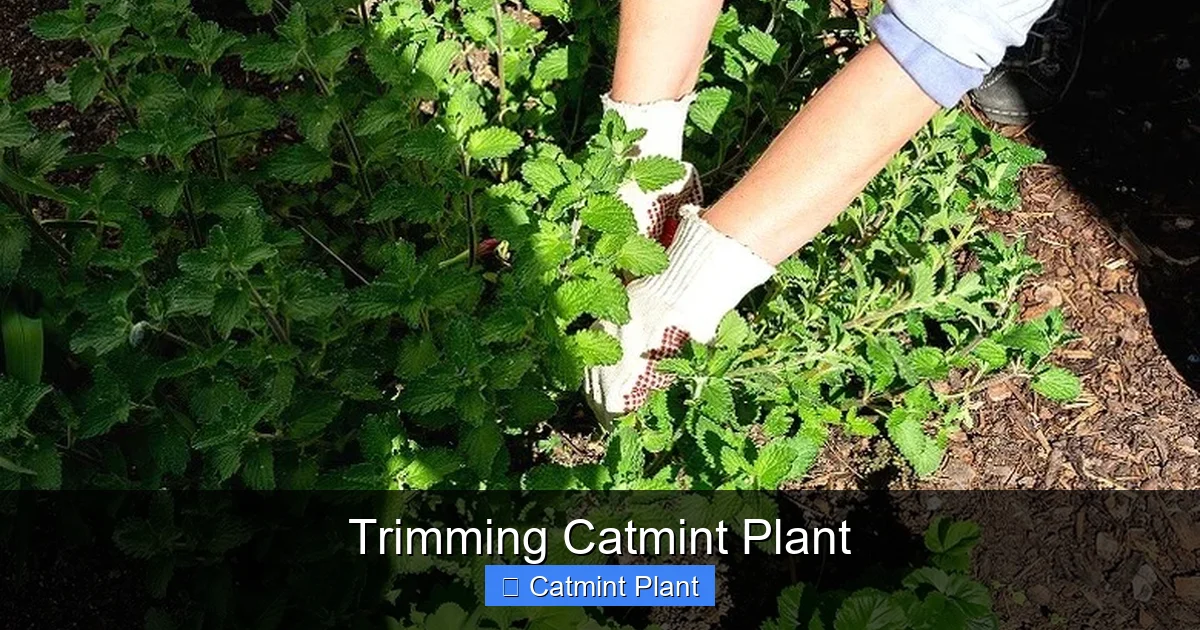
Visual guide about Trimming Catmint Plant
Image source: housedigest.com
After First Bloom: The Summer Shear
This is the classic trimming catmint plant moment that gardeners talk about. When the first flush of flowers fades, usually in late June or early July depending on your zone, shear the whole plant back by one-third to one-half. Use hedge shears for speed or bypass pruners for precision. The plant will look a bit stark for a week, but new shoots emerge quickly, and buds form within two to three weeks.
Light Deadheading Throughout Summer
If you prefer not to do a hard summer shear, you can deadhead individual spent spikes as they fade. Snip each flower stem back to a leaf node or a side shoot. This keeps the plant blooming continuously, though the display may be less intense than the big flush you get after a full cutback. It is a good option for cultivars that are less vigorous or for gardeners who want a more natural look.
Fall Cleanup: Optional but Helpful
In colder zones (USDA 4 to 6), you can leave the faded foliage standing over winter. The dead stems catch snow, which insulates the crown, and they provide shelter for beneficial insects. In warmer zones or if disease was an issue, cut the plant back to 6 inches in late fall after a hard freeze. This removes overwintering spores and tidies the bed.
Tools You Need for Trimming Catmint Plant
Bypass Pruners
A good pair of bypass pruners is essential for precise cuts. Look for a comfortable grip, a sharp blade that can be replaced or sharpened, and a sap groove to prevent sticking. Use these for deadheading individual stems, thinning crowded growth, and making the early spring cutback on smaller clumps.
Hedge Shears
For the summer shear on established plants, long-bladed hedge shears are a time-saver. They let you shape the mound quickly and evenly. Choose lightweight aluminum handles with non-slip grips. Keep the blades sharp and oiled; dull shears crush stems instead of slicing them.
Gloves and Eye Protection
Catmint stems can be surprisingly tough, especially near the base. Wear sturdy gardening gloves to protect your hands from scratches and sap. Safety glasses are a smart idea when using hedge shears, as small pieces of stem can fly toward your face.
Disinfectant Spray or Wipes
Always clean your blades before and after trimming catmint plant work, especially if you move between different plants. A quick wipe with 70% isopropyl alcohol or a spray of diluted bleach solution (1 part bleach to 9 parts water) prevents spreading fungal spores or viruses.
Bucket or Tarp for Debris
Have a bucket, wheelbarrow, or large tarp handy to collect the cuttings. Catmint foliage decomposes quickly and makes excellent compost, but you do not want it smothering nearby plants or harboring slugs.
Step-by-Step Guide to Trimming Catmint Plant
Step 1: Assess the Plant
Before you cut, stand back and look at the clump. Note the overall shape, the height of the flower spikes, and where fresh green growth is emerging at the base. Identify any dead, diseased, or crossing stems that should be removed entirely. This quick scan helps you decide how much to take off.
Step 2: Choose Your Cutting Height
For the summer shear, aim to remove one-third to one-half of the total height. If the plant is 18 inches tall, cut it back to 9 to 12 inches. Always cut just above a leaf node or a visible bud. For the early spring hard cutback, go lower, 3 to 4 inches above the crown. Never cut into the woody base where no green buds are visible; the plant may not resprout from old wood.
Step 3: Make Clean, Angled Cuts
Position your pruners or shears at a slight angle, about 45 degrees, so water runs off the cut surface. Squeeze the handles smoothly for a clean sever. Avoid twisting or tearing. If you are using hedge shears, use a sweeping motion to create a rounded mound shape that mimics the plant’s natural habit.
Step 4: Thin the Interior (Optional but Recommended)
After the main shear, reach into the center of the clump and remove a few of the oldest, thickest stems at ground level. This opens up airflow and light penetration, reducing disease pressure. It also stimulates fresh basal shoots, which keeps the plant youthful.
Step 5: Clean Up and Dispose of Debris
Gather all cut stems and leaves. If the plant was healthy, toss the material into your compost pile. If you saw signs of powdery mildew, leaf spot, or insect infestation, bag the debris and put it in the trash or municipal yard waste to avoid recycling pathogens.
Step 6: Water and Mulch
Give the plant a deep soak immediately after trimming catmint plant work. This reduces stress and encourages rapid regrowth. Apply a 1-inch layer of compost or well-rotted manure around the base, keeping it away from the crown. The organic matter feeds the soil microbes and holds moisture.
Special Techniques for Different Situations
Deadheading vs. Shearing: Which to Choose
Deadheading means snipping off individual spent flower spikes. It is slower but preserves the plant’s natural shape and some late blooms on lower side shoots. Shearing cuts the whole plant back at once. It is faster, produces a more dramatic second flush, and creates a neater mound. For large plantings or busy gardeners, shearing wins. For specimen plants in a prominent spot, deadheading may look better.
Rejuvenation Pruning for Old, Woody Clumps
If you inherit a neglected catmint with a dead center and long, bare stems, you can try rejuvenation pruning in early spring. Cut the entire clump to 2 inches above ground. Apply a generous top-dressing of compost and keep it well-watered. Many times, the plant will regrow vigorously from the crown. If it fails, plan to divide and replant the healthy outer sections.
Pinching for Bushier Growth
In late spring, when stems are 6 to 8 inches tall, you can pinch back the tips by an inch or two. This encourages branching and results in a denser plant with more flower stems. It delays the first bloom slightly but increases the total flower count. Use your thumb and forefinger or small snips.
Trimming Catmint Plant in Containers
Potted catmint needs more frequent attention because nutrients and root space are limited. Shear lightly after each flush, and feed with a liquid fertilizer at half strength every two weeks during active growth. Root-prune and repot every two years in early spring, trimming circling roots and refreshing the potting mix.
Aftercare: Helping Catmint Recover Fast
Watering Strategy
For the first two weeks after a major cutback, keep the soil consistently moist but not soggy. Check daily in hot weather. A soaker hose or drip line is ideal because it keeps water off the foliage, reducing disease risk. Once new growth is 3 to 4 inches tall, you can taper back to your normal watering schedule.
Feeding for Regrowth
Catmint is not a heavy feeder, but a light boost after trimming catmint plant helps. Apply a balanced organic fertilizer (such as 5-5-5) at half the recommended rate, or top-dress with compost. Avoid high-nitrogen formulas, which promote lush leaves at the expense of flowers.
Monitoring for Pests and Disease
Fresh, tender regrowth is a magnet for aphids and spider mites. Inspect the undersides of leaves every few days. A strong blast of water from the hose dislodges most pests. If infestations persist, use insecticidal soap or neem oil early in the morning or late in the evening to protect pollinators.
Staking If Needed
Some tall cultivars like ‘Six Hills Giant’ may flop after regrowth if they are in rich soil or partial shade. Install grow-through supports or bamboo stakes with twine early, before the stems get too tall. This keeps the mound upright and displays the flowers better.
Common Mistakes to Avoid
Cutting Too Low Into Woody Crowns
This is the number one error. Catmint does not reliably break from old wood. If you shear below the lowest green leaves, you may kill the plant. Always leave at least 2 to 3 inches of green stem with visible buds.
Pruning at the Wrong Time
Cutting in late summer or early fall in cold climates stimulates tender growth that will be killed by frost. That wastes the plant’s energy and weakens it for winter. Stick to the schedule: hard cutback in early spring, summer shear after first bloom, optional light tidy in late fall only in mild zones.
Using Dull or Dirty Tools
Crushed stems invite disease. Dirty blades spread pathogens. Take five minutes to sharpen and disinfect before you start. It saves hours of trouble later.
Removing All Foliage in Hot Weather
If you shear during a heatwave, the plant loses its cooling leaf canopy and can scorch. If a summer shear coincides with a forecast above 90°F, wait for a cooler spell or provide temporary shade with a row cover for a few days.
Neglecting Division
Even with perfect trimming catmint plant habits, clumps eventually become crowded and woody at the center. Plan to divide every 3 to 4 years in early spring. Dig the whole plant, tease or cut the root ball into sections with healthy roots and shoots, and replant the best pieces. Discard the woody center.
Seasonal Trimming Calendar
January to March (Late Winter / Early Spring)
- Hard cutback: Remove all old stems to 3 to 4 inches.
- Clean up debris and apply compost top-dressing.
- Divide congested clumps if needed.
April to May (Spring Growth)
- Pinch tips for bushier plants (optional).
- Watch for aphids on new shoots.
- Stake tall varieties early.
June to July (First Bloom and Summer Shear)
- Enjoy the first flush of flowers.
- When blooms fade, shear back by one-third to one-half.
- Water deeply and mulch after cutting.
August to September (Second Bloom)
- Deadhead spent spikes to prolong display.
- Monitor for spider mites in dry heat.
- Reduce watering as temperatures cool.
October to December (Fall and Winter)
- In cold zones: leave foliage standing for winter protection.
- In warm zones or if diseased: cut back to 6 inches after hard freeze.
- Apply winter mulch in zone 4 and colder.
Propagating from Trimmings
Softwood Cuttings in Late Spring
The stems you remove during the summer shear are perfect for cuttings. Select 4 to 6 inch pieces with at least two leaf nodes. Strip the lower leaves, dip the cut end in rooting hormone, and insert into a moist mix of perlite and peat. Cover with a plastic dome or bag, keep in bright indirect light, and roots form in 2 to 3 weeks.
Division: The Easiest Method
When you dig a clump for division in early spring, each section with roots and shoots is an instant new plant. Replant at the same depth, water well, and trim the foliage by half to reduce transplant shock. You will have flowering-sized plants the same season.
Layering Low Stems
If a stem touches the ground, it may root naturally. You can encourage this by pinning a low branch to the soil with a U-shaped wire, covering the contact point with compost, and keeping it moist. In a month or two, sever the new plantlet from the mother and transplant.
Design Tips: Using Trimmed Catmint in the Garden
Edging and Borders
A neatly sheared row of catmint makes a beautiful, fragrant edge along a path or driveway. The gray-green foliage contrasts nicely with dark pavers or green lawn. Trim every 4 to 6 weeks during the growing season to maintain a crisp line.
Underplanting Roses
Catmint is a classic companion for roses. It hides bare canes, attracts beneficial insects, and its loose habit softens the stiff architecture of rose bushes. Shear the catmint after its first bloom so it does not overwhelm the roses during their peak.
Rock Gardens and Slopes
On a sunny slope, catmint’s drought tolerance and spreading habit shine. A hard spring cutback keeps it dense enough to suppress weeds. The summer shear prevents it from smothering slower alpine neighbors.
Pollinator Gardens
Bees, butterflies, and hummingbirds flock to catmint flowers. If you want maximum nectar, stagger your trimming: shear half the plants in early July, the other half two weeks later. This ensures continuous bloom for pollinators.
Troubleshooting: When Trimming Does Not Seem to Help
Plant Fails to Regrow After Shear
Check for root rot (mushy, brown roots), vole damage, or herbicide drift. If the crown is alive but dormant, patience and consistent moisture may coax it back. If the crown is dead, dig and replace.
Leggy Growth Despite Regular Pruning
Too much shade, over-fertilization (especially nitrogen), or an overly vigorous cultivar for the space. Move to full sun, stop fertilizing, or switch to a compact variety like ‘Cat’s Meow’ or ‘Purrsian Blue’.
Center Die-Out Returns Quickly
This signals the clump is overdue for division. Lift and split in early spring, discarding the woody center. Replant vigorous outer sections with ample compost.
Powdery Mildew Persists
Improve air circulation by thinning more aggressively during trimming catmint plant sessions. Water at the base only. Apply a preventive spray of potassium bicarbonate or neem oil early in the season.
Conclusion
Trimming catmint plant is one of those garden tasks that pays you back tenfold. A few minutes with the shears in early summer transforms a tired, floppy mound into a fresh, flower-packed showpiece. The key is timing: cut hard in early spring, shear after the first bloom, and deadhead or lightly shape as needed. Keep your tools sharp, your cuts clean, and your soil healthy. Do that, and your catmint will reward you with months of lavender-blue flowers, buzzing pollinators, and that wonderful minty fragrance every time you brush past.
Remember, every garden is a little different. Observe how your plants respond, adjust the schedule to your climate, and don’t be afraid to experiment. The worst that can happen is a temporary bald spot; the best is a border that looks professionally maintained with minimal effort. Now grab your pruners and give your Nepeta the haircut it deserves.
Frequently Asked Questions
Does catmint need to be cut back every year?
Yes, annual pruning keeps catmint compact, floriferous, and healthy. A hard cutback in early spring and a summer shear after the first bloom are the minimum for best performance.
Can I trim catmint in the fall?
In cold climates (zones 4-6), leave foliage standing over winter for crown protection. In warmer zones or if disease was present, cut back to 6 inches after a hard freeze.
Why is my catmint flopping open in the middle?
This usually means the plant is overdue for division or is getting too much shade or nitrogen. Divide in spring, ensure full sun, and avoid rich fertilizers.
Will catmint rebloom if I don’t deadhead?
Some modern cultivars rebloom sporadically without deadheading, but the display is far better if you shear or deadhead after the first flush. Removing spent flowers redirects energy to new buds.
Is catmint the same as catnip?
No. Catmint (Nepeta x faassenii and hybrids) is ornamental with showy flowers and low essential oil content. Catnip (Nepeta cataria) is weedy, less attractive, and drives cats wild. Both benefit from similar pruning.
Can I use the trimmings as mulch or compost?
Yes, healthy catmint foliage breaks down quickly and adds organic matter to compost. Avoid using trimmings that show signs of powdery mildew or other diseases; dispose of those in the trash.