Catmint Plants in Landscaping
Catmint plants deliver long‑lasting lavender blooms, aromatic foliage, and strong drought tolerance, making them a versatile choice for any landscape. They attract bees and butterflies while requiring minimal care.
Catmint plants are a favorite among gardeners who want beauty without constant work. These perennials bring a cloud of lavender‑blue flowers that dance in the breeze. Their fragrant leaves release a pleasant scent when brushed. The plants thrive in sunny spots and tolerate poor soil. Because they are tough, they fit many landscape styles.
In this guide you will learn why catmint plants deserve a place in your yard. You will discover the best varieties for different climates. You will see design ideas that pair catmint plants with roses, ornamental grasses, and native wildflowers. You will also get step‑by‑step planting and care instructions. Finally you will find solutions for common pests and diseases.
Key Takeaways
- Versatile color: Catmint plants provide soft purple spikes that blend with many garden palettes.
- Drought tolerant: Once established, catmint plants survive on little water.
- Pollinator magnet: Bees, butterflies, and hummingbirds love the nectar‑rich flowers.
- Low maintenance: Minimal pruning and fertilizing are needed.
- Deer resistant: The aromatic foliage deters browsing animals.
- Long bloom season: Flowers appear from late spring to early fall.
Quick Answers to Common Questions
What sun exposure do catmint plants need?
Catmint plants thrive in full sun with at least six hours of direct light each day.
How often should I water established catmint plants?
Water established catmint plants about once every two weeks during dry periods.
Can catmint plants grow in containers?
Yes, dwarf catmint plants perform well in pots with good drainage.
When is the best time to divide catmint plants?
Divide catmint plants in early spring before new growth begins.
Are catmint plants safe for pets?
Catmint plants are non‑toxic to dogs and cats, though cats may be attracted to the scent.
📑 Table of Contents
Why Choose Catmint Plants for Your Landscape
Continuous Color and Fragrance
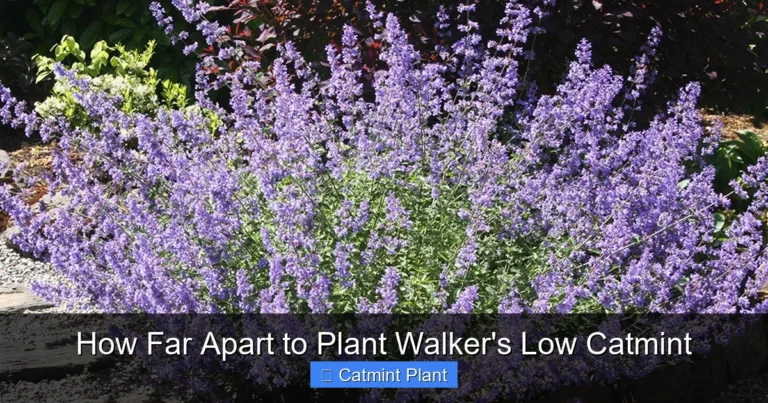
Catmint plants bloom from late spring until the first frost. The flower spikes stay attractive even after the petals fade. The gray‑green foliage adds texture all season. When you walk past a border of catmint plants you notice a sweet, minty aroma. This scent can calm a busy mind.
Exceptional Drought Tolerance
Once the root system is established catmint plants need very little supplemental water. They store moisture in their thick stems. In hot summers they keep flowering while many other perennials wilt. This makes catmint plants ideal for xeriscape gardens.
Pollinator Powerhouse
Bees, butterflies, and hummingbirds flock to the nectar tubes of catmint plants. A single clump can support dozens of visitors each day. Adding catmint plants to a vegetable garden can boost pollination rates for nearby crops.
Deer and Rabbit Resistance
The strong essential oils in the leaves deter browsing mammals. Gardeners in high‑deer areas report little damage to catmint plants. This resistance reduces the need for fencing or repellents.
Low Maintenance Requirements
Catmint plants rarely need fertilizer. A light compost top‑dressing in early spring is enough. Deadheading spent spikes encourages a second flush of blooms. The plants are also resistant to most common fungal diseases.
Selecting the Right Catmint Varieties
Popular Cultivars for Cool Climates
‘Walker’s Low’ is a compact catmint plant that reaches eighteen inches tall. It forms a tidy mound and reblooms reliably. ‘Six Hills Giant’ grows taller, up to three feet, and produces larger flower spikes. Both thrive in USDA zones 3‑8.
Heat‑Tolerant Selections
‘Blue Wonder’ tolerates temperatures above ninety degrees Fahrenheit. Its foliage stays silvery‑green even in intense sun. ‘Cat’s Pajamas’ is a dwarf catmint plant perfect for containers. It stays under twelve inches and blooms profusely.
Variegated and Specialty Types
‘Snowflake’ offers white‑edged leaves that brighten shady corners. ‘Pink Cat’ produces soft pink flowers instead of the usual lavender. These specialty catmint plants add unexpected color contrast.
Choosing Based on Garden Role
For a ground‑cover effect select low‑growing catmint plants like ‘Cat’s Pajamas’. For a backdrop in a mixed border choose taller cultivars such as ‘Six Hills Giant’. Match the mature height to the design layer you need.
Designing with Catmint Plants: Placement and Pairings
Border and Edging Ideas
Plant catmint plants along the front of a perennial border. Their soft spikes soften hard edges of stone or brick. Pair them with lavender, salvia, and echinacea for a Mediterranean feel. The repeated lavender hue creates visual rhythm.
Rock Garden and Alpine Settings
Catmint plants thrive in well‑drained, gritty soil typical of rock gardens. Tuck them between dwarf conifers and sedums. Their trailing habit spills over stones, adding movement. The aromatic foliage also masks the scent of nearby herbs.
Container and Patio Displays
Use a dwarf catmint plant in a twelve‑inch pot. Combine with trailing petunias and a compact ornamental grass. The container can sit on a sunny balcony. Water sparingly; the pot’s drainage prevents root rot.
Wildlife Corridor Integration
Plant a ribbon of catmint plants along a fence line. This creates a nectar highway for bees traveling between gardens. Add native milkweed and coneflower for a complete pollinator pathway.
Companion Planting for Vegetable Gardens
Interplant catmint plants near tomatoes and peppers. The strong scent confuses aphids and whiteflies. The flowers attract predatory wasps that control caterpillars. This natural pest management reduces chemical use.
Planting and Care Basics for Catmint Plants
Site Selection and Soil Preparation
Choose a location with at least six hours of direct sun. Catmint plants tolerate partial shade but bloom less. Amend heavy clay with coarse sand and compost to improve drainage. A slightly alkaline pH around 7.0 is ideal.
Planting Steps
- Dig a hole twice as wide as the root ball.
- Place the catmint plant so the crown sits level with the soil surface.
- Backfill with the amended soil and firm gently.
- Water thoroughly to settle the roots.
- Mulch with a thin layer of shredded bark.
Watering Schedule
Water new catmint plants twice a week for the first month. After establishment reduce to once every two weeks during dry spells. Avoid overhead watering to keep foliage dry and prevent mildew.
Fertilizing Guidelines
Apply a balanced slow‑release fertilizer in early spring. One tablespoon per plant is sufficient. Excess nitrogen encourages leafy growth at the expense of flowers.
Mulching and Weed Control
Maintain a two‑inch mulch layer to conserve moisture. Hand‑pull weeds early; catmint plants have shallow roots that compete poorly with aggressive weeds.
Seasonal Maintenance and Pruning Tips
Spring Clean‑Up
Cut back any dead stems to the ground in early March. This stimulates fresh growth from the base. Remove old mulch and replace with a fresh layer.
Mid‑Season Deadheading
Snip spent flower spikes just above a leaf node. This encourages a second bloom cycle in late summer. Use clean, sharp shears to avoid tearing tissue.
Fall Preparation
After the first hard frost, leave the foliage standing. The dried stems protect the crown from freeze‑thaw cycles. In very cold zones add a straw blanket over the crown.
Division Every Three Years
Dig up the clump in early spring. Separate into sections with at least three healthy shoots each. Replant divisions at the same depth. Division rejuvenates vigor and prevents center die‑out.
Common Problems and Solutions for Catmint Plants
Powdery Mildew
Powdery mildew appears as a white dust on leaves during humid summers. Improve air spacing by thinning crowded clumps. Apply a homemade spray of one part milk to nine parts water weekly.
Root Rot
Root rot occurs in poorly drained soil. Ensure the planting site has excellent drainage. If rot is detected, remove affected roots and replant in a raised bed.
Aphid Infestations
Aphids cluster on new growth in spring. Blast them off with a strong jet of water. Follow with an insecticidal soap if needed.
Spider Mites
Spider mites cause stippled leaves in hot, dry weather. Increase humidity by misting the foliage in the evening. Introduce predatory mites for biological control.
Deer Browsing (Rare)
Although catmint plants are deer resistant, extreme hunger may cause occasional nibbling. Apply a garlic‑based repellent around the perimeter as a precaution.
Catmint plants give you a long season of color, fragrance, and wildlife activity with very little effort. By choosing the right variety and placing it thoughtfully you can create a garden that looks professional and feels alive. Start with a single clump this spring and watch how quickly the space transforms. Your neighbors will ask for the secret, and you can simply point to the humble catmint plants that do all the work.
Frequently Asked Questions
Do catmint plants spread aggressively?
Catmint plants spread slowly by clumping; they are not considered invasive.
What soil pH is best for catmint plants?
A slightly alkaline pH around 7.0 supports optimal growth for catmint plants.
How do I encourage a second bloom on catmint plants?
Deadhead spent spikes promptly to stimulate a fresh flush of flowers on catmint plants.
Can catmint plants tolerate shade?
Catmint plants tolerate light shade but produce fewer blooms in low light.
What fertilizer works best for catmint plants?
A balanced slow‑release fertilizer applied in early spring benefits catmint plants.
How do I protect catmint plants in winter?
Leave foliage standing and add a straw mulch over the crown for winter protection of catmint plants.