Companion Plants for Coral Bells
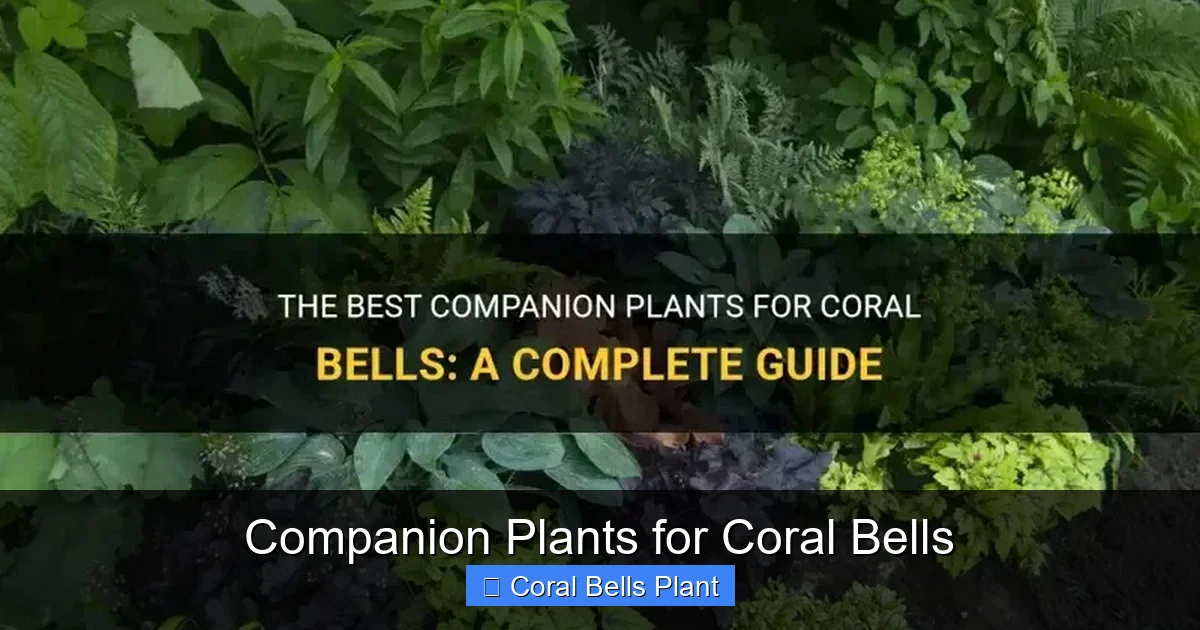
Coral bells (Heuchera) thrive alongside shade-loving perennials like hostas, ferns, and astilbes. These companion plants for coral bells share similar light and moisture needs while adding contrasting textures and colors. Smart pairings create a lush, low-maintenance garden that looks stunning from spring through fall.
Key Takeaways
- Match growing conditions: Choose companions that love partial shade and well-drained soil just like coral bells.
- Play with foliage contrast: Pair bold Heuchera leaves with fine fern fronds or broad hosta leaves for visual drama.
- Extend seasonal interest: Select plants with staggered bloom times so your garden stays colorful all season.
- Consider root depth: Shallow-rooted coral bells do best with neighbors that won’t compete aggressively for water.
- Use ground covers wisely: Low spreaders like foamflower or wild ginger fill gaps without smothering Heuchera crowns.
- Add vertical accents: Tall companions like Japanese forest grass or Solomon’s seal add height without blocking light.
- Watch for pests and disease: Good air circulation between plants prevents fungal issues common in damp shade gardens.
Quick Answers to Common Questions
What are the best companion plants for coral bells in full shade?
Hostas, ferns, brunnera, foamflower, wild ginger, and epimedium thrive in the same deep shade conditions as coral bells.
Can I plant coral bells with sun-loving perennials?
Only if you choose sun-tolerant coral bells varieties like ‘Palace Purple’ and provide afternoon shade. Most Heuchera prefer partial shade.
How far apart should I space coral bells from companion plants?
Space plants at their mature width, typically 18-24 inches for coral bells and hostas, 12-18 inches for ferns and ground covers.
Do coral bells and hostas compete for nutrients?
No, coral bells have shallow roots while hostas root more deeply, so they occupy different soil zones and share resources well.
When is the best time to plant companion plants with coral bells?
Spring or early fall are ideal planting times, allowing roots to establish before summer heat or winter cold.
📑 Table of Contents
- Why Companion Planting Matters for Coral Bells
- Understanding Coral Bells’ Needs
- Top Perennial Companions for Shade Gardens
- Ground Covers That Play Nice
- Grasses and Grass-Like Plants for Movement
- Spring Bulbs and Ephemerals for Early Color
- Design Strategies for Stunning Combinations
- Container Combinations for Patios and Porches
- Common Mistakes to Avoid
- Maintenance Tips for Healthy Plant Communities
- Regional Considerations for Companion Selection
- Creating a Coral Bells Collection Garden
- Conclusion
Why Companion Planting Matters for Coral Bells
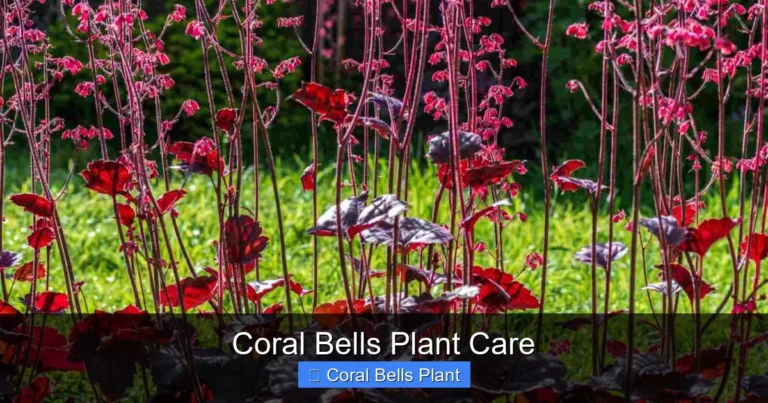
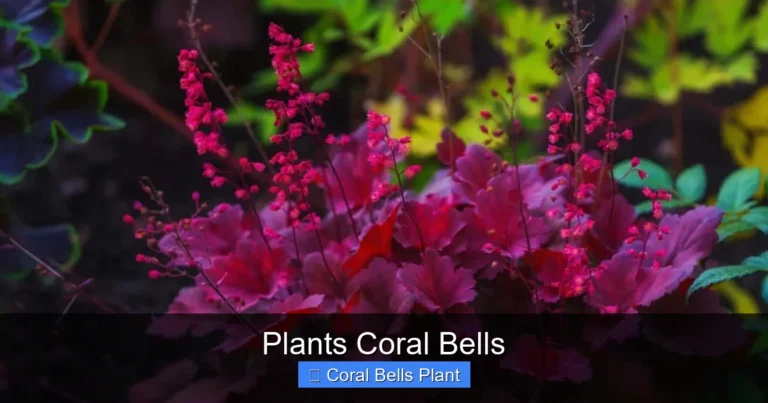
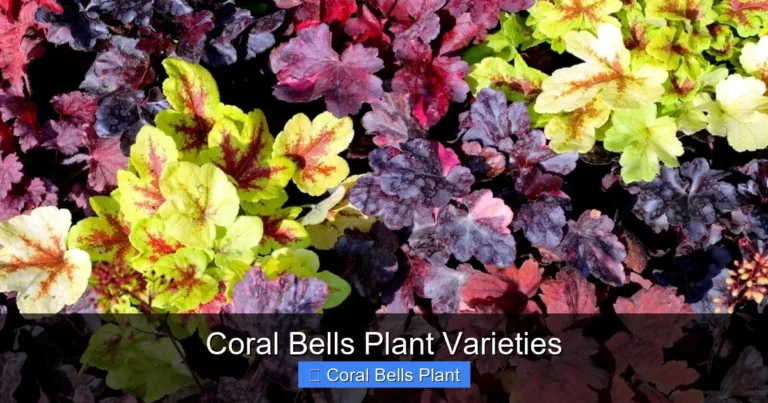
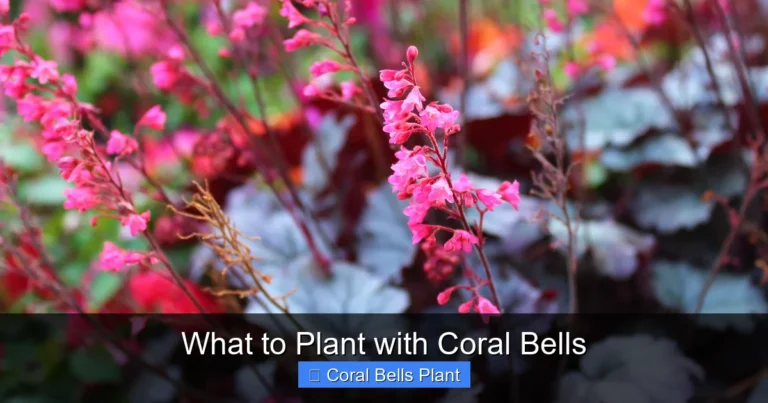
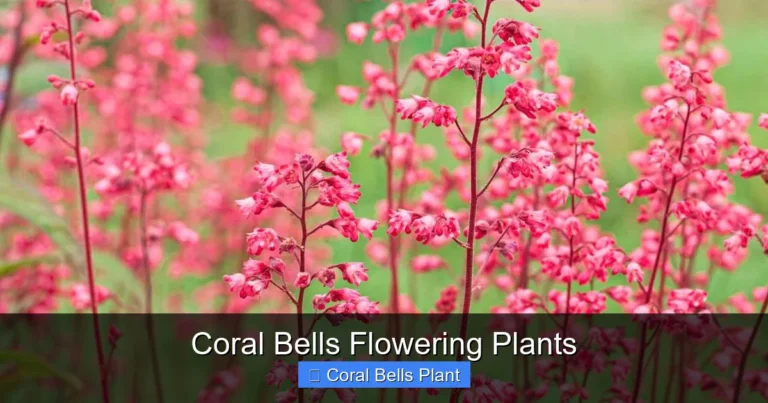
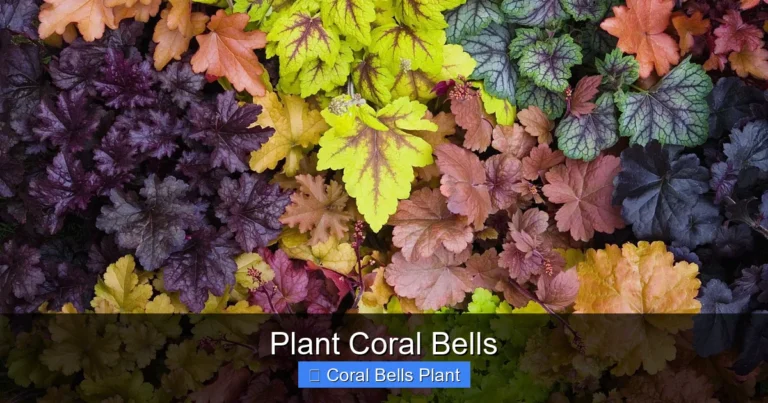
Coral bells are garden superstars. Their ruffled leaves come in shades of purple, caramel, lime, and near-black. They bloom with delicate bell-shaped flowers on tall wiry stems. But they shine brightest with the right neighbors. Companion plants for coral bells do more than look pretty. They create a living mulch that keeps soil cool and moist. They attract beneficial insects. They fill the gaps when Heuchera goes dormant in winter. A well-planned pairing turns a nice plant into a knockout garden scene.
I learned this the hard way. My first coral bells sat alone in a mulch island. They looked lonely. The soil dried out fast. Weeds moved in. Then I added Japanese painted ferns and a clump of ‘Jack Frost’ brunnera. The difference was instant. The fern’s silver fronds echoed the Heuchera’s veining. The brunnera’s heart-shaped leaves added bold texture. The bed held moisture better. Weeds gave up. That bed became my favorite corner of the garden.
Understanding Coral Bells’ Needs
Light Requirements
Most coral bells prefer partial shade. Morning sun with afternoon shade is ideal. Dark-leaved varieties like ‘Palace Purple’ or ‘Obsidian’ tolerate more sun. Light-leaved types like ‘Lime Rickey’ or ‘Citronelle’ scorch easily. Check your plant tag. Match companions to the same light level. This is rule number one for successful companion plants for coral bells.
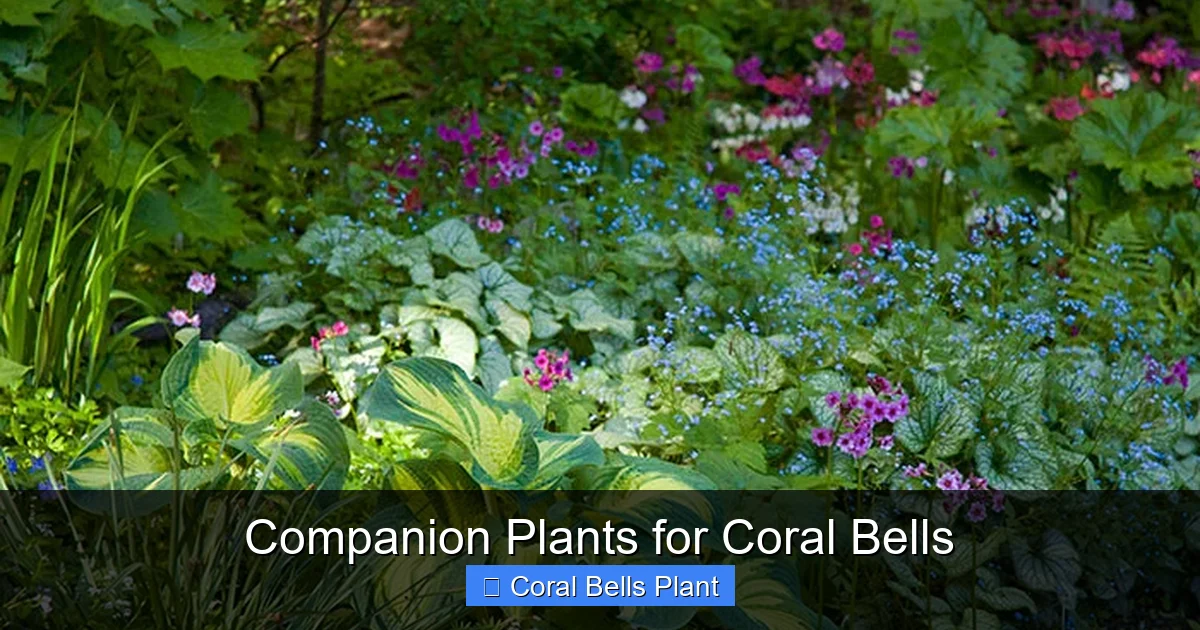
Visual guide about Companion Plants for Coral Bells
Image source: shuncy.com
Soil and Moisture Preferences
Heuchera wants well-drained soil rich in organic matter. They hate wet feet. Crown rot is the number one killer. They need consistent moisture but not soggy conditions. Amend heavy clay with compost. Mulch with shredded leaves or bark. Choose companions with similar drainage needs. Avoid thirsty plants that demand constant watering or bog plants that love standing water.
Root System Considerations
Coral bells have shallow, fibrous root systems. The crown sits at or just above soil level. Deep-rooted companions work well. They pull water from lower levels. Shallow, aggressive spreaders can smother Heuchera crowns. Watch out for vigorous ground covers like bishop’s weed or English ivy. They will win the territory war every time.
Top Perennial Companions for Shade Gardens
Hostas: The Classic Partners
Hostas and coral bells are a match made in shade garden heaven. Broad hosta leaves contrast beautifully with ruffled Heuchera foliage. Blue hostas like ‘Halcyon’ or ‘Blue Angel’ cool down hot coral bell colors. Gold hostas like ‘Sum and Substance’ echo chartreuse Heuchera varieties. Variegated hostas add pattern play. Both plants want the same things: dappled shade, rich soil, consistent moisture. Space them 18 to 24 inches apart. Divide hostas every few years to prevent crowding.
Ferns: Texture Masters
Ferns bring airy movement that coral bells lack. Japanese painted fern (Athyrium niponicum ‘Pictum’) is my top pick. Its silver and burgundy fronds mirror Heuchera’s color palette. Lady fern (Athyrium filix-femina) adds soft green texture. Autumn fern (Dryopteris erythrosora) emerges copper in spring. Christmas fern (Polystichum acrostichoides) stays evergreen for winter structure. Ferns root deeply. They don’t compete with shallow Heuchera roots. Plant them in drifts of three or five for natural impact.
Astilbes: Feathery Plumes
Astilbes bloom when coral bells finish their spring show. Their feathery plumes in pink, red, white, or lavender rise above fern-like foliage. ‘Fanal’ brings deep red. ‘Bridal Veil’ offers pure white. ‘Visions’ series stays compact. Astilbes need more moisture than Heuchera. Plant them in the naturally damp spots of your bed. Or add a soaker hose. Their dense roots help hold soil moisture for everyone.
Brunnera: Heart-Shaped Drama
Brunnera macrophylla ‘Jack Frost’ and ‘Looking Glass’ are shade garden royalty. Silver leaves with green veins catch light in dark corners. Tiny blue forget-me-not flowers appear in spring. They pair perfectly with purple or silver coral bells. ‘Dawson’s White’ has creamy white leaf margins. ‘Sea Heart’ offers thicker leaves for better slug resistance. Brunnera self-seeds gently. Transplant volunteers to expand your planting.
Ground Covers That Play Nice
Foamflower (Tiarella)
Foamflower is a coral bells cousin. Both belong to the Saxifragaceae family. They share the same cultural needs. Tiarella cordifolia spreads by runners to form a polite mat. Lobed leaves often have dark center markings. White or pink bottlebrush flowers appear in spring. ‘Spring Symphony’ blooms longer than most. ‘Sugar and Spice’ has lacy leaves. Plant foamflower at the front of the border. Let it weave around Heuchera crowns.
Wild Ginger (Asarum)
Wild ginger offers glossy, heart-shaped leaves that hug the ground. Asarum canadense is native to eastern North America. Asarum europaeum stays evergreen in milder zones. Both hide curious brownish flowers at soil level. They spread slowly by rhizomes. Deer ignore them. They thrive in dry shade once established. Perfect for the tough spots under trees where coral bells also struggle.
Barrenwort (Epimedium)
Epimedium is the ultimate dry shade warrior. Heart-shaped leaves on wiry stems turn bronze in fall. Spidery flowers in yellow, pink, orange, or white dance above foliage in spring. ‘Sulphureum’ is a tough yellow bloomer. ‘Rubrum’ offers pink and white. ‘Amber Queen’ has long-spurred amber flowers. Cut back old foliage in late winter before new growth emerges. Epimedium and coral bells are best friends for difficult sites.
Creeping Phlox (Phlox stolonifera)
Woodland phlox forms a loose mat of semi-evergreen foliage. Fragrant blue, pink, or white flowers cover plants in mid-spring. ‘Sherwood Purple’ is a classic. ‘Blue Ridge’ offers clear blue. ‘Home Fires’ brings deep pink. It spreads gently. It doesn’t smother. It blooms when coral bells start their flower spikes. The combination extends the spring show beautifully.
Grasses and Grass-Like Plants for Movement
Japanese Forest Grass (Hakonechloa)
Hakonechloa macra ‘Aureola’ is a showstopper. Cascading gold and green blades glow in shade. ‘All Gold’ is brighter. ‘Nicolas’ turns red in fall. This grass moves with the slightest breeze. It adds motion coral bells can’t provide. It roots deeply. It doesn’t run. Plant it where late afternoon light backlights the blades. The effect is magical.
Sedges (Carex)
Carex oshimensis ‘Evergold’ has cream-centered green blades. ‘Ice Dance’ offers white margins. ‘Blue Zinger’ brings steely blue. Sedges are technically not grasses but they play the same role. They’re evergreen in most zones. They tolerate wetter soil than Hakonechloa. ‘Bowles Golden’ (Carex elata) forms a stunning yellow fountain. Mix two or three Carex varieties for a tapestry effect.
Northern Sea Oats (Chasmanthium)
Chasmanthium latifolium adds height and architecture. Bamboo-like foliage turns copper in fall. Distinctive flat seed heads dangle from arching stems. They catch light and persist into winter. This native grass self-sows. Remove seed heads if you don’t want volunteers. It takes more sun than most shade companions. Use it at the sunny edge of a coral bells planting.
Spring Bulbs and Ephemerals for Early Color
Snowdrops and Crocus
Plant snowdrops (Galanthus) and crocus among coral bells in fall. They bloom before Heuchera leafs out fully. By the time coral bells need the space, bulbs are going dormant. Their foliage feeds the bulbs for next year. It disappears quietly. No cleanup needed. This is companion planting at its most efficient.
Virginia Bluebells (Mertensia)
Mertensia virginica carpets the ground with pink buds opening to blue bells. It goes completely dormant by early summer. Coral bells take over the real estate seamlessly. Plant them together. The bluebells’ brief glory makes the wait for Heuchera’s show worthwhile.
Trilliums and Bloodroot
Native spring ephemerals like trillium (Trillium grandiflorum) and bloodroot (Sanguinaria canadensis) belong in every shade garden. They evolved alongside coral bells in eastern woodlands. They share the same rhythm. They disappear when the heat arrives. They leave no mess. They just make the garden richer.
Design Strategies for Stunning Combinations
Color Echoes and Contrasts
Repeat a color from your coral bells in a companion plant. Purple Heuchera ‘Palace Purple’ with purple-leaf bugbane (Actaea ‘Brunette’). Chartreuse ‘Lime Rickey’ with gold hosta ‘Sun Power’. Silver ‘Silver Scrolls’ with Japanese painted fern. Or contrast deliberately. Dark ‘Black Pearl’ coral bells against white-variegated brunnera. Caramel ‘Caramel’ Heuchera with blue hosta ‘Halcyon’. The eye loves both harmony and tension.
Leaf Shape and Texture Play
Mix leaf forms for maximum interest. Ruffled coral bells plus broad hosta leaves plus lacy fern fronds plus strappy grass blades. Four distinct textures in one bed. Add glossy wild ginger. Add matte foamflower. The variety keeps the eye moving. Even when nothing blooms, the foliage party continues.
Height Layering
Think in layers. Ground huggers: foamflower, wild ginger, creeping phlox. Mid-level: coral bells, hostas, brunnera, epimedium. Taller accents: Japanese forest grass, astilbe, bugbane, Solomon’s seal. Vertical punctuation: bugbane flower spikes, sea oats seed heads. Each layer visible. None completely hidden. This creates depth in a small space.
Seasonal Succession Planning
Map your bloom calendar. March: snowdrops, crocus, hellebores. April: Virginia bluebells, trillium, bloodroot, foamflower. May: brunnera, creeping phlox, coral bells start blooming. June: astilbe, Japanese forest grass shines, hostas fully leafed. July: bugbane buds forming. August: bugbane blooms. Fall: fern fronds turn gold, grass blades color up. Winter: evergreen sedges, Christmas fern, hellebore foliage. Something beautiful every week.
Container Combinations for Patios and Porches
Thriller, Filler, Spiller Formula
Coral bells make perfect fillers in shade containers. Their mounded habit bridges tall and trailing elements. For thriller, use Japanese forest grass in the center. Or a dwarf conifer like ‘Nana’ hinoki cypress. For spillers, try creeping jenny (Lysimachia nummularia ‘Aurea’) or variegated ivy (kept in check). The coral bells fill the middle with color all season.
All-Foliage Containers
Skip flowers entirely. Build a container from foliage alone. Center: ‘All Gold’ Hakonechloa. Middle ring: ‘Obsidian’ coral bells, ‘Jack Frost’ brunnera, ‘Evergold’ sedge. Edge: ‘Aurea’ creeping jenny, ‘Burgundy Glow’ ajuga. This pot looks good in January and July. Water consistently. Feed monthly with dilute liquid fertilizer. Refresh annually.
Seasonal Swap-Outs
Keep the coral bells permanent. Swap companions seasonally. Spring: add potted tulips or daffodils behind Heuchera. Summer: tuck in blooming impatiens or begonias. Fall: replace with ornamental kale or pansies. Winter: add cut evergreen branches and red-twig dogwood stems. The coral bells anchor the design year-round.
Common Mistakes to Avoid
Overcrowding
Coral bells need air circulation. Crowded plants develop fungal diseases. Powdery mildew. Rust. Crown rot. Space plants at mature width. Not the width on the tag at planting time. The width in three years. Divide or transplant when they touch. This is the single biggest mistake I see.
Mismatched Water Needs
Don’t pair coral bells with bog plants. Or with xeric plants. Astilbes need more water. Sedums need less. You’ll overwater one or underwater the other. Group plants by hydrozone. Water each zone appropriately. Your plants will thank you.
Ignoring Root Competition
Tree roots are the silent killer. Maples, beeches, and oaks have dense surface roots. They steal water and nutrients. Coral bells planted under trees often decline. If you must plant there, use containers sunk into the ground. Or build raised beds with fresh soil. Or choose the toughest companions: epimedium, wild ginger, Christmas fern.
Forgetting Winter Interest
Many coral bells are semi-evergreen. They look ratty by February. Plan for winter. Include evergreen sedges. Christmas fern. Hellebores. Epimedium (semi-evergreen). Bergenia. These carry the bed through the gray months. Cut back tattered Heuchera leaves in early spring. Fresh growth emerges fast.
Maintenance Tips for Healthy Plant Communities
Spring Cleanup
Remove winter mulch gradually. Cut back dead foliage on grasses, ferns, and epimediums before new growth starts. Don’t step on emerging shoots. Apply a thin layer of compost around crowns. Not on top of them. Heuchera crowns rot if buried. Check for heaved plants. Gently firm them back in.
Dividing and Transplanting
Divide coral bells every three to four years. Spring or early fall. Dig the clump. Pull apart woody crowns with roots attached. Replant at same depth. Water well. Divide hostas and astilbes at the same time. Share divisions with friends. Or expand your own beds. Regular division keeps plants vigorous.
Feeding the Community
Top-dress with compost annually. Skip synthetic fertilizers. They promote soft growth prone to disease. A spring application of slow-release organic fertilizer works for heavy feeders like astilbe. Most shade perennials thrive on compost alone. Mulch with shredded leaves in fall. They break down by spring.
Pest and Disease Monitoring
Watch for vine weevil notches on Heuchera leaves. The larvae eat roots. Apply beneficial nematodes in spring. Slugs love hostas and brunnera. Use iron phosphate bait. Beer traps work too. Powdery mildew appears in humid summers. Improve air flow. Remove affected leaves. Don’t compost diseased material.
Regional Considerations for Companion Selection
Hot Southern Gardens
In zones 8-9, coral bells need more shade. Choose heat-tolerant varieties like ‘Southern Comfort’ or ‘Georgia Peach’. Pair with autumn fern, cast iron plant (Aspidistra), and rohdea. These take heat and humidity. Provide afternoon shade. Mulch heavily. Water during dry spells.
Cold Northern Gardens
In zones 3-4, choose hardy coral bells like ‘Palace Purple’ or the Northern Exposure series. Pair with very hardy companions: ‘Halcyon’ hosta, ostrich fern (Matteuccia), ligularia, and goat’s beard (Aruncus). Mulch deeply after ground freezes. Cut back in spring, not fall.
Dry Western Gardens
In low-humidity regions, amend soil heavily with organic matter. Use drip irrigation. Choose drought-tolerant companions: epimedium, bergenia, hellebores, and ornamental grasses. Group plants with similar water needs. Mulch with gravel or stone to reduce evaporation.
Creating a Coral Bells Collection Garden
Theme by Color Family
Plant a purple collection: ‘Palace Purple’, ‘Plum Pudding’, ‘Berry Smoothie’, ‘Forever Purple’. Add purple companions: bugbane ‘Brunette’, purple-leaf sedum, purple coneflower (in sunnier spots). Or a silver collection: ‘Silver Scrolls’, ‘Steel City’, ‘Appletini’. Pair with Japanese painted fern, ‘Jack Frost’ brunnera, ‘Evergold’ sedge. A themed bed has instant cohesion.
Theme by Leaf Shape
Collect ruffled varieties: ‘Caramel’, ‘Peach Flambe’, ‘Midnight Rose’, ‘Electric Lime’. The texture repetition is mesmerizing. Add companions with contrasting smooth leaves: hostas, brunnera, bergenia. Or go all ruffled with tiarella and heucherella hybrids. The textural intensity creates a tactile garden.
Theme by Bloom Time
Select coral bells for sequential flowering. Early: ‘Green Spice’, ‘Marmalade’. Mid: ‘Fire Alarm’, ‘Georgia Peach’. Late: ‘Citronelle’, ‘Lime Rickey’. Fill gaps with companions that bloom in between. The flower show lasts months. Hummingbirds visit all season.
Conclusion
Companion plants for coral bells transform a pretty perennial into a garden masterpiece. The right neighbors solve problems. They conserve moisture. They suppress weeds. They extend seasonal interest. They create the layered, textural richness that makes shade gardens magical. Start with one great pairing. A coral bells and a Japanese painted fern. A Heuchera and a ‘Jack Frost’ brunnera. Watch how they interact. Learn their rhythms. Then add another layer. And another. Before you know it, you’ve built a plant community that supports itself and delights you every day of the year. Your coral bells will thank you. Your back will thank you. Less weeding. Less watering. More beauty. That’s the power of smart companion planting.
Frequently Asked Questions
What plants should not be planted near coral bells?
Avoid aggressive spreaders like bishop’s weed, English ivy, and mint family plants that will smother coral bells’ shallow crowns. Also avoid plants with vastly different water needs such as bog plants or drought-loving succulents.
Can coral bells be planted under trees?
Yes, but tree roots compete for water. Use containers sunk in the ground, build raised beds, or choose the toughest companions like epimedium, wild ginger, and Christmas fern that tolerate dry shade and root competition.
Do coral bells spread on their own?
Coral bells form slowly expanding clumps but don’t run or spread aggressively. They may self-seed occasionally, but seedlings rarely come true to the parent plant’s color.
How do I prevent crown rot in coral bells when planting with companions?
Plant crowns at or slightly above soil level, never buried. Use well-draining soil amended with compost. Mulch around plants, not over crowns. Ensure good air circulation by proper spacing.
Can I grow coral bells and companions in containers together?
Absolutely. Coral bells make excellent container fillers. Pair with thriller plants like Japanese forest grass and spillers like creeping jenny. Use quality potting mix, ensure drainage, and water consistently.
What companion plants provide winter interest with coral bells?
Evergreen sedges (Carex), Christmas fern, hellebores, bergenia, and semi-evergreen epimedium provide winter structure when coral bells foliage declines in cold climates.