Wild.ginger Plant
The wild.ginger plant is a low‑growing woodland perennial prized for its aromatic rhizomes and heart‑shaped leaves. It thrives in shady, moist soils and offers both culinary flavor and traditional medicinal benefits.
Key Takeaways
- Easy identification: Look for heart‑shaped leaves and small brownish flowers near the ground.
- Shade lover: The wild.ginger plant prefers dappled light and consistently damp soil.
- Edible rhizomes: Young roots can be harvested for a mild ginger‑like taste.
- Medicinal history: Indigenous peoples used the wild.ginger plant for digestive relief and colds.
- Low maintenance: Once established, the wild.ginger plant spreads slowly and needs little care.
- Wildlife value: The wild.ginger plant provides cover for small insects and amphibians.
- Propagation: Divide clumps in early spring or sow fresh seeds for new plants.
Quick Answers to Common Questions
What does the wild.ginger plant taste like?
The rhizome has a mild, sweet ginger flavor with earthy undertones.
Can the wild.ginger plant grow in full sun?
No, the wild.ginger plant prefers shade and will scorch in direct sun.
When is the best time to divide the wild.ginger plant?
Early spring before new shoots appear is the ideal time for division.
Is the wild.ginger plant toxic to pets?
The wild.ginger plant is generally considered non‑toxic, but large amounts may cause stomach upset.
How do I harvest rhizomes without killing the plant?
Dig gently around the clump, take a few outer roots, and leave the central crown intact.
📑 Table of Contents
Introduction
When you walk through a moist forest floor you may notice a low carpet of green leaves. That carpet is often the wild.ginger plant. It hides in the shade and smells faintly of spice. Many gardeners love it because it adds texture without much work.
In this guide you will learn what the wild.ginger plant is, where it grows, how to spot it, and how to use it. You will also get tips for planting and caring for the wild.ginger plant in your own yard. The information is simple and practical so you can start right away.
What Is Wild Ginger Plant?
Botanical Background
The wild.ginger plant belongs to the family Aristolochiaceae. Its scientific name is Asarum canadense in North America. In Europe the related species Asarum europaeum is called European wild ginger. Both share similar habits and appearance. The wild.ginger plant is a perennial herb that lives for many years.
Common Names and Varieties
People call the wild.ginger plant by many names. Some say “Canadian wild ginger” or “woodland ginger.” Others use “heartleaf ginger” because of the leaf shape. There are a few cultivated varieties. They differ mainly in leaf size and flower color. All varieties keep the same low growth habit.
Habitat and Growing Conditions
Preferred Soil
The wild.ginger plant likes rich, loamy soil that holds moisture. It does not tolerate dry, sandy ground. Adding leaf mold or compost improves the soil for the wild.ginger plant. A slightly acidic pH around 5.5 to 6.5 works best.
Light and Moisture Needs
Full shade or dappled light is ideal for the wild.ginger plant. Direct sun can scorch the leaves. The wild.ginger plant needs consistent moisture. Mulching with shredded leaves helps keep the root zone damp. Water during dry spells to prevent stress.
Identification Tips
Leaf Shape and Texture
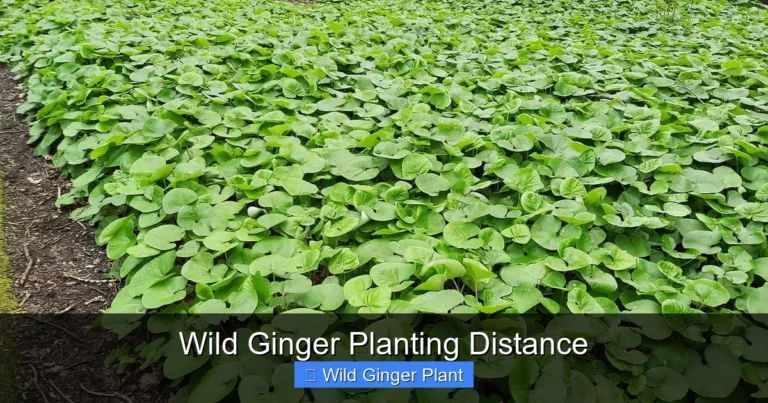
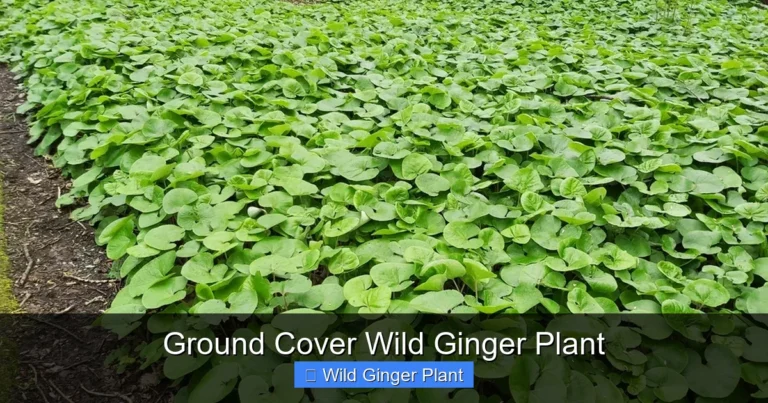
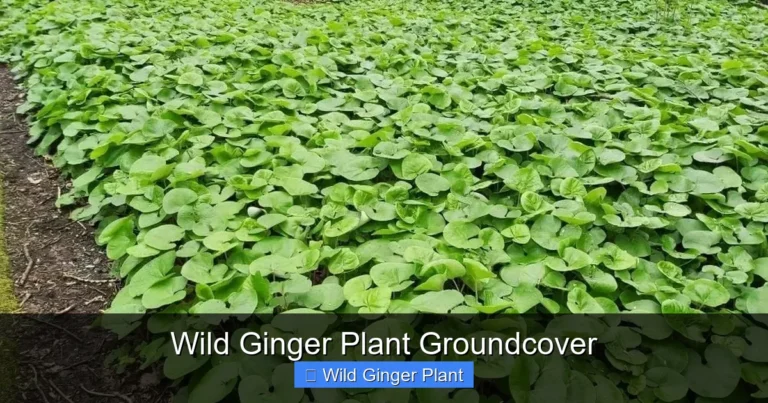
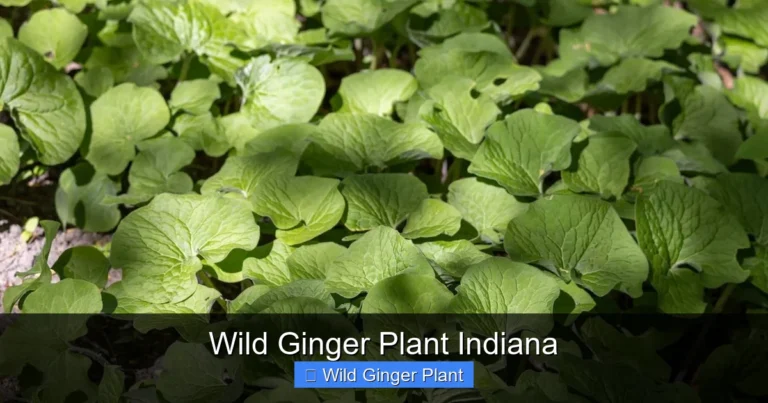
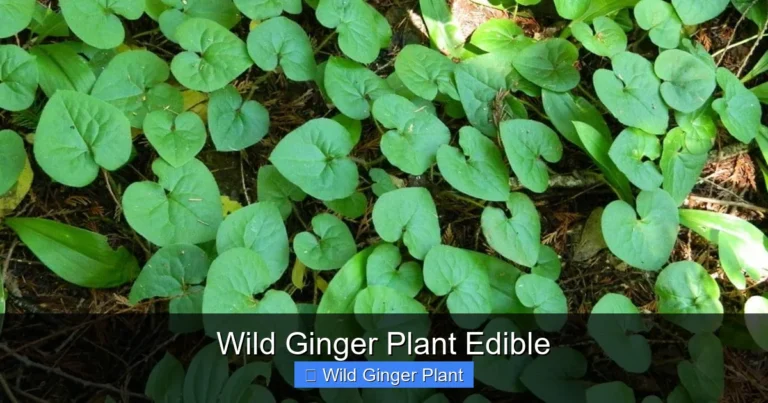
Leaves of the wild.ginger plant are kidney‑shaped or heart‑shaped. They are smooth, glossy, and dark green. Each leaf grows on a short stalk that rises from the rhizome. The leaf margin is entire, not toothed.
Flower Characteristics
Flowers of the wild.ginger plant are hidden at ground level. They are bell‑shaped, brownish‑purple, and have three lobes. The flowers appear in early spring before the leaves fully expand. Because they sit low, you often need to lift the foliage to see them.
Uses and Benefits
Culinary Uses
The rhizome of the wild.ginger plant has a mild ginger flavor. It can be peeled, sliced, and added to teas, soups, or stir‑fries. Use only young, tender roots for the best taste. Older roots become fibrous and less aromatic.
Medicinal Traditions
Indigenous peoples used the wild.ginger plant for stomach aches, nausea, and colds. A tea made from the rhizome was a common remedy. Modern herbalists still value the wild.ginger plant for its anti‑inflammatory compounds. Always consult a health professional before using any herb medicinally.
Ecological Role
The wild.ginger plant forms a dense mat that protects soil from erosion. Its leaves shelter beetles, springtails, and small amphibians. The flowers attract early pollinators such as flies and beetles. By planting the wild.ginger plant you support a healthy forest floor community.
Cultivation and Care
Planting Steps
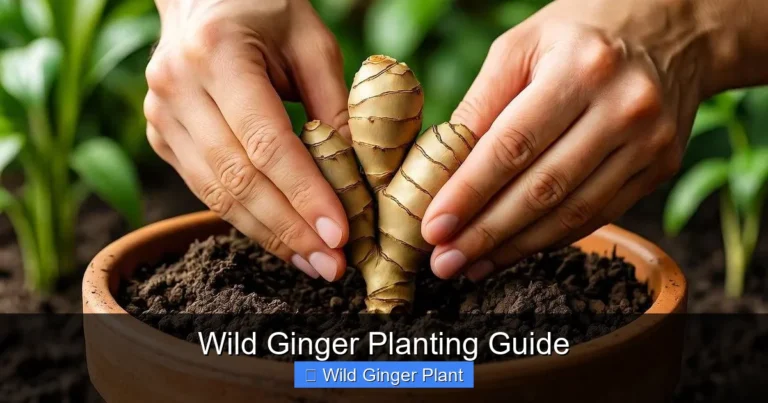
Choose a shady spot with moist, rich soil. Dig a hole twice as wide as the root ball. Place the wild.ginger plant so the crown sits at soil level. Backfill with amended soil and water thoroughly. Mulch with leaf litter to retain moisture.
Maintenance and Propagation
The wild.ginger plant needs little fertilizer. A light top‑dressing of compost in spring is enough. Remove any dead leaves in late winter. To propagate, divide clumps in early spring before new growth starts. Replant divisions at the same depth. Seeds can be sown fresh in a cold frame; they need a period of cold stratification.
Potential Problems and Solutions
Pests
Slugs and snails may chew the tender leaves of the wild.ginger plant. Hand‑pick them at night or use copper tape around the bed. Diatomaceous earth also deters these pests. Keep the area free of excess debris to reduce hiding places.
Diseases
Root rot can occur if the soil stays soggy without drainage. Ensure the planting site drains well. If you see yellowing leaves and mushy roots, improve drainage and reduce watering. Fungal leaf spots are rare but can be treated with a copper‑based fungicide if needed.
Conclusion
The wild.ginger plant is a versatile, low‑maintenance perennial that brings beauty, flavor, and ecological value to shady gardens. With simple soil preparation, consistent moisture, and occasional division, the wild.ginger plant will thrive for years. Whether you harvest its rhizomes for a gentle spice or enjoy its glossy foliage, the wild.ginger plant rewards careful gardeners. Start a patch today and watch the forest floor come alive in your own backyard.
Frequently Asked Questions
What soil pH does the wild.ginger plant prefer?
The wild.ginger plant thrives in slightly acidic soil with a pH between 5.5 and 6.5.
How often should I water the wild.ginger plant?
Keep the soil consistently moist; water whenever the top inch feels dry.
Can I grow the wild.ginger plant in a container?
Yes, use a deep pot with rich, moisture‑retentive mix and place it in shade.
Does the wild.ginger plant spread aggressively?
It spreads slowly by rhizomes and is not considered invasive in most gardens.
Are there any look‑alike plants to avoid?
Some Asarum species look similar; always confirm identification before consuming.
What companion plants work well with the wild.ginger plant?
Ferns, hostas, and trilliums share the same shade and moisture preferences.