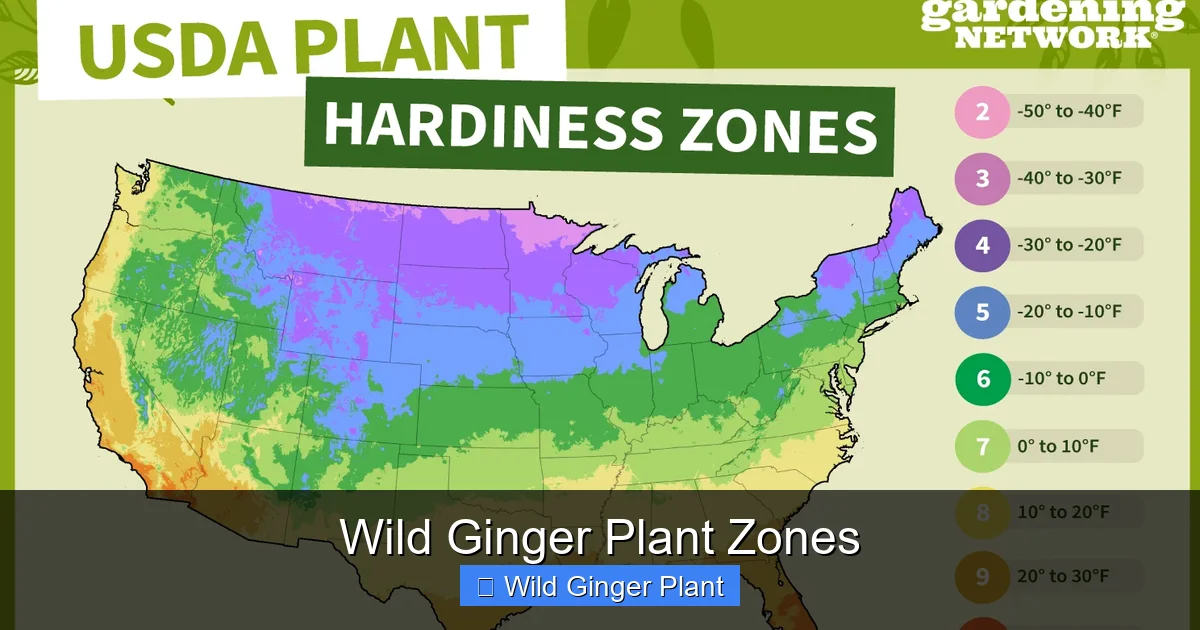
Wild Ginger Plant Zones
Wild ginger plant zones define where this shade‑loving perennial thrives. Knowing your zone helps you pick the right site, soil, and watering schedule.
Welcome to the guide on wild ginger plant zones. This article will help you understand where wild ginger thrives. You will learn about climate, soil, and care needs. The goal is to make planting easy for every gardener.
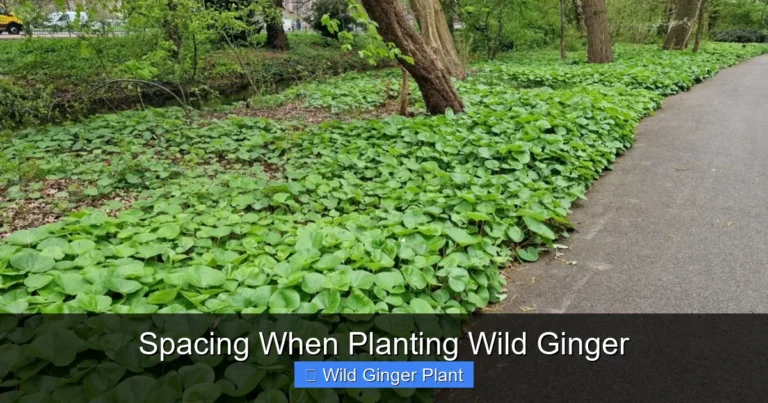
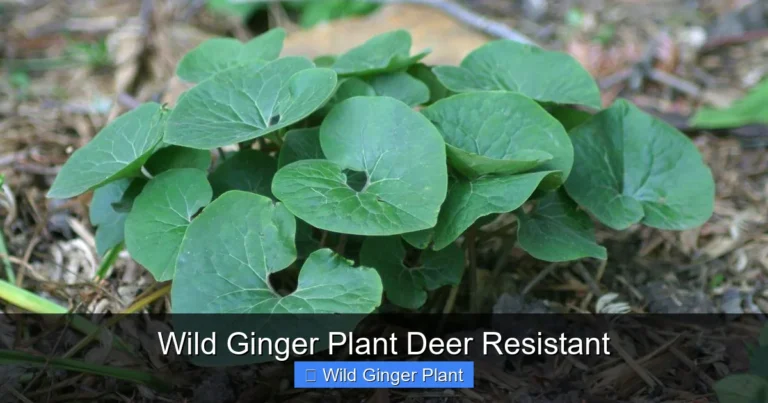
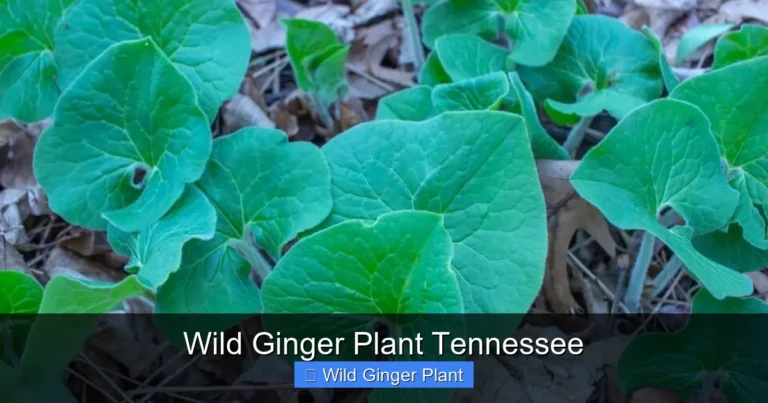
Wild ginger is a low‑growing perennial that loves shade. It spreads slowly by rhizomes. The plant produces heart‑shaped leaves and hidden flowers. Knowing the right zone ensures success.
We will cover the main factors that define wild ginger plant zones. You will see regional examples and practical tips. Let’s dive in.
Key Takeaways
- Zone Range: Wild ginger grows best in USDA zones 3 through 8.
- Shade Preference: It needs deep to partial shade for healthy foliage.
- Moist Soil: Consistently moist, well‑drained soil is essential.
- Temperature Tolerance: Cold hardy but suffers in extreme heat.
- Regional Variability: Local microclimates can shift the effective zone.
- Companion Planting: Pair with ferns and hostas for a woodland look.
Quick Answers to Common Questions
What are the best USDA zones for wild ginger?
Wild ginger grows best in USDA zones 3 through 8.
How much shade does wild ginger need?
It prefers deep to partial shade for optimal growth.
What soil type works best?
Rich, loamy, well‑drained soil with high organic matter is ideal.
How often should I water wild ginger?
Water deeply once a week during the growing season, keeping soil evenly moist.
Can wild ginger tolerate heat?
It struggles above 85°F; provide afternoon shade in warm zones.
📑 Table of Contents
Understanding Wild Ginger Plant Zones
Wild ginger plant zones refer to the USDA hardiness zones where this plant grows well. The typical range is zone 3 to zone 8. In these zones winter lows are cold enough for dormancy. Summer highs stay moderate enough to avoid heat stress.
Why Zones Matter
Zones guide gardeners on planting times. They also indicate frost dates. If you plant outside the recommended zone the plant may die. Always check your local zone map before buying.
Microclimate Effects
Microclimates can shift the effective zone by one or two numbers. A sheltered north‑facing slope stays cooler. A sunny south‑facing wall stays warmer. Observe your garden to know the true zone.
Climate Factors That Shape Zones
Temperature is the primary factor for wild ginger plant zones. The plant needs a chilling period in winter. It also prefers cool summers. High humidity helps but is not required.
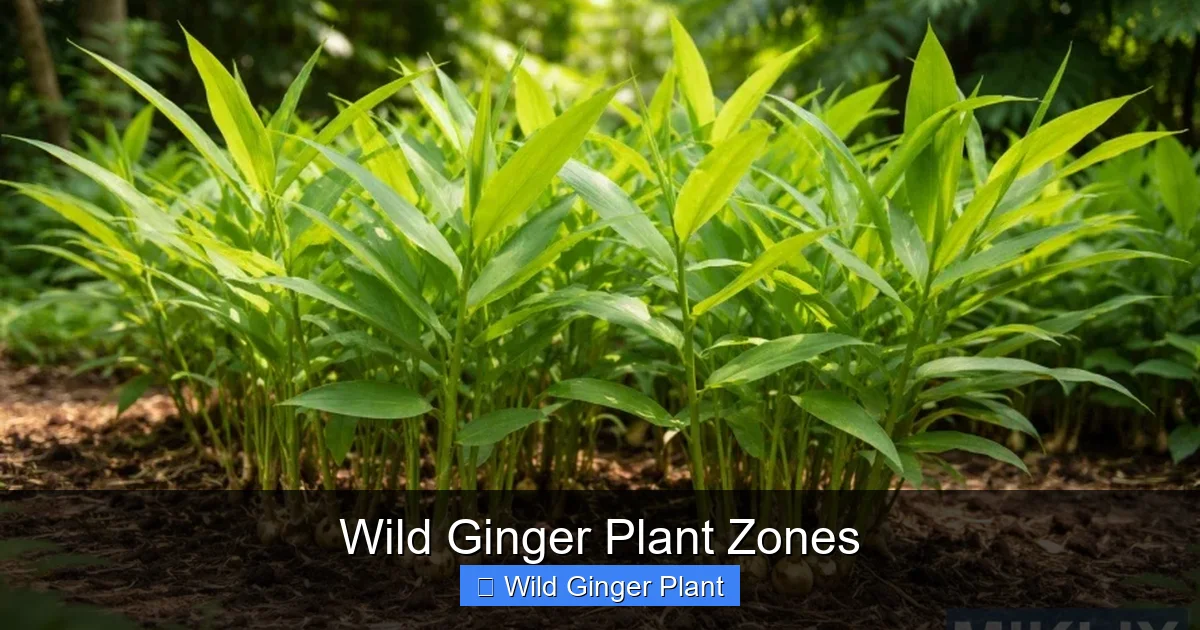
Visual guide about Wild Ginger Plant Zones
Image source: miklix.com
Winter Chill Requirements
Wild ginger needs at least 800 chill hours below 45°F. Zones 3‑7 usually provide this. Zone 8 may be marginal in mild winters. Consider a cold frame if chill hours are low.
Summer Heat Limits
Temperatures above 85°F for extended periods cause leaf scorch. In zone 8 and warmer areas provide afternoon shade. Mulch helps keep roots cool.
Precipitation Patterns
Consistent moisture supports rhizome growth. Areas with 30‑50 inches annual rain are ideal. Supplemental watering is needed in dry spells.
Soil and Moisture Preferences
Soil texture and moisture define the practical wild ginger plant zones in your yard. The plant prefers rich, loamy soil with high organic matter. Good drainage prevents root rot.
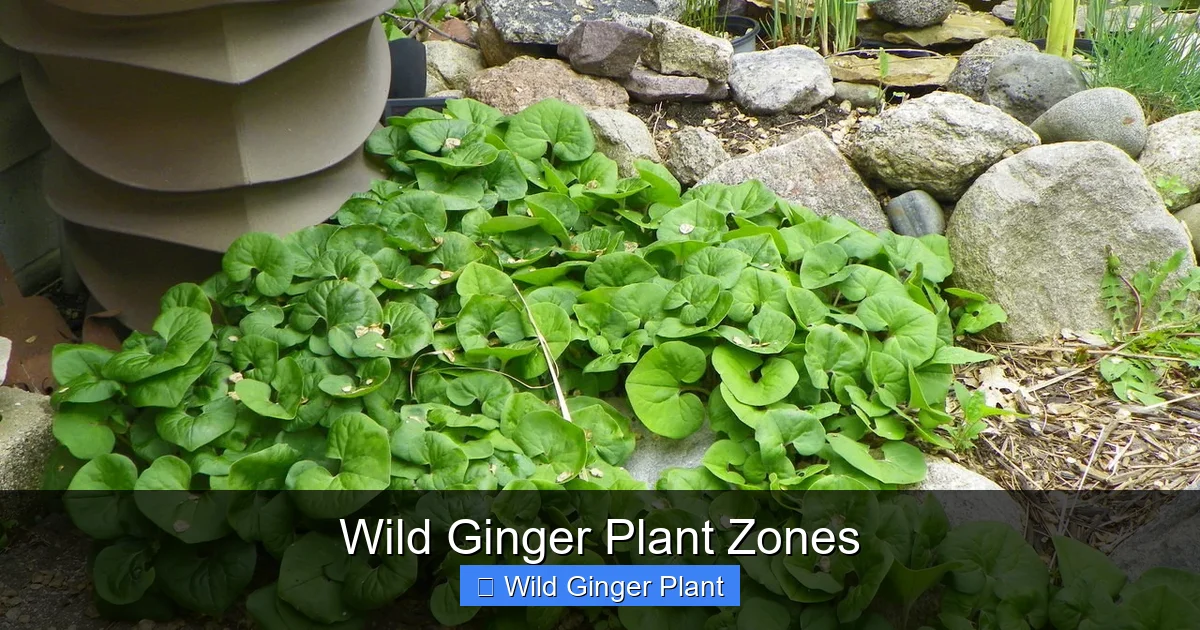
Visual guide about Wild Ginger Plant Zones
Image source: cdn11.bigcommerce.com
Ideal Soil Mix
Mix equal parts compost, leaf mold, and native soil. This creates a moisture‑retentive yet airy medium. Test pH; aim for 5.5 to 6.5.
Watering Guidelines
Water deeply once a week during the growing season. Keep soil evenly moist but not soggy. Reduce watering in late fall as the plant goes dormant.
Mulching Benefits
Apply a 2‑inch layer of shredded leaves or bark. Mulch conserves moisture and suppresses weeds. It also mimics the forest floor environment.
Regional Examples Across North America
Different regions illustrate how wild ginger plant zones play out in real gardens. Below are three common scenarios.
Northeast Woodlands
In New England zones 4‑6 the plant thrives under maple and oak canopy. Natural leaf litter provides mulch. Little extra care is needed.
Midwest Shade Gardens
In the Great Lakes area zones 5‑7 gardeners plant wild ginger along north‑facing borders. Supplemental watering helps during July heat waves.
Pacific Northwest Rainforests
Coastal zones 7‑8 offer abundant rain and mild temps. Wild ginger forms dense carpets. Watch for slug damage in wet springs.
Tips for Gardeners in Each Zone
Practical advice varies by zone. Follow these guidelines to match your local wild ginger plant zones.
Zone 3‑4 Cold Climates
- Plant in early spring after the last frost.
- Use a thick mulch layer for winter protection.
- Choose a site with deep shade.
Zone 5‑6 Temperate Climates
- Plant in spring or early fall.
- Water consistently during dry spells.
- Divide clumps every three years.
Zone 7‑8 Mild Climates
- Provide afternoon shade to avoid heat stress.
- Monitor soil moisture closely in summer.
- Consider a raised bed for better drainage.
Common Problems and Solutions
Even in the right wild ginger plant zones issues can arise. Recognize symptoms early for quick fixes.
Leaf Scorch
Brown edges indicate too much sun or heat. Move the plant to deeper shade. Increase mulch depth.
Root Rot
Soggy soil leads to blackened roots. Improve drainage with coarse sand. Reduce watering frequency.
Pest Damage
Slugs and snails love the tender leaves. Use beer traps or copper tape. Hand‑pick at night.
Poor Spread
If the clump stays small, soil may be too dry or compacted. Loosen soil and add organic matter. Ensure consistent moisture.
Understanding wild ginger plant zones is the first step to a thriving shade garden. Match your USDA zone, microclimate, and soil to the plant’s needs. Provide shade, moisture, and rich organic soil. Follow the zone‑specific tips for planting, watering, and maintenance. With a little attention you will enjoy a lush carpet of heart‑shaped leaves for years. Happy gardening.
Frequently Asked Questions
What is the hardiness range for wild ginger?
Wild ginger is hardy in USDA zones 3 to 8, tolerating winter lows down to -40°F in zone 3.
Does wild ginger need fertilizer?
Light feeding with compost in spring is enough; avoid high nitrogen fertilizers.
How do I propagate wild ginger?
Divide rhizomes in early spring or fall; each piece should have a bud and roots.
Is wild ginger invasive?
It spreads slowly by rhizomes and is not considered invasive in most gardens.
What companion plants pair well?
Ferns, hostas, and trilliums create a natural woodland community.
How do I protect wild ginger in winter?
Apply a thick mulch layer after the ground freezes to insulate the rhizomes.