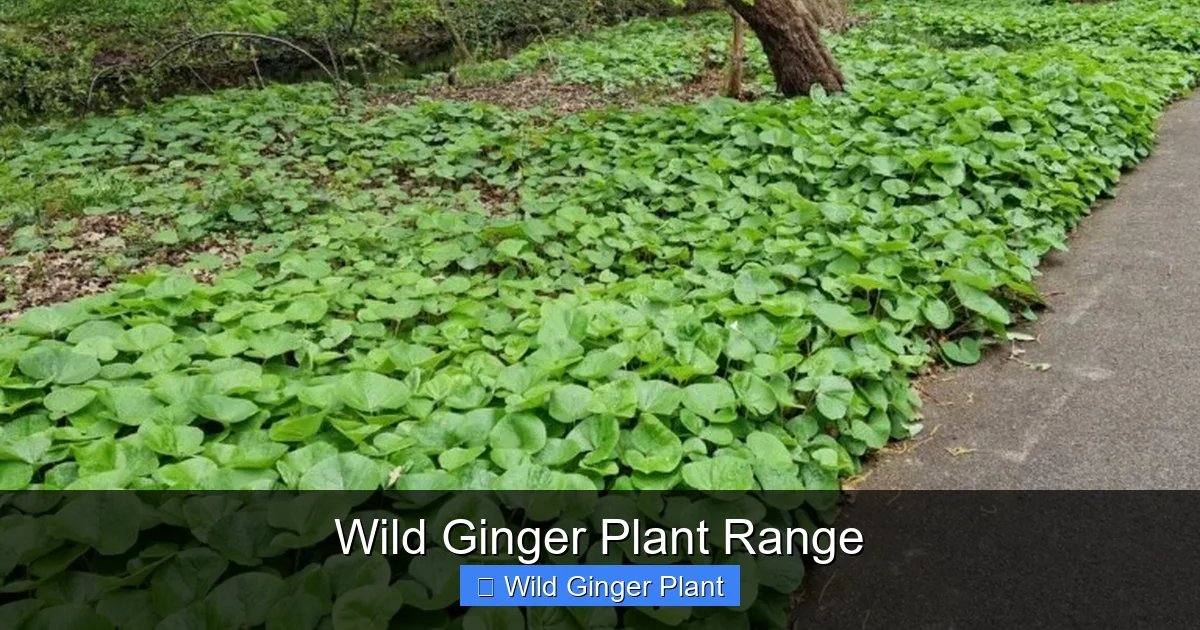
Wild Ginger Plant Range
The wild ginger plant range stretches across cool, moist woodlands from Canada to the southeastern United States and into parts of Europe. Understanding its distribution helps gardeners and conservationists protect this valuable groundcover.
Key Takeaways
- Broad geographic spread: The wild ginger plant range covers temperate forests in North America and Europe.
- Shade‑loving habit: It thrives in rich, moist, well‑drained soils under deciduous canopies.
- Multiple species: Asarum canadense and Asarum europaeum are the most common representatives.
- Ecological importance: Provides early‑season nectar for pollinators and stabilizes forest floor soils.
- Cultivation friendly: Easy to propagate by division or seed when site conditions match its native range.
- Conservation concerns: Habitat loss and invasive species threaten parts of the wild ginger plant range.
- Cultural uses: Historically used for flavoring, medicine, and ornamental shade gardens.
Quick Answers to Common Questions
What defines the wild ginger plant range?
The wild ginger plant range is defined by cool, moist, shaded woodlands with rich, well‑drained soils across northern North America and temperate Europe.
Which species are most common in the wild ginger plant range?
Asarum canadense in eastern North America and Asarum europaeum in Europe are the two most widespread species within the wild ginger plant range.
Can I grow wild ginger outside its native range?
Yes, you can grow wild ginger outside the wild ginger plant range if you replicate shade, moisture, and humus‑rich soil conditions.
What pollinators visit wild ginger flowers?
Early‑season flies and beetles are the primary pollinators attracted to the low, musty‑scented flowers throughout the wild ginger plant range.
How does climate change affect the wild ginger plant range?
Warmer temperatures push the suitable habitat northward, threatening southern populations of the wild ginger plant range unless cool microrefugia exist.
📑 Table of Contents
- Understanding the Wild Ginger Plant Range
- Species Overview Within the Wild Ginger Plant Range
- Ecological Role of the Wild Ginger Plant Range
- Cultivation Tips for Gardeners Across the Wild Ginger Plant Range
- Conservation Status and Threats to the Wild Ginger Plant Range
- Practical Uses and Cultural Significance of the Wild Ginger Plant Range
- Conclusion
Understanding the Wild Ginger Plant Range
The wild ginger plant range is a term that describes where these low‑growing perennials naturally occur. You will find them in cool, moist woodlands across the northern United States, much of Canada, and into parts of Europe. The plants prefer the dappled light that filters through a mature deciduous canopy. Because they spread slowly by rhizomes, they form dense mats that protect the forest floor.
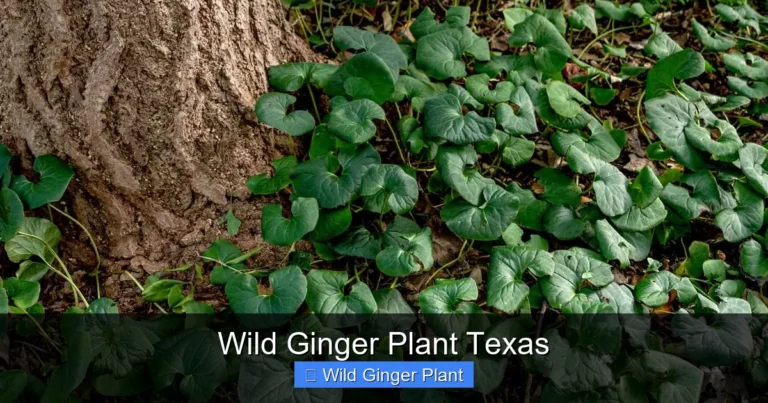
When you walk through a mature maple‑oak forest in early spring, you may notice the heart‑shaped leaves hugging the ground. That is a sure sign you are inside the wild ginger plant range. The range extends from the Great Lakes region down to the Appalachian Mountains and westward into the Pacific Northwest where moisture remains high. In Europe, the range covers temperate zones from the British Isles to the Carpathians.
Geographic Distribution
The core of the wild ginger plant range in North America lies in the eastern deciduous forest belt. States like Michigan, Wisconsin, New York, and Pennsylvania host large populations. Moving south, the range thins out but persists in high‑elevation coves of the Appalachians. In the west, isolated pockets appear in the coastal rainforests of Washington and Oregon. European populations mirror this pattern, favoring ancient woodlands with deep leaf litter.
Habitat Preferences
Soil richness is a key factor across the wild ginger plant range. The plants thrive in humus‑rich, slightly acidic soils that retain moisture but drain well. They avoid compacted or heavily disturbed ground. A thick layer of decomposing leaves supplies the nutrients they need. You will rarely see them in open meadows or dry ridges.
Climate Influence
Cool summers and cold winters define the climate envelope of the wild ginger plant range. The plants require a period of winter chilling to break dormancy. Summer temperatures above 85 °F can stress them, especially if soil moisture drops. This climate requirement explains why the range stops at the southern edge of the temperate zone.
Species Overview Within the Wild Ginger Plant Range
Several species share the wild ginger plant range, each with subtle differences. Knowing which species grows in your area helps with identification and cultivation.
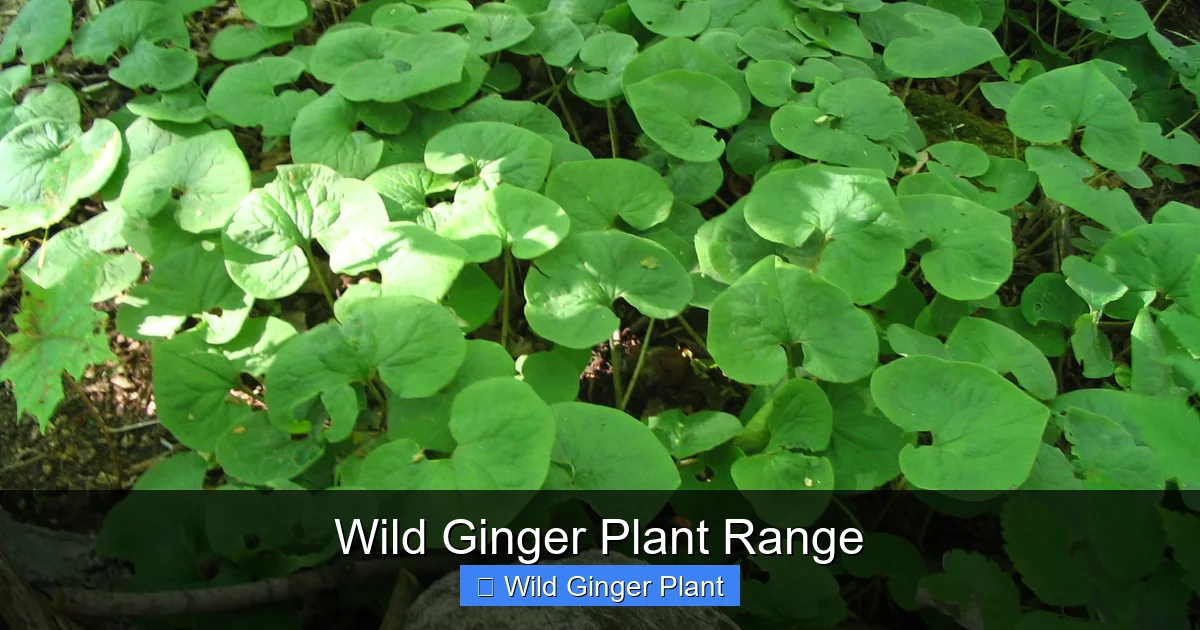
Visual guide about Wild Ginger Plant Range
Image source: ontarioflora.ca
Asarum canadense
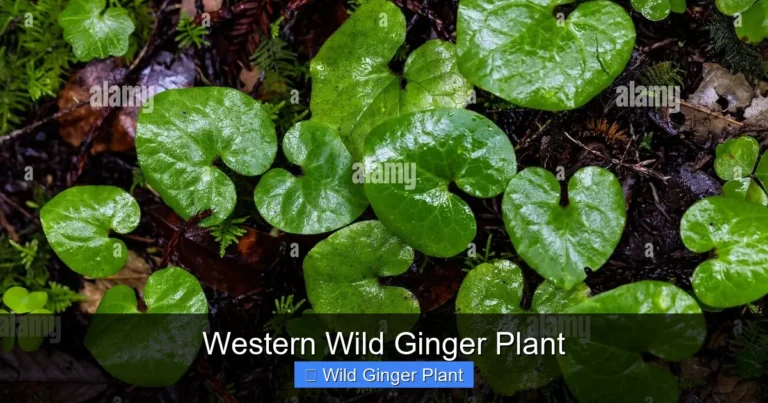
Commonly called Canadian wild ginger, this species dominates the eastern North American portion of the wild ginger plant range. It bears a single, purplish‑brown flower hidden beneath the leaf litter. The rhizome emits a ginger‑like aroma when crushed, giving the plant its name. Gardeners prize it for its glossy, kidney‑shaped leaves that stay green all season.
Asarum europaeum
European wild ginger occupies the western and central parts of the wild ginger plant range across Europe. Its leaves are slightly more rounded and the flower is a bit larger, often visible above the leaf layer. This species tolerates a wider pH range, making it a popular choice for shade gardens in the United Kingdom and Germany.
Other Notable Species
Asarum caudatum, the western wild ginger, extends the wild ginger plant range into the Pacific Northwest. It features long, tail‑like sepals on its flower. Asarum shuttleworthii appears in the southern Appalachians, adding a splash of maroon to the forest floor. Each species adapts to micro‑habitats within the broader range.
Ecological Role of the Wild Ginger Plant Range
The wild ginger plant range is more than a map line; it represents a functional component of forest ecosystems. These plants contribute to nutrient cycling, provide early food for insects, and stabilize soil.
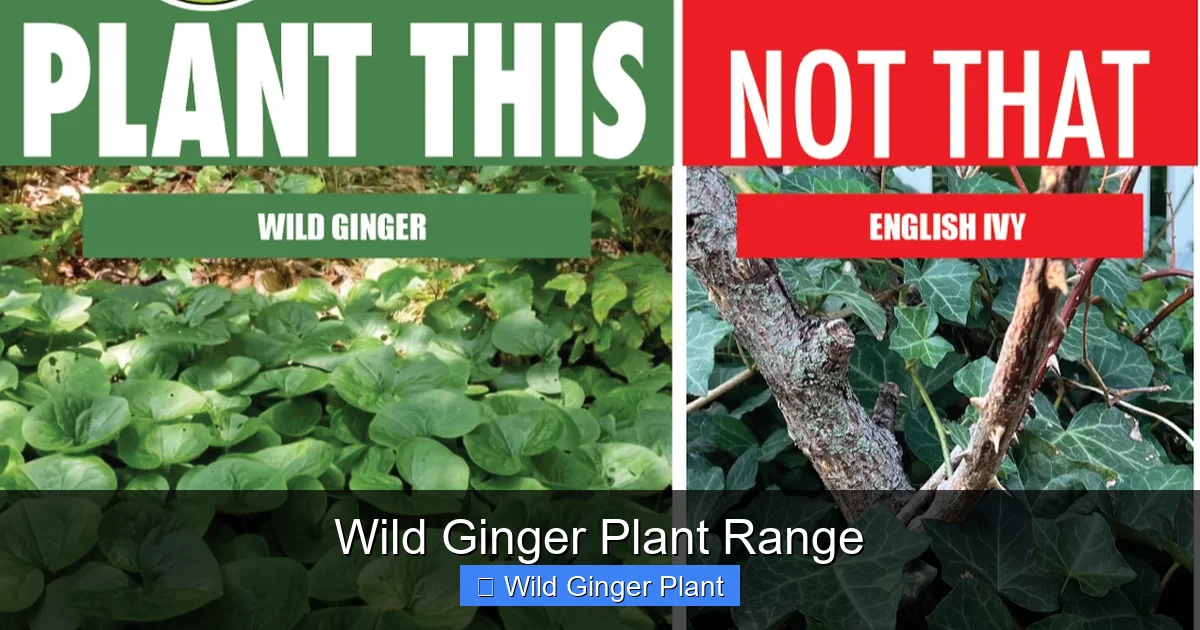
Visual guide about Wild Ginger Plant Range
Image source: images.squarespace-cdn.com
Pollinator Relationships
Early‑spring flies and beetles are the primary pollinators within the wild ginger plant range. The flowers sit close to the ground, emitting a faint, musty scent that attracts these insects. Because few other blooms are open at that time, wild ginger becomes a critical nectar source. This mutualism supports the broader pollinator community.
Soil Health Contributions
Dense mats of wild ginger reduce erosion on steep slopes throughout the wild ginger plant range. Their rhizomes bind the topsoil, while leaf litter they produce enriches the humus layer. Over time, this builds a more resilient forest floor that supports diverse understory flora.
Wildlife Interactions
Small mammals such as chipmunks and voles forage on the rhizomes, especially in winter. Deer may browse the foliage, but the plant’s low growth habit often keeps it out of reach. Birds use the thick cover for nesting material. These interactions weave the wild ginger plant range into the food web.
Cultivation Tips for Gardeners Across the Wild Ginger Plant Range
If you live within the wild ginger plant range, you can grow these natives with relative ease. Even gardeners just outside the range can succeed by mimicking key conditions.
Site Selection
Choose a shaded spot that receives filtered morning light but stays cool in the afternoon. A north‑facing border under mature trees replicates the natural wild ginger plant range environment. Avoid areas with heavy foot traffic; the delicate rhizomes break easily.
Soil Preparation
Amend the planting hole with composted leaf mold to recreate the rich humus of the wild ginger plant range. Aim for a pH between 5.5 and 6.5. Good drainage is essential; waterlogged soil leads to rot. A thin mulch of shredded leaves conserves moisture and adds organic matter over time.
Propagation Methods
Division is the fastest way to expand a patch. In early spring, lift a clump, separate the rhizomes, and replant each piece with a bud facing upward. Seed propagation works but requires cold stratification; sow fresh seeds in a cold frame in fall and expect germination the following spring. Both methods respect the slow spread typical of the wild ginger plant range.
Conservation Status and Threats to the Wild Ginger Plant Range
While many populations remain stable, portions of the wild ginger plant range face pressure. Awareness helps guide protective actions.
Habitat Loss
Urban expansion, logging, and conversion to agriculture fragment the wild ginger plant range. Small, isolated patches lose genetic diversity and become vulnerable to local extinction. Protecting large contiguous forest blocks is the most effective strategy.
Invasive Species Pressure
Garlic mustard, Japanese stiltgrass, and other invasives outcompete wild ginger for light and nutrients across the wild ginger plant range. Early detection and removal of these invaders preserve the native groundcover. Mulching with native leaf litter can suppress invasive seedlings.
Climate Change Impacts
Rising temperatures and altered precipitation patterns shift the suitable climate envelope of the wild ginger plant range northward. Southern edge populations may decline unless they find microrefugia in cool, moist ravines. Monitoring phenology helps scientists track these changes.
Practical Uses and Cultural Significance of the Wild Ginger Plant Range
People have valued the wild ginger plant range for centuries. Its uses range from kitchen to medicine cabinet to ornamental garden.
Culinary Uses
The rhizome of Asarum canadense can be candied or used as a ginger substitute in teas and baked goods. Harvest sparingly; the plant spreads slowly. Indigenous peoples across the wild ginger plant range traditionally used it to flavor stews and as a digestive aid.
Medicinal Traditions
Herbalists have prepared poultices from the leaves to treat wounds and skin irritations. The aromatic compounds have mild antimicrobial properties. Modern research is exploring these traditional claims, but caution is advised because high doses can be toxic.
Ornamental Value
Shade gardeners prize the glossy foliage for its texture and year‑round interest. Planting drifts of wild ginger under ferns and hostas creates a lush carpet that mirrors the natural wild ginger plant range. It also suppresses weeds, reducing maintenance.
Conclusion
The wild ginger plant range stretches across some of the most beautiful temperate forests on two continents. By understanding where it grows, what it needs, and how it fits into the ecosystem, we can enjoy its quiet beauty in our own gardens and help ensure it remains a thriving part of the forest floor for generations. Whether you are a hiker spotting the hidden flowers on a spring walk or a gardener planting a new shade bed, the wild ginger plant range offers a connection to nature that is both practical and profound. Take time to observe the subtle details — heart‑shaped leaves, a faint ginger scent, the buzz of early flies — and you will appreciate why this modest plant holds such an outsized role in the woodland community.
Frequently Asked Questions
Is wild ginger edible?
Yes, the rhizome of Asarum canadense can be used as a ginger substitute in small amounts, but large doses may be toxic.
How fast does wild ginger spread?
Wild ginger spreads slowly by rhizomes, typically forming a dense mat over several years within the wild ginger plant range.
What soil pH does wild ginger prefer?
It prefers slightly acidic soil, ideally between 5.5 and 6.5, which matches conditions across most of the wild ginger plant range.
Can wild ginger tolerate full sun?
No, wild ginger requires shade or dappled light; full sun will scorch the leaves and reduce vigor.
How do I propagate wild ginger from seed?
Sow fresh seeds in a cold frame in autumn; they need a period of cold stratification before germinating the following spring.
What are the main threats to wild ginger populations?
Habitat loss, invasive species competition, and climate change are the primary threats across the wild ginger plant range.