Wild Ginger Plant Deer Resistant
Wild ginger (Asarum canadense) is a native, shade-loving groundcover that deer consistently avoid due to its aromatic, unpalatable foliage. This low-maintenance perennial thrives in woodland gardens, suppresses weeds, and provides year-round interest with its heart-shaped leaves and unique spring flowers hidden beneath the foliage.
If you have ever walked through your garden in the morning only to find your favorite perennials nibbled down to the ground, you know the frustration of deer damage. These graceful creatures can destroy months of growth in a single night. But here is some good news: not every plant appeals to their palate. The wild ginger plant deer resistant reputation is well earned, and it might just be the solution your shade garden has been waiting for.
I remember the first time I planted wild ginger in my own woodland garden. I had tried hostas, coral bells, and even some ferns, only to watch them disappear overnight. A nursery owner suggested Asarum canadense, our native wild ginger. She promised the deer would leave it alone. Skeptical but desperate, I planted a dozen small starts. Three years later, those plants have formed a lush, weed-smothering carpet that the deer completely ignore. That experience turned me into a believer, and I want to share everything I have learned about this remarkable plant.
Key Takeaways
- Naturally deer resistant: Wild ginger contains aromatic compounds that deer find unpalatable, making it a reliable choice for gardens with heavy deer pressure.
- Thrives in deep shade: Unlike many groundcovers, wild ginger flourishes in full to partial shade where other plants struggle to survive.
- Low maintenance once established: After the first growing season, wild ginger requires minimal care and spreads slowly to form dense colonies.
- Excellent weed suppression: The dense, overlapping foliage creates a living mulch that prevents weed seeds from germinating.
- Native ecological value: As a North American native, wild ginger supports local pollinators and provides habitat for beneficial insects.
- Unique hidden flowers: The unusual jug-shaped flowers bloom at ground level in early spring, often hidden beneath the leaves.
- Companion planting potential: Pairs beautifully with ferns, hostas, and other shade perennials for a layered woodland garden design.
Quick Answers to Common Questions
Is wild ginger truly deer resistant?
Yes, wild ginger is highly deer resistant due to its aromatic foliage containing compounds deer find unpalatable. It is rated “Rarely Damaged” by Rutgers University, their highest resistance category.
What growing conditions does wild ginger need?
Wild ginger thrives in full to partial shade with rich, moist, well drained soil that is slightly acidic. It needs consistent moisture, especially during establishment.
How fast does wild ginger spread?
Wild ginger spreads slowly by rhizomes, typically forming a solid groundcover in two to three years when planted twelve to eighteen inches apart.
Can I eat wild ginger from my garden?
The rhizomes have a ginger like flavor and can be used sparingly as a culinary substitute, but they contain aristolochic acid which can be harmful in large quantities. Pregnant women and those with kidney issues should avoid consumption.
Does wild ginger die back in winter?
Native wild ginger (Asarum canadense) is herbaceous and dies back after hard frost. European wild ginger (Asarum europaeum) is evergreen in milder climates (zones 5 and warmer).
📑 Table of Contents
- Understanding Why Wild Ginger Plant Is Deer Resistant
- Getting to Know Wild Ginger: Botany and Background
- Creating the Perfect Growing Conditions
- Planting and Establishing Your Wild Ginger Patch
- Designing with Wild Ginger in the Shade Garden
- Maintenance: Keeping Your Wild Ginger Thriving
- Wild Ginger Varieties and Species for the Garden
- Ecological Benefits Beyond Deer Resistance
- Troubleshooting Common Wild Ginger Problems
- Harvesting and Using Wild Ginger
- Wild Ginger Through the Seasons
- Comparing Wild Ginger to Other Deer Resistant Groundcovers
- Buying and Sourcing Healthy Plants
- Creating a Deer Resistant Shade Garden Plan
- Frequently Asked Questions About Wild Ginger and Deer
- Conclusion: Embrace the Wild Ginger Advantage
Understanding Why Wild Ginger Plant Is Deer Resistant
The Science Behind Deer Resistance
Deer resistance is not about a plant being poisonous or harmful. Rather, it comes down to taste, texture, and smell. Deer are selective browsers. They prefer tender, succulent growth with mild flavors. Plants that are tough, hairy, spiny, or strongly aromatic tend to be avoided. The wild ginger plant deer resistant quality stems from its distinctive aromatic compounds.
Wild ginger contains volatile oils, particularly asarone and other terpenoids, that give the foliage a strong, spicy ginger-like scent when crushed. While humans find this fragrance pleasant and even use the roots as a culinary ginger substitute, deer find it overwhelming and unpalatable. The leaves are also somewhat leathery and coarse in texture, further reducing their appeal.
Not Deer Proof, But Highly Resistant
It is important to understand the distinction between deer resistant and deer proof. No plant is completely deer proof. In times of extreme drought, harsh winters, or overpopulation, deer will eat almost anything to survive. However, wild ginger ranks among the most reliably deer resistant perennials for shade. In typical conditions, deer walk right past it to reach more desirable plants.
University extension services across the Northeast, Midwest, and Mid-Atlantic consistently list wild ginger as a top choice for deer prone areas. The Rutgers New Jersey Agricultural Experiment Station rates it as “Rarely Damaged,” their highest deer resistance category. This track record makes it a foundational plant for any shade garden in deer country.
Getting to Know Wild Ginger: Botany and Background
Native Range and Natural Habitat
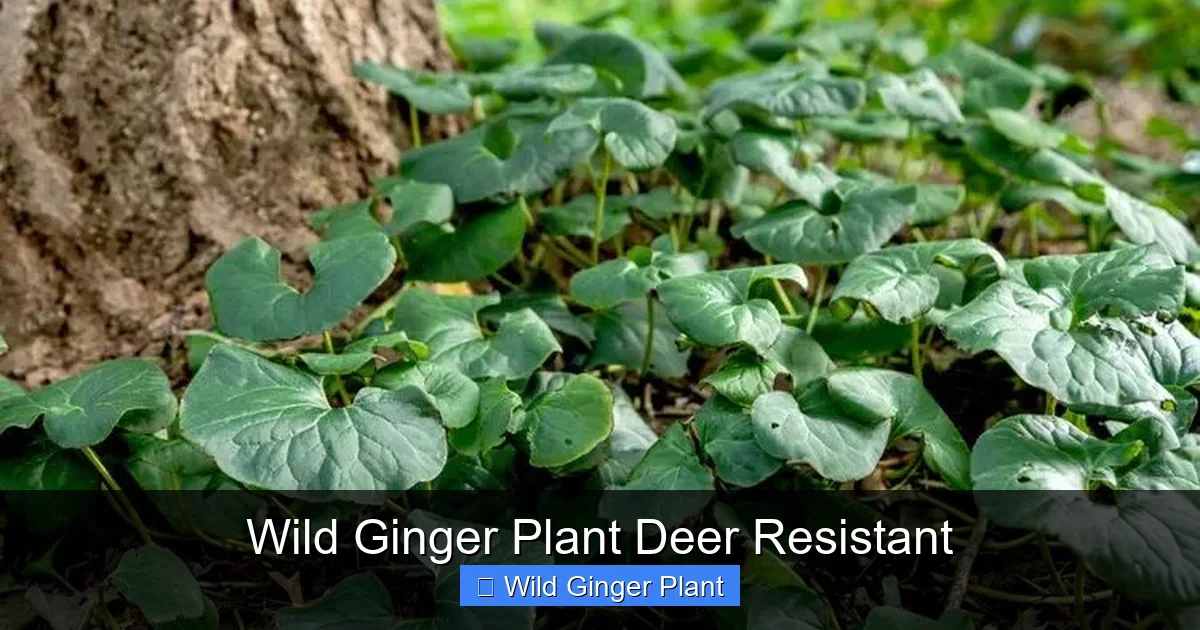
Asarum canadense, commonly called Canadian wild ginger or simply wild ginger, is native to eastern North America. Its range extends from Manitoba and Quebec south to Georgia and west to the Great Plains. In the wild, it grows in rich, moist deciduous forests, often on slopes and along stream banks where the soil stays consistently damp and humus rich.
Visual guide about Wild Ginger Plant Deer Resistant
Image source: thespruce.com
Understanding its native habitat gives you the blueprint for success in your garden. Wild ginger evolved as an understory plant beneath a canopy of maples, oaks, and beeches. It receives dappled sunlight in spring before the trees leaf out, then deep shade for the rest of the growing season. The forest floor provides a constant supply of decaying leaves that create the rich, slightly acidic soil it prefers.
Distinctive Features and Growth Habit
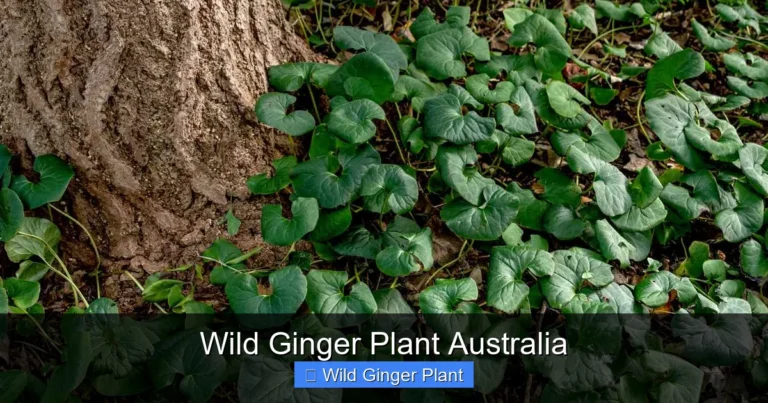
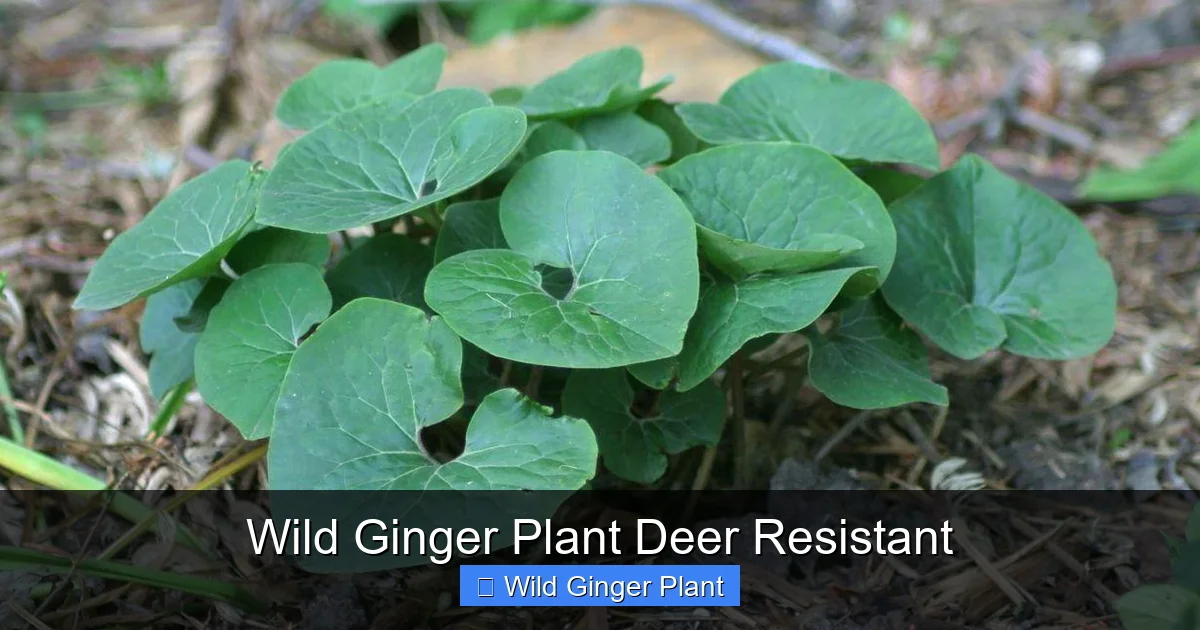
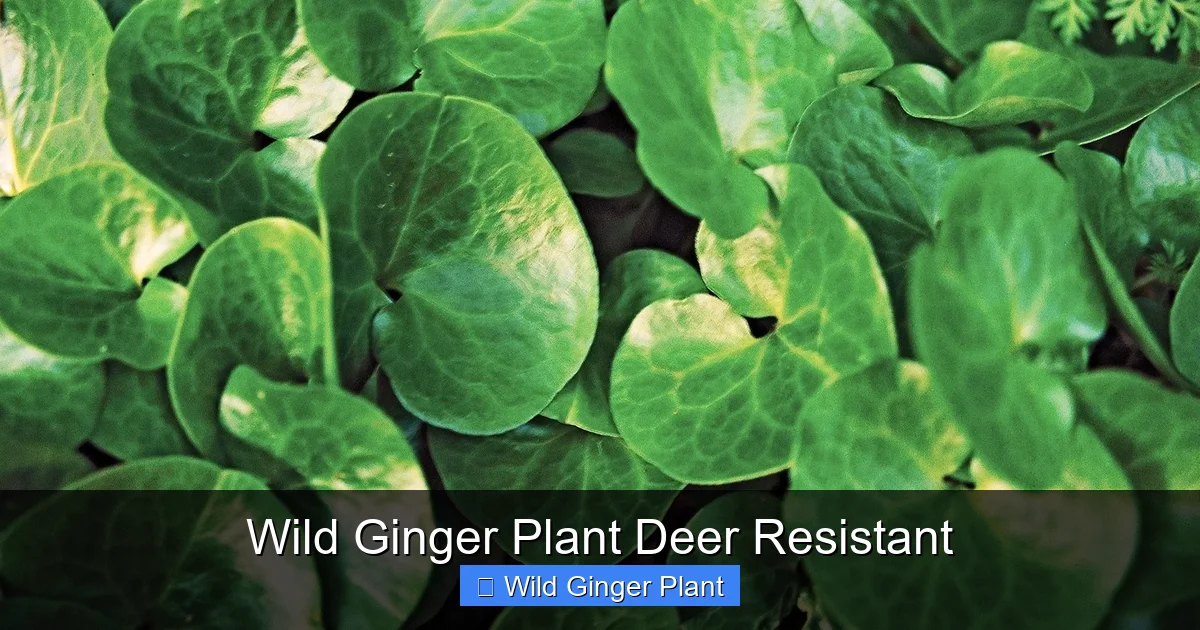
Wild ginger forms a low, spreading mat typically six to twelve inches tall. Each plant produces a pair of large, heart-shaped or kidney-shaped leaves that can reach six inches across. The leaves are soft, slightly hairy, and a deep, glossy green. They emerge in early spring, often before the tree canopy closes, and remain attractive throughout the growing season until frost.
The flowers are perhaps the most intriguing feature. Blooming in April or May, they are solitary, jug-shaped, and a deep purplish brown. They sit at ground level, hidden beneath the leaf litter and the plant’s own foliage. This unusual position facilitates pollination by early emerging flies and beetles that crawl across the forest floor. While not showy in the traditional sense, the flowers are a fascinating botanical curiosity worth searching for.
The plant spreads slowly by shallow rhizomes, gradually forming colonies. It is not aggressive or invasive. Instead, it behaves like a well mannered groundcover, filling in gaps over several years. The rhizomes creep just below the soil surface, making division easy when you want to expand your planting.
European Wild Ginger: A Close Relative
Gardeners should also know about Asarum europaeum, European wild ginger. It shares the same deer resistant qualities and similar appearance but has smaller, shinier, more leathery leaves that are evergreen in milder climates. It spreads more slowly and stays more compact, typically reaching only four to six inches tall. Both species are excellent choices, but the native Asarum canadense is better adapted to North American climates and supports more native wildlife.
Creating the Perfect Growing Conditions
Light Requirements: Embrace the Shade
If you have deep shade where grass refuses to grow and hostas look washed out, wild ginger will thrive. It prefers full shade to part shade. Morning sun is tolerated, especially in cooler northern climates, but afternoon sun will scorch the leaves. In the deep South, it absolutely requires full shade. The ideal spot receives dappled light in spring before deciduous trees leaf out, then full shade for the summer.
Visual guide about Wild Ginger Plant Deer Resistant
Image source: bhg.com
This makes wild ginger perfect for the north side of buildings, beneath mature trees, in woodland gardens, and along shaded pathways. It also works well in the shadow of taller shrubs like rhododendrons, viburnums, and hydrangeas. Just avoid hot, sunny exposures.
Soil Preferences: Rich, Moist, and Well Drained
Wild ginger wants what forest floors provide: soil rich in organic matter, consistently moist but not waterlogged, and slightly acidic. A pH between 5.5 and 6.5 is ideal. Heavy clay soils should be amended generously with compost, leaf mold, or well rotted manure before planting. Sandy soils also benefit from organic matter to improve moisture retention.
The key word is consistency. Wild ginger does not tolerate drought well, especially during establishment. The shallow rhizomes dry out quickly. However, it also dislikes standing water. Good drainage is essential. If your site stays soggy after rain, consider planting on a slight mound or choosing a different location.
Watering Strategy for Establishment and Beyond
New plantings need regular watering for their first full growing season. Aim for one inch of water per week, either from rainfall or irrigation. Water deeply to encourage roots to follow moisture downward. Mulch with two to three inches of shredded leaves, pine needles, or bark to conserve moisture and mimic the forest floor.
Once established, wild ginger becomes more drought tolerant but still performs best with consistent moisture. During extended dry spells, supplemental watering will keep the foliage lush and prevent premature dormancy. A soaker hose or drip irrigation line running through the planting is ideal.
Planting and Establishing Your Wild Ginger Patch
When to Plant
Spring and early fall are the best planting times. Spring planting gives the roots all summer to establish before winter. Fall planting allows root growth in cool, moist soil before the ground freezes. Avoid planting during summer heat or when the ground is frozen. If you must plant in summer, provide shade cloth and diligent watering.
Spacing and Layout
Space plants twelve to eighteen inches apart for a groundcover effect. They will fill in within two to three years. For faster coverage, plant on twelve inch centers. For a more natural, drift like appearance, stagger the plants in a triangular pattern rather than straight rows. This mimics how they grow in nature and looks more organic.
If you are planting on a slope, place the rhizomes horizontally just below the soil surface with the growing tips pointing slightly uphill. This helps prevent erosion and encourages the plant to spread in the right direction.
Step by Step Planting Guide
First, prepare the planting area by removing all weeds and grass. Loosen the soil to a depth of eight to ten inches and incorporate two to three inches of compost or leaf mold. If your soil is very acidic or alkaline, adjust based on a soil test.
Dig holes slightly wider than the root ball and just deep enough so the crown sits at soil level. Gently remove the plant from its pot, loosen any circling roots, and place it in the hole. Backfill with amended soil, firm gently, and water thoroughly to settle the soil around the roots.
Apply a two inch layer of mulch, keeping it away from the crown to prevent rot. Water again after mulching. Mark the plants with small stakes or flags so you do not accidentally disturb them during spring cleanup.
First Year Care
The first year is critical. Keep the soil consistently moist but not soggy. Do not fertilize at planting time. The compost you incorporated provides sufficient nutrients. In late fall, after the ground freezes, apply a light layer of shredded leaves for winter protection. Remove any heavy, matted leaves in early spring before new growth emerges.
Designing with Wild Ginger in the Shade Garden
Groundcover Extraordinaire
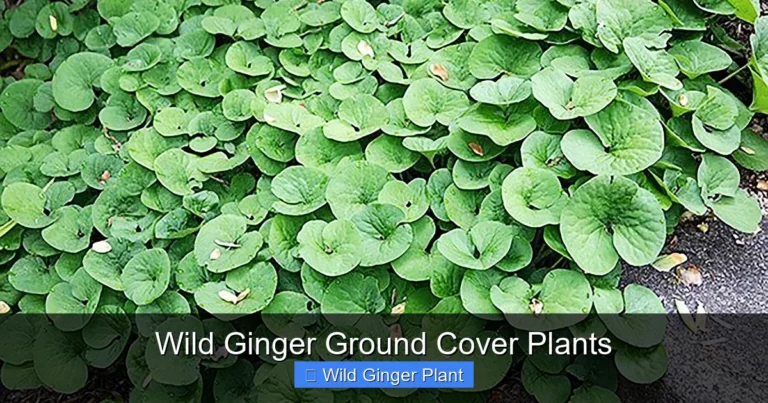
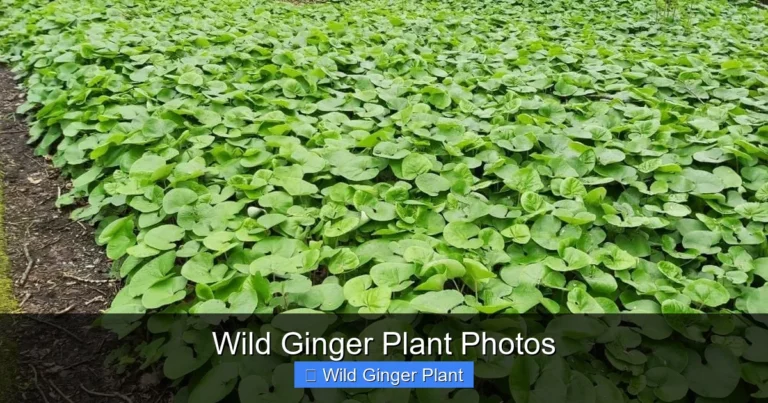
Wild ginger excels as a living mulch. Its dense, overlapping leaves shade the soil, suppressing weeds and conserving moisture. Unlike bark mulch, which breaks down and needs replenishing, wild ginger improves the soil over time as its leaves decompose in place. It creates a seamless, green carpet that unifies the shade garden.
Use it to fill large areas beneath trees where grass fails. Plant it along shaded walkways for a soft, inviting edge. Let it drift between stepping stones in a woodland path. It tolerates light foot traffic once established, though it is not a lawn substitute.
Perfect Companion Plants
Wild ginger plays well with others. Its bold, coarse texture contrasts beautifully with fine textured ferns like maidenhair fern, Japanese painted fern, and Christmas fern. The combination of heart shaped ginger leaves and delicate fern fronds is a classic woodland pairing.
Hostas are another natural companion. Choose slug resistant varieties with thick leaves like ‘Sum and Substance’ or ‘Blue Angel.’ The hostas provide vertical accents while wild ginger covers the ground between them. Both are deer resistant, creating a fortress of unpalatable foliage.
Spring ephemerals like Virginia bluebells, trilliums, and bloodroot bloom early and go dormant by summer. Wild ginger emerges just as they fade, hiding their yellowing foliage and filling the gap. This succession planting keeps the garden looking full all season.
For winter interest, pair wild ginger with evergreen ferns, hellebores, and epimediums. In milder zones, European wild ginger stays evergreen, providing year round structure. Add spring bulbs like snowdrops, scilla, and chionodoxa that will bloom through the ginger foliage before it reaches full size.
Container and Raised Bed Possibilities
While typically a groundcover, wild ginger adapts well to containers and raised beds in shade. Use a large, wide pot with good drainage. Fill with a high quality potting mix amended with compost. Water more frequently than in ground plantings, as containers dry out faster. In cold climates, move pots to an unheated garage or bury them in the ground for winter protection.
Maintenance: Keeping Your Wild Ginger Thriving
Minimal Ongoing Care
One of wild ginger’s greatest virtues is its low maintenance nature. Once established, it asks for little. No deadheading is needed. The flowers are inconspicuous and self clean. No staking, pinching, or pruning required. The foliage looks good from spring emergence until hard frost.
Dividing to Renew and Multiply
Every three to five years, the center of a clump may become sparse as the plant spreads outward. This is the perfect time to divide. Early spring, just as new growth emerges, or early fall are best. Dig up the clump, shake off excess soil, and pull or cut the rhizomes into sections, each with several growing points and roots. Replant immediately at the same depth, water well, and mulch.
Division serves two purposes: it rejuvenates the parent plant and gives you free plants to expand your planting or share with friends. A single established clump can yield a dozen divisions.
Managing Pests and Diseases
Wild ginger is remarkably trouble free. Slugs and snails occasionally nibble the leaves, especially in wet springs, but the damage is usually cosmetic. Diatomaceous earth, copper tape, or beer traps can help if populations are high. Fungal leaf spots may appear in very wet, humid conditions with poor air circulation. Improve spacing and avoid overhead watering to prevent issues.
Root rot is the main serious threat, caused by poorly drained soil. Prevention through proper site selection and soil preparation is far easier than treatment. If you notice wilting despite moist soil, dig up the plant, trim away rotted roots, and replant in a better drained location.
Fall Cleanup Considerations
Leave the foliage in place over winter. It protects the crowns and provides habitat for beneficial insects. In early spring, before new growth appears, gently rake off any matted leaves or debris. Be careful not to damage the emerging shoots. The old foliage will decompose naturally, feeding the soil.
Wild Ginger Varieties and Species for the Garden
Asarum canadense: The Native Standard
Our native wild ginger is the most widely available and adaptable. It is hardy in zones 3 through 8, making it suitable for most of the continental United States. The leaves are large, soft, and bright green. It spreads at a moderate pace and forms impressive colonies over time. This is the best choice for ecological gardening and large scale groundcover projects.
Asarum europaeum: European Elegance
European wild ginger offers smaller, glossier, more leathery leaves that are distinctly kidney shaped. It is evergreen in zones 5 and warmer, providing winter interest. The plant is more compact and slower spreading, making it ideal for smaller spaces, rock gardens, and container plantings. Hardy in zones 4 through 8.
Asarum splendens: Chinese Wild Ginger
This species brings dramatic silver mottling to the foliage. The large, arrowhead shaped leaves are deep green with striking silver patterns. It is a showstopper in the shade garden. Hardy in zones 5 through 9, it prefers slightly warmer conditions than the native species. Slower to establish but worth the wait.
Asarum maximum: Giant Wild Ginger
True to its name, this species produces enormous leaves up to twelve inches across. The flowers are also larger and more visible, a deep velvet purple with white markings. It is less cold hardy, zones 6 through 9, and prefers consistently moist, rich soil. A collector’s plant for the dedicated shade gardener.
Other Notable Species
The genus Asarum contains over seventy species, mostly from East Asia. Many are becoming available through specialty nurseries. Asarum sieboldii has beautifully patterned leaves. Asarum caudatum, western wild ginger, is native to the Pacific Northwest and features long tailed flowers. Exploring these species can become a delightful obsession for shade plant enthusiasts.
Ecological Benefits Beyond Deer Resistance
Pollinator Support
While the flowers are hidden from our view, they are perfectly positioned for their pollinators. Early spring flies, gnats, and beetles crawl into the jug shaped flowers seeking warmth and shelter. In doing so, they transfer pollen. These tiny pollinators are often overlooked but play crucial roles in the ecosystem. By planting wild ginger, you support this hidden food web.
Habitat for Beneficial Insects
The dense foliage creates a microhabitat at ground level. Ground beetles, spiders, and other predators find shelter there, helping control garden pests naturally. Amphibians like toads and salamanders also appreciate the cool, moist cover. A patch of wild ginger becomes a mini wildlife sanctuary.
Soil Building and Erosion Control
The shallow, spreading rhizomes knit the soil surface together, preventing erosion on slopes. The annual leaf drop adds organic matter, improving soil structure and fertility over time. In this way, wild ginger functions as a living green manure, constantly enriching the ground it covers.
Native Plant Conservation
Planting native species like Asarum canadense helps preserve local genetics and supports the broader ecosystem. Native plants have co evolved with native insects, birds, and mammals over thousands of years. They provide the right food at the right time in the right form. Non native plants, even well behaved ones, often fail to support the same diversity of life.
Troubleshooting Common Wild Ginger Problems
Leaves Turning Yellow or Brown
This usually indicates a moisture issue. Too much sun causes scorching: brown, crispy edges. Too little water causes yellowing and wilting. Poor drainage causes yellowing from root rot. Assess your site conditions and adjust. Move the plant if necessary. Wild ginger is forgiving of transplanting in spring or fall.
Slow Spread or Failure to Thrive
If your wild ginger sits sulking year after year, check the basics. Is it getting enough shade? Is the soil rich and moisture retentive? Is the pH slightly acidic? Is there competition from tree roots? Large tree roots can outcompete wild ginger for water and nutrients. In that case, plant in pockets of amended soil between roots, or use containers sunk into the ground.
Deer Damage Despite Resistance
If deer are sampling your wild ginger, they are likely desperate. This happens in severe winters or areas with extreme deer overpopulation. Temporary protection with deer netting or repellent sprays can help during critical periods. Once the pressure eases, the plants usually recover quickly from their rhizomes.
Weeds Invading the Patch
Wild ginger suppresses weeds once it forms a solid mat, but during establishment, weeds can be problematic. Hand pull weeds carefully to avoid disturbing the shallow rhizomes. Mulch heavily between plants. Avoid herbicides, as wild ginger is sensitive to drift. Patience pays off. Once the canopy closes, weed pressure drops dramatically.
Harvesting and Using Wild Ginger
A Culinary Note
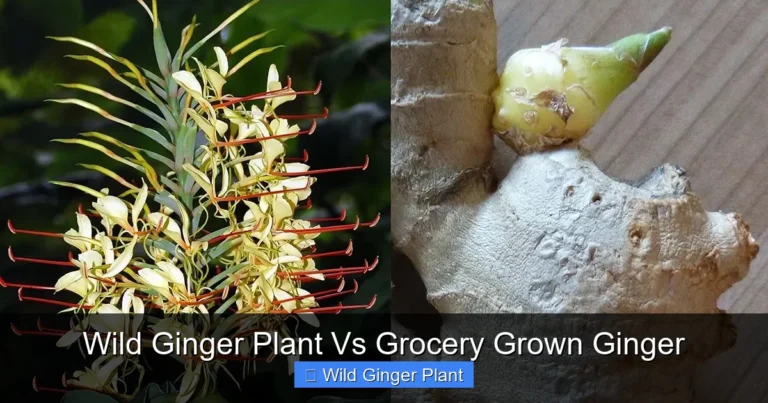
Despite the name, wild ginger is not related to culinary ginger (Zingiber officinale). However, the rhizomes have a similar spicy, ginger like flavor and aroma. Indigenous peoples and early settlers used it as a ginger substitute and for medicinal purposes. The roots can be harvested in fall, washed, peeled, and used fresh or dried.
Sustainable Harvesting Practices
If you choose to harvest, do so sparingly and only from large, established patches. Take no more than ten percent of the rhizomes. Replant the remaining pieces. Never harvest from wild populations on public land. Grow your own patch for culinary use. The flavor is more subtle than tropical ginger but delightful in teas, syrups, and baked goods.
Safety Considerations
Wild ginger contains aristolochic acid, which can be toxic to kidneys in large quantities. Culinary use of small amounts is generally considered safe, but pregnant women and people with kidney issues should avoid it. Do not consume large quantities or use it as a regular supplement. When in doubt, enjoy it as an ornamental and leave the eating to the deer, who wisely avoid it.
Wild Ginger Through the Seasons
Spring Awakening
In early spring, often before the last frost, the tightly furled leaves push through the leaf litter. They unfurl like small umbrellas, a fresh, vibrant green against the brown forest floor. The hidden flowers appear at ground level, a secret treasure for those who know to look. This is the season of rapid growth and colony expansion.
Summer Steadiness
Through summer, wild ginger provides a constant, calming presence. The foliage remains lush and green if moisture is adequate. It fills the gaps left by spring ephemerals. The shade it casts keeps the soil cool and moist, benefiting neighboring plants. This is the season to appreciate its weed suppressing superpower.
Fall Transition
As temperatures cool, the leaves may develop subtle yellow or bronze tones before dying back. In milder climates, European wild ginger stays green. The native species is herbaceous, dying to the ground after hard frost. The decaying leaves return nutrients to the soil, completing the cycle.
Winter Rest
In winter, the native wild ginger disappears underground, surviving as rhizomes beneath the snow and leaf litter. European wild ginger may remain visible as a low evergreen mat. This is the season to plan expansions, order new varieties, and dream of spring.
Comparing Wild Ginger to Other Deer Resistant Groundcovers
Versus Pachysandra
Japanese pachysandra is the traditional shade groundcover, but it has drawbacks. It can be aggressive, escaping into natural areas. It is susceptible to volutella blight, a devastating fungal disease. And deer occasionally browse it. Wild ginger is native, better behaved, disease resistant, and more reliably deer resistant. It wins on every count except speed of coverage.
Versus Vinca Minor
Periwinkle or vinca minor is another common choice. It is evergreen and fast spreading. But it is invasive in many regions, smothering native wildflowers in forests. It also suffers from several fungal diseases. Deer sometimes eat it in winter. Wild ginger stays put, supports ecology, and remains untouched.
Versus Epimedium
Epimedium, or barrenwort, is a wonderful deer resistant shade perennial with delicate flowers and attractive foliage. It is clump forming rather than mat forming, so it does not provide the same seamless groundcover effect. The two are excellent companions. Use epimedium as accents within a wild ginger matrix.
Versus Ferns
Ferns are the queens of the shade garden, and most are deer resistant. But they are typically taller and vase shaped, leaving bare soil at their bases. Wild ginger fills that bare soil perfectly. The combination of ferns rising above a wild ginger carpet is the essence of a naturalistic woodland garden.
Buying and Sourcing Healthy Plants
Local Nurseries vs. Mail Order
Local native plant nurseries are the best source. You can inspect the plants, get advice tailored to your region, and support local businesses. Look for nurseries that propagate their own plants from local seed sources. This ensures genetic adaptation to your area.
Mail order offers access to rare species and varieties. Reputable native plant mail order nurseries ship bare root or potted plants at the proper planting time. Read reviews, check their shipping policies, and order early for best selection.
What to Look For
Choose plants with multiple growing points, healthy green leaves, and no signs of pests or disease. Avoid plants with yellowing leaves, which may indicate root problems. Bare root divisions should have firm, white roots and several buds. Pot grown plants should not be root bound.
Cost Considerations
Wild ginger is typically sold as small pots or bare root divisions, priced from five to fifteen dollars per plant. For large areas, this adds up. Consider buying a few plants and dividing them yourself after a couple years. Many native plant societies hold sales where members share divisions at low cost. Patience and propagation stretch your budget.
Creating a Deer Resistant Shade Garden Plan
Assessing Your Deer Pressure
Before planting, evaluate your deer situation. Light pressure: occasional browsing, mostly in winter. Moderate pressure: regular browsing, some plant damage. Heavy pressure: severe damage, deer visible daily. Wild ginger handles all levels well, but in heavy pressure areas, protect new plantings for the first year with cages or repellent.
Building Layers of Defense
Do not rely on a single plant. Create a community of deer resistant species. Start with a canopy of deer resistant trees like river birch, serviceberry, or American holly. Add a shrub layer of spicebush, sweetshrub, or bottlebrush buckeye. Fill the herbaceous layer with wild ginger, ferns, hellebores, epimediums, and Solomon’s seal. The diversity confuses deer and ensures something always looks good.
Sample Planting Plan for a 10×20 Foot Shade Bed
Back row: Three Christmas ferns spaced three feet apart. Middle row: Five hellebores spaced two feet apart, interplanted with three epimediums. Front and throughout: Twenty wild ginger plants on eighteen inch centers, forming a continuous groundcover. Edge: A drift of Virginia bluebells for spring color. This plan provides year round interest, multiple textures, and maximum deer resistance.
Frequently Asked Questions About Wild Ginger and Deer
Will deer ever eat wild ginger?
In extreme conditions, yes. During severe drought, harsh winters with deep snow, or when deer populations exceed carrying capacity, deer may sample almost any plant. However, wild ginger is consistently among the last plants they choose. In normal conditions, it remains untouched.
Does wild ginger repel deer from nearby plants?
No, wild ginger does not emit a protective aura. Deer resistance is plant specific. A deer will eat a hosta growing next to wild ginger while ignoring the ginger. For best results, plant deer resistant species throughout the bed, not just as a border.
Is wild ginger invasive?
No. The native Asarum canadense spreads slowly by rhizomes and does not produce viable seed in most garden conditions. It stays where you put it and expands gradually. It is not listed as invasive anywhere in its native range. European wild ginger is even slower and more restrained.
Can I grow wild ginger from seed?
Yes, but it requires patience. Seeds need cold stratification (a period of cold, moist conditions) to germinate. Sow fresh seeds in fall in a prepared seed bed or pots sunk in the ground. Germination occurs in spring. Seedlings take two to three years to reach transplant size. Division is much faster.
Why are my wild ginger flowers hiding?
That is their natural strategy. The flowers evolve to be pollinated by ground dwelling insects, not flying ones. They position themselves at soil level, often beneath leaf litter. This is normal and not a sign of a problem. Gently lift the leaves to admire them.
Can wild ginger grow under black walnut trees?
Yes. Wild ginger is juglone tolerant, meaning it can grow near black walnut trees which produce a chemical that inhibits many plants. This makes it a valuable groundcover for one of the most challenging garden situations.
Conclusion: Embrace the Wild Ginger Advantage
After years of gardening in deer country, I have come to see wild ginger not just as a plant that deer ignore, but as a foundation for a whole style of gardening. It solves the shade problem, the deer problem, the weed problem, and the maintenance problem all at once. It connects your garden to the native landscape, supports unseen wildlife, and asks for so little in return.
The wild ginger plant deer resistant reputation is backed by science, confirmed by extension services, and proven in countless gardens across its range. Whether you are establishing a new woodland garden, renovating a deer ravaged bed, or simply looking for a beautiful, carefree groundcover, wild ginger deserves a place in your plans.
Start with a few plants. Give them the shade, moisture, and rich soil they crave. Be patient during the first year. Then watch as they slowly, steadily transform bare ground into a living tapestry. The deer will walk past. The weeds will give up. And you will have a garden that works with nature, not against it.
Your shade garden has been waiting for wild ginger. Maybe it is time to give it what it needs.
Frequently Asked Questions
How do I protect newly planted wild ginger from deer?
While wild ginger is deer resistant, new plantings may be sampled by curious deer. Use temporary wire cages or apply deer repellent spray for the first growing season until plants are established and their aromatic compounds are fully developed.
Can wild ginger grow in dry shade?
Wild ginger prefers consistently moist soil and struggles in dry shade. If you must plant in dry shade, amend heavily with organic matter, mulch deeply, and provide regular supplemental water. Consider epimediums or certain ferns for truly dry shade.
When is the best time to divide wild ginger?
Early spring just as new growth emerges, or early fall are ideal for division. The plant recovers quickly in cool, moist conditions. Divide every three to five years when the center of the clump becomes sparse.
Why are my wild ginger leaves turning brown at the edges?
Brown leaf edges usually indicate too much sun or insufficient water. Wild ginger needs shade, especially afternoon shade, and consistent moisture. Relocate to a shadier spot or increase watering and mulching.
Will wild ginger choke out other plants?
Wild ginger forms a dense mat but is not aggressive. It coexists well with larger perennials like ferns and hostas. It may overwhelm very small, delicate spring ephemerals, so give those extra space.
Is wild ginger the same as culinary ginger?
No, wild ginger (Asarum species) is not related to culinary ginger (Zingiber officinale). They share a similar aroma and flavor due to convergent evolution, but they are botanically distinct. Wild ginger is a low woodland perennial; culinary ginger is a tropical rhizome crop.