Picture of a Wild Ginger Plant
Wild ginger is a low‑growing herb with heart‑shaped leaves and a spicy aroma. A clear picture of a wild ginger plant helps you spot it in shady woods and use it safely in cooking or herbal remedies.
Key Takeaways
- Identification: Look for heart shaped leaves and a single hidden flower.
- Habitat: Wild ginger prefers moist, shaded forest floors.
- Uses: The rhizome can flavor food and ease nausea.
- Safety: Only use small amounts; large doses may cause irritation.
- Cultivation: Plant in rich, damp soil under trees.
- Conservation: Harvest responsibly and follow local regulations.
Quick Answers to Common Questions
What does wild ginger look like?
Wild ginger has heart shaped leaves, a hidden three petal flower, and a thick aromatic rhizome.
When is the best time to find wild ginger?
Early spring when leaves first appear is the best time to locate wild ginger.
Can I eat wild ginger raw?
Small amounts of the rhizome can be eaten raw but it is usually cooked or brewed as tea.
Is wild ginger protected by law?
Some states list wild ginger as a protected plant; always check local regulations before harvesting.
How do I grow wild ginger in my garden?
Plant rhizome pieces in shady, moist, rich soil and mulch heavily to keep the ground damp.
📑 Table of Contents
Introduction
Wild ginger is a small herb that lives on forest floors. It has a strong scent that reminds many people of spice. A picture of a wild ginger plant can show you the leaf shape and the hidden flower. This guide will help you recognize the plant and learn how to use it. A picture of a wild ginger plant helps you remember the details.
Many foragers search for wild ginger in early spring. The plant emerges before the trees leaf out. A picture of a wild ginger plant taken at this time shows fresh green leaves. Knowing when to look makes finding it easier.
We will cover identification, habitat, uses, growing tips, and conservation. Each section includes simple steps and clear examples. A picture of a wild ginger plant is used as a visual reference throughout.
What Is Wild Ginger
Botanical Overview
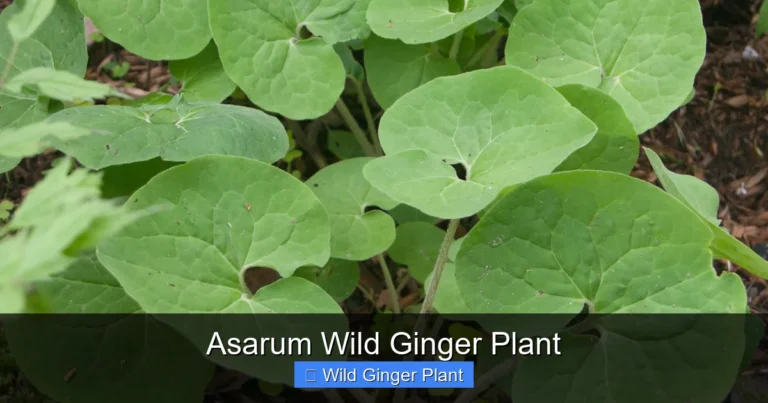
Wild ginger belongs to the genus Asarum. It is a perennial herb that spreads by underground stems. The leaves are kidney shaped and grow in pairs. A picture of a wild ginger plant shows the glossy surface of the leaves. A picture of a wild ginger plant helps you remember the details.
The flower is small and sits at ground level. It has three brownish petals that are often hidden by leaf litter. A picture of a wild ginger plant reveals the flower only when you lift the leaves.
Common Names
People call it wild ginger, heartleaf, or colic root. The name ginger comes from the spicy smell of the rhizome. A picture of a wild ginger plant often includes a label with these names.
How to Identify Wild Ginger
Leaf Shape and Texture
Leaves are heart shaped with a smooth edge. They feel slightly leathery. A picture of a wild ginger plant highlights the deep lobes at the base. The veins run in a palmate pattern. A picture of a wild ginger plant helps you remember the details.
When you touch a leaf it feels cool and moist. This texture helps separate it from similar plants. A picture of a wild ginger plant can be compared to a leaf you find.
Flower Details
The flower is solitary and sits on a short stalk. It has three triangular petals that are dark purple. A picture of a wild ginger plant shows the flower tucked under the leaf pair. The bloom appears in early spring.
Because the flower is hidden, many people miss it. A picture of a wild ginger plant taken from below reveals the bloom. Look for the flower after the leaves have fully expanded.
Root Characteristics
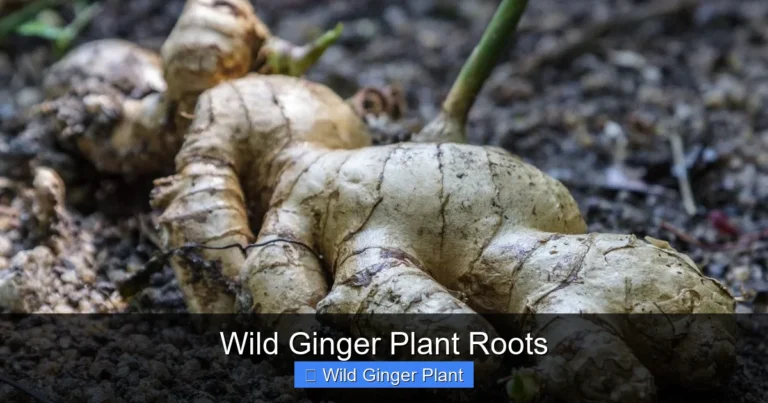
The rhizome is thick and aromatic. It grows horizontally just below the soil surface. A picture of a wild ginger plant often includes a cut rhizome showing the pale interior. The scent is strong when the root is crushed.
Only the rhizome is used for flavor or medicine. A picture of a wild ginger plant helps you locate the rhizome without damaging the plant.
Using a picture of a wild ginger plant for reference
Carry a printed picture of a wild ginger plant when you forage. Compare leaf shape, flower position, and root smell. A picture of a wild ginger plant reduces misidentification. Keep the picture in a waterproof pouch.
Where Does Wild Ginger Grow
Preferred Habitat
Wild ginger likes damp, shaded woods. It thrives in rich, loamy soil with plenty of organic matter. A picture of a wild ginger plant taken in a moist ravine shows the ideal setting. The plant avoids dry, sunny spots. A picture of a wild ginger plant helps you remember the details.
Geographic Range
It is native to eastern North America and parts of Asia. In the United States it grows from Maine to Georgia and west to Missouri. A picture of a wild ginger plant from each region looks very similar. Local field guides can confirm presence.
Seasonal Timing
Leaves emerge in March or April depending on latitude. Flowers appear shortly after leaves. A picture of a wild ginger plant in early April shows fresh foliage and a hidden bloom. By summer the leaves may die back.
Culinary and Medicinal Uses
Kitchen Uses
The rhizome can be sliced thin and added to soups. It gives a warm, peppery flavor. A picture of a wild ginger plant reminds you to harvest only a small piece. Use it fresh or dried for tea. A picture of a wild ginger plant helps you remember the details.
Candied rhizome makes a sweet treat. A picture of a wild ginger plant shows the rhizome size for portion control. Do not consume large amounts.
Herbal Remedies
Traditional healers use wild ginger for nausea and colds. A tea made from the rhizome can settle an upset stomach. A picture of a wild ginger plant helps you identify the correct part. Always consult a professional before use.
Safety Tips
Pregnant women should avoid wild ginger. High doses may cause heartburn or skin irritation. A picture of a wild ginger plant can be used to teach children not to eat unknown plants. Start with a tiny amount.
Growing Wild Ginger at Home
Site Selection
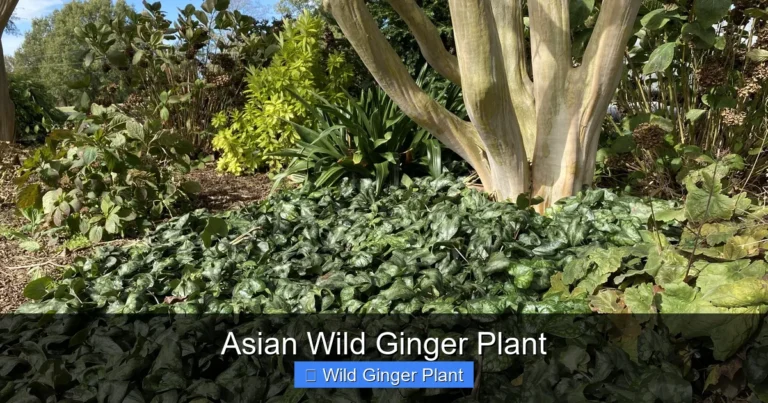
Choose a shady spot under deciduous trees. The area should stay moist throughout the growing season. A picture of a wild ginger plant in a garden bed shows the ideal mulch layer. Avoid heavy clay that stays soggy. A picture of a wild ginger plant helps you remember the details.
Soil Preparation
Amend the soil with compost and leaf mold. Aim for a pH between 5.5 and 6.5. A picture of a wild ginger plant planted in prepared soil shows healthy root spread. Loosen the top six inches before planting.
Planting and Care
Plant rhizome pieces two inches deep with the buds facing up. Space them six inches apart. Water gently after planting. A picture of a wild ginger plant after a week shows new shoots. Mulch with shredded leaves to retain moisture.
Divide clumps every three years to maintain vigor. A picture of a wild ginger plant division demonstrates the process. Replant divisions immediately.
Conservation and Ethical Foraging
Legal Considerations
Check state and local laws before harvesting. Some areas protect wild ginger as a native species. A picture of a wild ginger plant on a park sign may indicate restrictions. Obtain permits if required. A picture of a wild ginger plant helps you remember the details.
Sustainable Harvest
Take only one rhizome per plant and leave the rest to grow. A picture of a wild ginger plant with a marked harvest point guides you. Replant any disturbed soil. Share knowledge with other foragers.
Conclusion
Wild ginger is a valuable forest herb with culinary and medicinal benefits. A picture of a wild ginger plant serves as a handy tool for identification and education. Use the tips in this guide to find, use, and grow the plant responsibly. Enjoy the spicy aroma and the connection to nature that wild ginger provides. A picture of a wild ginger plant helps you remember the details.
Frequently Asked Questions
What is the scientific name of wild ginger?
The scientific name is Asarum canadense for the North American species.
Does wild ginger have any toxic look‑alikes?
Yes, some species of Aristolochia resemble wild ginger but are toxic; proper identification is essential.
How do I store harvested wild ginger rhizome?
Keep the rhizome in a paper bag in the refrigerator for up to two weeks or dry it for longer storage.
Can wild ginger be used in essential oils?
The rhizome can be distilled to produce a spicy essential oil used in aromatherapy.
What wildlife benefits from wild ginger?
Beetles and small flies pollinate the hidden flowers, and deer may browse the leaves.
How long does wild ginger take to establish from planting?
It usually takes two to three years for a new planting to form a dense colony.