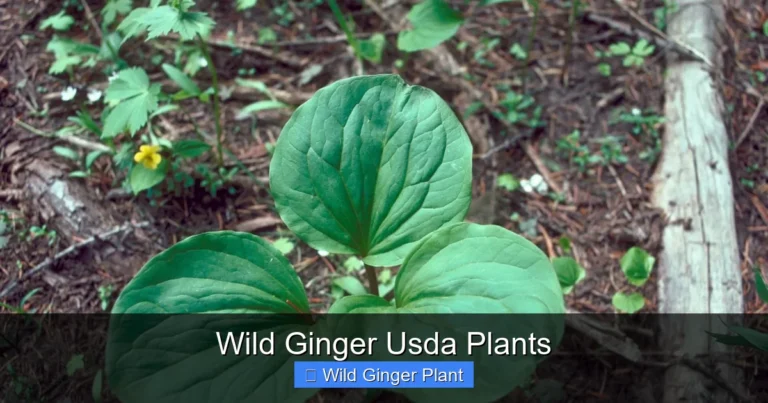
Wild Ginger Root Plant
The wild ginger root plant (Asarum canadense) is a low-growing native perennial that thrives in shady woodland gardens across eastern North America. Despite its name, it is not related to culinary ginger but offers unique aromatic roots and beautiful heart-shaped foliage that makes an excellent groundcover.
If you have ever walked through a rich, moist woodland in eastern North America during spring, you may have noticed a carpet of heart-shaped leaves hugging the forest floor. That lovely groundcover is likely the wild ginger root plant, a native perennial that has charmed gardeners and herbalists for centuries. Despite its common name, this plant is not the ginger you buy at the grocery store. It belongs to a completely different botanical family. Yet its roots carry a warm, spicy fragrance that explains the name perfectly.
Gardeners love the wild ginger root plant for its ability to thrive where few other plants succeed. Deep shade? No problem. Dry soil under mature trees? It handles that too. This tough little plant forms a dense, weed-suppressing mat of glossy green leaves that stay attractive from spring through fall. In this guide, we will explore everything you need to know about identifying, growing, and appreciating this wonderful native species.
Key Takeaways
- Not true ginger: Wild ginger belongs to the birthwort family (Aristolochiaceae), not the ginger family (Zingiberaceae), though its roots share a similar spicy aroma.
- Shade specialist: This plant excels in deep to partial shade where many other groundcovers struggle, making it perfect for woodland gardens.
- Native pollinator support: The unusual jug-shaped flowers attract early spring flies and beetles that serve as primary pollinators.
- Slow but steady spread: Wild ginger spreads via rhizomes to form dense colonies over time, effectively suppressing weeds once established.
- Historical uses: Indigenous peoples used the root for medicinal purposes and as a flavoring agent, though modern consumption requires caution.
- Deer resistant: The aromatic compounds in the foliage make this plant unpalatable to deer and rabbits.
- Easy propagation: Division in early spring or fall is the most reliable way to expand your patch of wild ginger root plant.
Quick Answers to Common Questions
Is wild ginger root plant related to the ginger I buy at the store?
No, wild ginger (Asarum canadense) belongs to the birthwort family (Aristolochiaceae), while culinary ginger (Zingiber officinale) is in the ginger family (Zingiberaceae). They are not botanically related, though both have aromatic rhizomes with a similar spicy scent.
Can I eat wild ginger root plant?
While historically used by Indigenous peoples and early settlers, modern analysis shows the plant contains aristolochic acid, a known carcinogen and kidney toxin. Internal consumption is not recommended. Enjoy it as an ornamental groundcover instead.
How fast does wild ginger root plant spread?
Wild ginger spreads slowly but steadily via rhizomes. A single plant may expand to a colony 12-18 inches across in 3-5 years. It is not aggressive or invasive; it forms a well-behaved, dense groundcover that suppresses weeds.
Does wild ginger root plant need full shade?
Yes, it prefers full to partial shade. It thrives under deciduous trees where it gets spring sun before leaf-out and deep shade in summer. Hot afternoon sun will scorch the leaves, especially in warmer climates.
When is the best time to divide wild ginger root plant?
Early spring (just as new growth emerges) or early fall (after summer heat passes) are the best times to divide. Water well the day before, lift the clump, separate rhizomes with buds and roots, and replant immediately.
📑 Table of Contents
- What Is the Wild Ginger Root Plant?
- Natural Habitat and Range
- Growing Wild Ginger in Your Garden
- Propagation Methods
- Ecological Value and Wildlife Interactions
- Historical and Modern Uses
- Companion Plants and Design Ideas
- Common Problems and Solutions
- Varieties and Related Species
- Conservation and Ethical Considerations
- Conclusion
What Is the Wild Ginger Root Plant?
Botanical Classification and Names
The wild ginger root plant goes by the scientific name Asarum canadense. It belongs to the Aristolochiaceae family, commonly called the birthwort family. This family includes pipevines and other plants with unusual flower structures. The genus Asarum contains roughly sixty to seventy species worldwide, with several native to North America.
Common names vary by region. You might hear it called Canada wild ginger, Canadian snakeroot, or simply wild ginger. Some older texts refer to it as colic root or heartleaf. These names reflect both its geography and its historical uses. The species name canadense points to its northern range, though it grows well into the southern United States.
Distinguishing Features
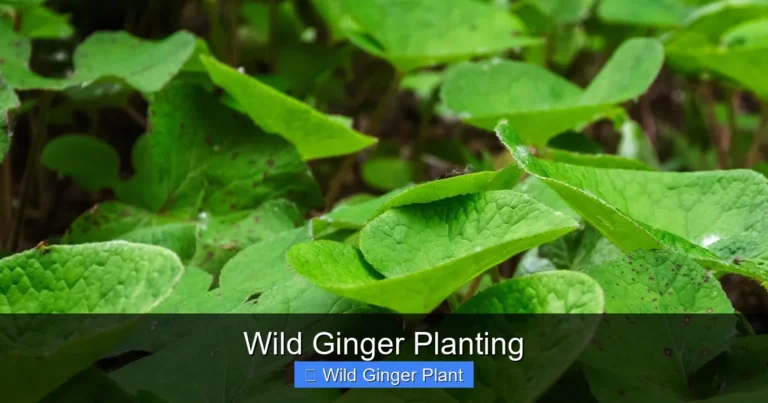
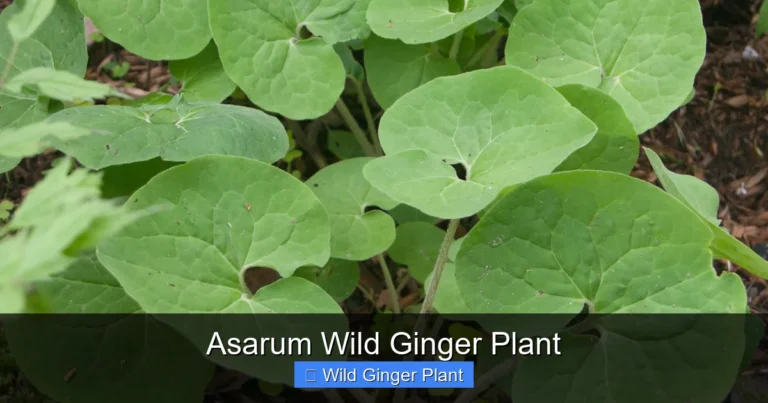
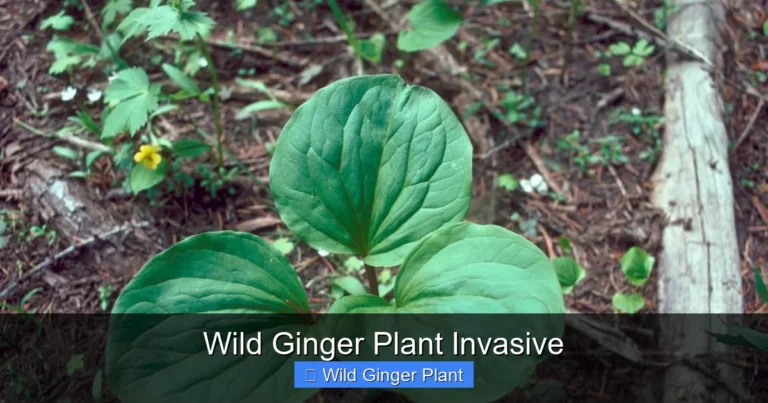
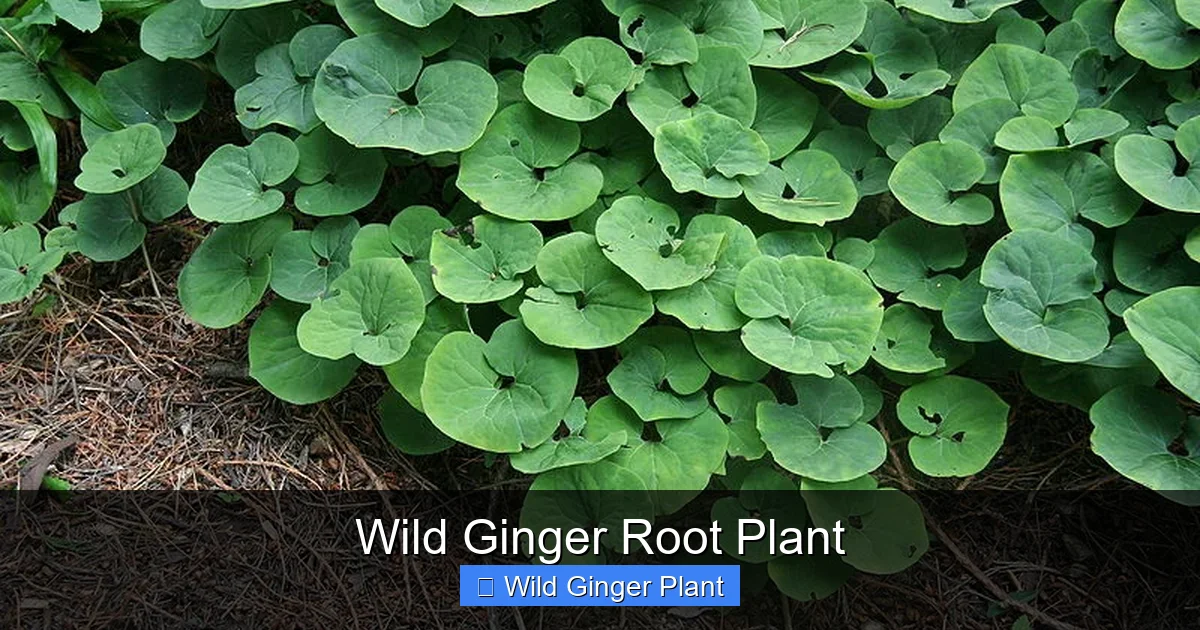
Identifying the wild ginger root plant is straightforward once you know what to look for. The plant grows low, typically reaching only four to eight inches in height. Each plant produces a pair of large, heart-shaped or kidney-shaped leaves. These leaves measure three to six inches across and have a soft, slightly hairy texture. The leaf stems emerge directly from the rhizome, giving the plant a stemless appearance.
The flowers are where things get interesting. They bloom in early spring, often before the leaves fully expand. You have to look carefully to find them. The flowers sit at ground level, hidden beneath the leaf litter and the plant’s own foliage. Each flower is shaped like a small jug or bell, usually brownish-purple to greenish-brown. Three pointed sepals flare outward like a tri-corner hat. There are no true petals. This unusual structure attracts specific pollinators, which we will discuss later.
Root Characteristics
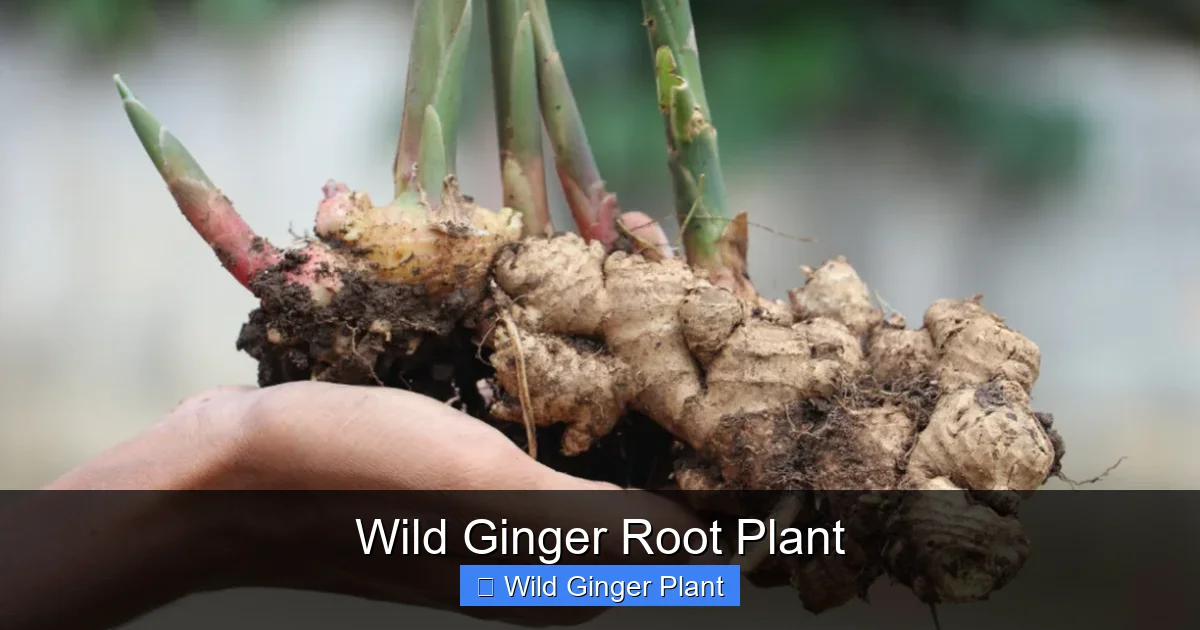
The rhizomes of the wild ginger root plant are the source of its common name. These horizontal underground stems are slender, typically one-eighth to one-quarter inch in diameter. They grow just below the soil surface, often visible where leaf litter has washed away. When scratched or broken, the rhizomes release a distinct ginger-like aroma. The scent is warm, spicy, and slightly sweet. The flavor is similar but more bitter and pungent than commercial ginger.
Natural Habitat and Range
Geographic Distribution
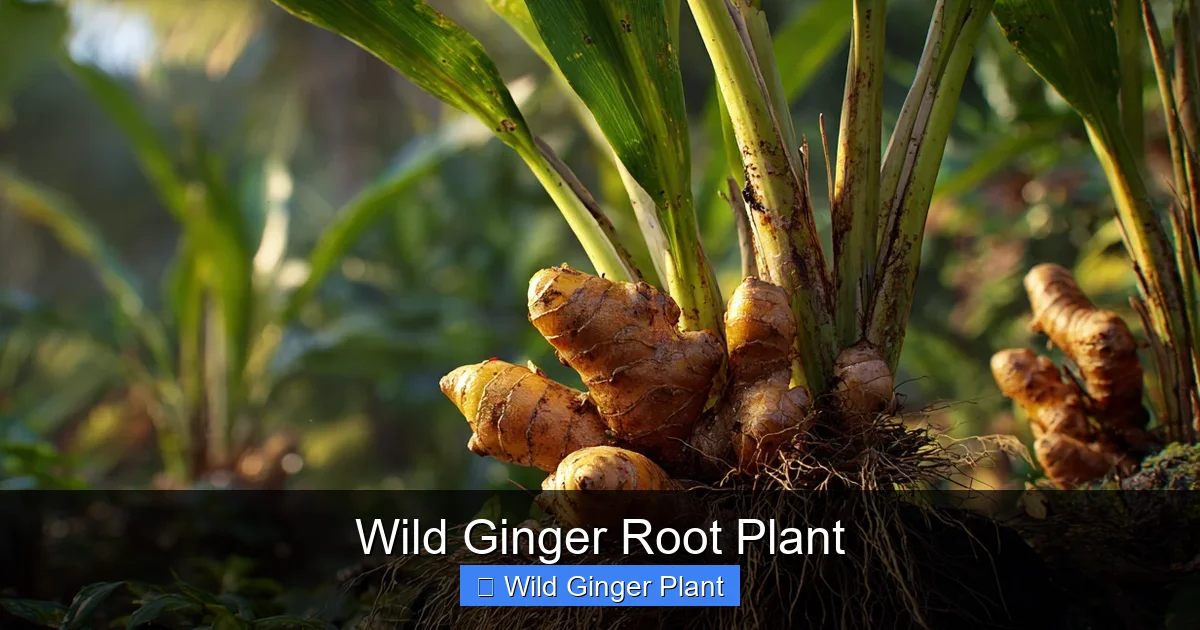
The wild ginger root plant is native to eastern North America. Its range extends from Manitoba and Quebec in the north, south to Georgia and Louisiana, and west to the Great Plains. You will find it in every state east of the Mississippi River except Florida. It also occurs in parts of the Pacific Northwest, though those populations may represent a different species or variety.
Visual guide about Wild Ginger Root Plant
Image source: epicureanearth.com
Within this broad range, the plant shows remarkable adaptability. It grows in the cool, moist forests of New England and the upper Midwest. It also thrives in the richer coves and north-facing slopes of the Appalachian Mountains. In the southern parts of its range, it sticks to higher elevations and the coolest, wettest microhabitats.
Preferred Growing Conditions
Understanding the natural habitat of the wild ginger root plant is the key to growing it successfully. In the wild, it inhabits rich, deciduous woodlands. It favors slopes and ravines where the soil stays moist but well-drained. The soil is typically high in organic matter from centuries of leaf decomposition. The pH tends toward neutral to slightly acidic.
Light conditions are critical. The wild ginger root plant is a true shade lover. It grows under a closed canopy of mature trees where direct sunlight rarely reaches the forest floor. Dappled light or morning sun with afternoon shade works well. Full sun, especially in warmer climates, will scorch the leaves and stress the plant.
Associated Plant Communities
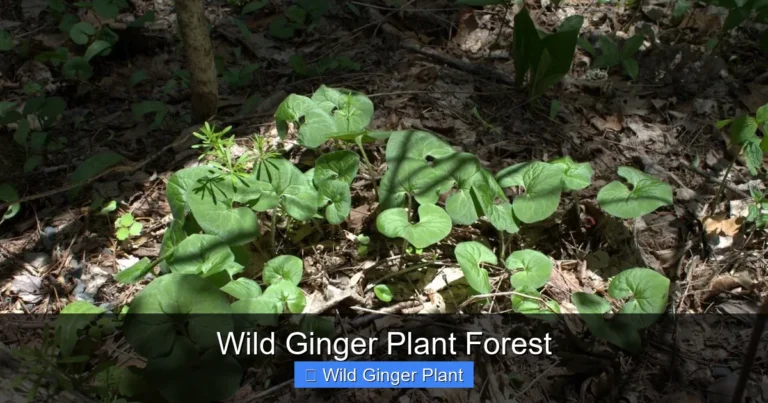
If you are trying to locate wild ginger root plant in the wild or recreate its preferred conditions, look for its companion species. It often grows alongside other spring ephemerals and shade perennials. Common neighbors include bloodroot (Sanguinaria canadensis), trilliums (Trillium spp.), mayapple (Podophyllum peltatum), and various ferns such as maidenhair fern (Adiantum pedatum) and Christmas fern (Polystichum acrostichoides).
These associations tell you about the soil quality. The presence of wild ginger root plant usually indicates rich, mesic soil with good structure. It rarely grows in heavy clay, pure sand, or poorly drained wetlands. It also avoids highly acidic soils under conifers, preferring the more neutral conditions under deciduous hardwoods.
Growing Wild Ginger in Your Garden
Site Selection
Choosing the right spot is the single most important factor for success with wild ginger root plant. Look for an area that receives full to partial shade. The north or east side of a building, under mature deciduous trees, or in a woodland garden setting are ideal. Avoid areas with hot afternoon sun, especially in zones 7 and warmer.
Visual guide about Wild Ginger Root Plant
Image source: thegardeningcook.com
Soil preparation pays dividends. The wild ginger root plant wants rich, humusy soil that retains moisture but drains well. If your soil is heavy clay, amend it generously with compost, leaf mold, or well-rotted manure. Sandy soils also benefit from organic matter additions to improve water retention. Aim for a soil pH between 5.5 and 7.0. A simple soil test can guide your amendments.
Planting Techniques
The best time to plant wild ginger root plant is early spring or early fall. Spring planting allows the roots to establish before summer heat. Fall planting gives a head start for the following spring. If you are planting divisions or bare-root rhizomes, space them six to twelve inches apart. They will fill in over time.
Dig a shallow trench or individual holes just deep enough to cover the rhizomes with about an inch of soil. Lay the rhizomes horizontally with any buds or leaf shoots pointing upward. Backfill gently and water thoroughly. Apply a two-inch layer of shredded leaves or pine needles as mulch. This mimics the natural leaf litter of its woodland home and helps retain moisture.
Watering and Maintenance
Consistent moisture is crucial during the first growing season. Water deeply once or twice a week during dry spells, enough to keep the soil evenly moist but not soggy. Once established, the wild ginger root plant is surprisingly drought tolerant for a shade plant, thanks to its rhizomatous nature. However, it looks its best with regular moisture.
Maintenance is minimal. No fertilizer is needed if you have prepared the soil well. An annual top-dressing of compost or leaf mold in fall replicates natural nutrient cycling. Remove any invasive plants that encroach, especially aggressive spreaders like English ivy or periwinkle. The dense foliage of established wild ginger root plant suppresses most weeds on its own.
Seasonal Care Calendar
Here is a simple care calendar for your wild ginger root plant patch:
- Early spring: Remove any heavy leaf mats that might smother emerging shoots. Watch for the unique flowers at ground level.
- Late spring: Ensure adequate moisture during leaf expansion. Divide crowded clumps if desired.
- Summer: Water during extended dry periods. Enjoy the lush groundcover.
- Fall: Apply a light mulch of shredded leaves. This is an excellent time to plant new divisions.
- Winter: No special care needed. The plant is fully hardy in its native range.
Propagation Methods
Division
Division is the easiest and most reliable way to propagate wild ginger root plant. Established clumps can be divided in early spring just as new growth begins, or in early fall after the heat of summer passes. Water the plant well the day before dividing. Use a garden fork to lift the entire clump, taking care to get as much of the rhizome system as possible.
Gently tease the rhizomes apart with your hands. Each division should have at least one growing point (a bud or emerging leaf shoot) and a section of rhizome with roots attached. Trim any damaged roots. Replant divisions immediately at the same depth they were growing. Water well and mulch. Divisions typically establish quickly and may even flower the following spring.
Seed Propagation
Growing wild ginger root plant from seed requires patience but can be rewarding. The seeds are dispersed by ants, a process called myrmecochory. Each seed has a fleshy appendage called an elaiosome that attracts ants. The ants carry seeds to their nests, eat the elaiosome, and discard the seed in a nutrient-rich waste pile.
To propagate from seed, collect the capsules in early summer as they begin to split open. Sow seeds immediately in a prepared seed bed or pots, as they lose viability quickly when dry. Press them into the soil surface and cover lightly with fine grit or sand. Keep moist and shaded. Germination is often slow and irregular, sometimes taking two years. Seedlings grow slowly for the first few years.
Rhizome Cuttings
For larger-scale propagation, rhizome cuttings work well. In early spring or fall, cut healthy rhizomes into two- to three-inch sections, each with at least one node. Plant horizontally in a shaded nursery bed or deep flats filled with a mix of peat and sand. Keep consistently moist. New shoots usually emerge within four to six weeks. This method produces many plants from a single donor clump.
Ecological Value and Wildlife Interactions
Pollination Ecology
The flowers of the wild ginger root plant are a marvel of evolutionary ingenuity. They bloom at ground level in early spring, often when snow still patches the woods. The dark, jug-shaped flowers emit a faint, musty odor reminiscent of fungus or decaying matter. This scent attracts small flies, gnats, and beetles that typically feed or lay eggs on fungi.
These insects crawl into the flower seeking a meal or egg-laying site. The interior of the flower is lined with downward-pointing hairs that allow easy entry but make exit difficult. The insects become temporarily trapped, crawling over the receptive stigma and depositing pollen from other flowers. As the flower ages, the anthers mature and dust the insects with fresh pollen. The hairs then wither, allowing the pollen-loaded insects to escape and visit other flowers.
This deception-based pollination strategy is highly effective. Studies show high seed set in most populations. The specific pollinators vary by region but generally include fungus gnats (families Mycetophilidae and Sciaridae) and small rove beetles (family Staphylinidae). By flowering early, before the canopy leafs out, the wild ginger root plant avoids competition for these specialized pollinators.
Ant Dispersal
As mentioned earlier, the wild ginger root plant partners with ants for seed dispersal. The seeds develop a nutrient-rich elaiosome that is irresistible to many ant species. Common dispersers include winnow ants (Aphaenogaster spp.) and other woodland ants. The ants carry seeds distances of up to several meters, though most dispersal is within one meter of the parent plant.
This mutualism benefits both parties. The ants get a high-quality food source for their larvae. The plant gets its seeds planted in the ants’ nutrient-rich midden heaps, protected from seed predators like mice, and dispersed away from the parent plant to reduce competition. This is why you often see wild ginger root plant growing in small, distinct clumps rather than a continuous mat in the wild.
Wildlife Value Beyond Pollination
The wild ginger root plant provides value to other wildlife as well. The dense foliage offers cover for small amphibians like salamanders and frogs. Ground-foraging birds such as thrushes and towhees may hunt insects among the leaves. The plant is generally avoided by mammalian herbivores. Deer, rabbits, and woodchucks rarely browse the foliage, likely due to the aromatic compounds that give the roots their ginger scent.
However, the plant is not entirely immune to herbivory. Some native caterpillars feed on the leaves, including the larvae of the pipevine swallowtail butterfly (Battus philenor). This butterfly typically uses pipevines (Aristolochia spp.) as host plants but will occasionally use wild ginger root plant. The caterpillars sequester the plant’s defensive chemicals for their own protection.
Historical and Modern Uses
Indigenous Uses
Many Indigenous nations across the range of the wild ginger root plant used it extensively. The Cherokee, Iroquois, Ojibwe, and numerous other groups valued the rhizomes for both medicinal and culinary purposes. The root was used to treat colds, coughs, fevers, and digestive complaints. It was also used as a contraceptive and to induce menstruation, indicating potent physiological effects.
Culinarily, the rhizomes were used as a flavoring agent, much like true ginger. They were added to stews, teas, and other dishes. The leaves were sometimes used to wrap foods for cooking. Early European settlers quickly adopted these uses, and the plant became a staple in colonial herb gardens and folk medicine chests.
Chemical Constituents and Safety
Modern analysis has identified several compounds in the wild ginger root plant that explain both its aroma and its toxicity concerns. The characteristic ginger scent comes from bornyl acetate and other terpenes. However, the plant also contains aristolochic acid, a compound found in many members of the Aristolochiaceae family.
Aristolochic acid is a known carcinogen and nephrotoxin. It has been linked to kidney failure and urinary tract cancers in people who consumed herbal products containing related species. While the concentration in Asarum canadense appears lower than in some tropical Aristolochia species, the risk is real. The FDA has issued warnings about products containing aristolochic acid.
For this reason, internal use of wild ginger root plant is not recommended. The traditional uses involved specific preparation methods and dosages that are not well documented for modern safety. External uses, such as poultices for wounds or sore muscles, pose less risk but should still be approached with caution. Always consult a qualified healthcare provider before using any wild plant medicinally.
Modern Landscape Uses
Today, the primary value of the wild ginger root plant is ornamental and ecological. It is a superstar in native plant gardens, shade gardens, and ecological restoration projects. Its ability to form a dense, weed-suppressing groundcover in deep shade makes it invaluable for difficult sites. It is also used in rain gardens, where its tolerance for periodic wetness shines.
Designers appreciate the bold texture of the heart-shaped leaves. They contrast beautifully with fine-textured ferns, the vertical lines of sedges, and the delicate flowers of spring ephemerals. The wild ginger root plant works well as an underplanting for native shrubs like spicebush (Lindera benzoin) or witch hazel (Hamamelis virginiana). It also excels at stabilizing slopes in woodland settings.
Companion Plants and Design Ideas
Spring Ephemeral Pairings
One of the most beautiful ways to use wild ginger root plant is as a matrix for spring ephemerals. These early-blooming wildflowers emerge, flower, and set seed before the tree canopy closes, then go dormant. The wild ginger root plant emerges a bit later, its expanding leaves covering the fading foliage of the ephemerals.
Excellent companions include Virginia bluebells (Mertensia virginica), trout lily (Erythronium americanum), spring beauty (Claytonia virginica), and Dutchman’s breeches (Dicentra cucullaria). Plant the ephemerals among the wild ginger root plant rhizomes in fall. The result is a dynamic, multi-season display that mimics natural woodland plant communities.
Fern Combinations
Ferns and wild ginger root plant are classic partners. The fine, feathery texture of fern fronds contrasts perfectly with the bold, simple leaves of wild ginger. Both thrive in the same conditions. Some top fern choices include:
- Maidenhair fern (Adiantum pedatum): Delicate, fan-shaped fronds on wiry black stems.
- Christmas fern (Polystichum acrostichoides): Evergreen, leathery fronds provide winter interest.
- Lady fern (Athyrium filix-femina): Lacy, light green fronds that tolerate drier conditions.
- Cinnamon fern (Osmundastrum cinnamomeum): Dramatic fertile fronds in spring, prefers wetter spots.
Sedges and Grasses
Native sedges (Carex spp.) add grass-like texture and often evergreen presence to the shade garden. Many are clump-forming and play well with the spreading habit of wild ginger root plant. Pennsylvania sedge (Carex pensylvanica) is a low, fine-textured spreader that mingles beautifully. Plantain-leaved sedge (Carex plantaginea) has broad, puckered leaves that echo the wild ginger’s foliage shape.
Designing a Woodland Garden
To create a cohesive woodland garden featuring wild ginger root plant, think in layers. The canopy layer is your existing mature trees. The understory layer might include small trees like serviceberry (Amelanchier spp.) or redbud (Cercis canadensis). The shrub layer could feature spicebush, wild hydrangea (Hydrangea arborescens), or mapleleaf viburnum (Viburnum acerifolium).
The herbaceous layer is where wild ginger root plant shines. Use it as a groundcover beneath the shrubs, interplanted with the ferns, sedges, and ephemerals mentioned above. Add some taller perennials for vertical accents: black cohosh (Actaea racemosa), goat’s beard (Aruncus dioicus), or Indian pink (Spigelia marilandica). The result is a resilient, ecologically functional garden that looks like it has been there forever.
Common Problems and Solutions
Pest Issues
The wild ginger root plant is remarkably pest-free. The aromatic compounds that give the roots their scent also deter most herbivores. Slugs and snails occasionally nibble the leaves, especially in very wet springs, but damage is usually minor. If slugs become problematic, use beer traps, diatomaceous earth, or hand-picking at night. Avoid metaldehyde baits, which can harm beneficial wildlife.
Root-knot nematodes can occasionally infest the rhizomes, causing galls and reduced vigor. This is more common in sandy soils. Solarizing the soil before planting can reduce nematode populations. Crop rotation is not practical for a perennial groundcover, but maintaining high organic matter encourages beneficial nematodes that prey on the pest species.
Disease Concerns
Fungal leaf spots sometimes appear in very humid conditions with poor air circulation. These appear as brown or black spots on the leaves, sometimes with yellow halos. They are rarely fatal. Improve air circulation by thinning nearby vegetation. Remove and dispose of heavily infected leaves. Avoid overhead watering.
Root rot can occur in poorly drained soils, especially in winter. The symptoms include yellowing leaves, wilting despite moist soil, and blackened, mushy rhizomes. Prevention is the only cure. Ensure excellent drainage at planting time. In heavy soils, consider planting on a slight mound or in a raised bed.
Environmental Stress
The most common issue with wild ginger root plant is environmental stress from too much sun or too little moisture. Sunburn appears as bleached, crispy patches on the leaves, usually on the side facing the afternoon sun. The solution is to provide more shade, either by planting taller companions or using a temporary shade cloth while the plant establishes.
Drought stress shows as limp, drooping leaves that may curl at the edges. The plant will often go dormant prematurely in severe drought, sacrificing the current season’s growth to preserve the rhizomes. Water deeply and mulch heavily to prevent this. Remember that established plants are more drought-tolerant than new plantings.
Invasive Species Competition
In many regions, invasive plants threaten the wild ginger root plant both in the wild and in gardens. Garlic mustard (Alliaria petiolata), Japanese stiltgrass (Microstegium vimineum), and lesser celandine (Ficaria verna) are aggressive invaders of the same woodland habitats. They can outcompete wild ginger for light, nutrients, and space.
Vigilance is key. Learn to identify the invasive species in your area. Remove them promptly, preferably before they set seed. For garlic mustard, pull second-year flowering plants in spring. For stiltgrass, mow or weed-whip before seed set in late summer. For lesser celandine, dig out the tuberous roots in early spring. Replant disturbed areas with wild ginger root plant divisions to reclaim the space.
Varieties and Related Species
Other North American Asarum Species
While Asarum canadense is the most widespread and commonly cultivated, several other native species deserve attention. The western wild ginger (Asarum caudatum) grows in the Pacific Northwest and has larger, more dramatically pointed leaves and longer flower “tails.” The little brown jug (Asarum arifolium) of the Southeast has evergreen, arrow-shaped leaves with beautiful silver mottling.
Several species in the Asarum (sometimes separated as Hexastylis) group are endemic to the southeastern United States. These include heartleaf (Asarum virginicum), shuttleworth’s ginger (Asarum shuttleworthii), and Harper’s ginger (Asarum harperi). They tend to have evergreen, beautifully patterned leaves and are prized by collectors. Most are more particular about soil conditions than the adaptable wild ginger root plant.
European and Asian Relatives
European wild ginger (Asarum europaeum) is a popular garden plant with glossy, evergreen, kidney-shaped leaves. It is smaller and slower-spreading than the North American species but equally shade-tolerant. Several Asian species, such as Asarum splendens (Chinese wild ginger) and Asarum maximum (panda face ginger), are grown for their spectacularly patterned leaves and showy flowers.
These non-native species can be beautiful additions to shade gardens but do not provide the same ecological benefits as the native wild ginger root plant. They may also be less adapted to local climate extremes. If you garden in eastern North America, the native species is the best choice for supporting local pollinators and wildlife.
Cultivars and Selections
Few named cultivars of Asarum canadense exist, as the species is so variable and attractive in its wild form. Occasionally, selections with particularly large leaves, heavy silver mottling, or especially vigorous spreading are offered by native plant nurseries. These are usually propagated by division to maintain the selected traits. Look for names like ‘Eco Medley’ or ‘Select Form’ from reputable native plant suppliers.
Conservation and Ethical Considerations
Wild Population Status
The wild ginger root plant is not currently listed as threatened or endangered at the federal level in the United States or Canada. It remains common throughout much of its core range. However, local populations face pressure from habitat loss, invasive species, over-collection, and climate change. In some states at the periphery of its range, it is listed as a species of special concern.
Habitat fragmentation is a major threat. The wild ginger root plant requires intact woodland ecosystems with undisturbed soil structure and leaf litter. Logging, development, and conversion to agriculture destroy these habitats. Even when woodlands remain, edge effects and invasive species can degrade the microhabitats this plant needs.
Ethical Harvesting and Purchasing
If you want to add wild ginger root plant to your garden, never dig plants from the wild. Wild collection depletes local populations, disturbs the soil, and often introduces invasive species. Many populations are on protected land where collection is illegal. The plant also transplants poorly from the wild due to its shallow, extensive rhizome system.
Instead, purchase nursery-propagated plants from reputable native plant nurseries. Look for nurseries that propagate their own stock from seed or division, not those that “wildcraft” or dig from natural areas. Many native plant societies hold annual sales where you can buy ethically sourced plants. Starting with nursery-grown plants also gives you healthier, better-established specimens that will thrive in your garden.
Citizen Science and Monitoring
You can contribute to the conservation of wild ginger root plant by participating in citizen science projects. Platforms like iNaturalist allow you to document occurrences, helping scientists track distribution and phenology. Monitoring flowering times in your own garden can provide valuable data on climate change impacts. Sharing seeds or divisions with other native plant gardeners (where locally appropriate) helps maintain genetic diversity in cultivated populations.
Conclusion
The wild ginger root plant is a true gem of the eastern North American flora. It combines beauty, toughness, and ecological value in a compact, shade-loving package. Whether you are a seasoned native plant gardener or just starting to explore the world of woodland perennials, this species deserves a place in your landscape. Its heart-shaped leaves create a living carpet that suppresses weeds, supports specialized pollinators, and connects your garden to the rich natural heritage of the region.
Growing wild ginger root plant successfully comes down to respecting its preferences: shade, rich soil, and consistent moisture. Give it those conditions, and it will reward you with decades of low-maintenance beauty. It asks for little and gives much. In a world of high-maintenance ornamentals, the wild ginger root plant stands out as a plant that works with nature, not against it.
As you plan your shade garden or woodland restoration, consider the wild ginger root plant as a foundational species. Pair it with ferns, sedges, and spring ephemerals to create a dynamic, resilient plant community. Share divisions with friends and neighbors. Teach children to look for the hidden jug flowers in early spring. In doing so, you become part of the long human relationship with this remarkable plant, a relationship built on observation, respect, and reciprocity.
The next time you walk through a rich spring woodland, pause and look down. Gently lift a leaf of wild ginger root plant to reveal its secret flower. Scratch a rhizome and inhale the spicy scent that has fascinated people for millennia. In that moment, you connect with the deep history of this continent and the enduring power of native plants to heal, nourish, and inspire.
Frequently Asked Questions
What is the scientific name of the wild ginger root plant?
The scientific name is Asarum canadense. It belongs to the Aristolochiaceae (birthwort) family. Several other Asarum species are also called wild ginger, but Asarum canadense is the most widespread in eastern North America.
How do I identify wild ginger root plant in the wild?
Look for pairs of heart-shaped or kidney-shaped leaves (3-6 inches wide) growing close to the ground in rich woods. In early spring, search beneath the leaves for small, jug-shaped, brownish-purple flowers at soil level. Scratch a rhizome to confirm the ginger-like aroma.
Will wild ginger root plant grow under pine trees?
It generally prefers deciduous shade. The dense, year-round shade and acidic needle litter under pines are not ideal. It may survive on the edges of pine stands where some deciduous leaves accumulate, but it thrives best under hardwoods.
Is wild ginger root plant deer resistant?
Yes, the aromatic compounds in the foliage and rhizomes make it unpalatable to deer and rabbits. It is an excellent choice for shade gardens in areas with high deer pressure where many other plants get browsed.
Can I grow wild ginger root plant in containers?
Yes, it adapts well to containers if given a rich, moisture-retentive potting mix and consistent shade. Use a wide, shallow pot to accommodate the horizontal rhizomes. Water regularly and protect from freezing solid in winter by moving to an unheated garage or burying the pot.
How do I control wild ginger root plant if it spreads too much?
It spreads slowly and is easily controlled. Simply dig out unwanted rhizomes with a trowel or spade in spring or fall. The rhizomes are shallow and pull up readily. Install edging if you want a strict boundary. It does not spread by seed aggressively.