Ultimate Guide How to Choose Best Brass for Parlor Palm
This ultimate guide walks you through everything you need to know about selecting brass containers and accessories for your parlor palm. From proper sizing and drainage solutions to style coordination and long-term plant health, you’ll discover how to create a stunning display that keeps your palm thriving for years to come.
Quick Answers to Common Questions
Can I plant directly in a brass pot without drainage holes?
It is strongly discouraged. Without drainage, water pools at the bottom, causing root rot. Use the cachepot method (keep plant in nursery pot inside the brass pot) or drill holes yourself if the pot is solid brass and you have the tools.
How do I stop my brass planter from tarnishing?
Choose lacquered brass for a permanent shine. For unlacquered brass, apply microcrystalline wax (like Renaissance Wax) every 6-12 months to slow patina development. Wipe up water spills immediately and avoid constant soil contact with the metal rim.
Is a heavy brass planter safe for my upstairs floor?
Check your floor’s load capacity. A large filled brass planter can exceed 50 lbs. Use a plant caddy with casters to distribute weight and enable moving. Place on a rubber mat to prevent point-loading and protect the floor finish.
What potting mix is best for parlor palms in brass planters?
Use a well-draining mix: 2 parts peat-based potting soil, 1 part perlite, 1 part orchid bark or coarse sand. This prevents compaction and ensures oxygen reaches roots, which is critical in metal pots that can heat up.
Can I use a vintage brass jardinière for my parlor palm?
Absolutely! Vintage pieces add incredible character. Verify it is solid brass (non-magnetic). Clean gently. Use as a cachepot with a nursery pot inside on a layer of pebbles. Line the bottom with felt pads to protect surfaces.
Introduction: Why Brass and Parlor Palms Make a Perfect Pair
Welcome to the ultimate guide on how to choose the best brass for your parlor palm. If you have fallen in love with the elegant combination of warm metallic tones and lush green fronds, you are in the right place. The parlor palm, scientifically known as Chamaedorea elegans, has been a beloved houseplant since Victorian times. Its graceful, arching fronds bring a touch of tropical sophistication to any room.
Pairing this classic plant with brass planters or accessories creates a timeless aesthetic. The warm gold tones of brass complement the deep green foliage beautifully. However, choosing the right brass vessel involves more than just picking the prettiest pot. You need to consider drainage, size, weight, material quality, and long-term maintenance.
In this comprehensive guide, we will walk you through every factor you need to consider. We will cover the different types of brass planters available, how to ensure proper drainage, sizing guidelines, style tips, and maintenance routines. By the end, you will feel confident selecting the perfect brass home for your parlor palm.
Step 1: Understand Your Parlor Palm’s Needs
Before you even look at brass planters, you must understand what your parlor palm requires to thrive. This knowledge will inform every decision you make about the container.

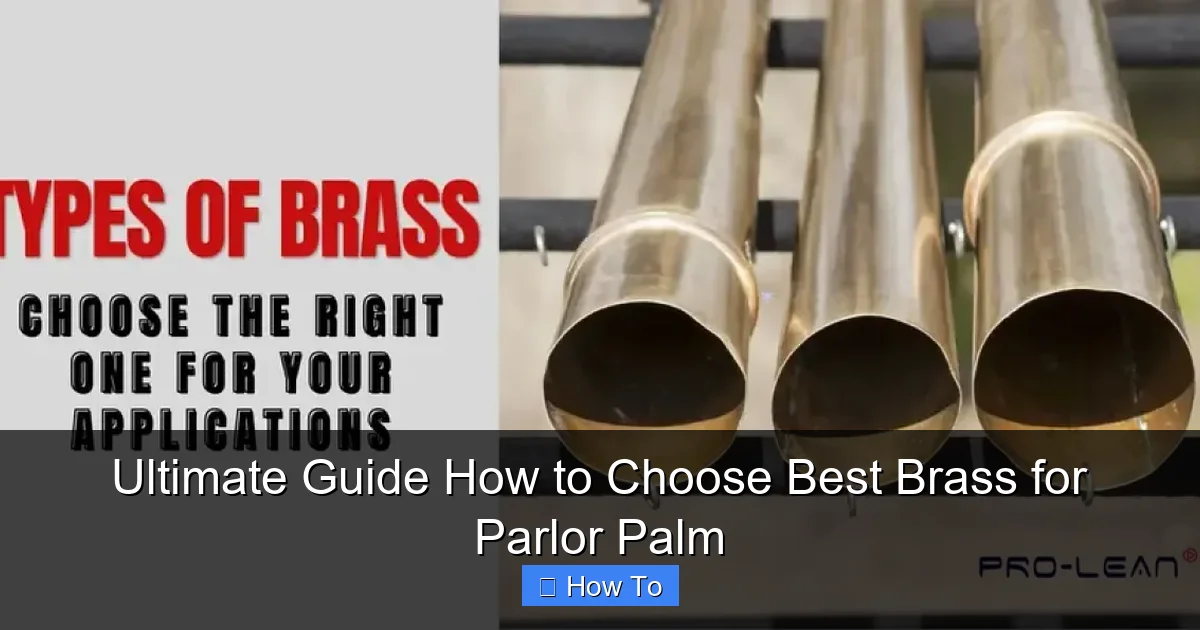
Visual guide about Ultimate Guide How to Choose Best Brass for Parlor Palm
Image source: blog.vigoroushome.com
Light Requirements
Parlor palms prefer bright, indirect light. They can tolerate lower light conditions better than many palms, but they will grow slower. Direct sunlight scorches their delicate fronds. This matters for brass because metal conducts heat. A brass pot in direct sun will heat up rapidly, potentially cooking the roots.
Watering Preferences
These palms like consistently moist but not soggy soil. They are sensitive to both underwatering and overwatering. The container you choose must support this balance. Excellent drainage is non-negotiable.
Root System Characteristics
Parlor palms have relatively shallow, fibrous root systems. They do not need extremely deep pots. They prefer being slightly root-bound and only need repotting every two to three years. This means you should not choose an excessively large brass planter.
Humidity Needs
Native to the rainforests of Guatemala and Mexico, parlor palms appreciate higher humidity. While the pot material does not directly provide humidity, a cachepot setup with pebbles and water can help create a microclimate.
Step 2: Explore Types of Brass Planters
Not all brass planters are created equal. Understanding the different types will help you make an informed purchase.
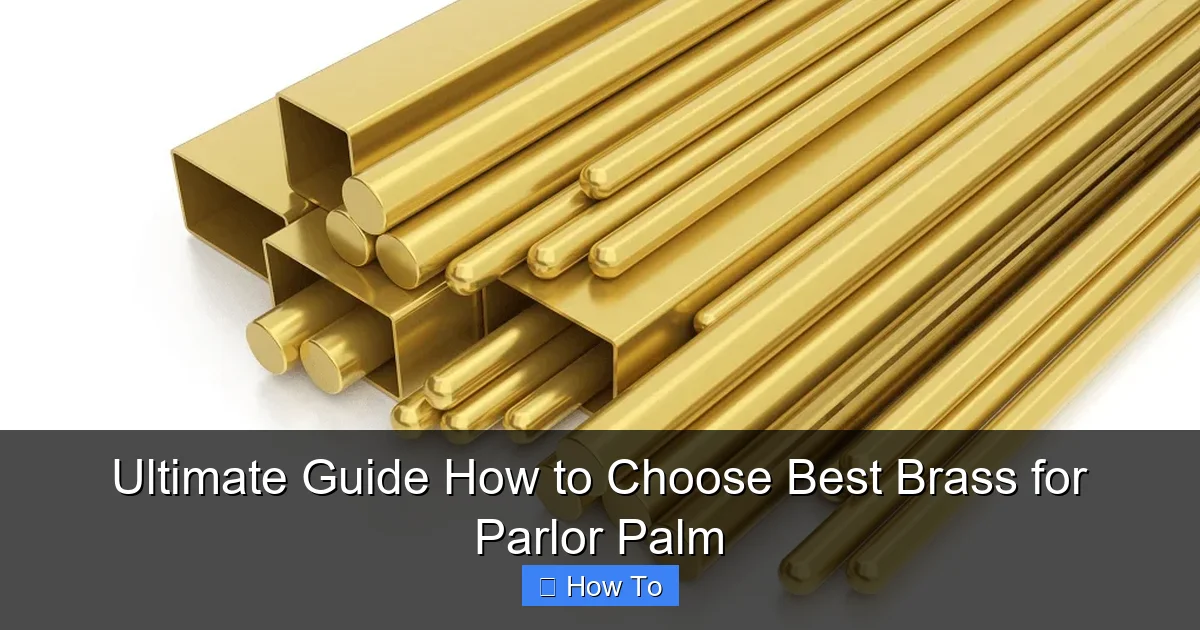
Visual guide about Ultimate Guide How to Choose Best Brass for Parlor Palm
Image source: snehmetals.com
Solid Brass Planters
These are made entirely of brass alloy (copper and zinc). They are heavy, durable, and develop a natural patina over time. They are often vintage or high-end modern pieces. They are the most expensive option but can last generations.
Brass-Plated or Brass-Finished Planters
These have a base metal (usually steel, aluminum, or iron) coated with a thin layer of brass via electroplating or PVD (Physical Vapor Deposition). They are lighter and more affordable. Quality varies significantly. High-quality PVD finishes are very durable; cheap electroplating can wear off or tarnish unevenly.
Lacquered vs. Unlacquered Brass
Lacquered brass has a clear protective coating applied at the factory. It maintains a bright, shiny gold appearance indefinitely. It requires less polishing but can show scratches. If the lacquer chips, moisture gets underneath and causes spotty tarnish that is hard to fix.
Unlacquered (raw or living) brass has no protective coating. It will oxidize naturally, developing a unique patina that ranges from warm gold to deep bronze and eventually to a greenish verdigris. Many designers prefer this for its evolving character. It requires regular polishing if you want to maintain the bright look.
Brass Cachepots (Decorative Outer Pots)
A cachepot is a decorative container without drainage holes. You keep the plant in a plastic nursery pot with drainage and slip it inside the brass cachepot. This is often the best practical choice for brass because it solves the drainage problem entirely. It also protects the brass from constant soil moisture contact.
Brass Planters with Integrated Drainage
Some modern brass planters come with pre-drilled drainage holes and matching saucers. These are convenient but harder to find in solid brass. Ensure the saucer is also brass or a complementary material to avoid water stains on furniture.
Step 3: Determine the Correct Size
Sizing is perhaps the most critical factor for plant health. A pot that is too large holds excess water, leading to root rot. A pot that is too small restricts growth and dries out too fast.
Measure the Current Root Ball
Gently remove the plant from its current pot (or estimate if it is in a nursery pot). Measure the diameter and depth of the root ball.
Apply the 2-Inch Rule
Choose a brass planter with an interior diameter 2 to 3 inches wider than the root ball. For example, if the root ball is 6 inches wide, select an 8 to 9-inch diameter pot. The depth should be roughly equal to the height of the root ball or slightly deeper.
Consider the Cachepot Gap
If using a brass cachepot, you need enough clearance to slip the nursery pot in and out easily. Add 1 to 1.5 inches to the nursery pot’s outer diameter. Ensure the cachepot is deep enough to hide the nursery pot rim or accommodate a layer of decorative moss.
Plan for Growth
Parlor palms grow slowly. Do not size up dramatically thinking it will save you repotting later. It will only cause waterlogging issues. Stick to the 2-inch increment.
Step 4: Solve the Drainage Dilemma
This is the single biggest challenge with brass planters. Most decorative brass pots, especially vintage ones, lack drainage holes. Drilling holes in solid brass is difficult and risks cracking the metal or ruining the finish. Here are your solutions.
Option A: The Cachepot Method (Highly Recommended)
Keep the parlor palm in its plastic nursery pot (which has excellent drainage). Place the nursery pot inside the brass cachepot. Add a layer of pebbles or pot feet at the bottom of the cachepot so the nursery pot does not sit in standing water. This is the safest method for the plant and the easiest for you.
Option B: Drill Drainage Holes (For Solid Brass Only)
If you are committed to planting directly in a solid brass pot, you must drill holes. Use a carbide-tipped or diamond-tipped drill bit designed for metal. Drill slowly with cutting oil lubrication. Drill 3 to 5 holes of 1/4 to 1/2 inch diameter. File edges smooth. Apply a clear metal sealant to raw edges to prevent corrosion. Note: This voids returns on most new planters and risks damaging expensive pieces.
Option C: The Double-Potting Technique
Plant in a slightly smaller plastic pot with drainage. Place that pot inside the brass planter. Fill the gap with sphagnum moss or bark chips. This hides the plastic pot, provides humidity, and allows you to lift the inner pot to check for standing water.
Option D: Create a Drainage Layer (Risky)
Some gardeners add 2-3 inches of gravel, charcoal, or LECA (clay pebbles) at the bottom of a hole-less pot. This creates a reservoir for excess water. However, physics dictates that water does not move easily from fine soil into coarse gravel (perched water table). The soil above stays saturated. This method is not recommended for moisture-sensitive parlor palms.
Step 5: Evaluate Weight and Portability
Brass is dense. A large solid brass planter filled with wet soil and a mature plant is extremely heavy.
Assess Your Surface
Can your floor, shelf, or plant stand support the weight? A 12-inch solid brass planter with soil and plant can weigh 30-50 lbs (14-23 kg). Vintage brass jardinières are even heavier.
Consider Mobility Needs
Parlor palms benefit from occasional rotation for even growth. You may need to move the plant for cleaning, watering in a sink, or seasonal light adjustments. If the planter is too heavy to move easily, place it on a plant caddy with locking casters before filling it.
Lightweight Alternatives
If weight is a concern, look for:
– Brass-finished aluminum or fiberglass planters (very light)
– Thin-gauge brass over a lightweight core
– Brass cachepots used with lightweight nursery pots
Step 6: Match Style and Finish to Your Decor
Brass comes in a surprising range of tones and finishes. Choosing one that harmonizes with your space elevates the whole look.
Identify Your Brass Tone
Yellow Brass (high zinc content) is bright, sunny gold. It pops against cool colors (blues, greens, grays) and works in mid-century modern, Hollywood Regency, and eclectic spaces.
Red Brass / Rose Brass (high copper content) has a warmer, pinkish-gold hue. It complements warm neutrals, terracotta, wood tones, and traditional or bohemian interiors.
Antique / Aged Brass has a muted, brushed, or darkened finish. It reads as sophisticated and vintage. It fits industrial, farmhouse, and classic traditional styles.
Coordinate with Existing Metals
Look at your light fixtures, hardware, mirror frames, and furniture legs. You do not need an exact match, but the undertones should harmonize. Mixing warm metals (brass, gold, copper, bronze) generally works well. Mixing warm brass with cool chrome or nickel requires intentional contrast.
Consider the Planter Silhouette
Urn or Jardinière shapes (pedestal base, flared rim) are classic and formal. They suit traditional spaces.
Cylinder or Drum shapes are modern and clean. They work in contemporary and minimalist rooms.
Bowl or Compote shapes (low, wide) are great for shallow-rooted plants or groupings.
Geometric or Faceted shapes add architectural interest. They fit Art Deco and modern eclectic styles.
Texture and Detail
Smooth, high-polish brass reads glamorous. Hammered, brushed, or reeded brass adds texture and hides fingerprints and minor scratches better. Engraved or embossed details (acanthus leaves, gadrooning, fluting) signal vintage or artisan quality.
Step 7: Assess Quality and Craftsmanship
Whether buying new or vintage, know how to spot quality. A well-made brass planter is an investment.
Check Seams and Construction
Solid brass planters are often spun, hammered, or fabricated from sheet brass. Look for smooth, tight seams. Soldered joints should be clean and barely visible. Riveted joints should be flush and secure. Cheap planters may have gaps, messy solder, or sharp edges.
Evaluate the Finish
For lacquered brass: The coating should be even, clear, and free of bubbles, dust nibs, or orange peel texture. It should not feel sticky or tacky.
For unlacquered brass: The surface should be uniformly polished or brushed. No deep scratches, pits, or corrosion spots (unless it is a desired aged patina).
Test the Weight
Pick it up. Quality brass feels substantial for its size. If a large planter feels suspiciously light, it may be thin-plated over a very light core or a different metal entirely.
Inspect the Base
The bottom should be flat and stable. Some have felt pads or rubber feet attached. If not, plan to add adhesive felt pads to protect your floors.
Verify Authenticity (For Vintage)
Use a magnet. Brass is non-magnetic. If a magnet sticks strongly, the piece is steel or iron (likely plated). A weak attraction might indicate brass-plated steel. Solid brass will not attract a magnet. Look for maker’s marks, hallmarks, or country of origin stamps on the bottom.
Step 8: Set Up Your Brass Planter for Success
You have chosen the perfect brass vessel. Now set it up correctly to ensure your parlor palm thrives.
Prepare the Cachepot
If using the cachepot method:
1. Clean the interior with a damp cloth and dry thoroughly.
2. Add a 1-inch layer of pebbles, LECA, or pot feet.
3. Place the nursery pot on top.
4. Check stability. The plant should sit level.
5. Optionally, cover the nursery pot rim with sheet moss or decorative stones.
Prepare for Direct Planting (If You Drilled Holes)
1. Cover drainage holes with a piece of mesh screen or a coffee filter to prevent soil loss.
2. Add a 1-inch layer of LECA or coarse gravel.
3. Use a high-quality, well-draining potting mix. A mix of 2 parts peat-based potting soil, 1 part perlite, and 1 part orchid bark or coarse sand works well for parlor palms.
4. Position the plant at the same soil level as before.
5. Backfill gently. Water thoroughly until it drains out the bottom.
6. Place on a brass or waterproof saucer.
Protect Your Surfaces
Always use a protective barrier under brass planters. Brass can sweat (condensation) or leak. Over time, moisture can damage wood floors, stain stone, or corrode the planter’s own base. Use:
– Clear acrylic pot risers (invisible, allow airflow)
– Cork or rubber plant mats
– Felt pads (replace periodically)
– A decorative tray or clear glass or stone coaster
Step 9: Ongoing Care and Maintenance
Brass and plants both need care. A little routine keeps both looking beautiful.
Watering Routine with Brass
Cachepot method: Lift the nursery pot out. Water in a sink or bathtub. Let it drain completely (10-15 minutes). Return to brass cachepot. Never let the nursery pot sit in water inside the cachepot.
Direct planting: Water slowly at the base until water exits drainage holes. Empty the saucer after 30 minutes. Check soil moisture with your finger 2 inches down before watering again.
Cleaning Brass Planters
Lacquered brass: Wipe with a soft, damp microfiber cloth. Dry immediately. Never use abrasive cleaners, brass polish, vinegar, or ammonia. They will strip the lacquer.
Unlacquered brass: Embrace the patina or polish it.
– To maintain shine: Use a dedicated brass polish (like Brasso, Wright’s, or a DIY paste of lemon juice and baking soda) every few months. Apply with a soft cloth, buff with a clean cloth. Wear gloves.
– To clean without removing patina: Use warm water with a drop of mild dish soap. Rinse and dry thoroughly.
– To remove heavy tarnish/verdigris: Use a commercial brass cleaner or a paste of flour, salt, and vinegar. Test a small area first.
Preventing Water Damage
Check the bottom of the planter monthly. Look for green corrosion (verdigris) or white powdery deposits (zinc oxidation). If found, clean the area, dry it completely, and apply a thin coat of microcrystalline wax (like Renaissance Wax) or clear metal lacquer to seal it.
Rotating the Plant
Rotate the planter a quarter turn every week or two. This ensures even light exposure and symmetrical growth. If the planter is on a caddy, this is effortless.
Repotting Timeline
Parlor palms typically need repotting every 2-3 years in spring. Signs: roots circling the bottom, water rushing straight through, slowed growth. When repotting, go up only one pot size (2 inches). Refresh the potting mix. Inspect roots for health (firm, white/cream). Trim any mushy, dark roots.
Step 10: Troubleshooting Common Issues
Even with the best setup, issues can arise. Here is how to handle them.
Problem: Yellowing Fronds
Cause: Usually overwatering or poor drainage.
Fix: Check drainage immediately. If using cachepot, ensure no standing water. If direct planted, verify holes are clear. Let soil dry out more between waterings. Remove yellow fronds at the base.
Problem: Brown, Crispy Leaf Tips
Cause: Low humidity, underwatering, fluoride in tap water, or fertilizer burn.
Fix: Increase humidity (humidifier, pebble tray, grouping plants). Use filtered or distilled water. Flush soil monthly. Trim brown tips with clean scissors at an angle.
Problem: Brass Tarnish or Corrosion at Soil Line
Cause: Constant moisture contact on unlacquered brass.
Fix: Clean the affected area. Apply microcrystalline wax or clear nail polish to the interior rim/soil line as a barrier. Consider switching to cachepot method.
Problem: Plant Looks Stretched or Leggy
Cause: Insufficient light.
Fix: Move to brighter indirect light. Rotate more frequently. Prune only dead fronds; parlor palms do not branch from cuts.
Problem: Pests (Spider Mites, Mealybugs, Scale)
Cause: Dry air, stress, brought in on new plants.
Fix: Isolate plant. Wipe fronds with insecticidal soap or neem oil. Repeat weekly for 3 weeks. Increase humidity. Check brass crevices for hiding pests.
Problem: Brass Planter Feels Hot to Touch
Cause: Direct sunlight hitting the metal.
Fix: Move immediately. Brass conducts heat to roots. Use a sheer curtain or move plant a few feet back from window.
Creative Styling Ideas for Brass and Parlor Palms
Beyond the single pot, there are many ways to incorporate brass into your parlor palm display.
Grouped Vignettes
Cluster three brass planters of varying heights and shapes (e.g., a tall cylinder, a medium urn, a low bowl) each with a parlor palm or complementary plants (snake plant, ZZ plant, pothos). Unify with similar brass tones.
Brass Plant Stands
Elevate a smaller brass planter on a brass or brass-and-wood plant stand. This adds vertical interest and improves light exposure. Ensure the stand is rated for the weight.
Wall-Mounted Brass Planters
For a unique look, mount brass wall pockets or sconces with small parlor palms (or better yet, trailing plants like pothos or heartleaf philodendron, as parlor palms are upright). Ensure secure anchoring into studs.
Brass Watering Can and Mister
Complete the look with a matching brass watering can and mister. Keep them on a brass tray near the plant. Functional and decorative.
Mixed Metal Terrarium
A brass-and-glass geometric terrarium can house a small parlor palm (while young) with moss and ferns. Keep it open-top for airflow.
Budget Considerations and Where to Buy
Brass planters range from $30 to $3,000+. Here is how to navigate the market.
Entry Level ($30 – $100)
Brass-finished steel, aluminum, or ceramic. Retailers: IKEA, Target, HomeGoods, Amazon, Wayfair. Good for cachepots. Check reviews for finish durability.
Mid-Range ($100 – $400)
Thicker brass plating, better construction, some solid brass smaller pieces. Retailers: West Elm, CB2, Crate & Barrel, Anthropologie, Terrain, local garden centers. Often the best value for quality/price.
High End / Investment ($400+)
Solid brass, artisan-made, vintage/antique, designer brands. Retailers: 1stDibs, Chairish, Etsy (vintage sellers), high-end boutiques, auction houses. These hold value and become heirlooms.
Thrifting and Vintage Hunting
Estate sales, flea markets, thrift stores, and Facebook Marketplace are goldmines for vintage brass jardinières, cachepots, and urns. Look for solid weight, non-magnetic, and intact finishes. Factor in potential refinishing costs.
Environmental and Health Notes
A few final considerations for the conscious plant parent.
Lead Content in Vintage Brass
Older brass alloys (pre-2014) may contain higher lead levels (up to 8%) for machinability. This is generally not a risk for planters unless you are growing edibles or small children/pets are chewing on the rim. Wash hands after handling vintage brass. Do not use vintage brass for food or water storage.
Sustainability
Brass is highly recyclable and durable. Choosing a vintage or high-quality new brass planter avoids the waste of cheap plastic pots that crack and end up in landfills. A solid brass planter can last 100+ years.
Copper Toxicity to Plants?
Copper is an essential micronutrient for plants but toxic in high concentrations. Brass contains copper. In a planter, the amount of copper leaching into soil is negligible, especially with lacquered brass or a cachepot setup. It is not a concern for parlor palms.
Conclusion: Your Perfect Brass-Parlor Palm Partnership
Choosing the best brass for your parlor palm is a journey of balancing aesthetics with horticultural science. You now have the knowledge to select a planter that is the right size, provides proper drainage, suits your style, fits your budget, and will last for years.
Remember the golden rules: prioritize drainage (cachepots win), size up only 2 inches, protect your surfaces, and embrace the maintenance routine that matches your finish choice. Whether you choose a gleaming modern cylinder, a hammered vintage urn, or a lightweight brass-finished composite, your parlor palm will reward you with lush, arching fronds that dance in the light reflecting off its golden home.
Take your time. Visit stores. Feel the weight. Imagine the patina. The perfect brass planter is out there waiting for your parlor palm. When you bring them together, you create not just a potted plant, but a living sculpture that brings warmth, life, and timeless elegance to your space. Happy planting!