Freestanding Vs Freestanding for Fern
Choosing the right freestanding display for your ferns can transform your indoor garden from struggling to stunning. This guide breaks down the key differences between freestanding planter types, stands, and placement strategies so you can match the perfect setup to your fern’s needs and your home’s style.
Key Takeaways
- Pot material matters: Terracotta breathes but dries fast; glazed ceramic and plastic retain moisture better for thirsty ferns.
- Drainage is non-negotiable: Every freestanding pot needs holes and a saucer to prevent root rot, the number one fern killer.
- Stand height changes light exposure: Tall stands lift ferns into brighter air; low stands keep them in cooler, shadier zones.
- Weight limits dictate placement: Heavy ceramic pots need sturdy floors or plant caddies; lightweight pots work on shelves.
- Grouping boosts humidity: Clustering freestanding ferns creates a microclimate that mimics their native forest floor.
- Mobility aids care: Wheeled caddies let you rotate plants for even growth and move them for seasonal light changes.
- Style serves function: Choose stands with open slats for airflow or solid tops for spill containment based on your watering habits.
Quick Answers to Common Questions
What is the best freestanding pot material for ferns?
Glazed ceramic or plastic pots are best for most ferns because they retain moisture longer than porous terracotta, reducing watering frequency and preventing crispy frond tips.
Do freestanding fern pots need drainage holes?
Yes, absolutely. Every freestanding pot must have drainage holes to prevent root rot. Use a saucer with pot feet to catch excess water without letting the pot sit in it.
How tall should a plant stand be for a fern?
Choose stand height based on light needs. Low stands (6-12 inches) suit shade loving ferns. Mid height (18-30 inches) brings plants into brighter light near windows. Tall stands maximize light exposure for sun tolerant varieties.
Can I use a rolling caddy for heavy fern pots?
Yes, rolling caddies are excellent for large ferns. Choose one with a weight rating above the wet weight of your pot, locking casters, and a wide base for stability.
How do I increase humidity for freestanding ferns?
Group multiple ferns together, use pebble trays under pots, add moss top dressing, or place plants near water sources like bathrooms. A humidifier nearby also works well.
📑 Table of Contents
- Why Your Fern’s Foundation Matters More Than You Think
- Understanding Fern Needs Before You Buy
- Comparing Freestanding Pot Materials For Ferns
- Freestanding Stand Styles And Their Impact
- Drainage And Saucer Strategies For Freestanding Setups
- Humidity Hacks Using Freestanding Arrangements
- Light Management With Freestanding Flexibility
- Matching Fern Varieties To Freestanding Setups
- Practical Maintenance Tips For Freestanding Fern Displays
- Troubleshooting Common Freestanding Fern Problems
- Budget Friendly Freestanding Fern Ideas
- Designing A Freestanding Fern Display That Feels Like Home
- Conclusion
Why Your Fern’s Foundation Matters More Than You Think
You bring home a gorgeous Boston fern or a delicate maidenhair. You find a pretty corner, set the nursery pot on the floor, and call it a day. Two weeks later, the fronds are crispy at the tips, the soil smells sour, and you are wondering what went wrong. The problem usually is not the fern. It is what the fern is sitting in and on.
Freestanding setups for ferns come in endless varieties. You have tall plant stands, low pedestals, rolling caddies, tiered shelves, and simple decorative pots placed directly on the floor. Each option changes how water drains, how air moves, how light hits the leaves, and how easy it is for you to maintain the plant. This guide walks through every major type of freestanding fern display. We will compare materials, heights, mobility features, and humidity strategies so you can pick the setup that keeps your ferns lush and green all year long.
Understanding Fern Needs Before You Buy
The Forest Floor Blueprint
Most popular houseplant ferns evolved on shaded forest floors. They expect consistent moisture, high humidity, dappled light, and excellent drainage. Their roots hate sitting in water, but they also hate drying out completely. The freestanding system you choose must balance these opposing needs.
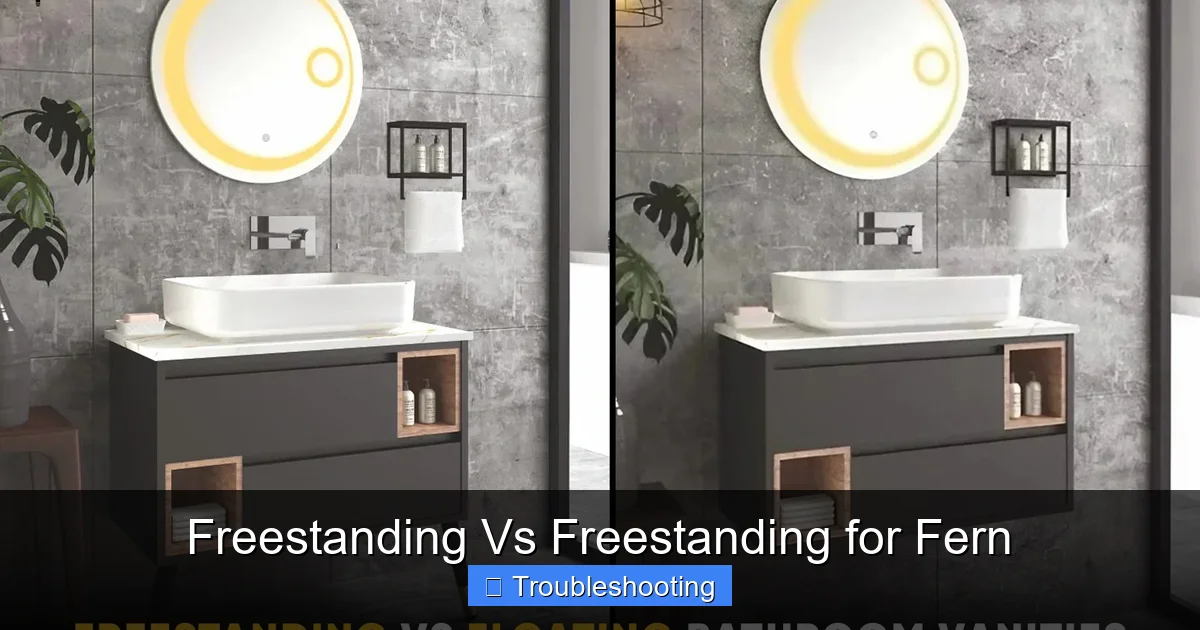
Visual guide about Freestanding Vs Freestanding for Fern
Image source: cdn.shopify.com
Moisture Management Is The Daily Battle
Ferns transpire heavily through their many fronds. A freestanding pot that breathes too much, like unglazed terracotta, pulls moisture from the soil rapidly. A pot with no drainage holes traps water at the bottom, suffocating roots. The right freestanding container acts as a buffer, holding enough water for steady uptake while letting excess escape freely.
Airflow Prevents Fungal Issues
Stagnant air around dense fronds invites powdery mildew and botrytis. Freestanding stands that elevate the pot allow air to circulate underneath and around the base. This is especially important in humid bathrooms or crowded plant corners where airflow is naturally low.
Comparing Freestanding Pot Materials For Ferns
Terracotta And Unglazed Clay
Classic terracotta is porous. It wicks moisture out of the soil through the walls. For ferns, this means you will water more often, sometimes daily in warm, dry homes. The benefit is that overwatering is harder to do because the pot breathes. The downside is crispy frond tips if you miss a day. Terracotta works best for ferns in naturally humid rooms like bathrooms or kitchens, or for growers who enjoy daily plant checks.
Visual guide about Freestanding Vs Freestanding for Fern
Image source: emiratesappliances.com
Glazed Ceramic And Stoneware
Glazed pots seal the clay walls. Moisture only leaves through the drainage holes and the soil surface. This slows drying significantly, giving you a buffer of several days between waterings. These pots are heavier, which adds stability for top-heavy ferns like bird’s nest or staghorn varieties mounted on plaques. They come in endless colors and styles, making them easy to match with decor.
Plastic And Resin Nursery Pots
Lightweight, inexpensive, and non-porous, plastic pots are the practical choice for many collectors. They retain moisture well and are easy to lift for checking root health or bottom watering. The downside is aesthetics. Most people slip plastic pots into decorative cachepots. If you do this, never let the inner pot sit in drained water inside the cachepot. Empty the outer pot after watering or use pebbles at the bottom to elevate the inner pot.
Metal And Concrete
Metal conducts heat. In direct sun, a metal pot can cook roots. In cold drafts, it can chill them. Use metal only in stable indoor temperatures. Concrete is heavy, porous unless sealed, and very stable. It works well for large floor ferns that need a wide base to prevent tipping. Seal concrete pots if you want slower drying.
Self Watering Freestanding Pots
These have a reservoir at the bottom and a wicking system. They can be great for ferns because they provide consistent moisture. However, ferns are sensitive to salt buildup. You must flush the soil from the top monthly to prevent fertilizer salts from accumulating. Choose models with an overflow hole so the reservoir never floods the root zone.
Freestanding Stand Styles And Their Impact
Low Pedestals And Plant Stools
These raise the pot six to twelve inches off the floor. They improve airflow under the pot and bring the fern slightly closer to window light. They are stable, hard to tip, and easy to step around. Use them for heavy pots in high traffic areas. The slight elevation also helps prevent cold damage from chilly floors in winter.
Mid Height Plant Stands
Stands in the eighteen to thirty inch range put ferns at eye level on a sofa or at counter height. This is ideal for viewing intricate frond details. It also places the plant in a different light layer, often brighter than floor level. Check that the stand top is wide enough for the pot base plus a saucer. A narrow stand risks tipping when you water or brush past.
Tall And Tiered Stands
Tall stands lift ferns into the best light near windows without taking up sill space. Tiered stands let you display multiple ferns vertically. The top tier gets the most light. The bottom tier gets the least. Match fern varieties to the tier light level. Maidenhair ferns do well on lower, shadier tiers. Kimberly queen ferns handle the brighter top tiers.
Rolling Plant Caddies
A wheeled base under a heavy pot changes everything. You can rotate the fern weekly for even growth. You can roll it to the sink for thorough watering and draining. You can move it away from cold drafts in winter or intense afternoon sun in summer. Locking casters prevent accidental rolls. Make sure the caddy weight rating exceeds the wet weight of your largest pot.
Wall Leaning And Ladder Stands
These lean against a wall and hold multiple pots on shelves. They save floor space and create a living wall effect. Ensure the shelves have lips or raised edges so pots do not slide off when bumped. Open slatted shelves maximize airflow. Solid shelves catch water spills but need pebbles or a liner to keep pots out of standing water.
Drainage And Saucer Strategies For Freestanding Setups
The Non Negotiable Drainage Hole
Every freestanding pot for ferns must have at least one drainage hole. No exceptions. If you fall in love with a holeless decorative pot, drill a hole in the bottom or use it as a cachepot with a plastic nursery pot inside. Sitting water causes root rot faster than anything else.
Saucer Sizing And Material
The saucer must be wider than the pot base. A too small saucer overflows onto your floor or stand. Deep saucers hold more water, giving the soil a chance to wick moisture back up if you bottom water. Plastic saucers are light and cheap. Ceramic saucers match glazed pots but can scratch floors. Cork backed saucers protect wood surfaces.
Elevating The Pot Above The Saucer
Pot feet, pebbles, or a plastic grid in the saucer keep the drainage holes clear of standing water. This is critical for ferns. If the holes sit in water, the soil stays saturated at the bottom. Root rot starts there and moves up. Simple pot feet cost pennies and save plants.
Bottom Watering With Freestanding Pots
Many fern growers prefer bottom watering. Place the pot in a sink or basin of water for fifteen minutes. The soil wicks moisture up evenly. This avoids wet fronds which can spot or rot. With a freestanding setup, you can bottom water right in the saucer if it is deep enough. Just dump excess water after the soil surface feels damp.
Humidity Hacks Using Freestanding Arrangements
Grouping For Microclimates
Place three or more freestanding ferns close together. As they transpire, they raise the local humidity. This reduces crispy tips and slows soil drying. Leave a few inches between pots for airflow. A tiered stand naturally creates this grouping. A cluster of low pedestals on a tray of pebbles does too.
Pebble Trays Under And Around
Fill a large tray with pebbles and water. Set your freestanding pots on the pebbles, not in the water. Evaporation humidifies the air around the fronds. This works especially well with low stands or floor level pots. Refill the tray as water evaporates. Clean it monthly to prevent algae.
Moss Top Dressing
Cover the soil surface with live or preserved sheet moss. It holds moisture, reduces evaporation, and looks natural. Live moss indicates humidity health. If it stays green, your air moisture is good. If it browns, increase humidity. This works on any freestanding pot.
Strategic Placement Near Water Sources
A freestanding fern near a kitchen sink, bathroom shower, or indoor fountain gets passive humidity boosts. Rolling caddies make it easy to move ferns into the bathroom during dry winter weeks and back to the living room for display when guests arrive.
Light Management With Freestanding Flexibility
Reading Your Fern’s Light Language
Pale, stretched fronds mean too little light. Bleached, crispy patches mean too much direct sun. Freestanding setups let you adjust. A tall stand by a north window gives bright indirect light. A low stand in a corner gives deep shade. Move the stand, not just the pot, to change the light level.
Seasonal Repositioning
Winter sun is lower and weaker. A fern that thrives on a low stand ten feet from a window in summer may need a tall stand right by the glass in winter. Wheeled caddies make this seasonal shuffle effortless. Mark your floor with tape or note positions in a plant journal so you remember the sweet spots.
Rotating For Symmetry
Ferns lean toward light. Rotate the pot a quarter turn each week for a round, full shape. A rolling caddy or a lazy Susan style turntable on a stand makes this a five second task. Without rotation, you get a lopsided plant with bare spots on the dark side.
Matching Fern Varieties To Freestanding Setups
Boston Fern And Kimberly Queen
These large, arching ferns need wide, stable bases. A low, heavy ceramic pot on a sturdy pedestal prevents tipping. They transpire heavily, so glazed pots reduce watering frequency. Give them space. Their fronds can span three feet. A rolling caddy lets you tuck them away when entertaining.
Maidenhair Fern
Delicate and humidity hungry. Small glazed or plastic pots on a pebble tray work well. A tiered stand lets you place them on a lower, shadier shelf. They hate drafts. Avoid stands near doors or vents. A glass cloche over a small freestanding pot creates a mini terrarium effect for difficult specimens.
Bird’s Nest Fern
Upright rosette shape. Needs a pot wide enough for the base but not deep. Shallow ceramic bowls on low stands show off the form. They tolerate lower humidity than maidenhairs but still want consistent moisture. Self watering pots suit them well.
Staghorn Fern
Usually mounted, but can be freestanding in a very loose, chunky mix in a slatted wooden basket on a stand. Excellent drainage is vital. They need bright light. A tall open stand near a window works. Mist the shield fronds regularly.
Rabbit’s Foot Fern
Fuzzy rhizomes creep over the pot edge. Shallow, wide pots on low stands display the “feet” beautifully. They handle slightly drier air. A glazed shallow bowl on a pedestal is perfect. The rhizomes will eventually cascade over the stand edges.
Practical Maintenance Tips For Freestanding Fern Displays
Watering Without The Mess
Use a long spout watering can to reach into dense fronds. Water at soil level, not on leaves. For tall stands, a step stool saves your back. For rolling caddies, roll the plant to the sink. Place a towel on the floor under the stand as a splash guard.
Fertilizing Freestanding Ferns
Use half strength liquid fertilizer monthly in growing season. Apply to moist soil to avoid root burn. If you bottom water, add fertilizer to the basin water. Flush with clear water monthly to prevent salt crust on terracotta or soil surface.
Cleaning Fronds And Stands
Dust blocks light. Wipe fronds gently with a damp soft cloth or shower the plant lukewarm. Wipe stand surfaces monthly. Metal stands can rust if constantly damp. Check for rust spots and touch up with paint. Wood stands may need resealing annually.
Repotting In Place
Large freestanding ferns are heavy. Repot in early spring. Lay a tarp. Tip the stand over gently if it is not wheeled. Or lift the pot off the stand onto the floor. Loosen roots, refresh mix, and return. Top dress with compost annually instead of full repot for mature plants.
Troubleshooting Common Freestanding Fern Problems
Crispy Tips On Floor Level Plants
Cause: Dry air near heating vents or cold floors. Fix: Raise on a pedestal. Add pebble tray. Group with other plants. Move away from vents.
Yellowing Lower Fronds
Cause: Overwatering, poor drainage, or pot sitting in saucer water. Fix: Check drainage holes. Add pot feet. Water only when top inch is dry. Empty saucer promptly.
Leaning Or Tipping Pots
Cause: Top heavy growth, narrow stand, pets or kids bumping. Fix: Wider, heavier pot. Lower center of gravity stand. Anchor stand to wall with furniture strap. Use a rolling caddy with a wide base.
Mold On Soil Surface
Cause: Stagnant air, constant wet surface, low light. Fix: Increase airflow with a fan. Top dress with coarse perlite or moss. Move to brighter spot. Let surface dry between waterings.
Pests Spreading Between Grouped Ferns
Cause: Close contact lets spider mites, scale, or mealybugs crawl plant to plant. Fix: Inspect weekly. Quarantine new plants. Treat immediately with neem oil or insecticidal soap. Space pots further apart.
Budget Friendly Freestanding Fern Ideas
DIY Cinder Block And Board Stands
Two cinder blocks and a wide concrete paver make an instant industrial stand for ten dollars. Paint the blocks. Add adhesive felt pads to protect floors. This holds heavy pots securely.
Repurposed Furniture
Old side tables, bar carts, plant stands from thrift stores, or a sturdy wooden crate on legs. Check stability. Seal wood surfaces with water based polyurethane to resist water damage.
PVC Pipe And Connector Frames
Build custom tiered stands to fit odd corners. PVC is light, waterproof, and cheap. Spray paint it. Add zip tied mesh shelves for airflow.
Cachepot Upcycling
Decorative baskets, metal buckets, ceramic bowls without holes. Line with plastic. Add pebbles at bottom. Drop in the nursery pot. Instant style for five dollars.
Designing A Freestanding Fern Display That Feels Like Home
Scale And Proportion
Match pot and stand size to the fern and the room. A tiny maidenhair on a massive floor stand looks lost. A huge Boston fern on a dainty stool looks precarious. The pot diameter should be roughly one third the frond spread. The stand height should put the crown at a comfortable viewing level.
Color And Texture Harmony
Cool green fronds pop against warm terracotta, matte black, cream, or natural wood. Glazed pots in deep blue, forest green, or charcoal create a cohesive look. Mix materials intentionally. Three matching glazed pots on different height stands looks curated. Three random pots looks cluttered.
Creating Vignettes
Combine a tall fern stand, a medium stool with a trailing pothos, and a low basket with a prayer plant. Add a watering can, a framed botanical print, and a candle. The fern becomes the anchor of a story, not just a plant in a pot.
Conclusion
Your fern does not care about your decor style. It cares about drainage, humidity, light, and stability. The freestanding system you choose delivers those needs or fails them. A heavy glazed pot on a low rolling caddy gives you moisture retention, mobility, and stability. A tiered metal stand with terracotta pots gives you airflow, vertical interest, and a watering challenge. There is no single best setup. There is only the setup that matches your watering habits, your light conditions, your space, and the specific ferns you love. Start with one fern. Choose a pot with a hole. Put it on a saucer with feet. Place it on a stand that fits the spot. Watch it for two weeks. Adjust. That is how you build a thriving freestanding fern collection, one smart choice at a time.
Frequently Asked Questions
What is the difference between a cachepot and a freestanding planter?
A cachepot is a decorative outer container without drainage holes used to hide a nursery pot. A freestanding planter is the primary pot with drainage holes that holds soil directly. Never let a nursery pot sit in standing water inside a cachepot.
Can I put a freestanding fern stand on carpet?
Yes, but protect the carpet. Use a large waterproof tray or caddy base under the stand legs. Check regularly for moisture seepage. Elevate the stand slightly with furniture coasters to allow airflow under the legs.
How often should I rotate my freestanding fern?
Rotate the pot a quarter turn once a week. This promotes even, symmetrical growth and prevents the plant from leaning permanently toward the light source.
Are tiered plant stands good for ferns?
Tiered stands work well if you match fern varieties to the light level of each tier. Top tiers get more light for sun tolerant ferns. Lower tiers suit shade lovers. Ensure each shelf has a lip to prevent pots from sliding off.
What size saucer do I need for my freestanding fern pot?
The saucer should be at least two inches wider than the pot base diameter. This catches overflow and provides surface area for evaporation which boosts local humidity around the plant.
Can I use a self watering pot for ferns?
Yes, self watering pots work well for ferns because they provide consistent moisture. Flush the soil from the top monthly to prevent salt buildup, and ensure the pot has an overflow hole so roots never sit in standing water.