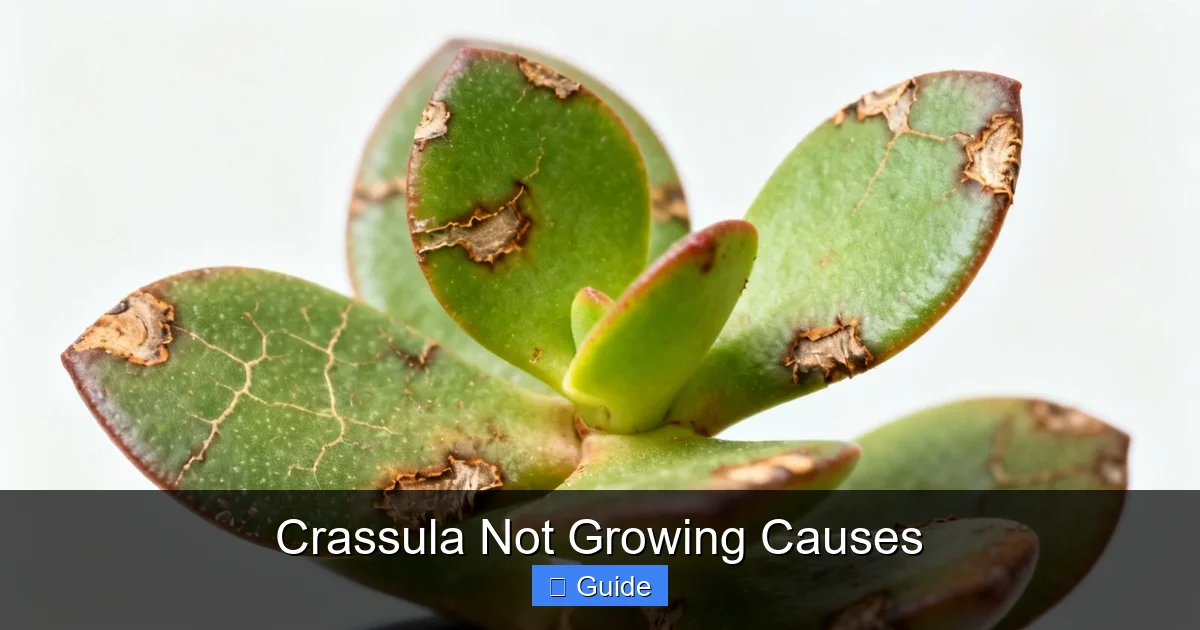
Crassula Not Growing Causes
Crassula not growing causes often include low light, overwatering, poor drainage, and nutrient gaps. Fixing these issues with proper light, watering, and soil can restore healthy growth quickly.
Crassula plants are popular succulents. They are easy to grow. Many people love their thick leaves. But sometimes they stop growing. This guide explains the main crassula not growing causes. It also gives simple fixes. You will learn how to keep your plant happy.
First, understand what a crassula needs. Light, water, soil, and temperature all matter. When one factor is off, growth slows. The good news is most problems are easy to fix. Read on to find out how.
Key Takeaways
- Light: Crassula needs bright indirect light for strong growth.
- Water: Overwatering is a top cause of slow growth.
- Soil: Well‑draining soil prevents root rot.
- Nutrients: Balanced fertilizer supports steady growth.
- Pests: Mealybugs and aphids can stunt the plant.
- Pot size: Too small or too large pots cause stress.
Quick Answers to Common Questions
Why is my crassula not growing?
Common reasons include low light, overwatering, poor drainage, and lack of nutrients.
How often should I water crassula?
Water only when the soil is completely dry, usually every two to three weeks.
Can crassula survive low light?
It can survive but will become leggy and weak; bright indirect light is best.
What soil mix works best for crassula?
A gritty succulent mix with perlite or sand provides excellent drainage.
When should I repot my crassula?
Repot every two years or when roots fill the current pot.
📑 Table of Contents
Understanding Crassula Growth Basics
Light Requirements
Crassula needs bright indirect light. Direct sun can burn leaves. Low light makes stems stretch. A south‑facing window works well. Rotate the pot each week. This gives even light. Good light stops many crassula not growing causes. Place the plant near a sheer curtain. Avoid deep shade corners. Consistent light keeps leaves compact.
Watering Needs
Water only when soil is dry. Stick your finger in the soil. If it feels dry, water deeply. Let excess drain out. Never let the pot sit in water. Overwatering is a leading crassula not growing causes. A dry period mimics nature. Use a pot with drainage holes. Check moisture every few days. Adjust schedule with seasons.
Soil Preferences
Use a gritty succulent mix. Add perlite or sand for drainage. Heavy soil holds water too long. Root rot follows wet soil. A good mix prevents many crassula not growing causes. Repot every two years for fresh soil. Choose a commercial cactus blend. Mix in extra pumice if needed. Loose soil lets roots breathe.
Temperature Range
Crassula likes 65 to 75 degrees Fahrenheit. It can tolerate brief drops to 50. Frost will kill the plant. Keep it away from cold drafts. Stable temperature reduces crassula not growing causes. Avoid placing near heaters. Night temperatures should stay above 55. Consistent warmth supports steady growth.
Humidity Preferences
Crassula prefers low to moderate humidity. High humidity invites fungal spots. Aim for around 40 percent relative humidity. Use a pebble tray if air is very dry. Good humidity balance lowers crassula not growing causes. Mist only in extreme dryness. Avoid constant wet leaves. Dry air keeps foliage firm.
Air Flow Needs
Gentle air movement helps prevent pests. Stagnant air encourages mold. A small fan on low works well. Do not blow directly on the plant. Fresh air keeps leaves dry. Air flow reduces crassula not growing causes. Open a window occasionally. Ensure circulation around the pot.
Common Crassula Not Growing Causes
Insufficient Light
Low light is a top crassula not growing causes. Leaves become pale and thin. Stems grow long and weak. Move the plant to a brighter spot. Add a grow light if needed. Growth returns in a few weeks. Rotate the pot for even exposure. Avoid north‑facing windows. Bright light restores compact form.
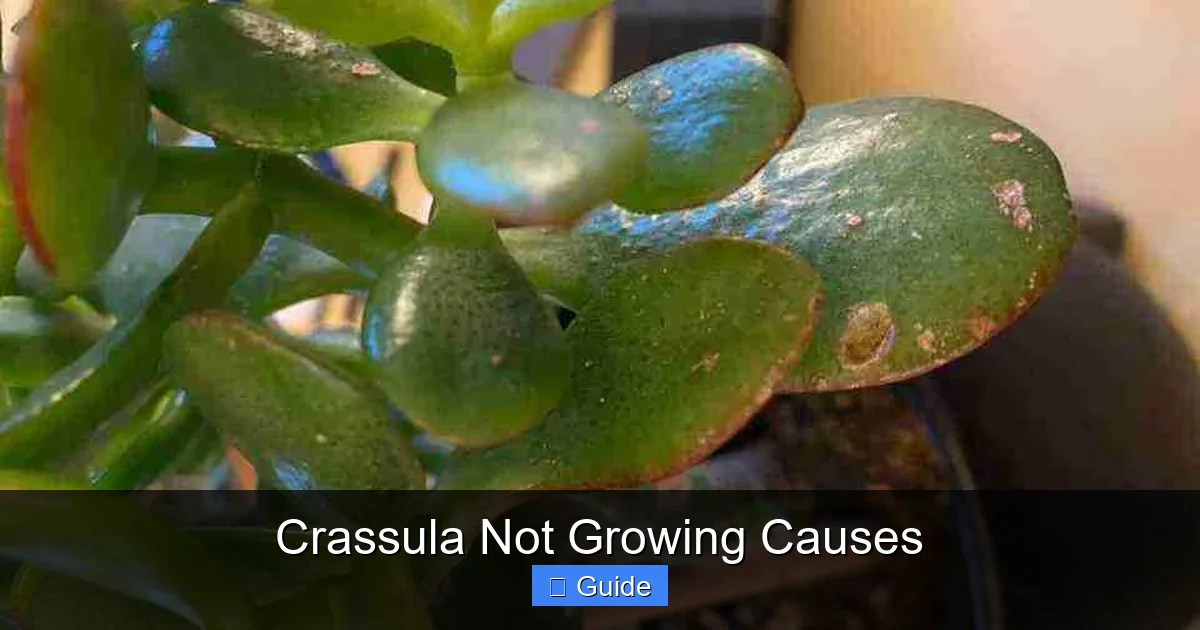
Visual guide about Crassula Not Growing Causes
Image source: moodybloomsco.com
Overwatering
Too much water is a major crassula not growing causes. Roots suffocate and rot. Leaves turn yellow and mushy. Cut back watering immediately. Let soil dry completely. Repot in fresh dry mix if rot appears. Use a moisture meter for accuracy. Water less in winter. Dry periods mimic desert habitat.
Poor Drainage
Pots without holes trap water. This creates a soggy base. Roots cannot breathe. Add drainage holes or use a cache pot. A layer of gravel helps. Good drainage stops many crassula not growing causes. Choose terracotta for better evaporation. Empty saucers after watering. Fast drainage keeps roots healthy.
Nutrient Deficiency
Crassula needs little fertilizer. But a lack of nutrients slows growth. Use a balanced cactus feed once in spring. Dilute to half strength. Do not fertilize in winter. Proper feeding reduces crassula not growing causes. Apply fertilizer to moist soil. Avoid high nitrogen formulas. Light feeding supports steady growth.
Pest Infestation
Mealybugs and aphids are common pests. They suck sap from leaves. Infested plants show sticky residue. White cottony masses indicate mealybugs. Treat with neem oil or insecticidal soap. Repeat weekly until gone. Pest control cuts crassula not growing causes. Inspect new plants before adding. Quarantine for two weeks.
Disease Issues
Fungal leaf spots appear in high humidity. Black or brown patches spread quickly. Remove affected leaves at once. Improve air flow around the plant. Apply a copper fungicide if needed. Disease management lowers crassula not growing causes. Keep foliage dry. Avoid overhead watering.
Environmental Stress Factors
Temperature Extremes
Hot days above 90 degrees stress the plant. Cold nights below 50 degrees also stress. Both extremes slow growth. Keep the plant in a stable room. Avoid placing near heaters or air conditioners. Stable temps cut crassula not growing causes. Use a thermometer to monitor. Move plant away from drafts. Consistent temperature aids recovery.
Humidity Issues
High humidity encourages fungal disease. Low humidity can dry leaf tips. Aim for moderate humidity around 40 percent. Use a pebble tray if air is dry. Good humidity balance lowers crassula not growing causes. Group plants to raise humidity slightly. Mist only in very dry conditions. Monitor with a hygrometer.
Air Circulation
Stagnant air invites pests and mold. A gentle fan improves airflow. Do not blow directly on the plant. Fresh air helps leaves stay firm. Air movement reduces crassula not growing causes. Open windows on mild days. Space plants for better circulation. Clean dust from leaves regularly.
Light Fluctuations
Sudden changes in light shock the plant. Moving from shade to full sun causes burn. Gradually acclimate over a week. Consistent light prevents many crassula not growing causes. Use sheer curtains to filter intense sun. Rotate the pot for even growth. Avoid moving plant frequently.
Seasonal Changes
Winter brings lower light and cooler temps. Growth naturally slows in winter. Reduce watering frequency. Keep temperature above 55 degrees. Seasonal adjustments lower crassula not growing causes. Increase light with grow lamps. Resume normal care in spring. Observe plant signals each season.
Indoor vs Outdoor
Outdoor plants get more light and airflow. Indoor plants may need supplemental light. Transition gradually when moving outside. Harden off over seven days. Proper placement reduces crassula not growing causes. Protect from harsh afternoon sun. Bring indoors before frost. Match environment to plant needs.
Pot and Root Problems
Root Bound
When roots fill the pot, growth stops. You may see roots circling the bottom. Repot into a slightly larger container. Loosen the root ball gently. Fresh soil gives room to grow. This fixes a common crassula not growing causes. Choose a pot one size up. Trim any dead roots. Water lightly after repotting.
Wrong Pot Size
A pot too large holds excess moisture. A pot too small restricts roots. Choose a pot just one size up. Ensure it has drainage holes. Proper pot size cuts crassula not growing causes. Terracotta pots breathe better. Avoid decorative pots without holes. Match pot depth to root length.
Soil Compaction
Over time soil becomes dense. Water runs off instead of soaking. Roots cannot penetrate. Gently aerate with a chopstick. Or repot with fresh mix. Loose soil reduces crassula not growing causes. Add coarse sand to improve texture. Avoid pressing soil down firmly. Lightly firm after planting.
Drainage Holes
Every pot needs holes at the bottom. Without holes water pools. Root rot follows quickly. Drill holes if missing. Use a saucer to catch runoff. Good drainage stops many crassula not growing causes. Check holes regularly for blockage. Clear debris with a toothpick. Ensure free water exit.
Pot Material Choices
Terracotta wicks moisture away. Plastic retains water longer. Choose material based on watering habit. Terracotta reduces crassula not growing causes for overwaterers. Plastic suits forgetful waterers. Glazed ceramic is neutral. Match pot to your care style. Test moisture before watering.
Repotting Frequency
Repot every two years for fresh soil. Fast growers may need yearly repotting. Slow growers can wait longer. Fresh mix prevents nutrient depletion. Regular repotting cuts crassula not growing causes. Inspect roots each time. Trim circling roots. Use clean tools to avoid disease.
How to Diagnose and Fix Growth Issues
Visual Inspection
Check leaves for color changes. Yellow means water trouble. Brown tips mean low humidity. White fuzz means pests. Note any soft stems. Early detection solves crassula not growing causes fast. Look at leaf firmness. Healthy leaves feel plump. Shriveled leaves signal dehydration.
Soil Test
Feel the soil moisture. Use a moisture meter if unsure. Soil should be dry two inches down. Wet soil means overwatering. Dry soil means underwatering. Adjust watering based on test. This cuts crassula not growing causes. Test weekly during active growth. Record readings for pattern.
Adjust Care Routine
Change one factor at a time. Move light first. Then adjust water. Wait a week before next change. Observe plant response. Small steps prevent shock. This method fixes crassula not growing causes. Keep a care journal. Note date and change. Track improvement over weeks.
Repotting Steps
Gather new pot, fresh mix, and gloves. Remove plant carefully. Shake off old soil. Trim any black roots. Place in new pot. Fill with mix. Water lightly. Repotting cures many crassula not growing causes. Allow plant to settle for a week. Avoid fertilizer immediately after.
Using a Moisture Meter
Insert probe near root zone. Read digital display. Aim for dry reading before watering. Meter removes guesswork. Consistent use lowers crassula not growing causes. Calibrate monthly for accuracy. Clean probe after each use. Store in dry place.
Tracking Growth Progress
Measure height monthly. Photograph plant each week. Compare leaf size and color. Growth logs reveal trends. Early trend changes signal issues. Tracking reduces crassula not growing causes. Note care changes beside photos. Share data with fellow growers.
Prevention Tips for Healthy Crassula
Regular Monitoring
Inspect your plant weekly. Look for early signs. Catch problems before they spread. A quick check saves time. Consistent monitoring stops crassula not growing causes. Check undersides of leaves. Feel soil moisture. Rotate pot for even light.
Seasonal Adjustments
Water less in winter. Light levels drop. Reduce fertilizer. Keep temperature steady. Match care to season. Seasonal tweaks lower crassula not growing causes. Increase light with grow lamps. Resume normal feeding in spring. Observe plant each season.
Proper Fertilizing
Feed once in spring. Use a low‑nitrogen cactus formula. Dilute to half strength. Do not feed in fall or winter. Balanced nutrition prevents crassula not growing causes. Apply to moist soil. Avoid contact with leaves. Flush soil occasionally.
Pest Prevention
Quarantine new plants for two weeks. Spray neem oil monthly. Keep leaves clean. Remove dead debris. Healthy plants resist pests. Pest control cuts crassula not growing causes. Inspect stems and leaf joints. Treat at first sign.
Cleaning Leaves
Dust blocks light absorption. Wipe leaves with damp cloth. Do this monthly. Clean leaves improve photosynthesis. Simple cleaning lowers crassula not growing causes. Use lukewarm water. Avoid leaf shine products. Dry gently with soft towel.
Rotating Plants
Turn pot a quarter turn weekly. Even light prevents leaning. Balanced growth reduces crassula not growing causes. Rotate after watering. Mark pot for consistency. Simple habit yields big results.
Conclusion
Crassula not growing causes are usually simple. Light, water, soil, and temperature are the big four. Check each factor one by one. Make small changes. Watch the plant respond. With patience your crassula will thrive again. Happy growing.
Frequently Asked Questions
What are the top crassula not growing causes?
The top causes are insufficient light, overwatering, poor drainage, and nutrient deficiency.
How can I tell if my crassula is overwatered?
Leaves turn yellow, become mushy, and the stem may feel soft.
Does crassula need fertilizer?
Yes, a light feeding in spring with a balanced cactus fertilizer helps growth.
Can I grow crassula indoors year round?
Yes, with bright indirect light and proper watering it thrives indoors.
What temperature range is ideal for crassula?
Ideal range is 65 to 75 degrees Fahrenheit; avoid frost and extreme heat.
How do I prevent pests on crassula?
Inspect regularly, quarantine new plants, and apply neem oil monthly.