Complete Guide to Wicker for Basil
Wicker containers offer excellent drainage and airflow for basil plants, making them a top choice for herb gardeners. This guide covers everything from selecting the right wicker basket to lining, planting, and long-term care tips. Follow these steps to grow lush, flavorful basil in wicker all season.
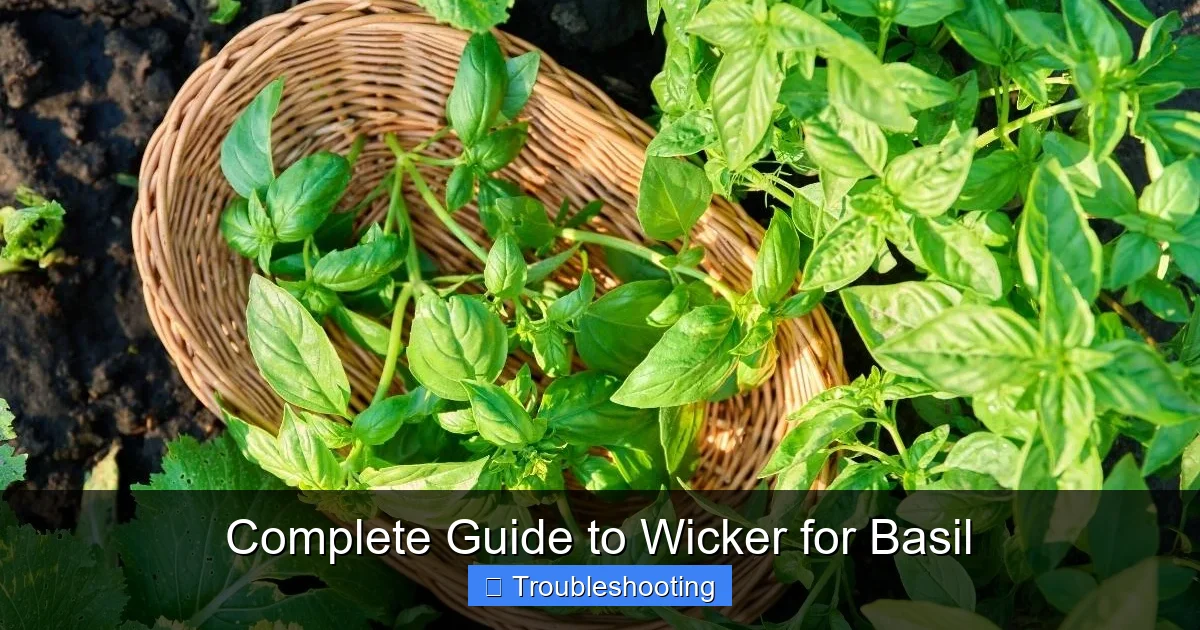
If you love fresh basil as much as I do, you have probably tried growing it in pots, raised beds, or even hydroponic systems. But have you ever considered using wicker for basil? It might sound unusual at first. Wicker baskets bring a rustic charm to any patio or kitchen windowsill. More importantly, they offer real benefits for herb health. The open weave allows air to reach the roots. Excess water drains away quickly. This reduces the risk of root rot, a common problem with basil.
In this complete guide to wicker for basil, I will walk you through every step. We will cover how to pick the right basket, how to prepare it for planting, the best soil mix, watering habits, feeding schedules, and seasonal care. Whether you are a beginner or a seasoned gardener, you will find practical tips to help your basil thrive in wicker. Let us get started.
Key Takeaways
- Choose natural wicker: Untreated rattan or willow baskets provide the best breathability and drainage for basil roots.
- Line your container properly: Use landscape fabric or coconut coir to hold soil while allowing excess water to escape.
- Ensure adequate drainage holes: Add holes to the bottom if your wicker basket lacks them to prevent root rot.
- Use lightweight potting mix: A blend of peat, perlite, and compost keeps soil loose and well-draining in wicker planters.
- Water more frequently: Wicker dries out faster than plastic or ceramic, so check moisture daily in warm weather.
- Fertilize regularly: Feed basil every two weeks with a balanced liquid fertilizer to support continuous leaf growth.
- Protect from harsh elements: Move wicker containers to shade during extreme heat and bring indoors before frost.
Quick Answers to Common Questions
Can I use any wicker basket for basil?
Only use natural, untreated wicker like rattan or willow. Synthetic resin wicker does not breathe and traps heat, which harms basil roots.
How often should I water basil in wicker?
Check daily. Water when the top two inches of soil feel dry. In hot weather, you may need to water twice a day because wicker dries faster than solid pots.
Do I need to line a wicker basket before planting?
Yes. Use landscape fabric, coconut coir, or burlap to hold soil while allowing drainage. Without a liner, soil washes out through the weave.
What basil variety grows best in wicker containers?
All varieties grow well, but compact types like Spicy Globe suit smaller baskets. Large-leaf varieties like Genovese need at least a 12-inch wide basket.
Can I leave wicker basil baskets outside in winter?
No. Basil dies at freezing temperatures. Bring baskets indoors before frost or take cuttings to root inside. Empty and store empty wicker baskets in a dry place for winter.
📑 Table of Contents
- Why Choose Wicker for Basil
- Selecting the Right Wicker Basket
- Preparing Your Wicker Container
- Best Soil Mix for Wicker Basil
- Planting Basil in Wicker
- Watering and Feeding Routine
- Sunlight and Temperature Needs
- Pruning and Harvesting for Maximum Yield
- Common Problems and Solutions
- Seasonal Care Calendar
- Creative Wicker Basil Ideas
- Conclusion
Why Choose Wicker for Basil
Natural Breathability
Wicker is made from woven plant fibers like rattan, willow, or bamboo. These materials are naturally porous. Air moves through the sides of the container, not just the top. This airflow keeps the root zone oxygenated. Basil roots need oxygen to absorb nutrients efficiently. In plastic pots, soil can become compacted and anaerobic. Wicker prevents that problem naturally.
Superior Drainage
Water flows through the gaps in the weave. You rarely get standing water at the bottom of a wicker basket. Basil hates wet feet. Soggy soil leads to fungal diseases like fusarium wilt and damping off. With wicker for basil, you get a safety net against overwatering. Just make sure the basket sits on pot feet or a raised surface so water can exit freely.
Aesthetic Appeal
Let us be honest. A basil plant in a woven basket looks beautiful. It fits a cottage garden, a modern balcony, or a sunny kitchen counter. You can choose from round, rectangular, or tiered designs. Some baskets come with handles for easy moving. The natural tones complement green foliage perfectly. It is functional decor at its best.
Selecting the Right Wicker Basket
Material Matters
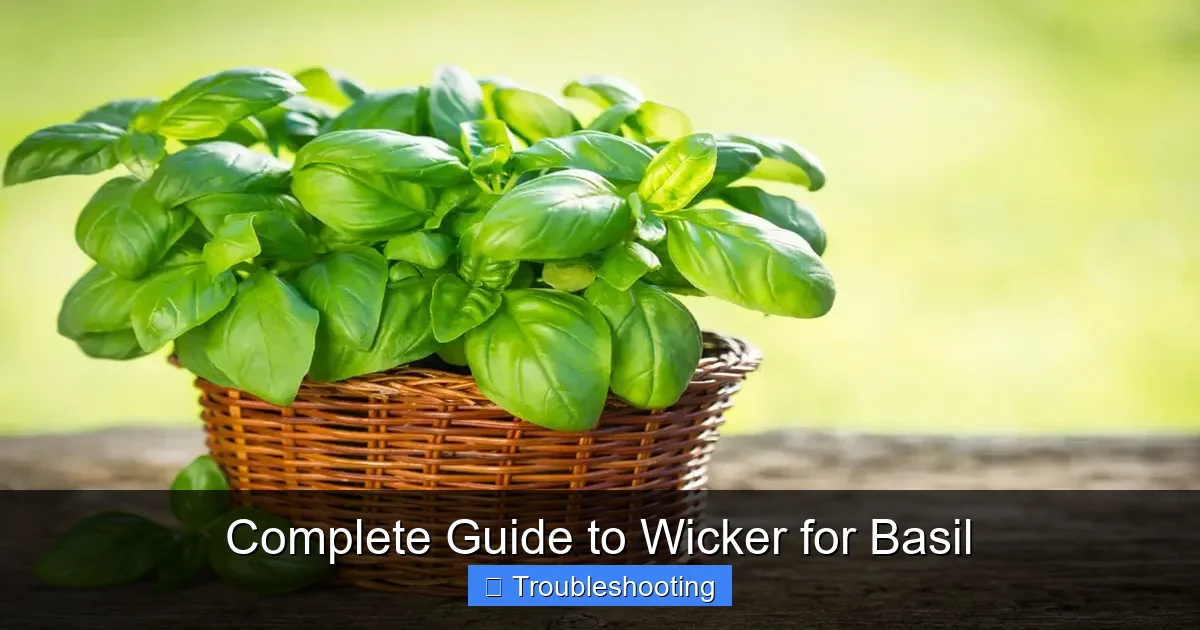
Not all wicker is created equal. Look for baskets made from natural, untreated fibers. Rattan is strong and durable. Willow is flexible and lightweight. Bamboo offers a sleek, modern look. Avoid synthetic resin wicker. It does not breathe. It traps heat and moisture. That defeats the purpose of using wicker for basil in the first place.
Visual guide about Complete Guide to Wicker for Basil
Image source: giyplants.com
Size and Depth
Basil develops a decent root system. Choose a basket at least 10 inches deep and 12 inches wide for a single plant. For multiple plants, go larger. A 16-inch diameter basket can hold three basil plants spaced 6 inches apart. Shallow baskets dry out too fast. Deep ones hold more soil and moisture. Balance is key.
Shape Considerations
Round baskets distribute moisture evenly. Rectangular ones fit neatly on windowsills or balcony rails. Tapered baskets are easier to line. Straight-sided ones maximize soil volume. Pick a shape that suits your space. Just ensure the base is stable. A wobbly basket can tip over in wind.
Check for Quality
Inspect the weave. Tight, even weaving means better soil retention. Loose weaves may need extra lining. Look for sturdy rims and handles. Weak points break under the weight of wet soil. If buying online, read reviews about durability. A good wicker basket lasts several seasons with care.
Preparing Your Wicker Container
Cleaning New Baskets
New wicker may have dust, mold spores, or residues. Wipe it down with a damp cloth. Let it dry completely in the sun. Sunlight kills surface microbes. Do not soak the basket. Excess water weakens fibers over time. A quick wipe is all you need.
Visual guide about Complete Guide to Wicker for Basil
Image source: gardenerspath.com
Adding Drainage Holes
Most wicker baskets have gaps at the bottom. But if the base is solid or tightly woven, drill several half-inch holes. Use a drill with a spade bit. Space holes evenly. This ensures water escapes even if the weave gets clogged with roots or soil.
Lining the Basket
Lining is essential. Without it, soil washes out through the sides. Use landscape fabric, coconut coir liner, or burlap. Cut the liner larger than the basket. Press it into the contours. Leave a few inches of excess at the top. Fold it over the rim after filling. Secure with clothespins or staples if needed. The liner holds soil but lets water pass.
Adding a Reservoir Layer (Optional)
For hot climates, add a water reservoir. Place a layer of coarse gravel or clay pebbles at the bottom. Cover with landscape fabric. This creates a perched water table. Roots can access moisture during dry spells. It reduces watering frequency. But do not skip the fabric. Soil mixing with gravel ruins drainage.
Best Soil Mix for Wicker Basil
Lightweight and Well-Draining
Heavy garden soil compacts in containers. It suffocates roots. Use a high-quality potting mix. Look for one labeled for herbs or vegetables. Or make your own. A good recipe: two parts peat moss or coconut coir, one part perlite, one part compost. This mix holds moisture but drains fast. It stays fluffy all season.
Adding Slow-Release Fertilizer
Mix in a balanced slow-release fertilizer at planting. Choose an organic option like feather meal or kelp meal. Follow package rates. This feeds basil steadily for the first month. After that, switch to liquid feeds. Wicker leaches nutrients faster than solid pots. Regular feeding is non-negotiable.
Moisture Retention Additives
If you live in a dry area, add water-retention crystals or vermiculite. Use sparingly. Too much makes soil soggy. A tablespoon per gallon of mix is plenty. These polymers absorb water and release it slowly. They buy you time on hot days. But they are no substitute for daily checks.
Filling the Basket
Fill the lined basket to two inches below the rim. Tamp gently. Do not pack hard. Roots need air pockets. Water the mix thoroughly before planting. Let it settle. Top off if needed. The soil surface should be level. This prevents water from running off the sides.
Planting Basil in Wicker
Starting from Seed
You can sow basil directly in the wicker basket. Make shallow furrows, a quarter inch deep. Space seeds one inch apart. Cover lightly. Mist the surface. Keep moist until germination, usually 5 to 10 days. Thin seedlings to 6 inches apart. Direct seeding avoids transplant shock. But it takes longer to harvest.
Transplanting Seedlings
Most gardeners buy starts or grow seedlings indoors. Harden them off for a week. Place outdoors in shade, increasing sun daily. Dig a hole the size of the root ball. Gently remove the plant from its pot. Loosen circling roots. Place in the hole. Backfill. Firm soil around the base. Water well. Space plants 6 to 8 inches apart.
Choosing Basil Varieties
Sweet basil is the classic. Genovese has large leaves for pesto. Thai basil adds licorice flavor. Lemon basil brings citrus notes. Purple basil adds color. All grow well in wicker. Compact varieties like Spicy Globe suit smaller baskets. Large-leaf types need more room. Match the variety to your basket size.
Companion Planting
Basil plays well with others. Plant it with tomatoes in a large wicker trough. They share water and sun needs. Marigolds deter pests. Oregano and thyme tolerate similar conditions. Avoid planting with rue or sage. They can inhibit basil growth. A mixed herb basket looks great and confuses pests.
Watering and Feeding Routine
Daily Moisture Checks
Wicker dries fast. Check soil daily. Stick your finger two inches deep. If dry, water. In summer, you may water twice a day. Morning and evening. Water until it runs out the bottom. This ensures the whole root ball gets wet. Avoid wetting leaves. Wet foliage invites downy mildew.
Mulching the Surface
Apply a thin layer of straw, shredded leaves, or fine bark. Mulch reduces evaporation. It keeps roots cool. It suppresses weeds. Keep mulch away from stems. A half-inch layer is enough. Replenish as it breaks down. Mulch is a game changer for wicker for basil in hot weather.
Liquid Fertilizer Schedule
Feed every two weeks with a balanced liquid fertilizer. Fish emulsion or seaweed extract works great. Dilute to half strength. Apply to moist soil. Never fertilize dry plants. It burns roots. In peak growth, you can feed weekly at quarter strength. Watch for yellow leaves. That signals nitrogen deficiency.
Foliar Feeding Boost
Once a month, spray leaves with diluted kelp solution. Do it early morning. Leaves absorb nutrients directly. This gives a quick green-up. It also strengthens cell walls against disease. Use a fine mist sprayer. Cover tops and bottoms of leaves. Foliar feeding supplements root feeding. It does not replace it.
Sunlight and Temperature Needs
Full Sun is Best
Basil wants six to eight hours of direct sun. Morning sun is ideal. Afternoon shade helps in extreme heat. Place your wicker basket where it gets the light it needs. Rotate the basket weekly. This prevents leaning. Even growth means more leaves to harvest.
Heat Management
Wicker heats up in sun. Dark baskets absorb more heat. Light colors reflect it. If roots get too hot, growth slows. In zones 9 and above, provide afternoon shade. Use a shade cloth or move the basket. You can also double-pot. Place the wicker basket inside a larger ceramic pot. The air gap insulates roots.
Cold Protection
Basil is tender. It dies at 32 degrees Fahrenheit. Growth stops below 50. In spring, wait until nights stay above 50. In fall, bring baskets indoors before frost. A sunny windowsill works. Or use a grow light. Keep indoor plants away from heating vents. Dry air causes leaf drop.
Wind Considerations
Wicker baskets are light. Wind tips them over. Place heavy baskets in sheltered spots. Use pot feet with wide bases. Group baskets together for stability. In high winds, move them to a protected corner. A tipped basket breaks stems and spills soil.
Pruning and Harvesting for Maximum Yield
Pinching for Bushiness
Start pinching when plants are 6 inches tall. Snip just above a leaf node. Two new stems grow from that node. This doubles your harvest potential. Pinch weekly. Do not let flowers form. Flowering makes leaves bitter. It signals the plant to stop leaf production.
Harvesting Techniques
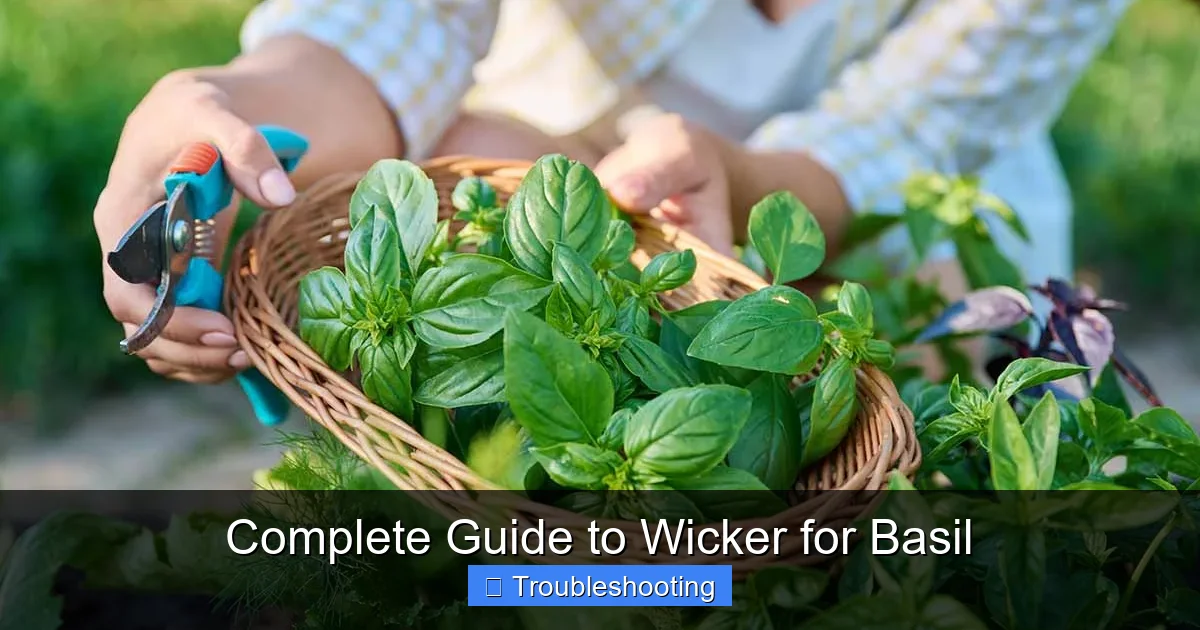
Harvest in the morning. Oils are highest then. Cut stems just above a pair of leaves. Take no more than one-third of the plant at a time. Regular harvesting encourages new growth. Use clean scissors. Dirty tools spread disease. Store cut basil in a glass of water like flowers. It stays fresh for days.
Managing Flowers
If you see flower buds, pinch them immediately. Once basil flowers, leaf flavor declines. The plant puts energy into seeds. If you want seeds for next year, let one plant flower. Collect seeds when heads turn brown. Store in a paper envelope. Label with variety and date.
End-of-Season Cutback
Before frost, do a final harvest. Cut the plant to 3 inches. Pot up the root ball. Bring indoors. Keep in bright light. Water sparingly. It may regrow slowly. Or take cuttings. Root them in water. Pot them up for winter windowsill basil. Extend your season easily.
Common Problems and Solutions
Downy Mildew
Yellow patches on top of leaves. Gray fuzz underneath. This fungal disease loves humidity. Space plants for airflow. Water at the base. Remove infected leaves. Spray with copper fungicide or neem oil. Resistant varieties like Amazel help. Good culture prevents most outbreaks.
Aphids and Whiteflies
Tiny insects on new growth. They suck sap. Leaves curl and yellow. Blast with water. Spray insecticidal soap. Repeat weekly. Ladybugs eat aphids. Release them at dusk. Yellow sticky traps catch whiteflies. Check undersides of leaves daily. Early action saves the crop.
Root Rot
Wilting despite wet soil. Brown, mushy roots. Caused by poor drainage or overwatering. Wicker helps prevent this. But if it happens, act fast. Remove plant. Trim rotten roots. Repot in fresh mix. Reduce watering. Add perlite to improve drainage. Prevention is easier than cure.
Nutrient Deficiencies
Yellow lower leaves mean nitrogen lack. Purple tints mean phosphorus. Brown leaf edges mean potassium. Feed regularly. Use a complete fertilizer. Foliar spray corrects fast. Soil test if problems persist. Container soil depletes quickly. Wicker leaches more. Stay ahead with a schedule.
Seasonal Care Calendar
Spring Setup
March to April: Clean baskets. Line them. Mix soil. Start seeds indoors. Harden off seedlings. Plant out after last frost. Fertilize at planting. Mulch. Water well. Watch for cold snaps. Cover with cloth if needed.
Summer Maintenance
May to August: Daily water checks. Biweekly feeding. Weekly pinching. Harvest often. Scout for pests. Provide afternoon shade in heat waves. Rotate baskets. Replenish mulch. Enjoy peak production.
Fall Transition
September to October: Reduce feeding. Stop pinching. Let plants harden. Harvest heavily before frost. Take cuttings for indoors. Move baskets to sheltered spot. Clean up debris. Prepare for storage or indoor growing.
Winter Storage
November to February: Empty soil. Compost it. Scrub baskets. Dry thoroughly. Store in a dry shed or garage. Stack neatly. Check for mold monthly. Repair broken weaves. Plan next year’s varieties. Dream of pesto.
Creative Wicker Basil Ideas
Tiered Herb Tower
Stack three wicker baskets. Use a metal rod through the centers. Largest at bottom. Plant basil in all three. Or mix herbs. Water from top. It drips down. Saves space. Looks stunning. Great for small patios.
Hanging Wicker Baskets
Use baskets with sturdy chains. Hang from a pergola or shepherd’s hook. Plant trailing basil like Spicy Globe. Water with a long-spout can. Harvest at eye level. Keeps basil off the ground. Away from slugs. Adds vertical interest.
Wicker Window Boxes
Rectangular wicker liners fit standard window boxes. Line with coco fiber. Plant basil in a row. Add nasturtiums for color. Mount on sunny sill. Easy harvest from kitchen. Smells amazing when you open the window.
Repurposed Vintage Finds
Old picnic baskets, laundry hampers, or trunks make unique planters. Ensure drainage. Line well. They add character. Tell a story. Just check for lead paint or rot. Seal interiors with food-safe liner if unsure. Upcycling at its finest.
Conclusion
Growing basil in wicker combines beauty and function. The natural breathability and drainage create a healthy root environment. With the right basket, proper lining, quality soil, and consistent care, your basil will thrive. You get abundant harvests for pesto, salads, and garnishes all season. Plus, the baskets look gorgeous on any patio or windowsill.
Remember the key points. Choose natural, untreated wicker. Line it well. Use light, rich soil. Water often. Feed regularly. Pinch for bushiness. Harvest frequently. Protect from extremes. Follow the seasonal calendar. Troubleshoot early. And have fun with creative displays. Wicker for basil is more than a trend. It is a smart, sustainable way to grow one of the world’s favorite herbs.
Now you have the complete guide to wicker for basil. Grab a basket. Plant some basil. Enjoy the process. And savor every fragrant leaf. Happy growing.
Frequently Asked Questions
How long does a wicker basket last for growing basil?
A quality natural wicker basket lasts two to three growing seasons with proper care. Clean it each spring, store it dry in winter, and repair any loose weaving promptly to extend its life.
Can I grow basil from seed directly in a wicker basket?
Yes, you can sow basil seeds directly in a prepared wicker basket. Keep the soil consistently moist until germination, then thin seedlings to 6 inches apart for healthy growth.
Why is my basil wilting even though the soil is wet?
This usually indicates root rot from poor drainage or overwatering. Check that your basket has adequate drainage holes and that the liner is not blocking water flow. Repot in fresh, well-draining mix if needed.
What is the best fertilizer for basil in wicker containers?
Use a balanced liquid fertilizer like fish emulsion or seaweed extract every two weeks at half strength. Supplement with a monthly foliar spray of diluted kelp for extra vigor.
Can I plant basil with other herbs in the same wicker basket?
Yes, basil grows well with companions like oregano, thyme, and marigolds. Avoid planting with rue or sage, which can inhibit basil growth. Ensure all plants share similar sun and water needs.
How do I prevent downy mildew on basil in wicker?
Space plants for good airflow, water at the base to keep leaves dry, and choose resistant varieties like Amazel. Remove any infected leaves immediately and apply copper fungicide or neem oil if needed.