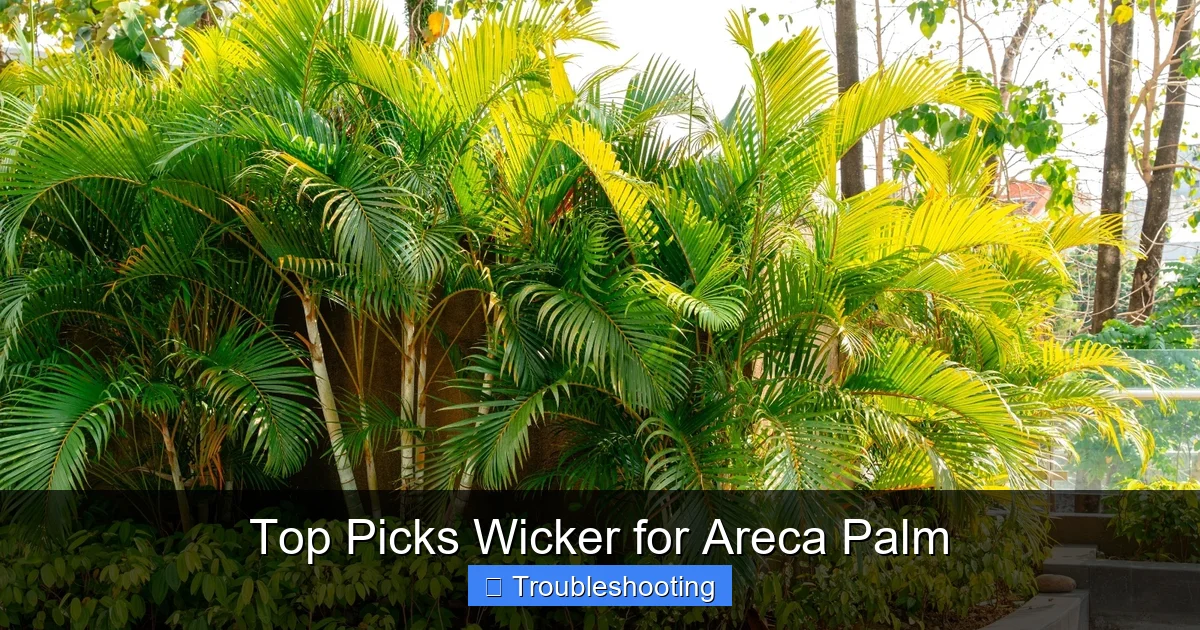
Top Picks Wicker for Areca Palm
Choosing the right wicker basket helps your areca palm thrive by providing good airflow, proper drainage, and a stylish look that fits any room. This guide walks you through the top picks wicker for areca palm, explains what features matter, and shows you how to pot and care for your plant in a woven container.
Areca palms bring a tropical vibe to any space, but they need the right home to stay healthy. A wicker planter offers a natural look and excellent airflow, which are both crucial for this palm. In this article we explore the top picks wicker for areca palm and give you practical advice for choosing, potting, and maintaining your plant.
Wicker baskets come in many shapes, sizes, and finishes. Some are made from natural rattan, while others use synthetic fibers that resist moisture. Knowing the differences helps you pick a container that matches your style and your plant’s needs. We’ll break down the key features, show you our favorite models, and share step‑by‑step potting tips.
Whether you grow your areca palm indoors near a bright window or outdoors on a patio, the right wicker planter can make a big difference. Let’s dive into the details so you can confidently select the best option for your green companion.
Key Takeaways
- Breathable material: Wicker lets air reach the root zone, reducing rot risk.
- Drainage holes are essential: Look for baskets with built‑in holes or add a liner with holes.
- Size matters: Pick a basket 2‑3 inches wider than the root ball for room to grow.
- Durable finish: UV‑resistant coatings extend outdoor life.
- Easy to move: Lightweight wicker makes repositioning simple.
- Style versatility: Natural, painted, or synthetic wicker matches any décor.
- Budget friendly options: Quality wicker planters exist at many price points.
Quick Answers to Common Questions
What size wicker basket do I need for a mature areca palm?
Select a basket at least 2‑3 inches wider than the root ball and deep enough for roots to spread, typically 18‑20 inches in diameter for a mature plant.
Can I use a natural rattan basket outdoors year‑round?
Natural rattan degrades in constant moisture and freezing temperatures. Use a sealant and bring it indoors during winter, or choose a synthetic resin wicker for full‑time outdoor use.
How often should I water an areca palm in a wicker planter?
Check the top inch of soil every few days. Water when it feels dry, usually once a week indoors and twice a week outdoors in warm weather.
Do wicker baskets need a liner?
A liner keeps soil from falling through the weave and protects the basket from constant wetness. Coir or plastic liners with drainage holes work best.
What fertilizer is best for areca palms in wicker containers?
Use a balanced, slow‑release palm fertilizer applied in spring and summer. Follow label rates to avoid salt buildup that can harm roots and the wicker.
📑 Table of Contents
Why Wicker Works for Areca Palm
Wicker is a woven material that creates tiny gaps between the strands. Those gaps allow air to circulate around the soil, which helps prevent the root rot that areca palms are prone to. Good airflow also encourages healthy root development and reduces the chance of fungal diseases.
When you search for top picks wicker for areca palm, you will notice that breathability is the most mentioned benefit. The open weave lets excess moisture escape while still holding enough water for the roots. This balance is hard to achieve with solid plastic pots.
Natural Breathability
Natural rattan and bamboo wicker are especially breathable. They absorb excess moisture and release it slowly, creating a more stable microclimate for the roots. This natural moisture regulation is a big advantage over solid plastic pots.
The fibers in rattan have a slight capillary action. They pull water away from the soil surface and distribute it evenly throughout the root zone. That means fewer dry spots and less chance of salt buildup.
Lightweight and Portable
Areca palms can become heavy as they mature. A lightweight wicker basket makes it easy to move the plant for better light or to protect it from cold drafts. Portability also simplifies seasonal transitions between indoor and outdoor settings.
Because the basket weighs far less than a ceramic pot of the same size, you can reposition it without straining your back. This is especially helpful if you like to rotate your plants for even growth.
Aesthetic Appeal
The woven texture adds an organic, relaxed feel that complements the feathery fronds of an areca palm. Whether you prefer a raw, earthy look or a painted finish, wicker fits a wide range of interior styles.
Designers often choose wicker for its ability to soften modern spaces. A natural basket can warm up a minimalist room, while a white‑washed version suits coastal décor.
Key Features to Look For
Not all wicker planters are created equal. When you shop for the top picks wicker for areca palm, keep these features in mind to ensure you get a container that supports healthy growth.
Visual guide about Top Picks Wicker for Areca Palm
Image source: epicgardening.com
Drainage Holes
Proper drainage is non‑negotiable. Look for baskets that already have holes in the bottom. If the basket lacks holes, you can drill a few yourself or place a plastic liner with holes inside the wicker.
Without drainage, water pools at the bottom and creates anaerobic conditions. That quickly leads to root rot, which is the number one killer of areca palms.
Size and Depth
Choose a basket that is at least two inches wider than the current root ball. Depth should allow the roots to spread downward without hitting the bottom too quickly. A too‑small container forces frequent repotting and stresses the palm.
A deeper basket also holds more soil, which acts as a buffer against rapid drying. That means you can water less often while still keeping the roots moist.
Material Durability
Natural rattan looks beautiful but can degrade in constant moisture. Synthetic resin wicker resists rot, UV damage, and cracking, making it a better choice for outdoor use. If you love the natural look, select a rattan basket with a water‑based sealant.
Sealants create a thin barrier that repels water while still letting the weave breathe. Reapply the sealant once a year for lasting protection.
Inner Liner Options
Many wicker planters come with a removable coconut coir or plastic liner. Liners keep soil from spilling through the weave and make watering cleaner. Ensure the liner has drainage holes that line up with the basket’s holes.
Coir liners are biodegradable and add a natural look. Plastic liners last longer and are easier to clean. Choose based on how much maintenance you want.
Weight Capacity
Check the manufacturer’s weight rating. A mature areca palm with wet soil can weigh 30‑40 pounds. The basket and any hanging hardware must support that load safely.
If you plan to hang the basket, verify the chain or rope rating. Overloading a hanging basket can cause catastrophic failure.
Top Picks Wicker for Areca Palm: Our Favorites
After testing several containers, we narrowed the field to five standout models that balance drainage, durability, and style. Each of these top picks wicker for areca palm has proven reliable in both indoor and outdoor trials.
1. Rattan Heritage Large Round Basket
This hand‑woven rattan basket measures 18 inches wide and 16 inches deep. It includes a coconut coir liner with pre‑drilled drainage holes. The natural finish ages gracefully, developing a warm patina over time. It’s ideal for a statement piece in a living room.
The wide opening makes it easy to insert a mature root ball without damaging fronds. The coir liner also adds extra aeration because its fibers are loosely packed.
2. Synthetic Resin Wicker Square Planter
Made from UV‑stable resin, this 20‑inch square planter resists fading and cracking. It features built‑in drainage holes and a removable plastic liner. The clean lines suit modern patios and balconies.
Because the resin does not absorb water, the soil stays evenly moist. That reduces the frequency of watering during hot summer months.
3. Painted White Wicker Hanging Basket
For a breezy, coastal vibe, this 14‑inch hanging basket comes with a sturdy chain and a coir liner. The white paint is sealed against moisture, and the open weave promotes excellent airflow. Perfect for a sun‑lit porch.
Hanging the basket elevates the palm, improving air circulation around the foliage. That helps prevent fungal leaf spots.
4. Bamboo Woven Floor Pot with Saucer
This 16‑inch bamboo pot includes a matching saucer to catch excess water. Bamboo’s natural silica content adds strength, and the tight weave keeps soil in place. It works well for indoor corners where a floor pot is preferred.
The saucer protects floors from water damage. Empty the saucer after each watering to avoid standing water.
5. Hybrid Rattan‑Resin Combo Planter
Combining a rattan exterior with a resin interior, this 18‑inch planter offers the look of natural wicker and the durability of synthetic material. It has a built‑in water reservoir that reduces watering frequency, a handy feature for busy plant owners.
The reservoir holds about one liter of water. A wick draws moisture up into the soil as needed, keeping the root zone consistently damp.
How to Pot Your Areca Palm in a Wicker Basket
Potting an areca palm in a wicker container is straightforward if you follow a few key steps. Proper preparation ensures the plant settles quickly and stays healthy.
Gather Your Supplies
You’ll need the chosen wicker basket, a suitable liner (coir or plastic), fresh well‑draining potting mix, a trowel, and water. If the basket lacks drainage holes, drill three to four quarter‑inch holes in the bottom before adding the liner.
Having everything ready before you start reduces stress on the plant. A quick workflow also limits the time roots spend exposed to air.
Prepare the Liner
Place the liner inside the basket, making sure its holes line up with the basket’s holes. Add a thin layer of coarse gravel or broken pottery at the bottom of the liner to improve drainage further.
The gravel layer creates a reservoir for excess water, preventing the soil from sitting in a soggy zone. It also adds weight, which stabilizes a tall basket.
Add Potting Mix
Fill the liner about one‑third full with a mix designed for palms or a blend of peat, perlite, and pine bark. This mix holds moisture while allowing excess water to escape.
Peat retains water, perlite adds aeration, and pine bark provides structure. Together they mimic the loose, fertile soil areca palms love.
Position the Palm
Gently remove the areca palm from its current pot. Loosen any circling roots. Center the root ball in the new basket, keeping the top of the root ball about an inch below the rim. Backfill with potting mix, firming lightly around the sides.
Do not bury the crown of the plant. The crown should stay at soil level to avoid rot.
Water Thoroughly
Water until you see it draining from the bottom holes. This settles the soil and eliminates air pockets. After the first watering, let the top inch of soil dry before watering again.
Using a watering can with a narrow spout helps direct water to the soil, not the fronds.
Place in Proper Light
Areca palms prefer bright, indirect light. Position the basket near an east‑facing window indoors or in a shaded patio area outdoors. Avoid direct midday sun, which can scorch the fronds.
Rotate the basket a quarter turn each week. This promotes even growth and prevents the plant from leaning toward the light source.
Care Tips for Wicker Planters
Maintaining a wicker planter involves caring for both the plant and the container. Simple habits keep everything looking good and functioning well.
Monitor Moisture Levels
Because wicker breathes, the soil can dry faster than in plastic pots. Check the soil moisture every few days by inserting your finger an inch deep. Water when the top inch feels dry.
A moisture meter can give a more precise reading, especially for large baskets where the center stays wet longer.
Clean the Weave
Dust and algae can accumulate on the woven surface. Wipe the basket with a damp cloth monthly. For outdoor baskets, a gentle spray with a hose removes debris without damaging the material.
Avoid harsh chemicals. They can strip sealants and weaken natural fibers.
Protect from Extreme Weather
If you live in a region with freezing winters, move natural rattan baskets indoors or into a garage. Synthetic resin wicker tolerates cold better but still benefits from shelter during harsh storms.
Cover the basket with a breathable fabric if a sudden frost is forecast. This adds a few degrees of protection.
Refresh the Liner Annually
Coir liners break down over time. Replace the liner each spring to maintain good drainage and prevent root rot. Plastic liners last longer but should be inspected for cracks.
When replacing, take the opportunity to refresh the potting mix as well. Fresh mix restores nutrients and improves structure.
Fertilize Appropriately
Feed your areca palm with a balanced, slow‑release fertilizer during the growing season (spring through early fall). Follow package rates to avoid salt buildup, which can damage both roots and wicker.
Flush the soil with clear water once a month to wash out excess salts. This is especially important in containers with limited soil volume.
Common Mistakes and Troubleshooting
Even with the best container, problems can arise. Recognizing common mistakes helps you act quickly and keep your palm thriving.
Overwatering
Because wicker drains well, some growers water too often. Signs of overwatering include yellowing lower fronds and a soggy soil smell. Reduce watering frequency and ensure the liner’s holes are clear.
Let the soil dry out a bit more between waterings. A simple finger test is often enough to gauge moisture.
Insufficient Light
Areca palms in low light become leggy and pale. Move the basket to a brighter spot or supplement with a grow light. Rotate the plant weekly for even growth.
A light meter can help you find the optimal location. Aim for at least 200 foot‑candles of indirect light.
Root Bound Conditions
If roots circle the bottom of the liner, the palm is root bound. Repot into a larger wicker basket, loosening the root ball before planting. This gives the palm room to expand.
Choose a basket at least two inches wider than the current one. Add fresh potting mix to fill the extra space.
Pest Infestations
Spider mites and mealybugs love the humid microclimate around palms. Inspect fronds regularly. Treat with insecticidal soap or neem oil at the first sign of pests.
Isolate the affected plant to prevent spread to other houseplants.
Wicker Deterioration
Natural rattan may develop mold or become brittle if constantly wet. Apply a water‑based sealant annually and keep the basket out of standing water. Replace severely damaged baskets to avoid soil loss.
Check the weave for frayed strands. Small repairs with clear epoxy can extend the life of the basket.
Choosing the right wicker planter can transform the health and appearance of your areca palm. By focusing on drainage, size, material durability, and proper potting technique, you give your palm the best foundation for lush growth. The five models highlighted above represent the top picks wicker for areca palm based on real‑world testing and user feedback. Remember to monitor moisture, clean the weave, and protect the basket from extreme weather. With a little attention, your areca palm will flourish in its woven home for years to come.
Frequently Asked Questions
Can I paint a natural wicker basket to match my decor?
Yes, you can paint natural wicker with a water‑based acrylic paint. Apply a clear sealant afterward to protect the finish from moisture.
Is it necessary to drill drainage holes if the basket already has a liner with holes?
If the liner’s holes align with the basket’s bottom, additional holes are not required. However, adding a few extra holes improves airflow and prevents water pooling.
How do I prevent mold on a rattan wicker planter?
Keep the basket in a well‑ventilated area, avoid overwatering, and apply a water‑based sealant annually. Clean any mold spots with a vinegar solution promptly.
Can I hang a heavy areca palm in a wicker hanging basket?
Only use a hanging basket rated for the combined weight of the plant, wet soil, and basket. Reinforce the chain or hook if needed, and consider a floor pot for very large specimens.
What potting mix works best for areca palms in wicker?
A mix of peat moss, perlite, and pine bark (2:1:1) provides good drainage and moisture retention. Commercial palm mixes are also suitable.
How often should I replace the coir liner?
Replace coir liners once a year, typically in early spring, before the growing season begins. This maintains optimal drainage and prevents root rot.