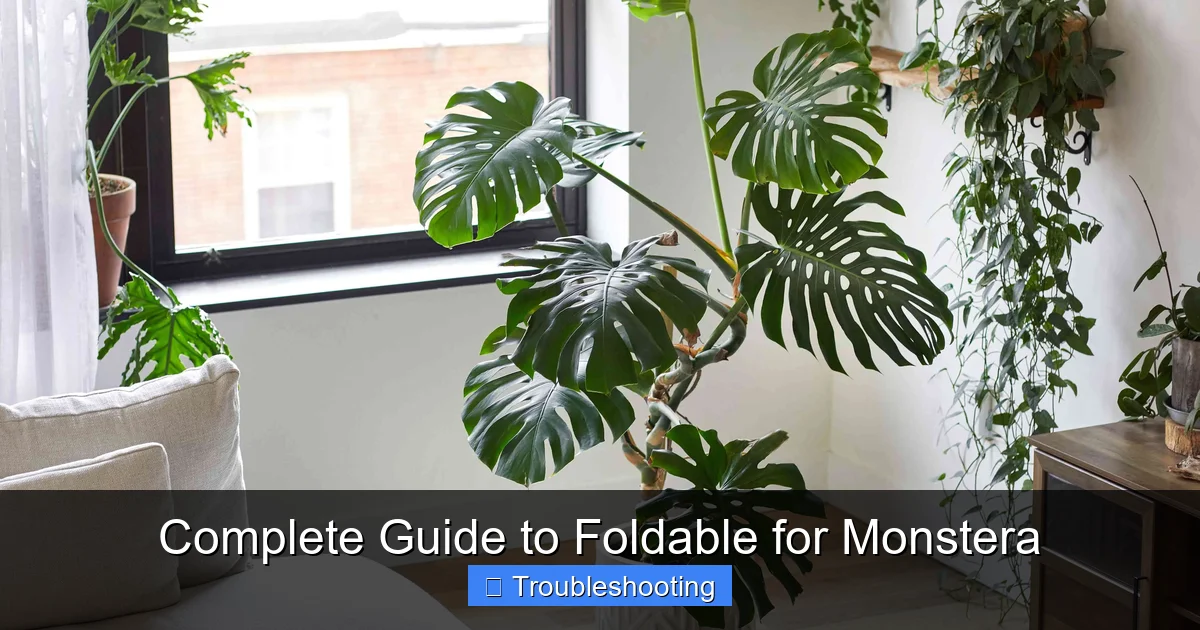
Complete Guide to Foldable for Monstera
A foldable for Monstera is an essential tool that provides adjustable support as your plant grows taller and heavier. This complete guide covers everything from selecting the right size and material to proper installation techniques that protect delicate aerial roots.
Key Takeaways
- Foldable stakes adapt to growth: Unlike rigid poles, foldable supports expand with your Monstera, eliminating the need for frequent replacements.
- Material matters for longevity: Coated metal and bamboo composites resist moisture damage better than bare wood or cheap plastic.
- Install early for best results: Adding support during repotting prevents root disturbance and trains stems upward from the start.
- Secure aerial roots gently: Use soft plant ties or velcro straps to attach roots without cutting into tender tissue.
- Regular maintenance prevents failure: Check connections monthly and tighten loose joints before heavy foliage causes collapse.
- Size up for mature plants: Choose a stake at least two-thirds the expected mature height to avoid toppling.
- DIY options save money: Repurposed tomato cages or PVC pipe frames work well for budget-conscious plant parents.
Quick Answers to Common Questions
What is a foldable for Monstera?
A foldable for Monstera is an adjustable, telescoping plant stake that extends upward as your Monstera grows, providing continuous vertical support without requiring repotting or root disturbance.
When should I install a foldable stake?
Install during spring repotting for easiest placement, or anytime the plant shows signs of leaning, flopping stems, or aerial roots reaching for support.
How do I secure my Monstera to a foldable stake?
Use soft velcro plant tape or fabric strips in a figure-eight pattern around the stem and stake, leaving slack for stem expansion. Attach aerial roots individually to encourage anchoring.
Can I make my own foldable Monstera stake?
Yes, PVC pipe with removable locking pins, bamboo stakes with internal dowels, or inverted tomato cages all work as budget-friendly DIY foldable supports.
How often should I extend a foldable stake?
Check weekly during growing season. Extend when the top growth is within six inches of the stake top, typically every four to six weeks for actively growing Monsteras.
📑 Table of Contents
- Why Your Monstera Needs a Foldable Support
- Understanding Monstera Growth Habits
- Types of Foldable Supports Available
- Choosing the Right Foldable for Your Monstera
- Step-by-Step Installation Guide
- Maintaining Your Foldable Support System
- Advanced Training Techniques
- Common Mistakes to Avoid
- Seasonal Care Adjustments
- DIY Foldable Stake Projects
- Frequently Asked Questions About Foldable Supports
- Conclusion
Why Your Monstera Needs a Foldable Support
Monstera deliciosa grows fast. One day you have a cute tabletop plant. The next week it sprawls across the floor with leaves the size of dinner plates. This dramatic growth is exactly why a foldable for Monstera becomes essential. Without support, heavy stems bend toward the light. Leaves tear. Aerial roots dangle uselessly. The plant loses its iconic upright architecture.
A foldable stake solves this problem differently than traditional moss poles. Traditional poles have fixed heights. When your Monstera outgrows them, you must buy a taller pole and disturb the root ball to install it. A foldable design extends upward like a telescope. You simply unlock sections and slide them higher as the plant grows. No repotting required. No root damage. Just continuous support that matches your plant’s pace.
Understanding Monstera Growth Habits
Natural Climbing Behavior
In their native Central American rainforests, Monsteras climb tree trunks using aerial roots. These roots seek moisture and anchor the plant to bark. The stem grows upward toward canopy light. Leaves fenestrate (develop holes) to withstand wind and let light reach lower foliage. This climbing habit is hardwired. Your living room Monstera still wants to climb.
Visual guide about Complete Guide to Foldable for Monstera
Image source: m.media-amazon.com
What Happens Without Support
Unsupported Monsteras become horizontal sprawlers. Stems thicken at the base but weaken mid-length. Leaves grow smaller. Fenestration decreases. The plant expends energy holding itself up instead of producing glorious foliage. Aerial roots dry out and die without a surface to grip. The result? A leggy, sad plant that takes up floor space without delivering the dramatic presence you want.
Signs Your Plant Needs Support Now
Watch for these indicators. Stems leaning more than fifteen degrees from vertical. Aerial roots reaching toward nothing. New leaves emerging smaller than previous ones. The plant tipping its pot when you water. Lower leaves yellowing from shade. Any of these signals means it’s time for a foldable for Monstera installation.
Types of Foldable Supports Available
Telescoping Metal Stakes
These feature nested aluminum or steel tubes with locking collars. Extend by twisting to unlock, sliding up, and twisting to lock. Powder coating prevents rust. Some include built-in moss wrap channels. They handle heavy mature plants well. The downside? Metal conducts cold. In drafty windows, roots touching metal may suffer temperature shock.
Bamboo Composite Poles
Made from compressed bamboo fibers with resin binders. These look natural and resist rot better than solid bamboo. Sections connect with internal dowels or external sleeves. They’re lighter than metal but surprisingly strong. Bamboo composite doesn’t conduct temperature extremes. It’s my top pick for most home growers.
Modular Plastic Frame Systems
Snap-together plastic grids or ladders. Highly customizable shapes. You can build wide supports for bushy specimens. UV-stabilized versions last years outdoors. However, cheap plastic becomes brittle. Look for reinforced joints and thick walls. These work well for Monsteras trained into specific shapes.
DIY Foldable Options
Creative plant parents build supports from PVC pipe, coated wire mesh, or repurposed tomato cages. PVC pipe with threaded couplings creates a telescoping pole for under ten dollars. Wire mesh rolled into a cylinder and zip-tied makes a lightweight cage. Tomato cages flipped upside down and staked provide instant wide support. These options save money but require more assembly time.
Choosing the Right Foldable for Your Monstera
Height Considerations
Measure from soil surface to the highest growing point. Add twelve inches for future growth. That’s your minimum extended height. A six-foot Monstera needs at least a seven-foot stake. Remember that foldable stakes lose a few inches to overlap between sections. Check the manufacturer’s true extended height, not just the number of sections.
Diameter and Strength
Match stake thickness to stem thickness. Pencil-thin stakes work for juvenile plants. Mature Monsteras with two-inch stems need stakes at least one inch diameter. Thin stakes bend under weight. Thick stakes look disproportionate on small plants. Some systems offer interchangeable diameters. That’s ideal for long-term use.
Material Durability
Indoor humidity and watering splash test every material. Bare wood rots within a year. Cheap plastic cracks. Uncoated metal rusts. Look for powder-coated steel, anodized aluminum, bamboo composite, or marine-grade PVC. Read reviews from growers in humid climates. Their experience predicts your stake’s lifespan.
Aerial Root Attachment Features
Some foldable stakes include moss wrap channels, velcro strips, or pre-drilled holes for ties. These features make attachment easier but aren’t essential. You can always add sphagnum moss and twine yourself. What matters is surface texture. Smooth metal gives roots nothing to grip. Rough bamboo or moss-covered surfaces encourage root attachment.
Budget vs. Investment
Quality foldable stakes range from fifteen to eighty dollars. Cheaper options work for small plants. Investing in a durable system pays off for large specimens you’ll keep for decades. Consider cost per year of use. A forty-dollar stake lasting ten years costs four dollars annually. A fifteen-dollar stake replaced yearly costs more long-term.
Step-by-Step Installation Guide
Best Time to Install
Install during repotting in spring. The plant is actively growing and recovers quickly. Roots are exposed, making stake placement easy. If you must install between repottings, choose a watering day when soil is moist but not soggy. Moist soil holds the stake firmly without compacting.
Preparing the Stake
Extend the foldable stake to full height. Check all locking mechanisms. Wipe down with diluted hydrogen peroxide (one part peroxide to nine parts water) to prevent introducing pathogens. If using moss wrap, soak sphagnum moss for twenty minutes, squeeze excess water, and wrap the stake before insertion. Secure moss with fishing line or biodegradable twine.
Positioning in the Pot
Place the stake against the pot’s inner wall, not the center. Center placement damages the main root ball. Wall placement leaves roots undisturbed. Angle the stake slightly toward the plant’s leaning direction. Push down until the base hits the pot bottom. For deep pots, use a stake with a wide base plate or add a stabilizing cross-piece.
Securing the Plant
Start at the base. Gently bring the main stem to the stake. Use soft plant ties, velcro plant tape, or strips of old t-shirt fabric. Never use wire, zip ties, or rough twine. These cut into expanding stems. Wrap in a figure-eight pattern: once around stake, cross over, once around stem. Leave a finger’s width of slack. Secure aerial roots individually. Guide them toward moss or rough surfaces.
Training New Growth
As new leaves emerge, guide petioles (leaf stems) toward the stake. Young petioles are flexible. Older ones snap. Check weekly during growing season. Adjust ties as stems thicken. Loosen any that feel tight. Add new ties for new growth. The goal is a vertical column of foliage with each leaf receiving light.
Maintaining Your Foldable Support System
Monthly Inspection Routine
Set a calendar reminder. Check every tie for tightness. Stems expand surprisingly fast in summer. Loosen before they constrict. Verify all stake locks hold firm. Vibration from watering or pets can loosen twist locks. Tighten as needed. Inspect moss wrap for dryness. Mist if crispy. Replace decomposed moss annually.
Extending the Stake
When the top growth approaches within six inches of the stake top, extend it. Unlock the top section. Slide up six to twelve inches. Relock. If your stake has multiple sections, extend the lowest unlocked section first. This maintains stability. Never extend a stake bearing full weight without supporting the plant top with one hand.
Cleaning and Sanitizing
Dust stakes monthly with a damp cloth. Dust blocks light and harbors spider mites. Once yearly, remove the stake during repotting. Scrub with mild soap and water. Rinse well. Soak in ten percent bleach solution for ten minutes if any disease appeared. Rinse again thoroughly. Dry completely before reinstalling.
Troubleshooting Common Issues
Stake wobbling: Soil settled. Repot with fresh mix and firm stake base. Locks slipping: Clean threads with a brush. Apply beeswax to metal threads. Replace worn plastic collars. Moss falling off: Rewrap with fresh twine. Use finer mesh netting over moss. Plant outgrowing width: Add a second stake opposite the first. Connect tops with a crossbar. Roots growing into stake: Celebrate! This means successful attachment. Don’t remove them.
Advanced Training Techniques
Creating a Living Wall
Use two foldable stakes spaced eighteen inches apart. Connect with horizontal crossbars every twelve inches. Train multiple Monstera stems across this grid. Aerial roots attach to crossbars. The result: a dense foliage wall. Perfect for room dividers or hiding unsightly views. Requires more ties but creates stunning visual impact.
Spiral Training for Compact Spaces
Wrap the main stem around a single tall stake in a gentle spiral. Secure at each revolution. This fits tall growth into narrow corners. Leaves fan outward in all directions. Rotate the pot weekly for even light distribution. Spiral training works best with flexible young stems. Mature woody stems resist bending.
Combining with Moss Poles
Some growers insert a foldable stake inside a hollow moss pole. The stake provides structural rigidity. The moss pole provides root attachment surface. As the plant grows, extend both together. This hybrid approach maximizes benefits of both systems. Ensure the moss pole diameter accommodates the stake plus moss thickness.
Training for Propagation
Position a foldable stake so aerial roots contact moist moss at multiple heights. These rooted sections become air layer candidates. When roots are two inches long, cut below the node. Pot the rooted section. The mother plant continues climbing. This method produces large, instant specimens without waiting for cuttings to root in water.
Common Mistakes to Avoid
Waiting Too Long to Stake
Many growers wait until the plant flops. By then, stems have hardened in horizontal positions. Forcing them vertical snaps petioles. Stake early, when stems are still flexible. A juvenile Monstera with a small stake looks odd for a few months. But it develops strong vertical structure naturally.
Using the Wrong Ties
Wire ties, plastic zip ties, and rough jute twine damage stems. They don’t stretch. As stems expand, ties become tourniquets. Always use soft, stretchy materials. Velcro plant tape is ideal. It adjusts, releases easily, and lasts years. Old t-shirt strips work in a pinch. They’re free, soft, and biodegradable.
Ignoring Aerial Roots
Aerial roots aren’t decorative. They’re the plant’s climbing mechanism. Left dangling, they dry and die. Directed to a moist surface, they anchor and absorb moisture. Every aerial root should touch something: moss, stake texture, or soil. Mist them regularly. They contribute significantly to plant hydration.
Choosing Style Over Function
Decorative stakes look pretty but often lack height adjustability or strength. A pretty bamboo stake that tops out at three feet fails a six-foot Monstera. Prioritize function. You can always disguise a functional stake with moss wrap or trailing pothos planted at the base.
Forgetting to Extend
A foldable stake only works if you extend it. Busy plant parents forget. The plant outgrows the stake. New growth flops. Set a monthly reminder during growing season. Check stake height relative to plant top. Extend proactively, not reactively.
Seasonal Care Adjustments
Spring Growing Season
This is prime extension time. Check weekly. New leaves emerge rapidly. Stems lengthen visibly. Extend stake before growth reaches the top. Increase tie checks to biweekly. Fertilize regularly to support vigorous growth. Mist aerial roots daily if humidity is low.
Summer Maintenance
Growth continues but slows. Monthly checks suffice. Watch for stake instability from dry soil pulling away from pot sides. Water deeply to maintain soil-stake contact. Outdoor Monsteras need stake checks after wind storms. Heavy rain can loosen soil around the base.
Fall Transition
Growth slows dramatically. Stop extending. Final tie adjustment before dormancy. Reduce misting. Ensure stake locks are tight for winter stability. If moving plants indoors, check for pests hiding in stake crevices. Treat before bringing inside.
Winter Dormancy
Minimal care needed. Monthly visual check only. Don’t disturb the plant. Cold drafts near windows can shock roots touching metal stakes. Consider wrapping the lower stake section with foam pipe insulation if drafts are unavoidable. Resume active care in late winter as light increases.
DIY Foldable Stake Projects
PVC Telescoping Pole
Materials: One-inch PVC pipe (five feet), three-quarter-inch PVC pipe (five feet), two one-inch PVC caps, PVC cement, drill with quarter-inch bit. Cut one-inch pipe into three pieces: two feet, two feet, one foot. Cut three-quarter-inch pipe into two pieces: two feet each. Drill quarter-inch holes every six inches along three-quarter-inch pipes. Insert smaller pipes into larger pipe. Align holes. Use removable pins (nails or bolts) to lock at desired heights. Cap the top. Cost: under twelve dollars.
Bamboo Tripod System
Materials: Three six-foot bamboo stakes, heavy-duty zip ties, rubber furniture feet, jute twine. Push rubber feet onto stake bottoms. Arrange in triangle around plant. Zip tie tops together loosely. Wrap jute twine horizontally every eight inches for root attachment. Extend by adding bamboo sections with internal dowels. Natural look. Very stable. Cost: under twenty dollars.
Repurposed Tomato Cage Conversion
Materials: Large tomato cage (fifty-four inch), bolt cutters, zip ties, landscape fabric. Cut off bottom ring. Invert cage so wide end is up. Push legs deep into soil. Zip tie legs together at top for stability. Wrap landscape fabric around wires for root attachment. Add second cage on top when plant outgrows first. Connect with zip ties. Cost: free if you garden, fifteen dollars new.
Frequently Asked Questions About Foldable Supports
Can I use a foldable stake for other climbing plants?
Absolutely. Philodendrons, pothos, hoyas, and syngoniums all thrive on foldable stakes. Adjust height and diameter for each species. Pothos prefers thinner stakes. Large philodendrons need thicker ones. The telescoping principle works universally.
How do I know when to extend the stake?
Extend when the highest growth point is within six inches of the stake top. Don’t wait for flopping. Proactive extension maintains continuous support. Check weekly during spring and summer.
Will a foldable stake damage my pot?
Not if positioned against the pot wall. Center placement cracks pots as roots expand. Use a stake with a wide base plate or add a wooden shim between stake and pot wall for extra protection.
Can I add a foldable stake without repotting?
Yes. Moisten soil first. Make a narrow hole with a dibber or chopstick along the pot edge. Insert stake carefully. Wiggle gently to settle. Avoid forcing. If resistance is high, repot instead.
What’s the maximum height for a foldable stake?
Most commercial stakes extend to six or seven feet. Custom PVC versions can reach ten feet. Beyond eight feet, stability becomes challenging. For very tall plants, consider a wall-mounted trellis system instead.
How long does a quality foldable stake last?
Powder-coated metal: ten to fifteen years. Bamboo composite: five to eight years. UV-stabilized plastic: three to five years. DIY PVC: five plus years. Proper cleaning and storage extend all lifespans.
Conclusion
A foldable for Monstera transforms an unruly sprawler into a magnificent vertical specimen. The investment pays off in healthier growth, larger leaves, and that iconic Monstera silhouette we all crave. Choose a stake that matches your plant’s size and your aesthetic preferences. Install early. Maintain regularly. Extend proactively. Your Monstera will reward you with dramatic fenestrated leaves reaching toward the ceiling.
Remember that every Monstera is unique. Observe your plant’s response. Adjust techniques accordingly. The best support system is one you’ll actually maintain. Whether you invest in a premium telescoping pole or build a PVC version on a Saturday afternoon, the key is consistency. Check monthly. Tie gently. Extend before needed. Mist aerial roots. These simple habits create the stunning Monstera that becomes the centerpiece of your indoor jungle.
Your plant wants to climb. Give it the ladder it deserves. Watch it transform.
Frequently Asked Questions
What size foldable stake do I need for a mature Monstera?
Choose a stake that extends at least two-thirds of your plant’s expected mature height. For most indoor Monsteras reaching six to eight feet, a seven-foot telescoping stake provides adequate room for growth without toppling.
Do foldable stakes work better than moss poles?
Foldable stakes offer height adjustability that fixed moss poles lack, eliminating the need to disturb roots when extending support. However, moss poles provide superior aerial root attachment surfaces. Many growers combine both systems for optimal results.
How do I prevent my foldable stake from wobbling?
Position the stake against the pot’s inner wall rather than the center, ensure the base reaches the pot bottom, and use a stake with a wide base plate. Repotting with fresh, firmly packed soil also stabilizes wobbly stakes.
Can I use a foldable stake for a Monstera adansonii?
Yes, but choose a thinner diameter stake (half to three-quarters inch) since Monstera adansonii has more delicate stems. The telescoping feature works equally well for this smaller climbing species.
What material lasts longest for foldable Monstera stakes?
Powder-coated aluminum or steel stakes typically last ten to fifteen years indoors. Bamboo composite lasts five to eight years. Avoid bare wood, uncoated metal, and thin plastic which degrade quickly in humid conditions.
How do I attach aerial roots to a smooth metal foldable stake?
Wrap the stake with sphagnum moss secured by fishing line or biodegradable twine, or use stakes with built-in moss channels. Aerial roots need textured, moist surfaces to attach successfully. Smooth metal alone won’t encourage root anchoring.